
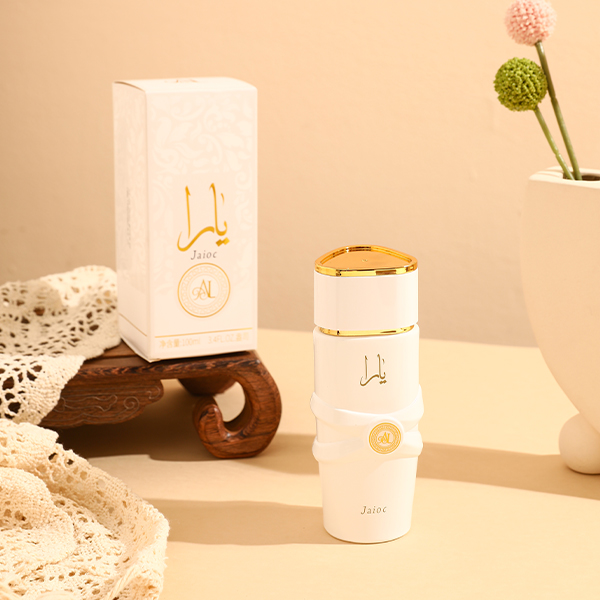
Market Overview: Two Mature Markets with Different Commercial Structures
Compare Australian & New Zealand and European perfume fragrance markets across fragrance preferences, product formats, packaging, retail channels and cosmetic regulations. Explore practical perfume fragrance OEM/ODM opportunities with Shandong Aili Cosmetics.
At Shandong Aili Cosmetics Co.,Ltd., we believe the true essence of a fragrance lies in its scent, its quality, and the emotion it evokes—not the markups defined by brand prestige alone. For too long, high-quality fragrances have been elevated into exclusive luxuries. We view fragrance differently: it is a daily form of self-expression and personal comfort that should be effortlessly accessible to everyone.
Our purpose goes far beyond lower production costs. Leveraging our decades of manufacturing expertise, integrated supply chain, and uncompromised quality control, we bridge the gap between premium fragrance design and everyday affordability. We are not here to challenge luxury, but to elevate value. By delivering uncompromised quality at a true-to-value price, Shandong Aili Cosmetics empowers global partners and consumers to experience the art of fine fragrance as a daily delight, rather than a privileged indulgence.
Europe and Oceania, particularly Australia and New Zealand, are established markets for international fragrance brands. Both have consumers with relatively high purchasing power, developed retail systems and detailed product safety requirements. However, their market sizes, retail structures and fragrance cultures are different.
Europe is a large and diverse fragrance market. France, Italy, Germany, the United Kingdom and other countries support everything from mass-market perfumes and designer brands to independent niche fragrance houses. Its commercial structure requires suppliers to understand differences between national markets, retail channels and consumer segments.
Oceania is a smaller market with Australia and New Zealand as its principal destinations. It offers opportunities in premium everyday fragrances, independent brands, personal care and home fragrance. Retailers and consumers may place importance on ingredient transparency, packaging design and environmental considerations, although preferences vary between customer groups.
| Comparison | Europe | Oceania |
| Market structure | Large, diverse and segmented | Smaller, concentrated around Australia and New Zealand |
| Fragrance culture | Established perfume heritage and broad niche market | Lifestyle-oriented fragrance and personal care |
| Fragrance preferences | Wide range of classic, modern and niche profiles | Fresh, citrus, woody, aromatic and other lifestyle-led profiles |
| Product formats | EDT, EDP, extrait and refillable perfumes | EDT, EDP, body mist, roll-on and home fragrance |
| Retail channels | Department stores, beauty chains, pharmacies and DTC | Major beauty and pharmacy retailers, independent brands and DTC |
| Main entry considerations | EU cosmetics compliance and country-specific retail requirements | AICIS, New Zealand cosmetic rules, labeling and product safety |
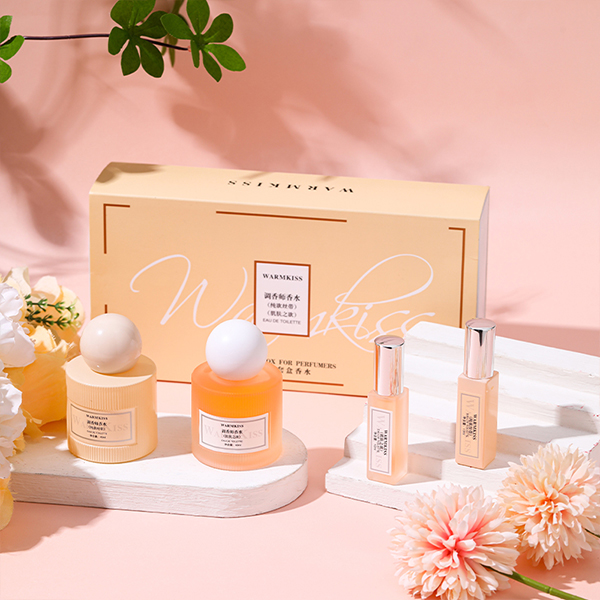
Fragrance Culture and Consumer Preferences
Europe: Heritage, Fragrance Craftsmanship and Product Diversity
Europe has a long history of perfume production and consumption. France, particularly Grasse, is closely associated with the development of modern perfumery, while Italy, the United Kingdom and other European markets have their own fragrance traditions and brand identities.
European consumers do not follow one universal scent preference. Citrus, aromatic fougère, floral, woody, chypre, leather, amber and gourmand compositions all have established audiences. Niche fragrance customers may pay particular attention to ingredient quality, the transition between top, heart and base notes, and the overall character of a composition.
Gender positioning also varies. Many niche brands offer unisex fragrances, while mainstream retail continues to use men’s and women’s fragrance categories. For manufacturers, this means both clearly positioned collections and gender-neutral product lines can be commercially relevant.
Oceania: Lifestyle, Freshness and Everyday Wear
In Australia and New Zealand, fragrance products often connect with everyday routines, outdoor activities and personal care. Fresh citrus, aquatic, aromatic, herbal, woody and soft musk compositions can suit these positioning strategies.
References to eucalyptus, tea tree, Australian botanicals, coastal landscapes and natural materials may be relevant to certain local brands. However, it would be inaccurate to assume that all consumers prefer natural ingredients, vegan formulas or unisex fragrances. Premium designer perfumes, sweet fragrances and more concentrated compositions also have established audiences.
For OEM buyers, the opportunity is to develop products for clearly defined customer groups rather than formulate every fragrance around a single idea of a natural lifestyle.
Product Formats, Concentrations and Packaging
Both regions use familiar perfume concentrations, including Eau de Toilette (EDT), Eau de Parfum (EDP) and higher-concentration extrait products. The actual fragrance concentration and performance depend on the formula, not just the product name.
Oceania also offers opportunities to develop coordinated fragrance collections that include body mists, roll-on products and home fragrance. European brands, meanwhile, have a broad market for conventional wearable perfumes, discovery sets and refillable formats.
| Product type | European applications | Australian and New Zealand applications |
| 30ml–50ml EDP | Niche collections, travel and premium gifting | Independent brands and everyday premium fragrance |
| 100ml EDP | Mainstream and designer fragrance | Premium personal fragrance |
| EDT | Everyday and seasonal collections | Fresh and lighter fragrance lines |
| Body mist | Personal care and casual fragrance | Everyday body fragrance and lifestyle collections |
| Roll-on fragrance | Travel and targeted product concepts | Portable fragrance and personal care |
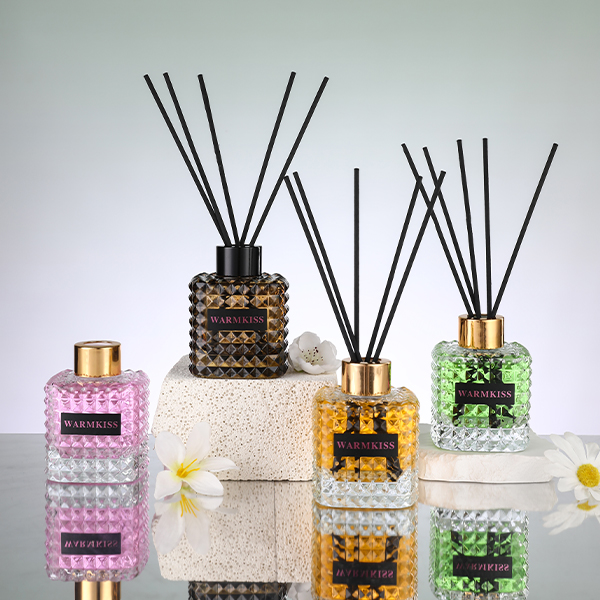
| Reed diffuser | Home fragrance and gifting | Home fragrance and lifestyle retail |
Packaging decisions should consider both appearance and physical performance. A typical perfume package may include a 30ml, 50ml or 100ml glass bottle, a spray pump, a decorative cap, a printed label and a folding carton. Buyers should evaluate bottle weight, base stability, neck dimensions, pump compatibility, spray consistency and leakage resistance.
For brands emphasizing a natural or understated appearance, amber glass, transparent glass, matte labels, wooden-effect caps and uncoated paper cartons may be suitable options. These are design choices rather than universal market requirements.
Sustainability claims also need evidence. Refillable packaging, recycled-content materials and recyclable cartons may support a brand’s environmental positioning, but recyclability depends on the actual material combination and local waste infrastructure. A heavy glass bottle is not automatically more sustainable than a lighter alternative.
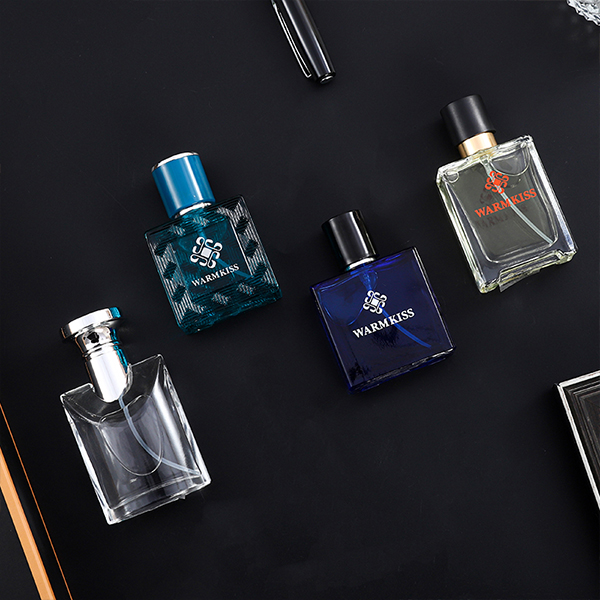
Retail Channels and Business Opportunities
European fragrance distribution is broad and country-dependent. Sephora, Douglas, Boots, Marionnaud and pharmacy retailers such as dm and Rossmann operate in different parts of the market. Department stores, independent perfumeries, niche fragrance boutiques and direct-to-consumer websites add further complexity.
For manufacturers, European buyers may have very different requirements. A large retail chain may prioritize supply consistency, documentation, packaging specifications and commercial pricing. An independent fragrance brand may focus more on formula development, bottle selection, smaller product collections and distinctive packaging.
Australia and New Zealand have more concentrated retail environments. Chemist Warehouse, Mecca and Sephora ANZ are relevant examples of established retail channels, while independent fragrance and lifestyle brands also serve specialized customer groups.
Smaller brands may be interested in flexible OEM/ODM development, but their order quantities, payment terms and repeat-purchase patterns vary. Suppliers should evaluate each project according to its packaging complexity, formula requirements, production quantity and commercial arrangements rather than assume that all independent brands place small orders or offer higher margins.
Cosmetic Regulations and Market Entry Requirements
European Union cosmetics are governed by Regulation (EC) No 1223/2009. Before a cosmetic product is placed on the EU market, the responsible person must ensure that the required Product Information File (PIF), Cosmetic Product Safety Report (CPSR), labeling and notification through the Cosmetic Products Notification Portal (CPNP) are in place.
Fragrance allergen labeling is particularly important. Regulation (EU) 2023/1545 expanded the list of individually declared fragrance allergens. For new products placed on the EU market after 31 July 2026, the updated requirements apply. Products placed on the market before that date may continue to be made available until 31 July 2028 under the applicable transitional conditions.
Australia and New Zealand operate separate regulatory systems.
In Australia, AICIS regulates the introduction of industrial chemicals. Businesses importing cosmetics containing relevant industrial chemicals for commercial sale may need to register with AICIS and ensure that each chemical introduction is authorized under the applicable category. Importantly, AICIS registration is generally a registration of the business, not a separate registration or approval of every finished perfume product.
New Zealand regulates cosmetics containing hazardous substances through its Cosmetic Products Group Standard and related EPA notices. Updated rules took effect on 1 January 2026, with additional changes phased in over subsequent years. Product classification, ingredient restrictions, labeling and packaging requirements should therefore be checked against the current rules.
Alcohol-based perfumes also require transport assessment. Their dangerous-goods classification depends on factors such as formulation, flash point, packaging and transport mode. An SDS is an important supporting document, but it does not replace the applicable dangerous-goods classification and shipping requirements.
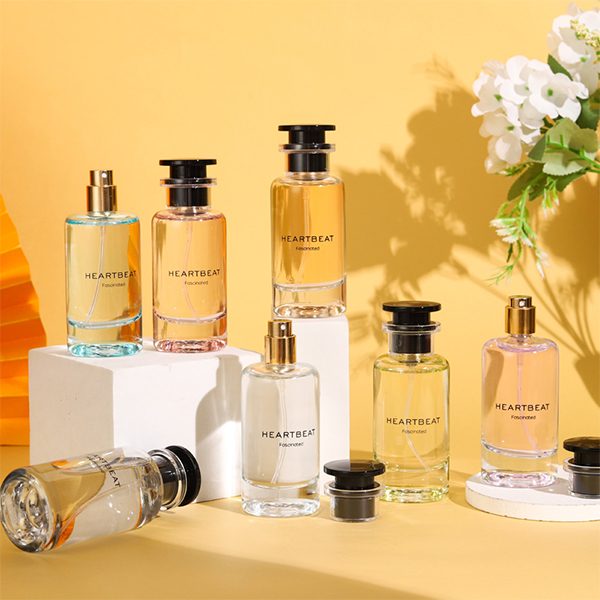
How Aili Approaches European and Oceania OEM/ODM Projects
For European buyers, we focus on fragrance development, formula consistency, packaging specifications and the technical information needed for regulatory assessment. Different projects may require different bottle designs, concentrations, labeling layouts and documentation arrangements.
For Australian and New Zealand buyers, we can also develop coordinated product concepts across perfume, body fragrance and reed diffusers. A collection might combine a 50ml EDP glass bottle, a 100ml everyday fragrance, a body mist and a matching home diffuser, using consistent fragrance themes and coordinated packaging.
Shandong Aili Cosmetics was established in 1993 and has more than 30 years of manufacturing experience. Our fragrance-centered OEM/ODM business covers perfumes, reed diffusers and selected personal-care and home-care products. With 48 perfume production lines and a reported daily perfume output exceeding 300,000 bottles, we support different product specifications, packaging combinations and brand development requirements.
We believe that successful international cooperation depends on matching the product to its intended market. Fragrance composition, bottle structure, pump performance, packaging materials and regulatory preparation should be considered together from the development stage.
Frequently Asked Questions
- What is the main difference between European and Oceania perfume markets?
Europe has a larger and more diversified fragrance industry, ranging from mass-market perfumes to established niche brands. Oceania is smaller, with opportunities across premium everyday fragrance, personal care and lifestyle-oriented products.
- Which fragrance notes are popular in Australia and New Zealand?
Fresh citrus, aquatic, aromatic, herbal, woody and soft musk profiles can suit local lifestyle positioning. However, consumer preferences vary, and sweet, floral and oriental fragrances also have their audiences.
- Are unisex perfumes more popular in Oceania than Europe?
Unisex positioning is visible in independent brands in both regions. However, mainstream retail in both markets continues to offer products positioned specifically for men and women.
- What perfume bottle sizes should OEM buyers consider?
Common options include 30ml, 50ml and 100ml glass bottles for EDP and EDT products. Body mists and home fragrance products may require different capacities and dispensing systems according to their intended use.
- Does AICIS register individual perfume products?
Generally, no. AICIS registration applies to businesses introducing relevant industrial chemicals into Australia. Importers must also ensure that the chemicals in their products meet the applicable introduction requirements.
- What documents are required for selling perfume in the European Union?
Depending on the product and supply-chain responsibilities, requirements include a CPSR, PIF, EU responsible person, CPNP notification, compliant ingredient labeling and supporting safety information.
- Are natural or vegan perfume formulas mandatory in Australia and New Zealand?
No. Natural-origin and vegan positioning are commercial choices, not universal requirements for all perfumes. Any related claims should be accurate and supported by appropriate ingredient and supplier information.
- Can Shandong Aili Cosmetics develop both perfume and home fragrance products?
Yes. Aili’s fragrance-centered manufacturing business includes perfume and reed diffusers, allowing buyers to explore coordinated personal fragrance and home fragrance collections through OEM/ODM cooperation.
Conclusion
Europe and Oceania are both developed fragrance markets, but they offer different opportunities for manufacturers. Europe requires an understanding of diverse retail segments, fragrance traditions and detailed EU cosmetics compliance. Australia and New Zealand offer opportunities in premium everyday fragrance, independent brands and coordinated personal-care and home-fragrance collections.
For international buyers, the right supplier should be able to adapt fragrance formulas, bottle specifications, packaging and production arrangements to the intended market. At Shandong Aili Cosmetics, we approach OEM/ODM cooperation through practical product development and market-specific manufacturing rather than a one-size-fits-all fragrance solution.