
Understanding the China Perfume & Fragrance Market
Explore the China perfume & Fragrance market from شركة شاندونغ أيلي لمستحضرات التجميل, including low penetration and growth potential, tea and clean musk fragrances, small-size perfumes, discovery sets, emotional consumption and OEM opportunities.
China is a particularly interesting fragrance market because perfume consumption has developed later than in many mature Western markets, while consumer interest in fragrance has expanded rapidly.
Current market research describes China’s fragrance market as continuing to grow from an underpenetrated base. Mintel estimates that China’s fragrance market surpassed RMB 20.5 billion in 2025, while Euromonitor highlights continued growth driven by underpenetration, storytelling and local cultural influences.
But the most important change is not simply market size.
Chinese consumers are increasingly treating fragrance as part of self-expression, emotional wellbeing, lifestyle, gifting and personal rituals.
This creates a market where consumers may purchase perfume not because they need to eliminate body odour, but because they want a particular mood, atmosphere, identity, memory, or personal experience.
From “Luxury Perfume” to Everyday Fragrance
Traditional fragrance consumption in China was strongly associated with international luxury brands and special occasions.
The market is becoming more diverse.
Consumers can now encounter fragrance through:
- Niche perfume brands
- Local Chinese fragrance brands
- International luxury brands
- Designer fragrances
- العناية بالجسم
- عطور المنزل
- Scented laundry products
- Candles
- مجموعات «ديسكفري»
- Social-media-driven fragrance products
Mintel’s latest China research describes fragrance consumption as expanding from personal fragrance into a broader scented lifestyle, with cross-category purchasing and layering becoming important growth drivers.
This means a fragrance brand does not necessarily need to compete only through a large 50ml or 100ml perfume bottle.
It can build an entire scent ecosystem.
Tea, Clean Musk and Subtle Fragrance Can Create Local Differentiation
Chinese fragrance preferences should not be reduced to a single “Chinese scent.”
However, there is clear commercial space for fragrance concepts connected with tea, nature, clean musk, citrus, white flowers, herbs and understated woody notes.
Tea is particularly useful for storytelling because it can connect fragrance with familiar cultural imagery without requiring the perfume to smell literally like a cup of tea.
ومن بين الاتجاهات المحتملة ما يلي:
- Green tea
- White tea
- Oolong tea
- Black tea
- Tea + Bergamot
- Tea + Citrus
- Tea + White Floral
- Tea + Musk
- Tea + Woods
- Tea + Fig or Fruity Notes
The broader principle is local cultural inspiration with modern fragrance construction.
Euromonitor’s current China analysis also points to the importance of Asian influences and cultural storytelling in new fragrance development.
Clean Musk and “Skin Scent” Fit Everyday Use
Another opportunity is the development of soft, clean and intimate fragrances.
Instead of projecting strongly across a room, a skin-scent concept can be designed to feel closer to the wearer.
Possible directions include:
- المسك النقي
- Soft White Musk
- Powdery Musk
- Fresh Linen
- Soft Woods
- Light Floral
- Clean Amber
- Citrus Musk
These fragrances can be positioned around concepts such as:
clean, comfortable, natural, close-to-skin, understated, office-friendly and everyday fragrance.
This does not mean Chinese consumers universally prefer weak perfumes. Stronger floral, woody, gourmand and oriental fragrances also have clear opportunities.
The key is to offer different intensity levels and occasions rather than assuming that one fragrance style represents the whole market.
Small Bottles Lower the Barrier to Fragrance Discovery
Bottle size is another important opportunity.
Instead of asking a consumer to immediately purchase a large bottle, brands can offer:
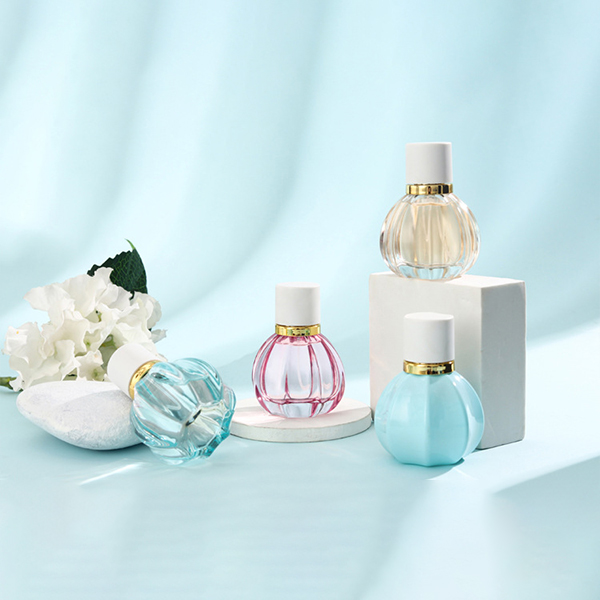
- 10ml perfume
- 15ml perfume
- Travel spray
- Roll-on
- Mini bottle
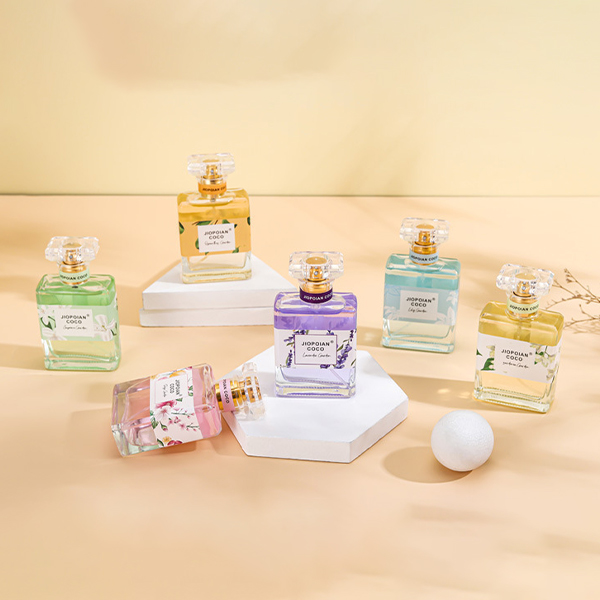
- Discovery set
- Multi-scent collection
Smaller formats can reduce the perceived risk of trying an unfamiliar fragrance.
They also work well with social-media-driven fragrance discovery, where consumers are exposed to new scents frequently.
Mintel’s 2025 global fragrance research specifically highlights the growth of fragrance sampling and discovery sets, driven partly by social-media micro-trends and younger consumers seeking affordable ways to explore different scents.
Discovery Sets Are Becoming a Product Strategy, Not Just a Sample
A discovery set can contain several fragrances from the same brand, allowing consumers to compare different scent families.
على سبيل المثال:
| Discovery Set | Possible Fragrance Profiles |
| Tea Collection | Green Tea / Oolong / White Tea / Black Tea |
| Clean Collection | White Musk / Linen / Soft Woods / Citrus |
| Seasonal Collection | Spring Floral / Summer Citrus / Autumn Woods / Winter Amber |
| Mood Collection | Relax / Focus / Date / Night |
| Oriental Collection | Rose / Amber / Oud / Vanilla |
This format also provides useful opportunities for new brands.
Instead of asking consumers to choose a single unfamiliar fragrance, the brand can sell the discovery experience itself.
A consumer who finds a favorite scent can then purchase the full-size bottle.
Emotional Consumption Is Reshaping Fragrance
One of the strongest differences between fragrance and many functional personal-care categories is its emotional dimension.
Consumers may use fragrance to:
- Relax
- Improve mood
- Create a sense of ritual
- Prepare for work
- Prepare for social occasions
- Express personality
- Recall a place or memory
- Reward themselves
- Create a personal atmosphere
Mintel’s China fragrance research identifies emotional utility and lifestyle integration as increasingly important, while current research also shows fragrance expanding into multiple categories and scenarios.
This creates opportunities for brands to organize collections around scenarios and emotions, not only traditional gender categories.
على سبيل المثال:
Focus / Relax / Clean / Date / Travel / Night / Weekend
can sometimes be more relevant to modern consumers than simply “Men’s” and “Women’s.”
Chinese Consumers Are Becoming More Selective
China’s fragrance market is growing, but growth does not mean consumers will buy every new perfume.
Chinese consumers increasingly compare:
- Ingredients
- Fragrance notes
- Reviews
- Brand story
- التغليف
- Price
- Product quality
- Uniqueness
- Online reputation
Earlier Mintel research also found strong consumer attention to natural ingredients, product quality and professional fragrance production, while more recent research shows increasing segmentation by price, occasion and consumer motivation.
For perfume brands, this means a good-looking bottle alone is not enough.
The product needs a convincing combination of fragrance quality, story, packaging, price and experience.
Social Commerce Is Important for Fragrance Discovery
China’s fragrance market is strongly connected with digital consumer behavior.
Short videos, social platforms, reviews, KOL/KOC content, e-commerce stores and live commerce can all influence fragrance discovery.
A consumer might first encounter a fragrance through a short video describing:
- “Tea perfume”
- “Clean girl fragrance”
- “Office perfume”
- “Skin scent”
- “Date-night perfume”
- “A fragrance that smells expensive”
- “Chinese-inspired perfume”
This changes the way brands should develop products.
A fragrance needs not only a formula, but also a simple concept that consumers can understand, remember and share.
China Offers Opportunities for Localized Fragrance Development
The most interesting opportunity for international and OEM/ODM brands is not necessarily to copy Western perfume formulas.
It is to combine international fragrance technology with local cultural references and modern Chinese consumer behavior.
A brand might take a familiar global fragrance structure and reinterpret it through:
- Tea
- Bamboo
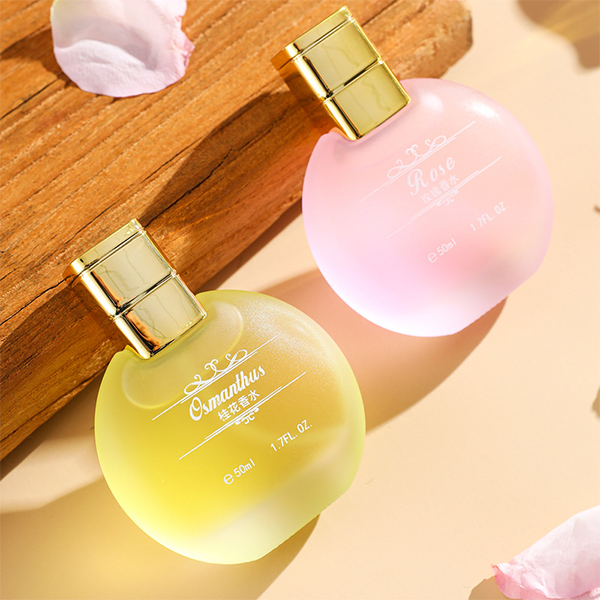
- Osmanthus
- White flowers
- Rice
- الحمضيات
- Chinese gardens
- Ink
- Mountains
- Forests
- Traditional craftsmanship
The goal is not to make every perfume “traditionally Chinese.”
Instead, cultural elements can provide a distinctive story while modern fragrance construction determines the final sensory experience.
How Aili Cosmetics Supports China-Oriented Fragrance Development
For China-oriented projects, Shandong Aili Perfume Fragrance Cosmetics can support fragrance development around localized concepts, different concentration levels, bottle sizes, discovery sets and multi-product fragrance collections.
Aili’s OEM/ODM capabilities can integrate fragrance development, packaging, bottle sourcing, production and quality control, allowing brands to test different concepts before scaling production.
This is particularly useful for projects involving small-size perfumes, discovery sets, tea-inspired fragrances, clean-musk collections, body mist, roll-on perfume and other scenario-based fragrance products.
The objective is not simply to manufacture a perfume. It is to help translate a fragrance concept into a product format that matches the target consumer and retail price.
China Perfume Product Strategy
| Consumer Trend | Product Opportunity |
| Tea culture | Tea-inspired perfume collection |
| Clean aesthetic | Clean musk / skin scent |
| Trial before purchase | مجموعات «ديسكفري» |
| Portable use | 10ml / 15ml / roll-on |
| Emotional consumption | Mood- and scenario-based collections |
| Local cultural storytelling | Chinese-inspired fragrance concepts |
| عطر للاستخدام اليومي | Light EDP / EDT |
| Premium niche | Sophisticated EDP + storytelling |
| سوق الهدايا | Mini sets and fragrance collections |
FAQs About the China Perfume Market
Is the China perfume market growing?
Yes. China’s fragrance market has continued expanding from a relatively underpenetrated base. Mintel reports that the market surpassed RMB 20.5 billion in 2025, while Euromonitor describes solid growth linked to underpenetration, storytelling and changing consumer preferences.
What perfume scents are popular in China?
Chinese consumers have diverse preferences. Floral is a leading preference category in current research, while woody, citrus, fruity and oriental profiles also have significant interest. Tea, clean musk, natural and Asian-inspired concepts can provide useful differentiation for certain consumer segments.
Is tea perfume popular in China?
Tea is an attractive fragrance-development theme because it connects naturally with Chinese cultural associations and can be combined with citrus, floral, musk, woods and other modern accords. It should be treated as a product-development opportunity rather than a universal preference.
Are small perfume bottles suitable for the Chinese market?
Small bottles, travel formats and discovery sets can reduce the barrier to trying unfamiliar fragrances. They also work well with social-media-driven fragrance discovery and multi-scent purchasing.
What is a fragrance discovery set?
A discovery set contains several small fragrance samples or mini perfumes that allow consumers to experience multiple scents before purchasing a full-size product.
Why is emotional value important in Chinese perfume consumption?
Fragrance can be connected with mood, self-care, identity, memory, lifestyle and personal rituals. Current research shows that fragrance consumption in China is expanding beyond individual perfume use into broader lifestyle and emotional experiences.
Should perfume brands entering China focus only on Chinese-inspired fragrances?
No. Chinese consumers use both international and local fragrance products. A more flexible strategy can combine globally familiar fragrance structures with localized stories, ingredients, cultural references or product formats.
What should brands look for in a China perfume OEM manufacturer?
Important capabilities include fragrance development, small-bottle production, discovery-set assembly, packaging integration, flexible MOQ, quality control, localized product development and the ability to scale successful concepts into larger production runs.
الخلاصة
China’s perfume market is developing from a relatively underpenetrated category into a broader fragrance lifestyle market.
The opportunity is not limited to selling traditional 50ml or 100ml perfume bottles. Consumers are exploring tea-inspired fragrances, clean musk, skin scents, small bottles, discovery sets, scenario-based products, emotional fragrance concepts and broader scented lifestyles.
For perfume brands, this means product development should begin with a clear understanding of the consumer occasion and emotional proposition.
بالنسبة لـ OEM/ODM manufacturers – Shandong Aili Perfume Fragrance Cosmetics, China offers an opportunity to combine international fragrance materials and manufacturing capabilities with localized fragrance concepts, flexible formats, small-size products and rapid product testing.
The brands that understand this shift can develop not just individual perfumes, but complete fragrance experiences built around identity, discovery, emotion and everyday use.