

Two Important Markets with Different Fragrance Consumption Patterns
Compare the Middle Eastern و South American perfume Fragrance markets, including fragrance preferences, Deo Colônia, body splash, packaging, distribution channels and cosmetic regulations. Explore perfume fragrance OEM/ODM opportunities with شركة شاندونغ أيلي لمستحضرات التجميل.
الـ الشرق الأوسط و South America are two important regions in the global fragrance industry. Both have strong perfume consumption cultures, but their purchasing habits, product preferences and distribution systems are quite different.
In the Middle East, fragrance is closely connected with personal presentation, hospitality and social traditions. Consumers often value distinctive scent profiles, lasting performance and premium packaging. In South America, particularly Brazil, perfume is widely used as part of everyday personal care. Demand covers a broad range of products, from affordable body fragrances to premium eau de parfum.
Brazil is one of the world’s largest national fragrance markets and an important center of perfume consumption. Colombia, Chile, Argentina and Peru also offer opportunities for international suppliers, although their market structures and purchasing power differ.
بالنسبة لـ Chinese perfume OEM/ODM manufacturers such as شركة شاندونغ أيلي لمستحضرات التجميل المحدودة., understanding these differences is essential when developing fragrances, selecting bottle capacities and planning export products.

Fragrance Preferences: Oriental Richness vs. Tropical Freshness
Middle East: Strong Fragrance Identity and Premium Presentation
Oud, amber, musk, rose, saffron, incense and woody accords are important fragrance directions across many Middle Eastern markets. Consumers in premium segments often look for noticeable projection, a developed dry-down and lasting fragrance performance.
Perfume is also used alongside traditional fragrance products such as bakhoor and concentrated fragrance oils. EDP, extrait de parfum and attar therefore have established positions in the market.
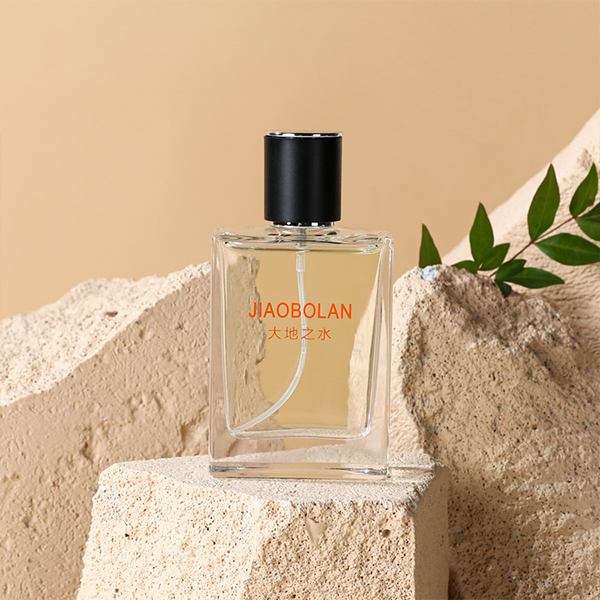
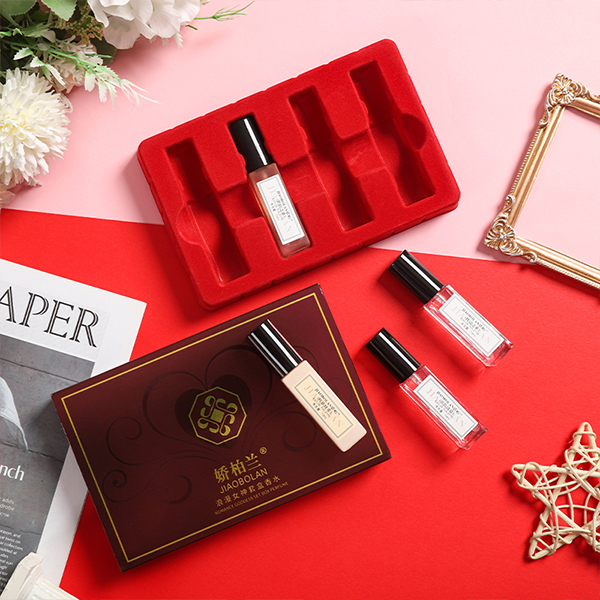
Packaging is another important consideration. Premium products frequently use thick-bottom glass bottles, decorative caps, metallic finishes and rigid gift boxes. These physical details contribute to the product’s presentation in perfume shops and gifting occasions.
However, Middle Eastern consumers do not exclusively prefer heavy oriental fragrances. Fresh citrus, fruity florals and lighter musk compositions also serve everyday fragrance needs.
South America: Everyday Fragrance and High-Frequency Use
Brazil has a particularly strong culture of everyday fragrance use. Fresh citrus, tropical fruits, floral notes, aromatic herbs and sweet compositions appeal to different consumer groups.
One distinctive Brazilian category is Deo Colônia. It generally refers to a lighter fragrance product intended for frequent everyday application, rather than a conventional high-concentration EDP. Body splash and body mist products also appeal to consumers who prefer lighter fragrances for use after bathing or during the day.
Alongside these traditional formats, concentrated EDP products featuring amber, vanilla, musk, woods and oud-inspired accords have attracted attention among some online fragrance communities.
Middle Eastern brands such as Lattafa, Armaf and Rasasi have helped introduce more international consumers to oud, amber, sweet woods and concentrated oriental-style fragrances. These products have also increased the visibility of Arabic-inspired fragrance profiles in parts of Latin America.
For manufacturers, this creates opportunities to adapt existing fragrance concepts. A rich amber or oud-inspired formula developed for Middle Eastern customers may also appeal to selected South American buyers, although sweetness, freshness and overall intensity may need adjustment.
Product Formats and Packaging Requirements
Product format is one of the clearest differences between the two regions.
| Product dimension | الشرق الأوسط | South America |
| Popular fragrance directions | Oud, amber, rose, musk, saffron and woods | Citrus, tropical fruits, florals, aromatic notes and sweet accords |
| Relevant formats | EDP, extrait, attar and bakhoor | Deo Colônia, body splash, body mist, EDT and EDP |
| Common bottle capacities | 50ml and 100ml, depending on segment | 100ml EDP and larger everyday fragrance formats |
| Packaging priorities | Decorative glass, substantial caps and gift boxes | Practical, lightweight packaging and colorful designs |
| Commercial emphasis | Premium positioning and wholesale distribution | Broad consumer reach and repeat purchases |
Deo Colônia and Large-Format Fragrance Products
A South American product range should not be designed entirely around 100ml premium perfume bottles. Brazilian buyers may also consider larger everyday fragrance formats, including 150ml, 200ml or 250ml bottles, depending on the brand and product positioning.
These products require practical packaging decisions. A large bottle needs a stable base, a reliable spray pump and a closure that remains secure during transportation. If a lightweight plastic bottle is selected, its wall thickness, deformation resistance and compatibility with the fragrance formula should be evaluated.
For glass packaging, bottle weight and protective carton structure directly affect shipping costs. These factors are particularly important for products positioned at affordable retail prices.
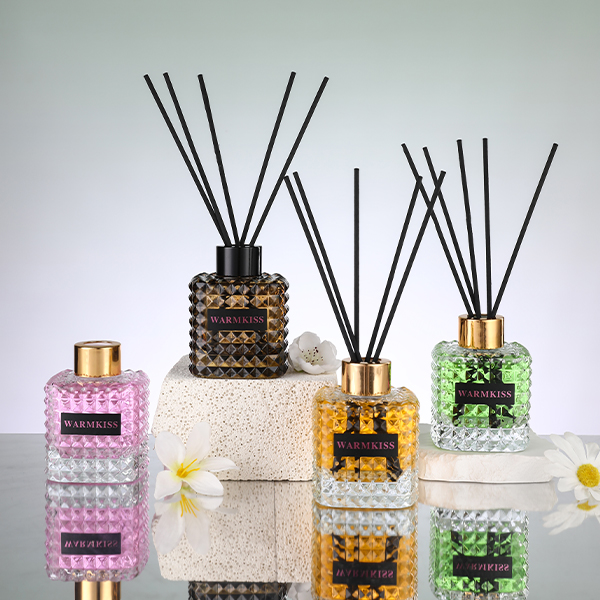
Middle Eastern premium products often place greater emphasis on decorative presentation. Thick-bottom glass, metallic finishes, embossed details and heavier caps can support a luxury image. Nevertheless, packaging quality depends on dimensional accuracy, leakage prevention, surface finish and component compatibility—not simply the weight of the bottle.
Consumer Trends: From Traditional Fragrance to Arabic-Inspired Scents
An interesting development in the fragrance industry is the growing visibility of Middle Eastern fragrance styles in international online communities.
Consumers who previously focused mainly on fresh, floral or designer-style perfumes are increasingly discovering oud, amber, sweet woods and richer fragrance compositions through online reviews, fragrance discussions and independent perfume retailers.
This trend offers South American distributors an additional product direction beyond traditional citrus and floral colognes. However, a fragrance successful in Dubai does not automatically perform equally well in São Paulo, Bogotá or Santiago. Climate, consumer expectations, price positioning and local competitors all influence acceptance.
At Aili, we see potential in developing two complementary product lines for South American customers:
- Everyday fragrance:Deo Colônia, body splash and body mist in practical larger capacities, with fresh, fruity or floral profiles.
- Premium fragrance:50ml or 100ml EDP products featuring richer amber, vanilla, musk, woody or oud-inspired accords.
This combination allows distributors to address different purchasing occasions without relying on a single fragrance category.
Distribution Channels: Wholesale Importers vs. Direct Selling Networks
Middle East: Importers and Specialist Perfume Retailers
The Middle Eastern fragrance trade has a strong wholesale structure. Importers, family-owned perfume businesses, local fragrance brands and specialist retailers play important roles in product sourcing and distribution.
Established buyers may prioritize stable bulk supply, competitive pricing, consistent fragrance quality and packaging suitable for premium retail. Large-volume purchasing is common in some channels, although order quantities vary between established distributors and smaller retailers.
For manufacturers, reliable production, repeatable fragrance quality and consistent packaging specifications are important factors in maintaining long-term cooperation.
South America: Direct Selling, Retail and E-commerce
South America has a well-established direct-selling tradition, particularly in Brazil and Colombia. Companies such as Natura and O Boticário have built strong consumer recognition through extensive retail and consultant networks.
Direct selling is an important channel, but it should not be treated as the only route to market. Supermarkets, beauty stores, independent retailers and online marketplaces also contribute to fragrance sales.
Platforms such as Mercado Libre and Shopee provide opportunities for smaller brands and importers to reach consumers. Product photography, customer reviews, competitive pricing and reliable delivery are particularly relevant to online sales.
For Chinese OEM suppliers, this means South American customers may need a wider range of product specifications, from economical large-format body fragrances to smaller premium perfume collections.
Regulatory Requirements and Import Considerations
Middle East: GCC Standards and Country-Level Procedures
GCC markets use regional technical requirements for cosmetics and perfumes, including relevant GSO standards. Individual countries also operate their own notification, registration or conformity procedures.
Saudi Arabia uses the SFDA cosmetic product notification system, while the UAE has its own conformity and product-registration processes. Documentation, labeling, ingredient restrictions and applicable conformity requirements should be confirmed before shipment.
Halal-related expectations may also be relevant to particular customers and markets. Manufacturers should provide accurate ingredient information and avoid unsupported Halal claims.
South America: ANVISA and National Regulatory Systems
Brazil is an important but technically demanding market for imported fragrance products. Under ANVISA’s current framework, ordinary perfumes and eau de cologne are generally classified as products exempt from pre-market registration and subject to notification. They should not automatically be described as products requiring formal registration under a higher-risk category.
The Brazilian company responsible for the product must complete the applicable regularization procedure and hold the required AFE authorization for regulated activities. Foreign manufacturers therefore need to work with an appropriately authorized Brazilian importer or local responsible company. Portuguese labeling and product documentation must also meet applicable requirements.
Other South American markets have their own procedures. Colombia applies the Andean Community’s sanitary notification system for cosmetics. Peru requires a Sanitary Notification of Mandatory Compliance through DIGEMID, while Chile operates cosmetic product registration and notification procedures through the ISP.
Import duties, VAT, domestic taxes and customs costs also vary by country and product classification. Buyers should calculate the full landed cost rather than comparing supplier quotations based only on FOB prices.
Some importers may explore local filling or regional distribution arrangements, but the feasibility depends on regulatory, tax and logistics conditions. It should be evaluated as a specific business model rather than assumed to be universally more economical.
How Aili Supports Different Market Requirements
At Shandong Aili Cosmetics, we approach Middle Eastern and South American projects through market-specific product planning rather than using one standard specification for every destination.
With more than 30 years of manufacturing experience, 48 perfume production lines and a stated daily perfume production capacity exceeding 300,000 bottles, we can support different fragrance collections and packaging requirements.
For Middle Eastern customers, development may focus on richer fragrance profiles, EDP products, decorative glass bottles and premium gift packaging. For South American customers, we can discuss larger-capacity everyday fragrance products, body splash concepts, fresh and fruity scent directions, and complementary premium EDP collections.
Our fragrance development resources include international suppliers such as Robertet, Givaudan and Symrise. The appropriate materials and formula are selected according to each project’s fragrance brief, target price and technical requirements.
We also recognize that successful export manufacturing involves more than producing a fragrance formula. Bottle capacity, spray-pump performance, cap fit, carton protection, labeling and local compliance documents all need to be considered before mass production.
Our OEM/ODM approach is to help customers translate their market positioning into workable product specifications, from fragrance selection and packaging design to production planning and quality evaluation.
الأسئلة الشائعة
- What is the main difference between the Middle Eastern and South American perfume markets?
The Middle East has strong demand for premium fragrance presentation and rich oriental scent profiles. South America, especially Brazil, has a broader everyday fragrance market with important demand for Deo Colônia, body splash and EDP products.
- What is Deo Colônia in Brazil?
Deo Colônia is a lighter fragrance category commonly used for everyday personal fragrance. It is distinct from a conventional high-concentration EDP and is often positioned for frequent application.
- What bottle sizes are suitable for the South American perfume market?
100ml bottles are relevant for conventional perfumes, while larger capacities such as 150ml, 200ml and 250ml may suit selected Deo Colônia and body fragrance products. The right size depends on the brand and distribution channel.
- Are oud and Arabic-style perfumes popular in South America?
Oud, amber and other Arabic-inspired fragrance styles have gained visibility in some online consumer communities. They represent an additional market segment rather than replacing the region’s established fresh, floral and fruity preferences.
- Which sales channels are important for perfume in Brazil?
Direct selling, specialist beauty retail, independent distributors, supermarkets and e-commerce all play roles. The importance of each channel depends on the brand’s positioning and target customers.
- Does every perfume imported into Brazil require formal ANVISA registration?
No. Under the applicable ANVISA framework, ordinary perfumes are generally subject to notification rather than mandatory pre-market registration. The Brazilian responsible company must follow the relevant regularization procedure and hold the required authorization.
- What should South American importers consider when sourcing perfume from China?
They should evaluate fragrance quality, bottle capacity, packaging durability, landed cost, product documentation, local notification requirements and the supplier’s ability to maintain consistent production quality.
- Can one OEM manufacturer supply both premium perfume and everyday body fragrance products?
Yes. A manufacturer with suitable formula-development and production capabilities can support different formats, including EDP, Deo Colônia concepts and body splash. Each product still requires its own formula, packaging and market-compliance assessment.
الخلاصة
The Middle East and South America are both fragrance-intensive markets, but they offer different opportunities for perfume manufacturers. The Middle East is particularly relevant for premium oriental fragrances, concentrated formats and decorative packaging. South America, especially Brazil, offers opportunities in everyday fragrance consumption, Deo Colônia, body splash and differentiated EDP collections.
For perfume distributors and brand owners, the most practical approach is to match fragrance profiles, product formats, bottle capacities and packaging costs to the intended sales channel. At Shandong Aili Cosmetics, we believe that flexible OEM/ODM manufacturing, reliable product quality and a clear understanding of local market requirements are essential to building sustainable international fragrance businesses.