
The World’s Main Perfume Consumption Markets
Discover the world’s main perfume consumption markets, including Europe, North America, the Middle East, Asia Pacific and Latin America, and learn how consumer preferences shape perfume OEM and private label opportunities by Aili Fragrance Cosmetics.
The world’s major perfume consumption markets can be broadly divided into three mature fragrance markets and two high-potential emerging markets: Europe, North America and the Middle East are established consumption centers, while Asia Pacific and Latin America offer significant growth opportunities.
From our perspective as a Chinese perfume manufacturer, however, market size alone does not determine where a fragrance product can succeed. Consumer frequency, average spending, fragrance preferences, climate, product formats, local culture and regulatory requirements all influence perfume development and purchasing decisions.
At Shandong Aili Cosmetics Co., Ltd., we develop and manufacture perfume products for different international markets. Understanding these regional differences helps us provide more suitable perfume OEM, ODM and private label fragrance solutions rather than applying the same product strategy everywhere.
Europe: A Mature Market with Deep Fragrance Culture
Europe remains one of the world’s most established perfume markets, with France, the United Kingdom, Germany, Italy and Spain representing important fragrance countries.
Perfume has a strong cultural and lifestyle role in Europe, with high consumer familiarity and broad usage among both men and women. At the same time, mature consumers are increasingly interested in differentiation, niche fragrances and distinctive brand stories.
Woody, leather, floral, chypre and sophisticated niche fragrance profiles are important segments, particularly for premium and salon perfume brands.
For manufacturers, Europe is also a demanding market. Product development needs to consider European cosmetic requirements, ingredient restrictions, safety documentation and relevant notification procedures such as the EU Cosmetic Product Notification Portal (CPNP).
For a Chinese perfume OEM factory, the European opportunity therefore comes with a higher expectation for documentation, product consistency and formulation discipline.
North America: A Large Commercial and Trend-Driven Perfume Market
North America, particularly the United States, represents another major global perfume consumption center.
The market combines luxury fragrance brands, mainstream commercial perfumes, celebrity fragrances, body sprays and rapidly emerging social-media-driven products. Consumers can move quickly from discovering a fragrance trend online to purchasing a new product.
This makes North America particularly relevant to brands developing:
- Eau de Parfum and Eau de Toilette
- Women’s and men’s commercial fragrances
- Body mist
- Fruity and floral perfumes
- Sweet vanilla and gourmand fragrances
- Woody and floral combinations
- Social-media-driven private label perfumes
From an OEM/ODM perspective, speed of product development can be important because fragrance trends can change quickly.
At Aili, we therefore pay attention not only to fragrance formulation but also to packaging, product positioning, sampling and scalable production, helping brands turn a fragrance concept into a commercially ready product.
The Middle East: A High-Value Market Built Around Strong Fragrance Culture
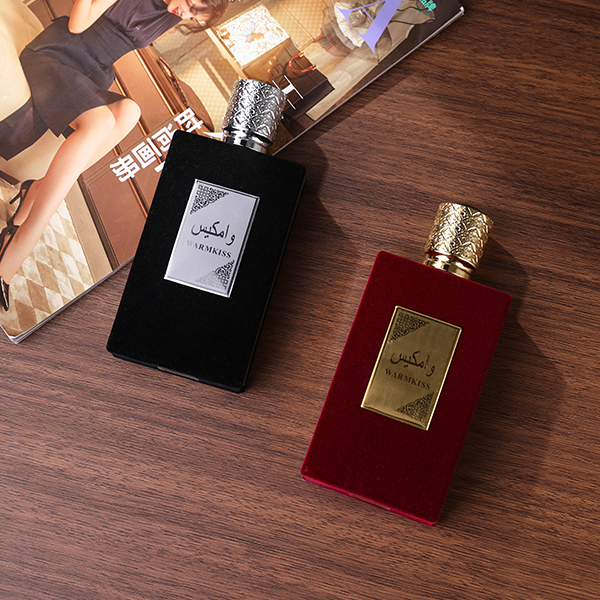
The Middle East and GCC countries—including the UAE, Saudi Arabia, Qatar, Kuwait and Oman—have a distinctive perfume culture.
Fragrance is closely connected with personal presentation, hospitality, social occasions and traditional practices. Consumers in many segments show strong interest in long-lasting and highly diffusive fragrances.
Popular fragrance directions include:
- Oud and agarwood
- Rose
- Amber
- Musk
- Saffron and spices
- Rich woody fragrances
- High-concentration perfumes
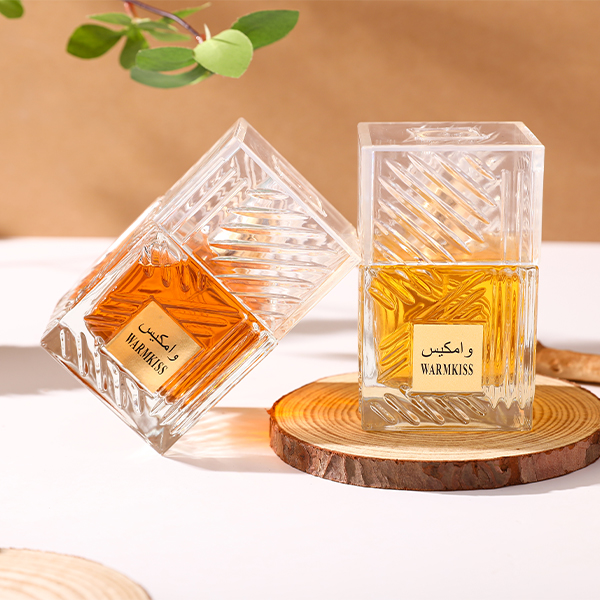
- Perfume oils and Attar
- Bakhour and related home fragrance
The market also has a strong dual structure. International luxury perfume brands coexist with regional fragrance houses and concentrated perfume oil products.
This creates opportunities for Middle East perfume OEM manufacturers that can develop both Western-style perfume products and fragrances incorporating regional preferences.
For Aili, this means considering fragrance concentration, longevity, packaging, scent intensity and product format during development rather than simply exporting the same perfume portfolio used in another market.
Asia Pacific: A Major Growth Engine for Fragrance
Asia Pacific is one of the most important emerging areas for the global fragrance industry, with China and Southeast Asia representing particularly interesting markets.
China: From Low Penetration to Rapid Fragrance Development
Compared with mature Western fragrance markets, China’s perfume penetration remains relatively lower, but fragrance consumption is developing rapidly as consumers increasingly connect perfume with self-expression, lifestyle and emotional value.
Many consumers show interest in relatively subtle fragrance profiles, including:
- Tea and oriental-inspired accords
- Citrus
- White florals
- Soft woods
- Clean musk
- Skin-scent concepts
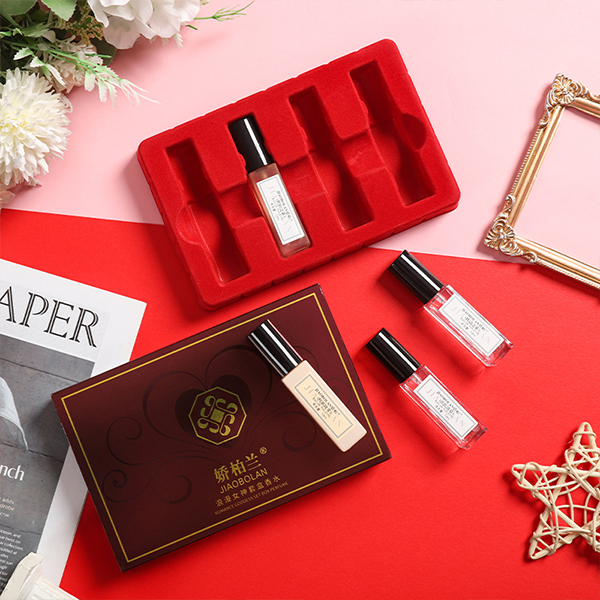
Smaller bottles, discovery sets and portable formats can also support trial and repeat purchases.
For a China perfume manufacturer, the domestic market is therefore not simply a production base. It is also an important testing ground for new fragrance concepts and consumer preferences.
Southeast Asia: Climate Shapes Product Preferences
Southeast Asia—including Indonesia, Vietnam, Thailand, Malaysia and the Philippines—presents a different opportunity.
Hot and humid conditions can increase demand for fresh, clean and easy-to-reapply fragrance products. Citrus, aquatic, fruity, floral, herbal and cooling profiles are therefore relevant to many consumer segments.
Product formats can include:
- Body mist
- Eau de Toilette
- Roll-on perfume
- Portable perfume
- Fragrance oils
- Fresh citrus and aquatic fragrances
Indonesia and Malaysia also require manufacturers to pay close attention to halal-related requirements and consumer expectations. Importantly, halal does not automatically mean alcohol-free; product development should consider the actual formulation, ingredient sources and applicable certification requirements.
Latin America: High-Frequency Fragrance Consumption and Mass-Market Opportunity
Latin America, particularly Brazil, Mexico and Argentina, is another important fragrance region.
Brazil stands out for its strong personal-care and fragrance culture. Consumers can use perfume and body fragrance products frequently, creating opportunities for both mainstream perfumes and affordable fragrance formats.
Fresh floral, fruity and energetic fragrance profiles have broad commercial potential, while local beauty companies have helped create a highly competitive fragrance market.
For Chinese suppliers, Latin America can be attractive for cost-effective perfume OEM, body mist, private label fragrance and high-volume consumer products.
The key is to balance fragrance appeal, product performance, packaging and retail price.
Global Perfume Markets at a Glance
| Market | Main Demand Driver | Typical Fragrance Direction | Common Product Formats | Key Considerations |
| Europe | Fragrance culture and individuality | Niche, woody, floral, leather | EDP, premium perfume | EU cosmetics compliance, CPNP, IFRA |
| North America | Brand, trends and social commerce | Gourmand, fruity, floral, woody | EDP, EDT, body mist | U.S. cosmetics requirements, IFRA |
| Middle East | Culture, hospitality and personal presentation | Oud, amber, rose, musk | Parfum, Attar, perfume oil | Local regulations, halal-related requirements |
| Southeast Asia | Climate and frequent fragrance use | Citrus, aquatic, floral, herbal | Body mist, EDT, roll-on | Humidity stability, local requirements |
| China | Self-expression and emotional value | Tea, clean musk, soft woods | Small bottles, discovery sets | NMPA requirements |
| Latin America | Personal care and high-frequency use | Floral, fruity, fresh | Perfume, body mist | Price-performance and local regulations |
What These Markets Mean for Perfume OEM and ODM Buyers
The biggest mistake in international perfume sourcing is treating the global market as one homogeneous market.
A fragrance that performs well in Dubai may not have the same positioning in Shanghai. A heavy oud perfume designed for the Gulf may require a completely different marketing concept from a light aquatic body mist developed for Southeast Asia.
This is why Aili approaches perfume OEM and ODM manufacturing from a regional perspective.
Our fragrance development can consider the target market, fragrance direction, concentration, bottle size, packaging, price positioning and intended consumer group. Our broader supply chain also covers perfume bottles, pumps, caps, boxes and other packaging components, allowing buyers to develop a complete product rather than purchasing fragrance liquid alone.
Why Regional Market Knowledge Matters to Aili Cosmetics
As a perfume manufacturer with more than 30 years of cosmetics manufacturing experience, Aili has developed products for customers in more than 100 countries and regions.
Our manufacturing capabilities include perfume R&D, OEM/ODM, private label production, packaging coordination, quality control and international order support.
We also work with fragrance materials from major international fragrance suppliers, including Givaudan, Robertet and Symrise, giving our development teams access to a broad range of fragrance directions and raw-material options.
The purpose is not to make every market use the same fragrance.
It is to help customers create the right fragrance product for the right market.
Frequently Asked Questions
1. What are the world’s main perfume consumption markets?
The major markets can be grouped into Europe, North America, the Middle East, Asia Pacific and Latin America. Europe, North America and the Middle East are mature fragrance markets, while Asia Pacific and Latin America provide significant growth opportunities.
2. Which region has the strongest perfume culture?
Europe and the Middle East both have particularly strong and distinctive fragrance cultures, although consumer behavior differs substantially between the two regions.
3. What perfumes are popular in the Middle East?
Oud, rose, amber, musk, saffron, woody fragrances and concentrated perfume formats such as Attar are important segments in the Middle Eastern fragrance market.
4. What perfume products are suitable for Southeast Asia?
Fresh citrus, aquatic, floral and fruity fragrances are relevant to many Southeast Asian consumers. Body mist, EDT, roll-on and other portable formats can also be suitable for hot and humid conditions.
5. Is China an important future perfume market?
China is an important emerging fragrance market. Increasing interest in self-expression, lifestyle and emotional consumption is creating opportunities for domestic and international perfume brands.
6. Why is Latin America attractive to perfume manufacturers?
Latin America has strong personal-care and fragrance consumption, particularly in Brazil. The market offers opportunities for mainstream perfume, body mist and cost-effective private label fragrance products.
7. Do different countries require different perfume products?
Often, yes. Climate, culture, fragrance preferences, purchasing power, product formats and regulations can vary significantly between markets. Regional product adaptation can therefore be important.
8. Can Aili Cosmetics develop perfumes for different international markets?
Yes. Aili provides perfume OEM/ODM and private label services and can develop products according to the target market, fragrance direction, concentration, packaging and commercial positioning.
Conclusion: The Global Perfume Market Is Diverse, Not One Market
The global perfume industry is no longer a simple competition between a few traditional fragrance countries.
Europe represents mature fragrance culture and premium positioning; North America combines enormous commercial demand with rapidly changing trends; the Middle East offers strong fragrance culture and high-value opportunities; Asia Pacific provides major growth potential; and Latin America represents an important high-frequency mass-market fragrance region.
For perfume brands and distributors, the key question is therefore not simply “Where is perfume popular?” but rather “What kind of perfume does each market want, in which format, at what price and with what regulatory requirements?”
As a Chinese perfume OEM/ODM manufacturer, Aili Cosmetics approaches international fragrance development from this perspective. By combining fragrance R&D, manufacturing, packaging integration and international customer support, we aim to help brands transform regional market insights into commercially viable perfume products.
For us, successful global perfume manufacturing starts with a simple principle: understand the market first, then make the product.