

Why Dubai Matters to the Global Fragrance Trade
Discover how Dubai connects fragrance trade across the Middle East, Africa, South Asia, and Central Asia, and how Aili Cosmetics supports perfume wholesalers and private-label OEM manufacturing servcie buyers.
À Shandong Aili Cosmétiques S.A.R.L., nous pensons que la véritable essence d’un parfum réside dans son odeur, sa qualité et l’émotion qu’il suscite — et non dans les marges bénéficiaires déterminées uniquement par le prestige de la marque. Depuis trop longtemps, les parfums de grande qualité sont considérés comme des produits de luxe exclusifs. Nous avons une vision différente du parfum : c’est une forme d’expression de soi et de bien-être personnel au quotidien qui devrait être accessible à tous, sans difficulté.
Notre objectif va bien au-delà de la simple réduction des coûts de production. Forts de plusieurs décennies d’expertise en fabrication, d’une chaîne d’approvisionnement intégrée et d’un contrôle qualité sans compromis, nous comblons le fossé entre la création de parfums haut de gamme et l’accessibilité au quotidien. Nous ne cherchons pas à concurrencer le luxe, mais à rehausser la valeur. En proposant une qualité irréprochable à un prix juste, Shandong Aili permet à ses partenaires et consommateurs du monde entier de découvrir l’art de la parfumerie fine comme un plaisir quotidien, plutôt que comme un luxe réservé à quelques privilégiés.
For perfume manufacturers and international distributors, Dubai offers more than access to the UAE’s domestic fragrance market. Its strategic location, international logistics connections, established wholesale networks, and free-zone infrastructure make it an important base for businesses trading across the Middle East and beyond.
À Shandong Aili Cosmetics Co. Ltd., we see Dubai as a valuable market for developing relationships with perfume importers, wholesalers, regional distributors, and private-label brands. A well-connected trading partner in the UAE may serve customers across several countries, allowing a manufacturer to develop broader commercial relationships without establishing a separate sales operation in every destination.
However, Dubai is not a shortcut around every country’s import requirements. Its real advantage is the combination of logistics, trade networks, inventory management, and regional market knowledge.
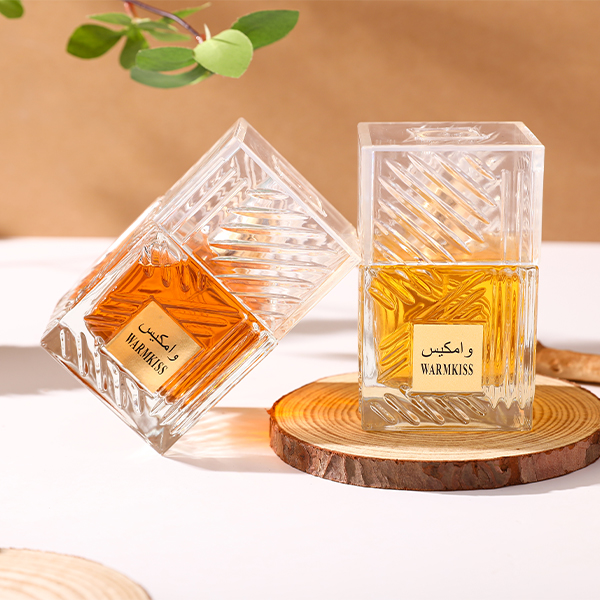
1. Strategic Geography Connects Multiple Fragrance Markets
The UAE sits at the intersection of major trade routes linking Asia, the Middle East, Africa, and Europe. Dubai’s commercial infrastructure helps international businesses coordinate sourcing, storage, distribution, and re-export activities.
Jebel Ali Port, Dubai’s international airports, and the surrounding logistics ecosystem provide options for sea freight, air freight, and multimodal transportation. These connections are particularly relevant for fragrance distributors handling products from China and supplying multiple international markets.
For fragrance businesses, potential destination markets include:
GCC countries: Saudi Arabia, Kuwait, Qatar, Bahrain, and Oman, alongside the UAE itself.
North Africa: Markets such as Egypt, Algeria, and Morocco.
East Africa: Countries including Kenya and Tanzania.
South Asia: India, Pakistan, and Bangladesh.
Central Asia: Markets such as Kazakhstan and Uzbekistan.
These destinations differ significantly in demand, purchasing power, import rules, and distribution structures. A Dubai-based trading company may have established customer relationships in some of them, but its actual reach depends on its network and operational capabilities.
For a Chinese perfume manufacturer, the practical opportunity is to work with qualified distributors that already understand their destination markets.
2. Re-Export Trading Can Simplify Distribution Planning
Entering several countries independently can require separate distributor searches, shipping arrangements, commercial negotiations, and compliance assessments. A capable UAE trading partner may help coordinate some of these activities through an existing regional distribution network.
For example, a Dubai wholesaler serving several African markets may consolidate purchasing from a Chinese supplier and distribute products according to customer demand. A distributor with regional warehousing can also maintain selected inventory, helping downstream retailers replenish popular products without waiting for every shipment to arrive directly from China.
This model can benefit different participants:
| Participant | Avantage potentiel |
| Chinese manufacturer | Access to established trading relationships and consolidated orders |
| UAE wholesaler | Flexible sourcing and inventory management |
| Regional distributor | Access to selected products through an existing supply channel |
| Local retailer | More convenient replenishment and a broader product selection |
Nevertheless, re-export does not automatically eliminate destination-country customs procedures, duties, product registration, labeling, or safety requirements. Importers and distributors must verify the rules applicable to each shipment and market.
For Aili Cosmetics, this makes the quality of the trading partner particularly important. We encourage buyers to clarify their destination markets, expected volumes, documentation needs, and distribution arrangements before production begins.
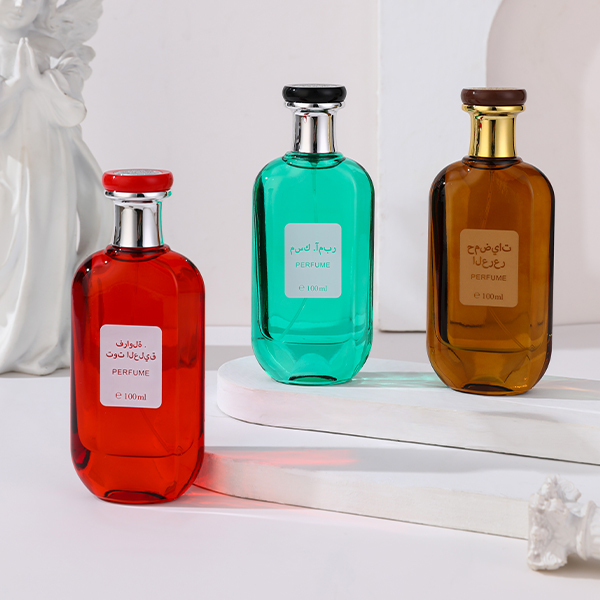
3. Dubai’s Wholesale Ecosystem Creates B2B Opportunities
Dubai has an established fragrance retail and wholesale ecosystem. Areas such as Deira are known for perfume trading, while Jebel Ali Free Zone (JAFZA) provides infrastructure for a broad range of international trading and logistics activities.
These business environments serve different needs. Traditional wholesale districts can be useful for meeting traders, understanding product positioning, and exploring distribution relationships. Logistics and free-zone facilities may be more relevant for companies managing larger inventories, international shipments, or regional distribution operations.
For perfume manufacturers, potential customers include:
Importers sourcing perfumes for local distribution.
Wholesalers supplying retailers in multiple countries.
Trading companies consolidating products from several manufacturers.
Private-label businesses developing their own fragrance collections.
Distributors seeking complementary products such as body mists and home fragrances.
The size and purchasing frequency of each buyer will vary. Rather than assuming every Dubai customer places container-sized orders, manufacturers should qualify prospective partners by annual demand, target markets, payment terms, and actual sales channels.
4. Order Consolidation, Inventory, and Cash Flow
Regional wholesalers may purchase larger quantities than individual retailers because they serve multiple downstream customers. In suitable cases, consolidated purchasing can reduce per-unit freight costs and simplify supply planning.
For example, a distributor might combine several perfume styles, bottle sizes, or complementary fragrance products in one shipment, subject to container capacity, product compatibility, and transport requirements. Established products may be replenished more frequently, while customized collections usually require additional planning for samples, packaging, and production.
Payment arrangements should be evaluated independently of a buyer’s location. Telegraphic transfer (T/T) deposits and balance payments before shipment are possible commercial structures, but terms depend on negotiation, creditworthiness, order history, and the parties’ risk tolerance.
At Aili Cosmetics, we recommend that new buyers and suppliers establish clear arrangements covering deposits, production milestones, inspection, shipping documents, and outstanding balances. A strong distribution opportunity is most valuable when supported by sound credit management and predictable delivery.

5. Free Zones and the Benefits of Regional Inventory
Dubai’s free zones can support international trade by providing designated facilities for importing, storing, handling, and re-exporting goods under applicable customs arrangements.
For qualifying transactions, goods kept within a free zone may benefit from customs-duty suspension or other specific treatment while they remain under the relevant regime. This should not be interpreted as a universal exemption from all duties or value-added tax. The treatment depends on the goods, transaction, movement into the UAE mainland, and applicable tax and customs rules.
For fragrance distributors, regional inventory can provide another commercial advantage. Keeping selected products in a UAE warehouse may shorten replenishment times for nearby customers and help distributors respond to demand changes.
A practical inventory strategy could include:
Keeping proven, fast-moving fragrances in stock.
Producing customized labels and packaging against confirmed demand.
Reviewing sales performance before expanding the range.
Setting minimum stock levels for core products.
Coordinating replenishment with the manufacturer’s production schedule.
Alcohol-based perfumes also require appropriate storage, handling, and transport arrangements. Buyers should confirm the applicable dangerous-goods classification, packaging, and carrier requirements rather than treating perfume shipments as ordinary general cargo.
6. How Aili Cosmetics Can Support Dubai-Based Buyers
Shandong Aili Cosmetics has more than 30 years of fragrance manufacturing experience and supports discussions around perfume OEM, private-label development, and related fragrance products. Our reported perfume production capacity exceeds 300,000 bottles per day, depending on product specifications, packaging requirements, and production schedules.
For buyers using Dubai as a sourcing or distribution base, we can discuss several practical areas.
Product range: Buyers can explore EDP perfumes, affordable luxury collections, body mists, and selected home-fragrance products according to their customer segments.
Packaging and customization: Bottle specifications, labels, cartons, and fragrance direction can be planned around the buyer’s brand positioning and destination markets.
Production planning: Clear forecasts, agreed specifications, and realistic lead times help coordinate factory production with regional inventory requirements.
Export documentation: Requirements should be confirmed according to the product, transport method, and destination. Buyers may need safety information, ingredient documentation, labeling details, and appropriate shipping documents.
Our objective is to help buyers establish a dependable supply relationship that connects factory production with the realities of wholesale distribution.
7. A Practical Strategy for Developing Dubai’s Re-Export Market
For manufacturers entering Dubai, we recommend focusing on three priorities.
First, identify buyers by business model. A domestic retailer, a regional wholesaler, and a private-label importer have different product, volume, and service requirements.
Second, start with a commercially focused product assortment. Established scent profiles and accessible price points can provide a useful starting point, while differentiated fragrances and customized packaging can help buyers develop their own brands.
Third, assess the full transaction before accepting an order. This includes buyer verification, destination-country requirements, payment arrangements, product documentation, freight costs, and expected margins.
A successful Dubai partnership should not depend solely on the possibility of one large order. Consistent replenishment, transparent communication, and reliable product quality are more sustainable foundations for long-term growth.

Foire aux questions
1. Why is Dubai important for international perfume distribution?
Dubai combines international logistics connections, established trading networks, wholesale activity, and free-zone infrastructure. These features can help distributors coordinate sourcing and re-export operations across multiple markets.
2. Can a Dubai wholesaler distribute perfumes to Africa and South Asia?
Potentially, yes. Some trading companies have established networks serving customers in these regions. Buyers should verify each partner’s actual distribution coverage and confirm the import requirements of every destination country.
3. Does re-exporting perfume through Dubai eliminate import duties?
No. Free-zone customs treatment depends on the transaction and the applicable regime. Goods entering another country remain subject to that destination’s relevant customs, tax, and product requirements.
4. Do Dubai perfume wholesalers usually place container-sized orders?
Some established wholesalers may purchase in substantial volumes, particularly when serving multiple markets. Order sizes vary widely, so manufacturers should qualify buyers using their sales channels, purchasing history, and realistic forecasts.
5. What perfume products are suitable for Dubai-based distributors?
Potential options include EDP perfumes, affordable luxury collections, body mists, and selected home-fragrance products. The right assortment depends on the distributor’s destination markets, customer profiles, and price positioning.
6. Can Aili Cosmetics manufacture private-label perfumes for UAE buyers?
Aili Cosmetics supports discussions for perfume OEM and private-label projects, including fragrance direction and packaging coordination. Minimum order quantities, customization scope, lead times, and documentation should be confirmed for each project.
7. What should buyers consider when storing or shipping perfume through Dubai?
Buyers should check storage conditions, packaging integrity, transport classification, carrier requirements, customs procedures, and destination-specific documentation. Alcohol-based perfumes may be subject to dangerous-goods transport rules.
8. How can a manufacturer reduce payment risk when working with a new Dubai buyer?
Verify the business, assess its trading history, agree on written payment terms, and establish clear production and inspection milestones. Payment structures should reflect the transaction’s risk rather than assumptions about the buyer’s location.
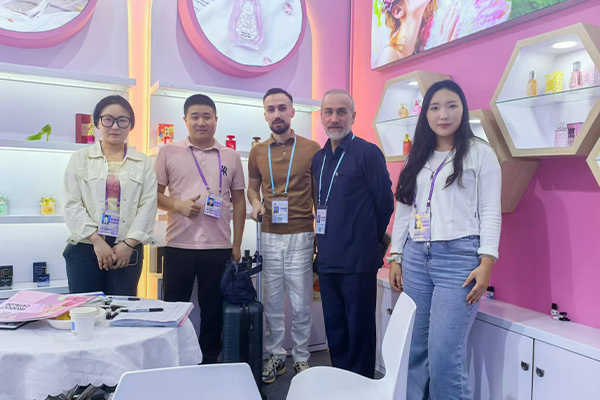
Conclusion
Dubai’s value to the global fragrance industry lies in its ability to connect manufacturers, wholesalers, distributors, and destination markets through an established trading and logistics ecosystem. For perfume manufacturers, the opportunity is not simply to sell products in the UAE, but to identify qualified partners that can build sustainable distribution across multiple countries.
À Shandong Aili Cosmétiques, we believe that reliable manufacturing, well-planned product ranges, and disciplined export coordination are essential to making this model work. By combining our fragrance production experience with the market knowledge of UAE-based trading partners, we aim to support international buyers in developing competitive perfume collections and building long-term supply relationships.