
What Is the Difference Between Body Mist and Perfume?
Discover the differences between body mist and perfume, including fragrance concentration, longevity, ingredients, usage and pricing. Explore body mist & perfume OEM/ODM manufacturing solutions de Shandong Aili Cosméticos.
Body mist and perfume are both fragrance products designed to enhance personal scent, but they differ in formulation, fragrance intensity, typical usage and market positioning. Body mist is generally lighter and designed for generous, casual application, while perfume is often formulated for a more concentrated and distinctive fragrance experience.
Em Shandong Aili Cosmetics Co., Ltd., we view body mist and traditional perfume as complementary products rather than direct substitutes. Body mist can serve consumers looking for an affordable everyday fragrance, while eau de toilette and eau de parfum offer different levels of intensity and product positioning. For fragrance brands, offering both formats can help reach different customers and create a more complete product collection.
The main differences involve fragrance concentration, wear performance, formulation, packaging and price. However, there is no single global formula that defines every body mist or perfume, so product specifications should always be evaluated individually.

1. Body Mist vs. Perfume: Understanding the Main Differences
| Comparison | Body Mist / Body Spray | Traditional Perfume |
| Concentração da fragrância | Often relatively low; some products contain around 1–3% fragrance, depending on the formula | Varies by category; EDT, EDP and Parfum generally represent progressively more concentrated formats |
| Fragrance intensity | Usually light and casual | Can range from subtle to rich and intense |
| Typical wear time | Often around 1–3 hours, but varies considerably | May last several hours or longer, depending on formulation and application |
| Desenvolvimento de fragrâncias | Often emphasizes a straightforward scent impression | May feature a more elaborate evolution from opening to dry-down |
| Candidatura | Often applied more generously | Usually applied more selectively |
| Embalagem | Commonly sold in larger bottles | Often sold in smaller bottles with premium packaging |
| Market positioning | Everyday freshness and accessible fragrance | Personal expression, signature scents and premium fragrance experiences |
These figures are indicative rather than universal standards. Some body mists last longer than expected, while certain perfumes have relatively soft projection or limited longevity.
Fragrance Concentration: Is More Always Better?
Fragrance concentration refers to the proportion of fragrance materials in a finished product. Body mists often use a lower fragrance concentration, while traditional perfumes may contain a higher proportion.
Common industry descriptions include:
Eau de Cologne (EDC): Often associated with lighter fragrance concentrations.
Eau de Toilette (EDT): Commonly positioned as a lighter everyday perfume.
Eau de Parfum (EDP): Often offers a more concentrated fragrance experience.
Parfum or Extrait de Parfum: Generally positioned at the more concentrated end of the market.
These categories do not have universally fixed concentration ranges across all brands. More fragrance oil also does not automatically mean better quality, stronger projection or longer wear. The fragrance materials, formula balance and intended performance all matter.
2. Fragrance Longevity and Scent Structure
Body mist is often designed around a clear, accessible scent profile. Popular choices include fruity, floral, vanilla, fresh citrus and aquatic accords. These profiles can create an immediate impression of freshness without feeling overly formal.
Traditional perfume may use a more elaborate fragrance structure, with distinct opening, heart and base notes. For example, a fruity opening may develop into rose or jasmine before settling into musk, amber or woods.
However, both formats can use top, heart and base notes. A body mist is not necessarily linear, and a perfume is not automatically complex simply because it has a higher concentration.
Longevity depends on several factors:
The volatility of the fragrance materials.
The overall formulation and fragrance concentration.
Skin type, application method and environmental conditions.
The interaction between the fragrance formula and the product’s base.
Citrus and other highly volatile notes often become less noticeable relatively quickly. Woody, musky and resinous materials may contribute to a longer-lasting dry-down, although the complete formula determines the final result.

3. Ingredients, Solvents and Application
Many body mists use alcohol-based formulas, while others incorporate more water or additional conditioning ingredients. Traditional perfumes also commonly use alcohol as a carrier to dissolve and distribute fragrance materials.
It is therefore inaccurate to assume that all body mists are water-based or that all perfumes contain only high-purity ethanol. Formulation depends on the product type, fragrance compatibility, desired sensory experience and applicable cosmetic requirements.
Consumers should follow the product’s directions rather than assuming every fragrance is suitable for every application. A body mist should only be sprayed onto hair or clothing when its formulation and labeling support that use. Alcohol-based products should be kept away from flames until the spray has dried, and fragranced products may irritate sensitive skin.
For manufacturers, developing a body mist involves more than simply diluting an existing perfume. The formula needs to be evaluated for stability, spray performance, scent balance, packaging compatibility and intended use.
4. Price, Packaging and Consumer Positioning
Body mist is often sold in larger bottles and positioned as an accessible, frequently used product. Its appeal comes from convenience, a lighter fragrance experience and the freedom to reapply throughout the day.
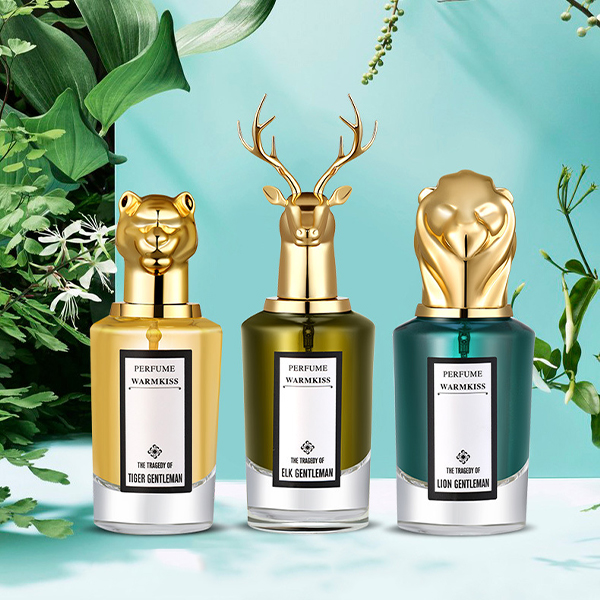
Traditional perfume generally places greater emphasis on fragrance identity, presentation and the overall brand experience. Smaller bottle formats, premium caps, glass packaging and decorative outer boxes can support higher retail positioning, although packaging costs and brand value vary widely.
For fragrance businesses, these differences create opportunities to serve multiple price segments. A brand might launch a 200 ml fruity body mist for everyday use alongside a 50 ml EDP with a more developed floral or woody composition.
At Shandong Aili Cosmetics, we believe packaging and formulation should reflect the intended consumer and retail price rather than simply making a product look more expensive.
5. Can Body Mist and Perfume Be Used Together?
Yes. Using complementary fragrance products together is commonly called fragrance layering. A consumer might apply a body mist first and then use a matching or compatible perfume on selected areas.
For example, a light pear-and-floral body mist can be paired with a related fruity-floral perfume, while a clean musk mist may complement a soft woody fragrance.
Layering can create a more personalized scent experience, but it does not guarantee longer-lasting fragrance. The result depends on the formulas and how they interact. Strongly contrasting scents may also produce an unbalanced result, so testing small amounts first is sensible.
For brands, coordinated body mist, body lotion and perfume collections can encourage cross-selling and give consumers more ways to enjoy a recognizable fragrance identity.
6. Body Mist and Perfume OEM/ODM at Shandong Aili Cosmetics
At Shandong Aili Cosmetics, we support fragrance businesses seeking OEM, ODM and private-label product development. With more than 30 years of manufacturing experience, we understand the importance of aligning fragrance selection, product format, packaging and target-market positioning.
For buyers considering body mist or perfume, our project discussions can cover:
Fragrance direction: Fruity, floral, fresh, gourmand, woody or other scent profiles.
Posicionamento do produto: Everyday body mist, signature perfume, gift collections or coordinated fragrance ranges.
Packaging coordination: Bottle format, spray components, labels and outer packaging.
Sample evaluation: Reviewing scent character, application experience, stability and suitability for the intended market.
We also manufacture related fragrance and consumer-care products, including reed diffusers and selected personal-care and home-care products. This broader product scope can provide opportunities for buyers looking to develop complementary product categories through one manufacturing partner.
Our advice is to define the intended use and target price before finalizing a formula. A successful body mist should not simply be a weaker version of an EDP; it should deliver an appropriate fragrance experience for its own audience and purpose.

Perguntas Frequentes
1. Is body mist the same as perfume?
No. Both provide fragrance, but body mist is generally lighter and designed for more generous application, while traditional perfume often emphasizes fragrance intensity and a more developed scent experience.
2. How long does body mist last compared with perfume?
Body mist often lasts around one to three hours, while many perfumes can remain noticeable for several hours or longer. Actual performance varies by formula, concentration, skin and environment.
3. What is the difference between body mist and eau de parfum?
Eau de parfum is generally more concentrated than body mist and is often designed to provide a more pronounced or persistent fragrance experience. Exact concentrations and performance vary between products.
4. Can body mist be used every day?
Many body mists are designed for everyday use. Consumers should follow the product label, avoid irritated skin and discontinue use if irritation occurs.
5. Can body mist be sprayed on clothes or hair?
Only when the product is suitable for that application. Some formulas may stain fabrics, affect delicate materials or be unsuitable for hair, so consumers should check the instructions first.
6. Does higher fragrance concentration guarantee longer-lasting perfume?
No. Concentration is one factor among several. Ingredient volatility, formula design, application and environmental conditions also influence longevity.
7. Can a brand develop both body mist and perfume under a private label?
Yes. An OEM/ODM project can explore complementary product formats, provided each formula is developed and evaluated for its intended use, packaging and target market.
8. What should buyers consider when sourcing body mist from a manufacturer?
Buyers should assess fragrance quality, spray performance, stability, packaging compatibility, product documentation, minimum order quantities and destination-market compliance. Sample approval and clear product specifications are important before mass production.

Conclusão
Body mist and traditional perfume share the same broad purpose—providing a personal fragrance experience—but serve different needs. Body mist typically emphasizes lightness, convenience and accessible everyday use, while perfume often focuses on fragrance depth, identity and a more concentrated format.
For brands, these products can complement each other within a well-planned fragrance portfolio. At Shandong Aili Cosmetics, we believe that successful product development starts with understanding the target consumer and designing the formula, packaging and positioning around that need. With thoughtful OEM/ODM planning, businesses can build fragrance collections that balance consumer appeal with commercial practicality.