
Introduction
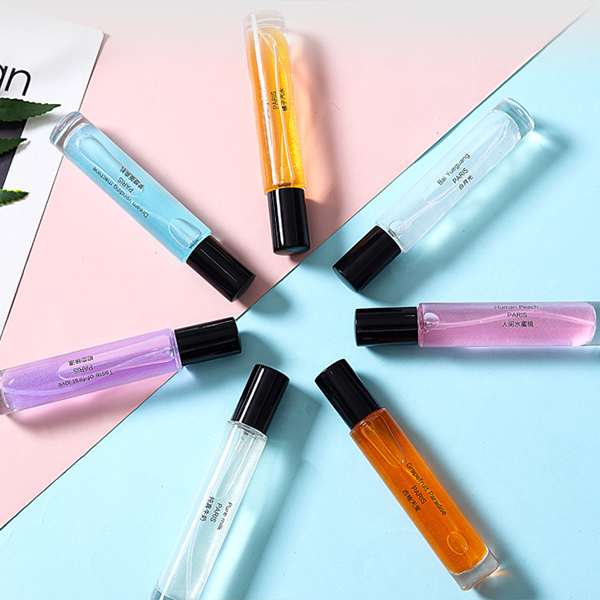
Compare 欧洲的 和 South American perfume fragrance markets across fragrance preferences, product formats, packaging, distribution channels and cosmetic regulations. Explore practical perfume fragrance OEM/ODM opportunities with 山东爱丽化妆品.
欧洲 和 South Amhttps://www.ailiperfume.com/latin-america-perfume-market-body-mist-floral-fragrances-opportunities-for-aili-cosmetics/erica represent two distinct but commercially important regions in the global fragrance industry. Europe is home to established perfume houses, luxury brands, independent niche perfumers and sophisticated beauty retailers. South America, particularly Brazil, has a strong everyday fragrance culture, substantial demand for body fragrances and large domestic beauty companies supported by extensive retail and direct-selling networks.
对于 Chinese perfume fragrance manufacturers and international buyers, the differences extend beyond fragrance preferences. Product concentration, bottle capacity, packaging costs, distribution models and regulatory procedures all influence product development and sourcing decisions.
在 山东爱丽化妆品有限公司., we view these markets as different product-development environments rather than simply high-price and low-price destinations. Understanding their actual requirements helps brands select suitable perfume formats, packaging components and OEM/ODM solutions.
1. Key Differences Between European and South American Perfume Markets
| Comparison | European Market | South American Market |
| Market structure | Mature, multi-tiered and internationally competitive | Strong domestic brands, regional differences and growing imported-product segments |
| Main consumption occasions | Personal expression, social occasions and seasonal fragrance use | Daily grooming, after-bath use and frequent personal fragrance application |
| Fragrance preferences | Broad range of citrus, floral, woody, chypre, gourmand and niche compositions | Fresh, citrus, fruity, floral and sweet profiles, alongside growing interest in richer oriental styles |
| Common product formats | EDT, EDP, extrait, discovery sets and refillable products | Deo Colônia, body splash, EDP, body mist and fragrance sets |
| Typical packaging | 30ml, 50ml and 100ml glass bottles, with travel and discovery formats | 100ml bottles and larger 150ml–300ml formats in selected everyday fragrance categories |
| Commercial priorities | Formula quality, brand positioning, compliance and packaging design | Product accessibility, repeat purchase, capacity, packaging cost and local distribution |
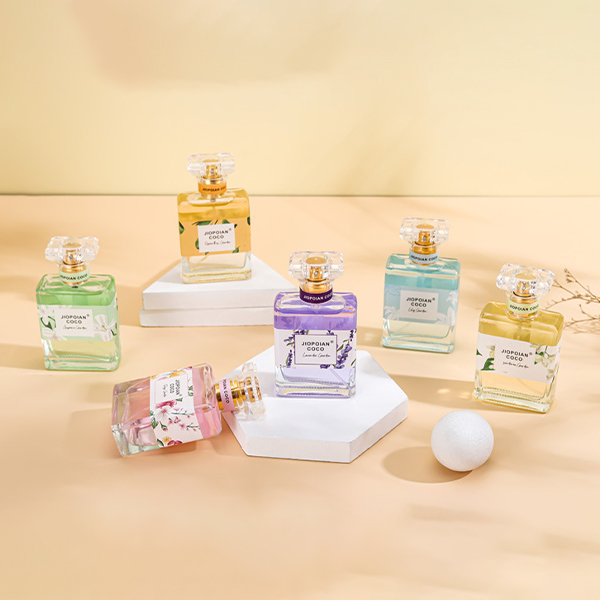
These are broad market tendencies, not universal rules. European consumers also purchase affordable body sprays, while South American buyers include premium fragrance collectors and niche perfume customers.
2. Fragrance Preferences and Consumer Behaviour
Europe: Fragrance Diversity, Composition and Brand Identity
European perfume consumption is shaped by a long-established fragrance industry and a diverse retail environment. France, Italy, Germany and the United Kingdom each contain different consumer segments, from designer fragrances and traditional eau de toilette to independent niche brands.
Consumers may evaluate a perfume through its opening notes, heart development, dry-down, projection and overall balance. Citrus, aromatic, floral, woody, amber, gourmand and musky compositions all have established audiences. Interest in skin scents, modern woody accords and distinctive niche compositions also creates opportunities for differentiated product development.
For OEM buyers, fragrance quality is not simply a question of concentration or lasting time. The relationship between the fragrance concentrate, alcohol base and finished formula matters. A perfume should be evaluated after formulation, including its scent development, clarity, stability and compatibility with the bottle and spray components.
South America: Everyday Fragrance and Larger Product Formats
South America has a particularly strong everyday fragrance culture. Brazil is especially important, with products such as Deo Colônia and body splash forming recognizable parts of the personal-care market.
Many consumers use fragrance after bathing, before work or throughout the day. This creates demand for products that are comfortable to apply frequently and practical for regular replenishment. Fresh citrus, fruity, floral and sweet compositions are commercially relevant, although preferences vary by country, climate, age group and brand positioning.
Larger bottles can be important in everyday fragrance categories. Formats of 150ml, 200ml or 250ml may be suitable for selected body splash and cologne products, while premium EDP products often use more conventional capacities.
Another development is the growing visibility of concentrated oriental-style fragrances, including oud, amber, vanilla and warm woody profiles. Their popularity should be assessed by individual country and sales channel rather than treated as a uniform regional trend.
3. Product Formats and Packaging Requirements
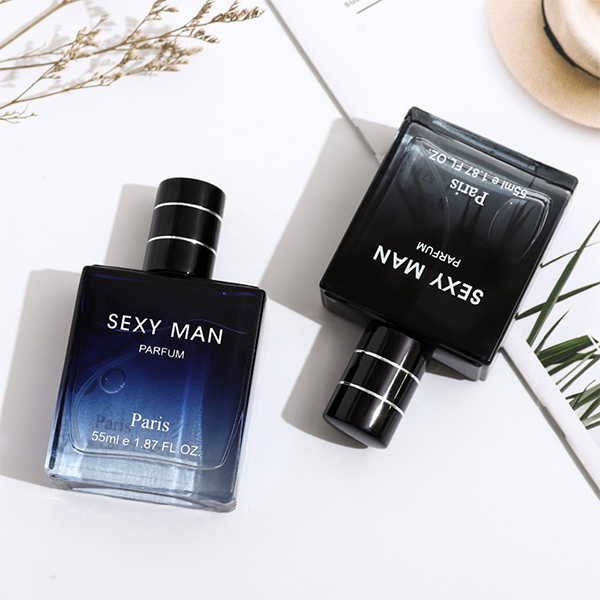
The contrast between European and South American product formats has direct implications for perfume OEM manufacturing.
| Product detail | European market | South American market |
| Fine fragrance | 30ml, 50ml and 100ml EDP or EDT | 50ml and 100ml EDP, depending on positioning |
| Everyday fragrance | EDT, body mist and selected affordable sprays | Deo Colônia and body splash, including larger capacities |
| Sampling | Discovery sets, miniature spray bottles and travel atomizers | Smaller sprays and promotional sets for selected channels |
| Bottle materials | Glass is common in fine fragrance; refill systems are relevant in some segments | Glass for many perfumes; lightweight plastic packaging may suit selected body splash products |
| 外包装 | Folding cartons, rigid gift boxes and restrained decorative finishes | Cost-conscious cartons and practical protective packaging, with more expressive designs in selected ranges |
For European buyers, packaging development may involve glass clarity, surface finishing, accurate printing, cap fit, spray-pump performance and carton recyclability. Refillable designs can also be relevant, although demand differs by brand and retail segment.
For South American buyers, bottle capacity and cost per unit may have greater influence in high-volume everyday categories. A 200ml body splash bottle requires different material planning from a 50ml glass EDP bottle. The bottle wall, shoulder structure, base thickness, pump or sprayer, cap and carton dimensions all affect product cost and shipping efficiency.
We believe packaging should be designed around the actual product and distribution model, rather than using one bottle design for every market.
4. Distribution Channels and Competitive Structure
Europe has a broad and fragmented retail ecosystem. International beauty chains such as Sephora and Douglas operate alongside department stores, pharmacy and drugstore retailers such as Boots, dm and Rossmann, independent perfume shops and direct-to-consumer websites.
This creates opportunities for different product tiers, but buyers must consider national language requirements, retailer specifications, local competition and brand positioning.
South America has a different competitive structure. Brazil has influential domestic beauty companies, including Grupo Boticário and Natura, whose retail, consultant and direct-selling networks are important to the market. Online platforms such as Mercado Libre and Shopee also provide routes to consumers for independent brands and importers.
However, online marketplaces do not eliminate the need for local product compliance, import planning or reliable distribution. In countries such as Brazil, local partnerships and regulatory preparation can be important parts of market entry.
5. Regulatory Requirements: Europe and South America
Regulatory compliance is a major difference between the two regions.
European Union: Cosmetics Regulation (EC) No 1223/2009 requires an EU-established Responsible Person for products placed on the EU market. The compliance framework includes a Cosmetic Product Safety Report (CPSR), Product Information File (PIF), appropriate labeling and notification through the Cosmetic Products Notification Portal (CPNP). These responsibilities must be addressed before market placement.
Fragrance allergen labeling has also been expanded under Regulation (EU) 2023/1545. Since July 31, 2026, products newly placed on the EU market must comply with the updated requirements. Qualifying products already placed on the market before that date may continue to be made available until July 31, 2028, subject to the transition conditions.
South America: Brazil’s ANVISA regulates cosmetics and perfumes under a classification and regularization framework that includes different procedures for Grau 1 and Grau 2 products. Ordinary perfumes and colognes generally fall under the lower-risk category, but classification depends on product characteristics and claims. Not every perfume requires the same formal registration procedure. Local companies responsible for regularization must meet applicable authorization and documentation requirements.
Other South American countries have their own regulatory procedures. Colombia, Chile and Peru, for example, require buyers to assess the relevant national or regional sanitary notification and import requirements. Spanish- or Portuguese-language labeling should be planned for the destination market.
For manufacturers, the practical approach is to confirm the product category, formula, claims, responsible local business and labeling requirements before finalizing mass production.
6. OEM/ODM Opportunities for Perfume Manufacturers
The two regions require different sourcing strategies.
For Europe, buyers may prioritize fragrance development, formula consistency, packaging precision, documentation and the ability to produce different product tiers. A manufacturer should understand how the fragrance formula interacts with glass bottles, pumps, caps and decorative finishes.
For South America, a broader product portfolio can be commercially useful. A brand may combine a 50ml or 100ml EDP range with 200ml body splash or Deo Colônia products. This approach serves different usage occasions without relying on a single fragrance format.
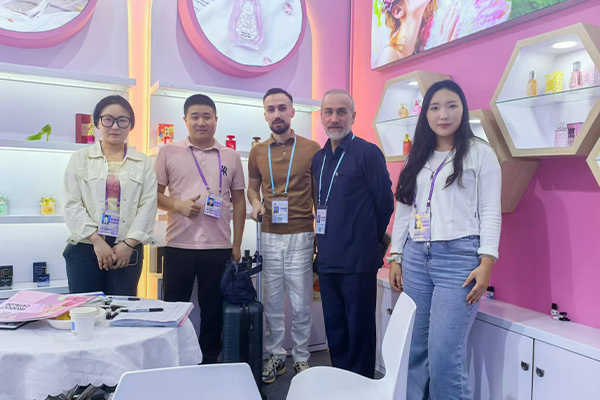
At Shandong Aili Cosmetics, we have more than 30 years of manufacturing experience since our establishment in 1993. Our fragrance production operations include 48 perfume production lines, with reported daily perfume output exceeding 300,000 bottles. We provide fragrance product development and OEM/ODM services, including fragrance selection, bottle and cap coordination, spray-pump selection, label design and outer-carton customization.
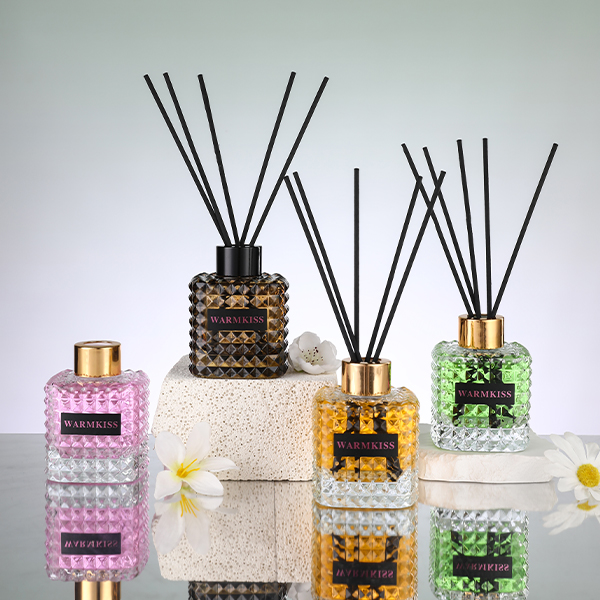
We also work with fragrance resources including Robertet, Givaudan and Symrise. For each project, the formula, packaging structure, target market and documentation requirements need to be evaluated together. Our broader product experience also covers reed diffusers and selected personal-care and home-care products.
常见问题解答
- What is the main difference between European and South American perfume markets?
Europe has a highly developed, multi-tiered fragrance retail market, while South America has strong everyday fragrance consumption and important domestic beauty networks. Both markets contain affordable and premium segments.
- Why are large-capacity fragrances important in Brazil?
Deo Colônia and body splash products are used frequently in everyday personal-care routines. Larger bottles can offer practical value for regular use, although capacity preferences vary by product category and brand.
- What perfume formats should brands consider for South America?
Brands may evaluate EDP, Deo Colônia, body splash and body mist. A combination of smaller fine-fragrance bottles and larger everyday fragrance formats can address different customer needs.
- What packaging details matter when developing perfume for Europe?
Important factors include glass quality, bottle dimensions, spray performance, cap fit, decoration durability, carton construction and recyclability requirements.
- Does every perfume sold in Brazil require ANVISA registration?
No. Brazil distinguishes between product categories and regularization procedures. Ordinary perfumes generally fall into the lower-risk category, but the applicable procedure should be confirmed against current ANVISA rules.
- What documents are required for selling perfume in the European Union?
The compliance framework generally includes an EU Responsible Person, CPSR, PIF, CPNP notification and compliant labeling. The responsible business must confirm all applicable requirements before placing the product on the market.
- Can one perfume formula serve both European and South American markets?
Sometimes, but not automatically. Differences in product format, consumer expectations, labeling and regulatory requirements may require adjustments to the formula, concentration, packaging or product claims.
- What should buyers look for in a perfume OEM/ODM manufacturer?
Buyers should evaluate fragrance development, production capacity, packaging coordination, quality control, documentation support and the manufacturer’s ability to adapt products to the destination market.
结论
欧洲 和 South America offer different opportunities for perfume brands and international buyers. Europe rewards product differentiation, fragrance development, packaging precision and regulatory preparation. South America offers opportunities in everyday fragrance, larger product formats, body splash and locally adapted distribution strategies.
对于 山东爱丽化妆品, serving these markets means developing products around real usage habits and commercial requirements. A suitable OEM/ODM solution should bring together fragrance quality, physical packaging, production capability and destination-market preparation—not simply compete on unit price.