

Why Fragrance Oil Quality Matters
Learn how to evaluate perfume fragrance oil quality through scent structure, naturalness, projection, longevity, dry-down, stability and safety documentation. Practical insights from شركة شاندونغ أيلي لمستحضرات التجميل، أ perfume fragrance and personal care OEM/ODM manufacturer.
في شركة شاندونغ أيلي لمستحضرات التجميل الشركة المحدودة., ، نؤمن بأن الجوهر الحقيقي للعطر يكمن في رائحته وجودته والمشاعر التي يثيرها — وليس في هوامش الربح التي تحددها شهرة العلامة التجارية وحدها. لفترة طويلة جدًّا، تم تصنيف العطور عالية الجودة على أنها سلع فاخرة حصرية. نحن ننظر إلى العطر من منظور مختلف: فهو وسيلة يومية للتعبير عن الذات والراحة الشخصية، وينبغي أن يكون في متناول الجميع بسهولة.
إن هدفنا يتجاوز بكثير مجرد خفض تكاليف الإنتاج. فمن خلال الاستفادة من خبرتنا التي تمتد لعقود في مجال التصنيع، وسلسلة التوريد المتكاملة، ومراقبة الجودة التي لا تقبل المساومة، نسد الفجوة بين تصميم العطور الفاخرة والقدرة على شرائها يوميًا بأسعار معقولة. نحن لا نسعى إلى منافسة قطاع المنتجات الفاخرة، بل إلى الارتقاء بالقيمة. ومن خلال تقديم جودة لا تضاهى بسعر يعكس القيمة الحقيقية للمنتج، تُمكّن شركة شاندونغ أيلي شركاءها ومستهلكيها حول العالم من الاستمتاع بفن العطور الراقية كمتعة يومية، وليس كرفاهية محصورة لفئة معينة.
In perfume and home fragrance products, the bottle is the exterior, but the fragrance concentrate determines much of the actual user experience. Its composition influences scent development, projection, longevity, dry-down character and compatibility with the finished formula.
For perfume manufacturers, brand owners and OEM/ODM buyers, evaluating fragrance oil quality requires more than smelling a sample once. A fragrance may smell attractive immediately after spraying but become unbalanced several hours later. Another may have moderate projection yet maintain a clean, recognizable scent throughout its evaporation process.
في شركة شاندونغ أيلي لمستحضرات التجميل, we believe fragrance evaluation should combine sensory assessment with technical testing. The following six criteria provide a practical framework for assessing fragrance oils used in perfumes, reed diffusers and other scented consumer products.
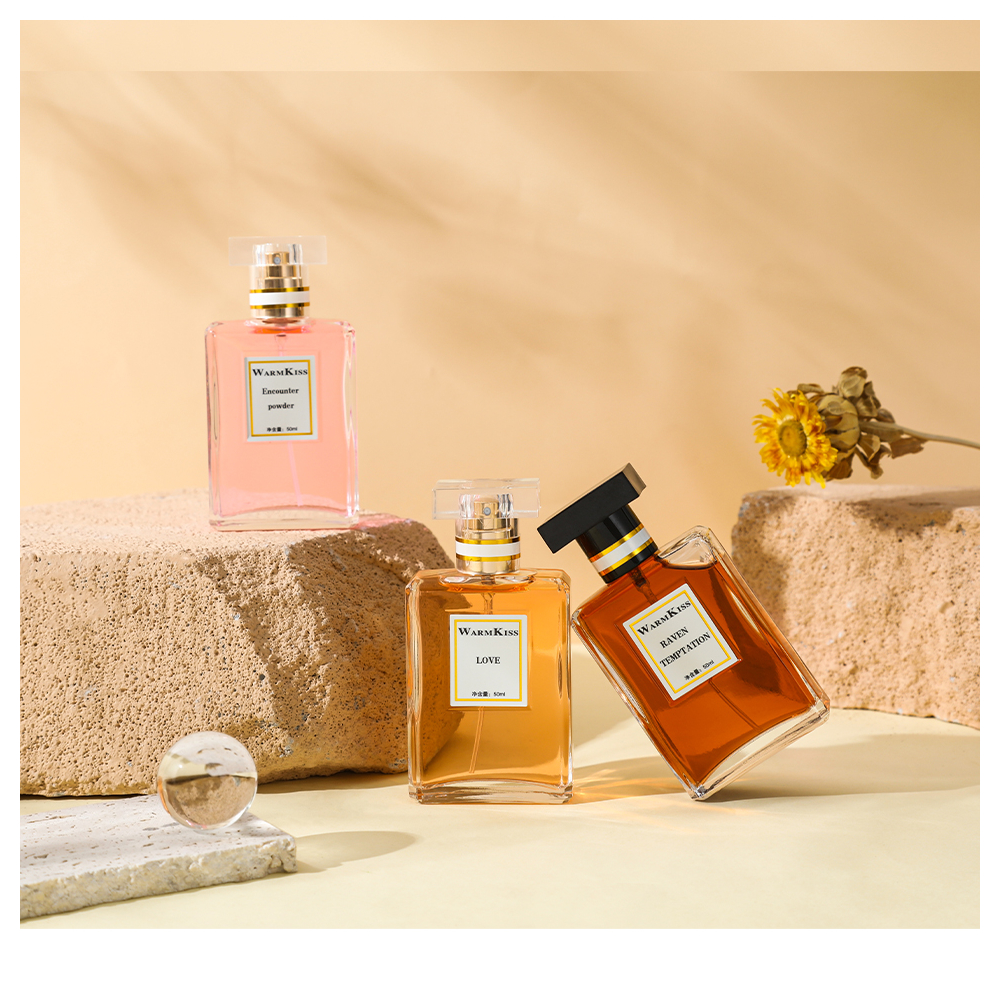
1. Fragrance Structure and the Transition Between Notes
A well-developed fragrance usually has a recognizable progression from top notes to heart notes and base notes. These stages are not separate ingredients that appear one after another at fixed times. They reflect how different volatile materials evaporate and interact throughout wear.
Top notes: The first impression after application, often involving citrus, aromatic or fresh materials.
Heart notes: The central character of the fragrance, commonly built around floral, fruity, spicy or herbal accords.
Base notes: Longer-lasting materials such as woods, musks, resins, vanilla and amber-style accords.
A well-composed fragrance develops without unpleasant gaps or abrupt changes. Its heart should remain identifiable after the initial freshness fades, while the base should support the overall composition rather than overpower it.
A poorly balanced fragrance may open with excessive sharpness, lose its identity quickly or develop an unpleasant chemical-like character during the dry-down. However, a simple linear fragrance is not automatically low quality. Some fresh, minimalist and single-note products are intentionally designed to maintain a consistent scent.
2. Naturalness, Smoothness and Alcohol Integration
Naturalness is an important sensory consideration, but it should not be confused with the percentage of natural ingredients. High-quality fragrance compositions can combine essential oils, natural extracts and carefully selected aroma molecules. Well-designed synthetic materials can also provide consistency, stability and precise scent effects.
The key question is whether the ingredients work together to create a balanced and convincing aroma.
For alcohol-based perfume, the fragrance concentrate must also perform well in the selected ethanol system. After blending and any required maturation period, the finished perfume should not have an unnecessarily harsh solvent impression. The fragrance should emerge clearly without an unpleasant clash between the alcohol and the aromatic composition.
We recommend evaluating the actual finished perfume rather than judging fragrance concentrate alone. Ethanol grade, concentration, water content, blending process and filtration can all influence the final result.
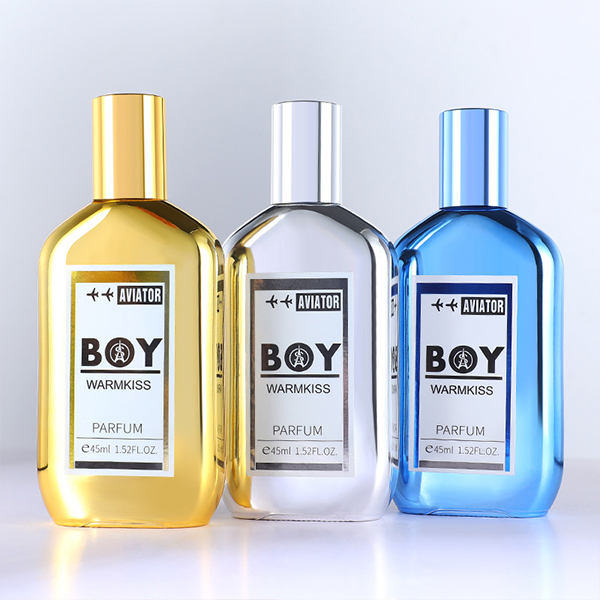
3. Projection, Sillage and Longevity
Projection describes how far a fragrance can be detected from the wearer. Sillage refers to the scent trail left behind as someone moves. Longevity describes how long the fragrance remains perceptible.
These are related but different performance characteristics.
| Evaluation | Better performance | Potential quality concern |
| الإسقاط | Noticeable at an appropriate distance without becoming overwhelming | Too weak or excessively sharp |
| الرائحة المتبقية | A balanced, recognizable scent trail | Unpleasantly heavy or barely perceptible |
| طول العمر | Remains identifiable for an appropriate period | Disappears too quickly or changes unpleasantly |
| Late-stage scent | Clean and consistent with the fragrance concept | Harsh, sour, stale or unbalanced |
There is no universal longevity target for every perfume. Eau de parfum, eau de toilette, body mist and home fragrance products have different formulation goals. Concentration, skin chemistry, temperature, humidity and application amount also affect results.
For this reason, buyers should compare samples under consistent conditions instead of relying on a single advertised number of hours.
4. Dry-Down Quality: What Remains After Several Hours?
The dry-down is one of the most useful stages for evaluating a fragrance. Once the more volatile components have evaporated, the remaining materials reveal whether the base composition is balanced.
We suggest testing fragrance samples on both blotter strips and skin, recording the scent at several intervals:
Immediately after application
After approximately 15 minutes
After 2 hours
After 6 hours
After 12–24 hours, where relevant to the product
A well-constructed fragrance should retain a reasonably clean and coherent character during its intended wearing period. Depending on the formula, the remaining scent may be woody, musky, powdery, resinous or softly sweet.
An unpleasant sour, rancid, plastic-like or otherwise inconsistent odor deserves further investigation. However, one unusual result does not automatically prove that the fragrance concentrate is defective. Oxidation, storage conditions, substrate interaction and the finished formula may also be responsible.
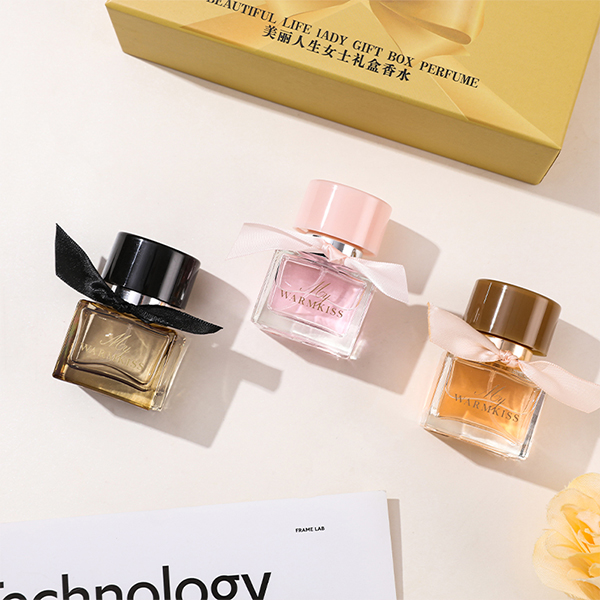
5. Physical Stability and Compatibility with the Finished Product
Fragrance oil quality must also be evaluated through its behavior in real formulations. A concentrate that smells excellent on a blotter may still cause problems when blended into perfume or home fragrance products.
Important checks include:
Clarity and solubility: After blending with the intended ethanol and water system, the perfume should meet the required appearance standard. Cloudiness, sediment or separation may indicate solubility or compatibility problems.
Temperature stability: Low-temperature storage, elevated-temperature exposure and temperature cycling can reveal crystallization, precipitation or changes in appearance. Test conditions should reflect the product’s intended storage and distribution environment.
Light and oxidation stability: Some fragrance materials are sensitive to oxygen, light and heat. Changes in color or odor should be monitored during stability testing.
توافق العبوات: The finished formula should be assessed with the actual bottle, pump, gasket, dip tube and other contact materials. Leakage, swelling, corrosion, discoloration or component deterioration may indicate a compatibility issue.
For reed diffusers, additional attention should be given to evaporation rate, reed performance, liquid appearance and fragrance consistency over time. Perfume and diffuser formulas should not be assumed to have identical technical requirements.
6. Safety Documentation and Laboratory Evaluation
Sensory quality alone cannot establish whether a fragrance is suitable for commercial use. Buyers should also review the documentation relevant to the intended product and market.
| Document or test | What it helps evaluate |
| IFRA conformity documentation | Whether the fragrance composition meets applicable IFRA Standards for the specified use category |
| SDS | Chemical hazard information and safe handling requirements |
| COA | Whether a supplied batch meets the supplier’s stated specifications |
| Allergen information | The presence or levels of relevant fragrance allergens |
| GC-MS analysis | A chromatographic profile that can help identify and compare volatile components |
| Stability and compatibility tests | Whether the fragrance performs acceptably in the intended formula and packaging |
GC-MS is a valuable analytical tool, but it does not independently establish overall fragrance quality, safety or the absence of every possible impurity. Results need to be interpreted in context and may require complementary analytical methods.
Likewise, IFRA conformity documentation is not a universal government approval or a substitute for the applicable cosmetics regulations in each destination market.
At Aili, we consider supplier traceability, technical documents and finished-product testing together. We also work with established fragrance ingredient resources, including Robertet, Givaudan and Symrise, according to the requirements of individual projects. The choice of fragrance materials should always match the product concept, performance target and regulatory requirements.

A Practical Four-Step Method for Buyers
For a first-round fragrance assessment, buyers can use a simple repeatable process:
Check the opening: Spray the finished perfume and assess whether the initial alcohol impression is excessively harsh.
Track scent development: Compare the fragrance after 15 minutes, 2 hours and 6 hours to identify changes in balance and character.
Assess the dry-down: Keep a blotter strip and check whether the remaining scent is clean and consistent with the intended fragrance.
Review technical evidence: Request relevant supplier documents and test the fragrance in the actual formula and packaging.
This process is useful for comparing suppliers, approving samples and reducing the risk of choosing a fragrance based only on its first impression.
الأسئلة الشائعة
- Does a higher natural ingredient percentage mean better fragrance quality?
Not necessarily. Quality depends on composition, material selection, balance, stability and suitability for the intended product. Synthetic aroma molecules can be essential to a high-quality fragrance.
- Can fragrance quality be judged by smelling the concentrate directly?
Direct evaluation can provide useful information, but the concentrate should also be tested in the finished formula. Ethanol, concentration and other formulation ingredients can change the scent.
- How long should a high-quality perfume last?
There is no single standard. Longevity depends on fragrance concentration, formula, application conditions and product positioning. Buyers should establish a target for each product category.
- Why does a perfume smell different after several hours?
More volatile materials evaporate first, leaving less volatile components behind. This natural evaporation process creates the dry-down.
- Does GC-MS prove that a fragrance oil is high quality?
No. GC-MS helps analyze chemical components, but sensory evaluation, stability testing, documentation and application performance are also necessary.
- What fragrance documents should an OEM/ODM buyer request?
Depending on the product and market, useful documents include SDS, COA, IFRA conformity documentation and allergen information. Additional regulatory and finished-product testing may be required.
- Should perfume and reed diffuser fragrance oils be evaluated in the same way?
They share some sensory criteria, but their performance requirements differ. Perfume is evaluated for skin application and wearing experience, while reed diffusers require attention to evaporation, diffusion and long-term liquid stability.
- Can a fragrance smell good but still be unsuitable for production?
Yes. A fragrance may have an attractive scent but show poor solubility, instability or incompatibility with the packaging. Production approval should include both sensory and technical evaluation.

الخلاصة
Evaluating fragrance oil quality requires a combination of sensory judgment, physical testing and technical documentation. Scent structure, smoothness, projection, longevity and dry-down reveal how a fragrance performs, while stability, compatibility and safety documentation help determine whether it is suitable for commercial production.
في شركة شاندونغ أيلي لمستحضرات التجميل, we approach fragrance development and OEM/ODM manufacturing with this broader perspective. Our goal is not simply to select a fragrance that smells attractive in a sample bottle, but to develop a finished product that performs consistently in its intended formula, packaging and market environment.