
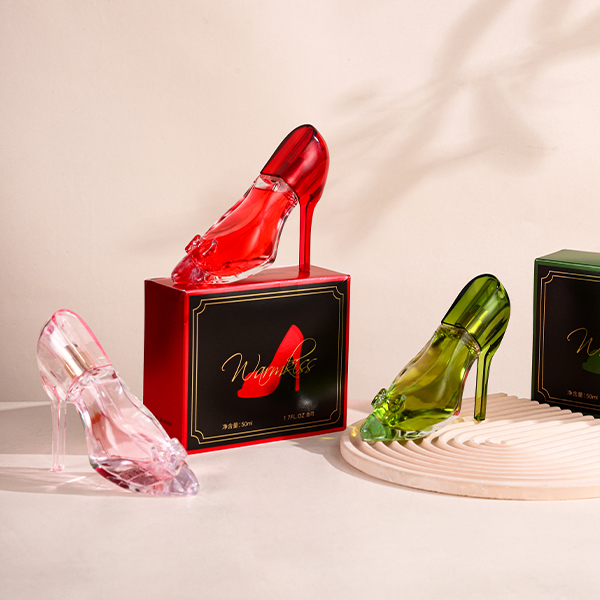
Two Markets with Different Commercial Priorities
Compare African و North American perfume Fragrance markets by consumer preferences, fragrance formats, packaging, distribution channels and regulations. Explore practical perfume fragrance OEM/ODM opportunities with شركة شاندونغ أيلي لمستحضرات التجميل.
أفريقيا و أمريكا الشمالية represent two very different opportunities for the global fragrance industry. African markets are diverse and continue to develop, with affordability, product accessibility and local distribution playing important roles. North America, led by the United States and Canada, is a mature fragrance market with multiple retail tiers, strong brand competition and demand for a wide range of fragrance formats.
These differences influence how perfumes are formulated, packaged, priced and marketed. For Chinese perfume fragrance manufacturers, the challenge is not simply to offer different fragrances, but to build product collections that match local purchasing habits and retail requirements.
في شركة شاندونغ أيلي لمستحضرات التجميل المحدودة., we approach these regions with different product-development priorities: practical, cost-conscious formats for suitable African markets, and more diversified, brand-oriented fragrance solutions for North American buyers.
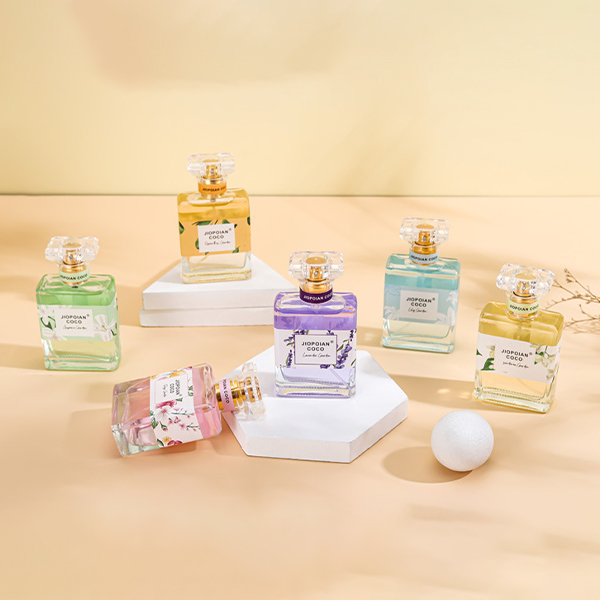
1. Consumer Preferences and Fragrance Trends
Africa: Everyday Fragrance and Market-Specific Preferences
Africa should not be treated as a single fragrance market. North African countries have cultural and commercial connections with Middle Eastern fragrance traditions, including woody, amber, musk and floral compositions. In parts of West and East Africa, fruity, sweet, floral and fresh fragrances also have established audiences.
In hot climates, consumers may value noticeable fragrance and products suitable for frequent daily use. However, it would be inaccurate to assume that all African customers prefer extremely strong perfumes. Preferences vary with climate, purchasing power, age and product positioning.
For mass-market buyers, affordability and accessibility are important. Body sprays, roll-on fragrances, perfume oils and smaller eau de parfum bottles can serve different customer groups. Premium urban consumers may also seek more complex compositions and internationally recognizable fragrance styles.
North America: Personal Expression, Layering and Fragrance Discovery
The United States and Canada have highly segmented fragrance markets. Consumers can choose from mass-market body sprays, designer perfumes, celebrity fragrances, independent brands and niche perfumery.
Fragrance layering is an important product-development opportunity. Consumers may combine a scented body wash or body lotion with a body mist and an eau de parfum to create a more personalized routine. Discovery sets and travel sprays also make it easier to test unfamiliar fragrances before purchasing a full-size bottle.
Gourmand notes such as vanilla, caramel and creamy accords have strong visibility in contemporary fragrance retail. Skin scents, soft musk, transparent woods, citrus and fruity florals appeal to other consumer groups. No single fragrance family defines the entire North American market.
2. Product Formats, Bottle Sizes and Packaging
Product-format diversity is one of the clearest differences between the two regions.
| Product consideration | African markets | North American markets |
| Common formats | EDP, body spray, roll-on, perfume oil and cologne | EDP, EDT, body mist, travel spray and discovery sets |
| Useful capacity options | 10ml, 30ml, 50ml and 100ml | 5ml samples, 10ml travel sprays, 30ml, 50ml and 100ml |
| Packaging priorities | Cost control, durability and practical dispensing | Brand identity, shelf appeal, portability and refill options |
| Key usage occasions | Daily grooming, work and social activities | Daily wear, layering, travel, gifting and fragrance discovery |
For African distribution, a 10ml roll-on or compact spray can provide an accessible entry product. A 50ml or 100ml glass perfume bottle can serve customers looking for a conventional fragrance format. Body sprays in lightweight containers may also suit high-volume retail channels.
Packaging must withstand transportation and repeated handling. Secure caps, properly fitted spray pumps, durable labels and protective cartons help reduce leakage and breakage throughout multi-stage distribution.
North American collections often need more than one bottle size. A 50ml or 100ml EDP can serve as the main product, while a 10ml travel spray and a multi-scent discovery set support trial and repeat purchasing. A discovery set may contain several small glass vials or spray samples, each with a separate label and protective insert.
Packaging also has to match the sales channel. Products sold through social commerce need clear visual identification and reliable parcel protection. Products intended for established beauty retailers may require more detailed packaging specifications, barcode management and consistent decoration quality.
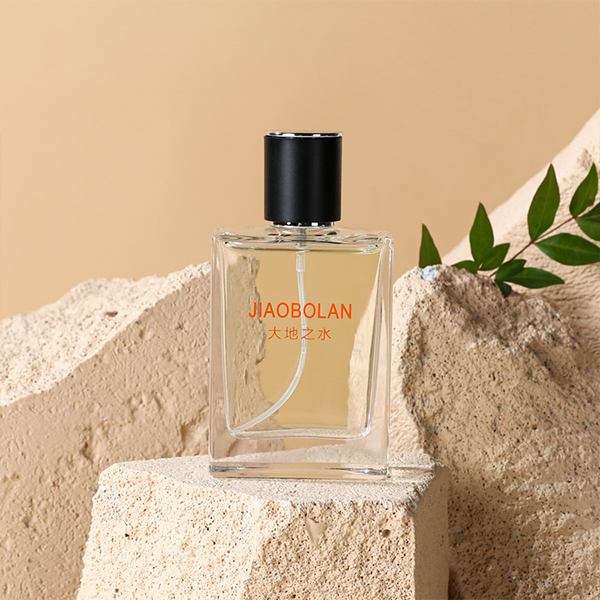
3. Distribution Channels and Brand Competition
Africa: Importers, Wholesalers and Local Retail Networks
In many African countries, imported perfumes reach consumers through a combination of importers, wholesalers, secondary distributors, independent cosmetics shops and open markets. Modern retail is also important in selected countries and cities. In South Africa, for example, Clicks and Dis-Chem operate established pharmacy and personal-care retail networks.
For overseas suppliers, local distribution knowledge is essential. Importers need to understand product registration, customs procedures, wholesale margins and the purchasing power of their target customers. Smaller formats and practical packaging can help distributors serve different price levels.
North America: Major Retailers and Digital-First Brands
North American fragrance distribution includes several distinct retail segments. Walmart, Target, CVS and Walgreens serve broad mass-market audiences. Sephora, Ulta Beauty and Nordstrom cover important prestige and specialty fragrance segments.
Amazon, brand-owned websites and TikTok Shop provide additional routes for emerging brands. Social media can accelerate product discovery, but online visibility does not guarantee repeat sales. Fragrance quality, customer reviews, packaging reliability and fulfillment performance remain important.
For OEM manufacturers, this creates demand for flexible production planning. A brand may begin with a limited selection of fragrances and later expand into body mist, travel sprays, gift sets or complementary personal-care products. Order quantities should be discussed according to packaging, formula, production requirements and the buyer’s sales plan rather than assuming a universal MOQ.
4. Regulatory Requirements and Market Access
Africa: Country-Specific Cosmetic Procedures
Africa does not have one unified cosmetic registration system. Nigeria uses the National Agency for Food and Drug Administration and Control (NAFDAC), while Kenya and Tanzania have their own standards and conformity procedures through KEBS and TBS.
Depending on the destination country and product category, importers may need product registration, conformity assessment, pre-export inspection or other documentation. PVoC and Certificates of Conformity apply under particular national schemes; they should not be assumed to be universal requirements across the continent.
Labels, ingredient information, batch identification, net content and local-language requirements should be checked before packaging artwork is approved.
North America: Separate U.S. and Canadian Requirements
The United States regulates cosmetics under the Federal Food, Drug, and Cosmetic Act, as amended by the Modernization of Cosmetics Regulation Act of 2022 (MoCRA). Facilities manufacturing or processing cosmetics for the U.S. market generally need FDA registration, renewed every two years, unless an applicable exemption applies. The responsible person named on the product label is generally responsible for listing each marketed cosmetic product and updating the listing annually.
MoCRA also requires adequate safety substantiation and serious adverse event reporting. Facility registration and product listing are not FDA approval of a factory or product. Foreign facilities subject to registration must provide a U.S. agent.
State-level rules can add further requirements. California, for example, has VOC limits for defined personal fragrance product categories. These rules depend on product classification and formulation; they are not a single blanket VOC limit for every fragrance product sold throughout the United States.
Canada has a separate system. Manufacturers and importers must notify Health Canada within 10 days after first selling a cosmetic product in Canada. This Cosmetic Notification Form is not product approval. Canadian cosmetic labeling and ingredient requirements must also be reviewed, including applicable bilingual requirements.
Alcohol-based perfumes may be classified as dangerous goods for transportation depending on their formulation and transport characteristics. The applicable shipping description, packaging, marks and documentation must be confirmed for the actual product and transport mode. Not every fragrance product should automatically be assigned the same dangerous-goods classification.
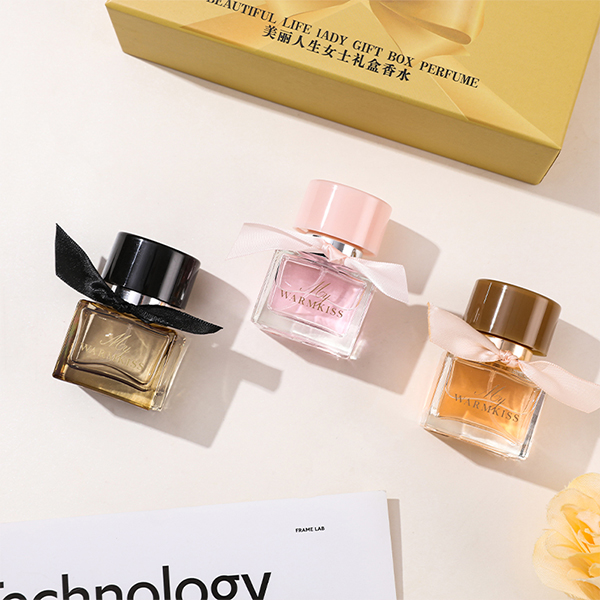
5. How Perfume OEM/ODM Manufacturers Should Adapt
For African markets, manufacturers should develop flexible collections across affordable EDP, body spray, roll-on and smaller perfume formats. Practical bottle construction, secure closures and protective cartons can help control distribution costs. Fragrance profiles should be selected with the importer according to the specific destination market.
For North America, buyers may need a broader product architecture: full-size EDP, travel sprays, discovery sets, body mist and coordinated body-care products. Original brand identity, reliable spray performance, formula documentation and packaging consistency are important considerations.
At Shandong Aili Cosmetics, we provide fragrance OEM/ODM manufacturing and packaging options for international brand owners and importers. Our product scope includes perfume, body mist, reed diffusers and related personal-care products. We can discuss fragrance direction, concentration, bottle capacity, glass or plastic packaging, spray pumps, caps, labels and outer cartons according to project requirements.
With more than 30 years of manufacturing experience, 48 perfume production lines and daily perfume production capacity exceeding 300,000 bottles, we support different product specifications and production plans. We believe a successful export project starts with understanding the buyer’s target market, rather than simply offering the same catalogue to every customer.
الأسئلة الشائعة
- What is the main difference between African and North American perfume markets?
Many African markets place strong emphasis on affordability, accessibility and practical distribution. North America has more developed retail segmentation and demand for a wider range of fragrance formats, from body mist to niche perfume.
- Which perfume formats are suitable for African markets?
EDP, body spray, roll-on, perfume oil and smaller spray bottles can serve different customer groups. The best selection depends on local purchasing power, climate, distribution and product positioning.
- Why are discovery sets important in North America?
Discovery sets allow consumers to test several fragrances before purchasing a full-size product. They also provide brands with a practical way to introduce new fragrance collections.
- What is fragrance layering?
Layering means combining products such as body wash, body lotion, body mist and perfume to create a personalized scent experience. It creates opportunities for coordinated fragrance and personal-care collections.
- Does MoCRA mean that every perfume needs FDA premarket approval?
No. FDA facility registration and cosmetic product listing are separate from premarket approval. Applicable facilities and responsible persons must meet MoCRA requirements, subject to statutory exemptions.
- Does Canada follow the same cosmetic notification system as the United States?
No. Canada requires manufacturers and importers to notify Health Canada within 10 days after first sale. This is separate from U.S. MoCRA registration and listing.
- Are alcohol-based perfumes always classified as UN1266 dangerous goods?
Not automatically. Classification depends on the product’s primary function and applicable transport rules, as well as its formulation and shipping characteristics. The shipper should confirm the correct classification before dispatch.
- Can one OEM manufacturer supply both African and North American markets?
Yes. A manufacturer can develop different fragrance collections, bottle sizes and packaging configurations for each region. Importers and brand owners must still confirm destination-specific regulatory and labeling requirements.
الخلاصة
أفريقيا و أمريكا الشمالية offer different commercial opportunities for fragrance manufacturers. African markets require careful attention to affordability, product accessibility, packaging durability and local distribution. North America offers a more diversified fragrance retail environment, where discovery formats, layering products, brand identity and regulatory preparation play important roles.
بالنسبة لـ شركة شاندونغ أيلي لمستحضرات التجميل, the practical approach is to adapt product formats and packaging to the destination market while maintaining consistent manufacturing standards. Market-specific development is a more sustainable foundation for international OEM/ODM cooperation than relying on a single fragrance collection for every region.