
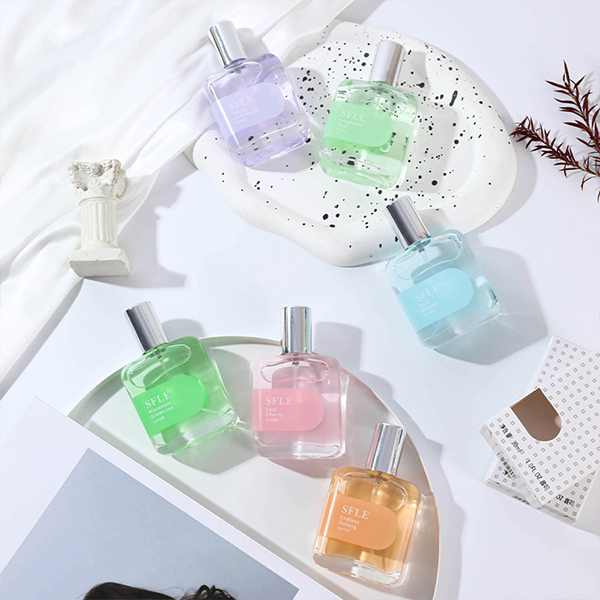
Affordable Luxury Perfume Manufacturing: From Reliable Production to Global Fragrance Innovation
اكتشف كيف شركة شاندونغ أيلي لمستحضرات التجميل develops affordable luxury perfumes through reliable manufacturing, regional fragrance insights, private-label solutions, and OEM/ODM perfume fragrance expertise.
في شركة شاندونغ أيلي لمستحضرات التجميل الشركة المحدودة., ، نؤمن بأن الجوهر الحقيقي للعطر يكمن في رائحته وجودته والمشاعر التي يثيرها — وليس في هوامش الربح التي تحددها شهرة العلامة التجارية وحدها. لفترة طويلة جدًّا، تم تصنيف العطور عالية الجودة على أنها سلع فاخرة حصرية. نحن ننظر إلى العطر من منظور مختلف: فهو وسيلة يومية للتعبير عن الذات والراحة الشخصية، وينبغي أن يكون في متناول الجميع بسهولة.
إن هدفنا يتجاوز بكثير مجرد خفض تكاليف الإنتاج. فمن خلال الاستفادة من خبرتنا التي تمتد لعقود في مجال التصنيع، وسلسلة التوريد المتكاملة، ومراقبة الجودة التي لا تقبل المساومة، نسد الفجوة بين تصميم العطور الفاخرة والقدرة على شرائها يوميًا بأسعار معقولة. نحن لا نسعى إلى منافسة قطاع المنتجات الفاخرة، بل إلى الارتقاء بالقيمة. ومن خلال تقديم جودة لا تضاهى بسعر يعكس القيمة الحقيقية للمنتج، تُمكّن شركة شاندونغ أيلي شركاءها ومستهلكيها حول العالم من الاستمتاع بفن العطور الراقية كمتعة يومية، وليس كرفاهية محصورة لفئة معينة.
The global fragrance market offers opportunities beyond traditional luxury brands. Many consumers want perfumes with appealing scent profiles, satisfying performance, and attractive packaging without paying premium prices for established brand names. For perfume manufacturers, meeting this demand requires more than offering low-cost alternatives. It calls for reliable production, an understanding of regional preferences, effective quality control, and a gradual investment in fragrance development.
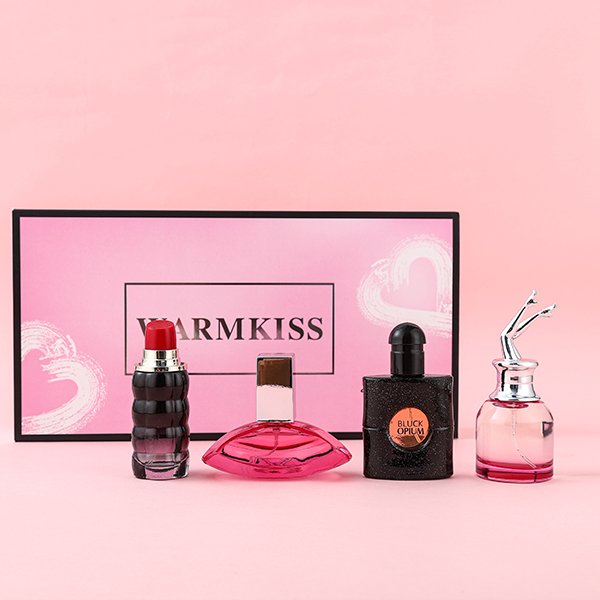
في شركة شاندونغ أيلي لمستحضرات التجميل المحدودة., we believe that making quality fragrance more accessible begins with a solid manufacturing foundation. By combining established production capabilities with market-oriented product development, we help international customers build affordable luxury perfume collections, private-label fragrance brands, and differentiated consumer fragrance products.
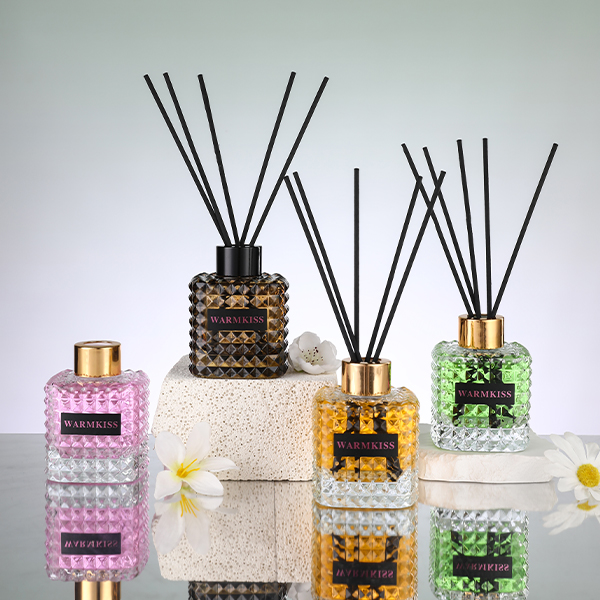
1. Building a Strong Foundation Before Developing Original Fragrances
A successful perfume manufacturer needs to master production consistency before pursuing extensive independent fragrance development. Stable quality, reliable delivery, and repeatable product performance are essential for long-term B2B relationships.
With more than 30 years of fragrance manufacturing experience, Aili Cosmetics has developed capabilities serving perfume brands and buyers in international markets. Our production operation includes 48 perfume production lines, with reported daily capacity exceeding 300,000 bottles. Actual output depends on bottle specifications, packaging requirements, product complexity, and production schedules.
Our manufacturing priorities include:
Consistent product quality: Establishing practical quality checks for fragrance appearance, odor consistency, filling accuracy, packaging integrity, and finished-product performance.
Reliable production processes: Managing alcohol-based fragrance blending, filling, assembly, and packaging with appropriate process controls.
Packaging and delivery coordination: Helping customers select suitable bottles, pumps, caps, labels, and outer boxes for their target markets.
Scalable OEM/ODM support: Supporting projects from established product concepts to customized private-label collections.
We view manufacturing excellence as the starting point for innovation. Without stable processes and dependable quality, even an attractive fragrance concept can struggle to generate repeat orders.
2. From Private-Label Production to Fragrance Development
Perfume development is a progressive process rather than a single technological leap. We see three connected stages in building a competitive fragrance business.
| Development stage | Main priority | Practical objective |
| Manufacturing foundation | Quality, efficiency, and consistency | Deliver dependable products at commercially viable costs |
| Market-oriented development | Fragrance evaluation and consumer feedback | Refine scent profiles, packaging, and product positioning |
| Original fragrance innovation | Creative direction and differentiated formulas | Build distinctive collections and stronger brand identity |
Analytical tools such as gas chromatography–mass spectrometry (GC-MS) can help qualified laboratories investigate fragrance composition, but they do not independently reveal every aspect of a formula or replace the work of a professional perfumer. Sensory evaluation, ingredient knowledge, formulation expertise, stability testing, and consumer feedback remain important.
For buyers seeking affordable luxury perfumes, we can discuss fragrance references, preferred scent families, desired intensity, target pricing, and packaging concepts. Where a project requires original development, the objective is to create a distinctive fragrance identity rather than simply reproduce another brand’s product.
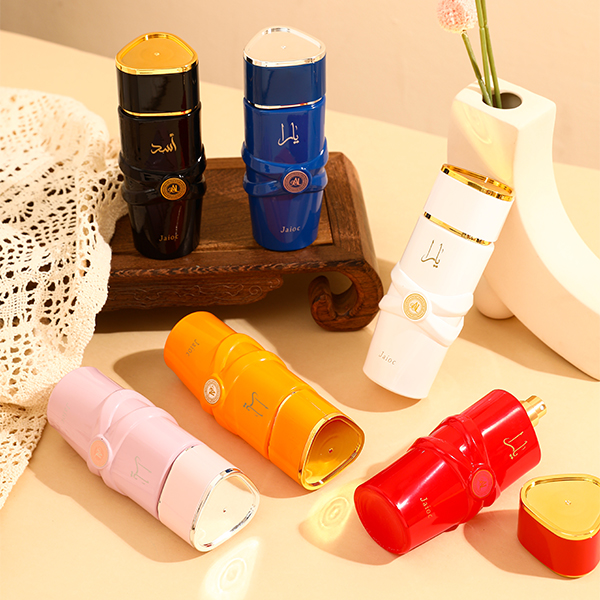
3. Understanding Fragrance Preferences Across Global Markets
Fragrance preferences vary with climate, culture, lifestyle, purchasing power, and individual taste. Regional trends are useful starting points, but successful product development should always be validated with target customers.
Middle East and GCC: Rich, Warm, and Expressive Scents
Oud, amber, musk, rose, saffron, and woody accords are important references in many Middle Eastern fragrance collections. Layering fragrances is also familiar to many consumers, although preferences differ between countries and customer segments.
For this market, buyers may consider richer Eau de Parfum (EDP) profiles, concentrated fragrance formats, elegant bottle designs, and premium-looking packaging. Performance expectations should be agreed through sample evaluation rather than guaranteed by concentration alone.
North America: Versatility, Value, and Social-Media Discovery
In the United States and Canada, product discovery is influenced by online reviews, creators, retail trends, and fragrance communities. Popular scent directions can include vanilla and gourmand notes, fresh aquatic accords, clean musks, citrus, and woods.
Affordable luxury perfumes, accessible EDP collections, body mists, and gift sets can serve different price points. Clear scent descriptions, attractive packaging, and a compelling value proposition help private-label brands stand out.
Europe: Character, Transparency, and Responsible Product Development
European consumers are diverse, ranging from those who enjoy classic citrus and aromatic fragrances to those who prefer minimalist woods, soft musks, or more experimental niche-inspired compositions.
For European-market projects, buyers should evaluate ingredient documentation, applicable allergen-labeling rules, product safety obligations, and packaging requirements early in development. Regulatory compliance must be assessed for the specific product and destination market.
Latin America: Fragrance as an Everyday Experience
Brazil, Mexico, and other Latin American markets contain varied consumer segments, with opportunities across fresh, fruity, floral, sweet, and woody fragrance profiles. In some channels, body mists and larger-volume formats complement traditional perfumes.
For suitable projects, buyers can explore accessible price points, colorful packaging, and fragrance formats designed for frequent use. Stability and packaging performance should be evaluated under relevant storage and distribution conditions.
East and Southeast Asia: Freshness, Subtlety, and Convenience
In parts of East Asia, consumers may favor tea, citrus, light florals, clean musks, and restrained woody accords. Southeast Asian markets also offer opportunities for fresh, fruity, floral, and versatile everyday fragrances, although preferences vary considerably across countries.
Compact sprays, travel sizes, hair fragrances, and lighter fragrance formats may appeal to selected customer groups. Product concepts should be adapted to local preferences rather than assuming that one scent profile will work throughout the region.
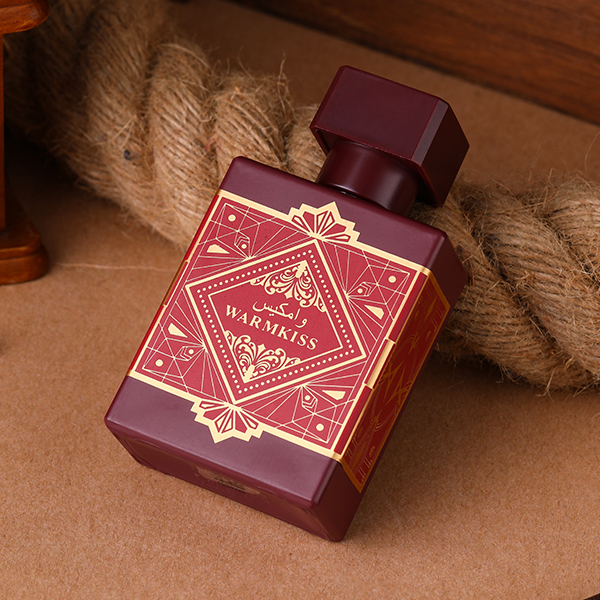
4. Turning Market Insights into Competitive OEM/ODM Products
Regional knowledge creates value only when it informs actual product decisions. For our international partners, we recommend connecting fragrance selection, target pricing, packaging, and sales channels from the beginning.
Our OEM/ODM discussions can cover:
Fragrance direction: Fresh, floral, woody, amber, gourmand, oriental-inspired, or other agreed scent families.
Product format: Eau de Parfum, other perfume formats, body mist, reed diffusers, and selected complementary fragrance products.
Packaging design: Bottle shape, spray performance, label design, outer packaging, and perceived retail value.
Commercial requirements: Target cost, order quantity, lead time, market positioning, and repeat-order expectations.
We also recommend using a structured fragrance brief. It should identify the target consumer, reference scent direction, preferred notes, intended use, price range, packaging requirements, and destination market. This gives the manufacturer and buyer a shared basis for evaluating samples and reduces avoidable development cycles.
5. Affordable Luxury Requires More Than a Low Price
The commercial appeal of affordable luxury lies in balancing fragrance experience, product quality, packaging, and retail price. A lower price alone does not establish value, and a higher fragrance concentration does not automatically guarantee longer wear or better performance.
At Aili Cosmetics, our goal is to help customers develop products that meet their intended market positioning. We evaluate fragrance samples against agreed expectations and consider factors such as scent development, perceived intensity, stability, spray quality, and packaging compatibility.
We also encourage buyers to establish clear documentation requirements before production. Depending on the product and destination, these may include safety data sheets (SDS), certificates of analysis (CoA) where applicable, relevant fragrance-supplier documentation, ingredient information, and transport documentation.
IFRA Standards are relevant to fragrance ingredient use, but an IFRA document should not be described as a universal product certification. Likewise, ISO 22716, GMPC-related requirements, and US MoCRA obligations have different scopes. Buyers and manufacturers should confirm which requirements apply to the specific product and market.
When using market-reference fragrances, brands should also protect their own identity through distinctive names, packaging, and marketing. Trademark, trade-dress, and other intellectual-property risks should be reviewed for the relevant jurisdiction.
6. Why Partner with Shandong Aili Cosmetics?
We approach fragrance manufacturing as a long-term partnership, not simply a filling and packaging service. Our experience in perfume production, private-label development, and international business helps us understand the practical decisions buyers face when launching or expanding fragrance collections.
Based in Linyi, Shandong, China, we serve customers seeking a manufacturing partner for perfumes and related fragrance products. Our objective is to connect production capability with market-specific product planning, helping customers balance commercial feasibility with a distinctive consumer proposition.
Whether a buyer is developing an affordable everyday perfume line, a premium-looking private-label collection, or a broader fragrance portfolio, we believe the best starting point is a clear brief, realistic target costs, representative samples, and transparent quality expectations.
الأسئلة الشائعة
1. What is affordable luxury perfume?
Affordable luxury perfume offers an elevated fragrance experience, considered packaging, and dependable product quality at a more accessible price than many prestige products. Its value depends on the complete consumer experience, not price alone.
2. Does Aili Cosmetics provide perfume OEM and private-label manufacturing?
Yes. We support discussions for perfume OEM and private-label projects, including fragrance direction, packaging coordination, and product customization. Available options, minimum order quantities, and lead times depend on the project.
3. Can a manufacturer develop perfumes inspired by popular fragrance styles?
Manufacturers can use broad scent families and market references to guide product development. Any project should respect applicable intellectual-property rights and establish its own appropriate branding and packaging.
4. Which fragrance profiles are suitable for the Middle East?
Oud, amber, musk, rose, saffron, and rich woody accords are useful starting points for some Middle Eastern customer segments. Buyers should validate the final selection by country, audience, price point, and channel.
5. Does a higher perfume concentration always mean longer-lasting fragrance?
No. Longevity depends on the formula, ingredients, concentration, skin or fabric conditions, environment, and individual perception. Sample testing under agreed conditions is more reliable than assuming concentration alone determines performance.
6. What information should buyers provide when requesting a perfume quotation?
A useful brief includes the target market, scent direction, bottle size, packaging concept, target price, estimated order quantity, required documentation, and expected launch schedule. Reference samples or clear scent descriptions can also help.
7. What compliance documents may be needed for international perfume sales?
Requirements depend on the destination and product. Buyers may need ingredient and safety information, relevant supplier documents, labeling details, and transport documentation. The applicable regulatory framework should be confirmed before commercial production.
8. Can Aili Cosmetics help customers develop original fragrance collections?
We can discuss fragrance concepts and product customization for OEM/ODM projects. The scope of original development, formula ownership, exclusivity, testing, and commercial terms should be agreed in writing for each project.
الخلاصة
The future of competitive perfume manufacturing depends on combining reliable production with a deeper understanding of consumers. Affordable luxury and fragrance alternatives can create meaningful opportunities, but sustainable growth requires consistent quality, thoughtful regional adaptation, realistic performance claims, and respect for regulatory and intellectual-property requirements.
At Shandong Aili Cosmetics, we believe that a strong manufacturing foundation gives fragrance businesses the confidence to move from standard private-label products toward more distinctive collections. By connecting market insight with practical OEM/ODM execution, we aim to help global partners make quality fragrance accessible to more consumers while building brands that can grow over time.