
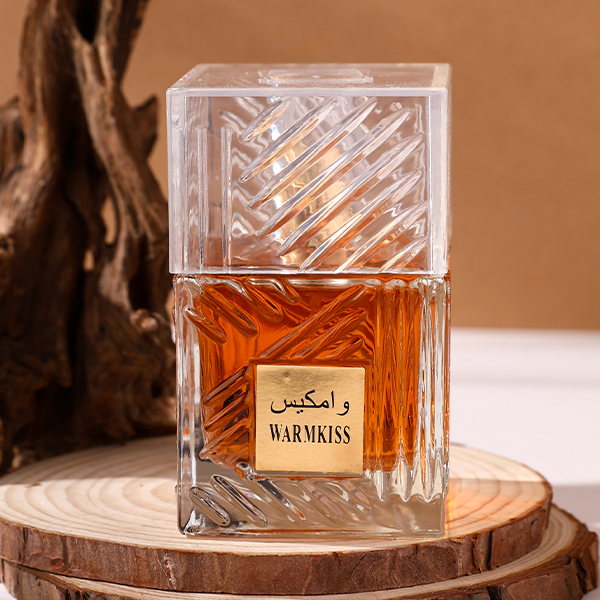
Why Alcohol Quality Matters in Perfume Manufacturing
Discover how ethanol source, purity, odor control and formulation compatibility influence perfume quality, and how شركة شاندونغ أيلي لمستحضرات التجميل supports perfume fragrance OEM/ODM manufacturing.
When people evaluate a perfume, they usually focus on its fragrance notes, longevity, bottle design and brand image. However, the alcohol used in many spray perfumes is another important part of the formulation. It acts as a solvent and carrier, helping distribute fragrance ingredients and allowing the perfume to disperse when sprayed.
في شركة شاندونغ أيلي لمستحضرات التجميل المحدودة., we understand that producing a competitive perfume involves more than selecting an attractive fragrance concentrate. The quality and consistency of supporting raw materials also matter. For perfume manufacturers in China, a dependable ethanol supply chain can help maintain product consistency, support large-volume production and meet the requirements of different export markets.
الصين has a well-developed fermentation and alcohol-processing industry. Corn is an important feedstock for ethanol production, particularly in major agricultural regions in northern and northeastern China. Depending on the supplier and production route, ethanol can also be made from other agricultural materials or through alternative industrial processes. What matters to perfume production is not simply where the alcohol originates, but whether the finished material meets the required specifications for its intended cosmetic application.
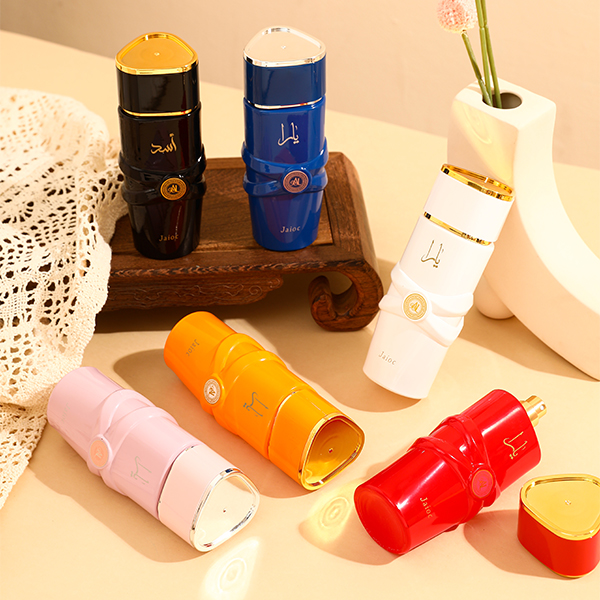
China’s Corn-Based Ethanol Industry and the Fragrance Supply Chain
Corn contains starch that can be converted into fermentable sugars and then processed into ethanol. After fermentation, distillation and further purification, the resulting alcohol can be used in different industries, depending on its grade and quality.
Northern China benefits from substantial agricultural production and established grain-processing industries. Shandong and neighboring provinces are also connected to broader chemical, fermentation, packaging and logistics networks. These industrial connections can support the supply of ethanol and other raw materials to manufacturers across the country.
Perfume and cosmetics production is not limited to northern China. Guangdong and Zhejiang, for example, have extensive consumer-goods and cosmetics manufacturing ecosystems. Manufacturers in these regions may source ethanol from northern suppliers, local distributors or other qualified producers. The actual supply route depends on price, availability, specifications, logistics and purchasing arrangements.
For this reason, we see China’s agricultural and industrial supply chains as an important foundation for the fragrance sector, rather than assuming that every perfume factory uses alcohol from one particular region.
What Makes Perfume-Grade Alcohol Different?
Not all ethanol is suitable for every cosmetic formulation. Industrial ethanol, fuel ethanol, laboratory ethanol and alcohol intended for cosmetic applications can have different specifications and permitted uses. High alcohol content alone does not establish that a material is appropriate for perfume manufacturing.
Several quality factors deserve attention.
| Quality factor | Why it matters to perfume production |
| Ethanol concentration | Influences formulation balance, solvent performance and product characteristics |
| Odor profile | Unwanted background odors can interfere with the fragrance composition |
| Impurity levels | Aldehydes, higher alcohols, methanol and other impurities must be controlled according to applicable specifications |
| Appearance and consistency | Helps maintain a clear, uniform finished product |
| Documentation and traceability | Supports supplier qualification, batch control and compliance review |
A suitable ethanol grade should be selected according to the formulation, applicable cosmetic requirements and destination-market rules. A material described as food-grade or high-purity alcohol should not automatically be treated as perfume-ready without checking its specifications and intended use.
In practice, reliable sourcing combines supplier assessment, documentation review and appropriate incoming-material checks. These measures are especially important for private label perfume manufacturers serving multiple markets.
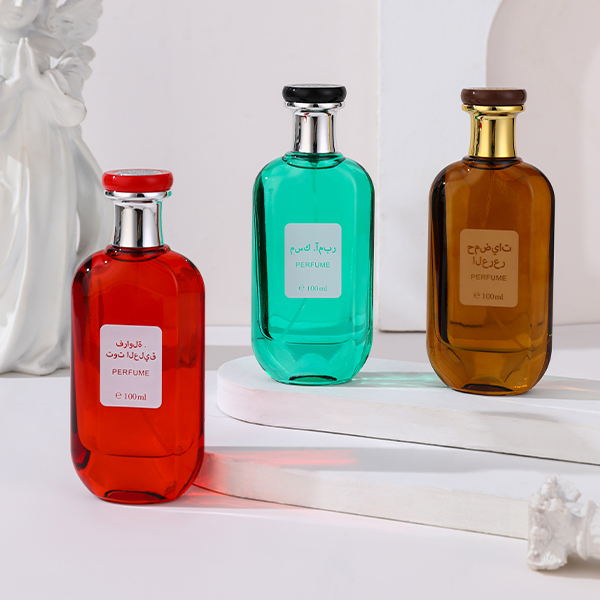
From Raw Ethanol to a Finished Perfume Formula
The transformation from ethanol and fragrance concentrate into a finished perfume requires controlled formulation and manufacturing.
1. Raw-material selection and verification
Before production, manufacturers should confirm the ethanol supplier, material identity, batch documentation and relevant quality specifications. Depending on the product and risk assessment, checks may cover alcohol concentration, odor, appearance and selected impurities.
Certificates of analysis and safety documentation can support the review, but they should be evaluated alongside the actual requirements of the finished product.
2. Fragrance blending and compatibility
Ethanol helps dissolve and carry many fragrance ingredients, but different formulas behave differently. The fragrance concentrate, alcohol, water and any other ingredients must be compatible at the intended concentrations.
A formula that appears clear immediately after mixing may develop haze, sediment or other changes during storage. For this reason, manufacturers should evaluate the finished formulation rather than judging alcohol quality in isolation.
3. Resting, cooling and filtration when appropriate
Some perfume formulas benefit from a controlled resting period after blending. Depending on the formula, cooling and filtration may also help remove materials that could otherwise affect clarity or stability.
These steps are not identical for every perfume. Temperature, duration and filtration requirements should be established through formulation trials and documented procedures rather than assuming that every product needs the same low-temperature treatment or a fixed maturation period.
4. Filling and batch consistency
Once the formula has met its release requirements, controlled filling and packaging help protect product consistency. Appropriate storage, equipment hygiene, batch records and packaging compatibility are also important parts of quality management.
The objective is not simply to make a perfume smell appealing on the production day. It is to manufacture a product that remains consistent within its approved specifications.
How Alcohol Quality Influences Fragrance Performance
Ethanol is not usually the main source of a perfume’s character; that role belongs primarily to the fragrance composition. Nevertheless, the carrier system can influence how the finished product behaves.
Fragrance perception: An unwanted odor in the alcohol may interfere with delicate fragrance notes.
Spray experience: The formulation’s solvent balance and packaging design influence how the product sprays and dries.
Clarity and stability: Compatibility among ethanol, fragrance ingredients and water can affect whether a formula remains clear.
Batch-to-batch consistency: Consistent raw materials help reduce avoidable variation between production batches.
Longevity, projection and the development of top, middle and base notes depend on multiple factors, including fragrance materials, concentration, formulation and application conditions. They should not be attributed to alcohol quality alone.
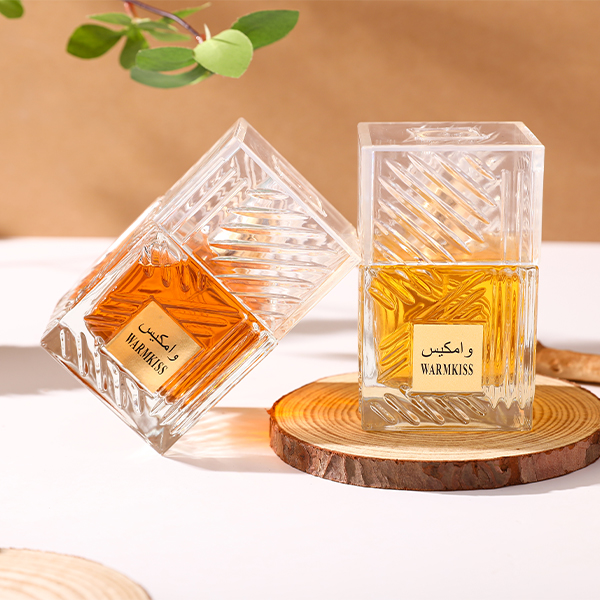
How Shandong Aili Cosmetics Approaches Fragrance Manufacturing
At Shandong Aili Cosmetics Co., Ltd., we approach perfume production as an integrated manufacturing process. Established in 1993, our company has more than 30 years of experience in fragrance and cosmetics manufacturing and offers perfume products alongside private label and OEM/ODM services.
For international buyers, the right manufacturing partner should be able to discuss more than fragrance selection and packaging. Raw-material consistency, formulation requirements, production controls, product documentation and destination-market expectations all need to be considered.
Our approach is to align these requirements with the buyer’s target market, positioning and budget. For a new private label perfume, this means defining the intended fragrance profile, evaluating samples, confirming the formula and packaging, and agreeing on the relevant quality criteria before mass production.
China’s established ethanol and fragrance supply networks can support competitive manufacturing, but cost advantages are meaningful only when combined with appropriate material selection and consistent production practices.
For importers, distributors and emerging fragrance brands, a capable شركة تصنيع العطور بنظام OEM/ODM في الصين can help turn a product concept into a commercially viable fragrance line. The key is to evaluate the complete manufacturing system rather than relying on a single raw-material claim.
الأسئلة الشائعة
1. Is corn-based ethanol suitable for perfume manufacturing?
It can be suitable when it has been appropriately purified, meets the required specifications and is compatible with the intended cosmetic formulation. The agricultural source alone does not determine whether the finished ethanol is suitable.
2. Does all perfume alcohol in China come from northern China?
No. Northern and northeastern China are important agricultural and ethanol-producing regions, but perfume manufacturers may source from different regions and suppliers. The origin depends on purchasing arrangements, quality requirements and availability.
3. Is 99.9% ethanol automatically better for perfume?
No. Alcohol concentration is only one specification. Odor, impurity profile, compatibility, documentation and suitability for the intended application are also important.
4. Can poor-quality alcohol change a perfume’s smell?
Yes. Unwanted odors or certain impurities may interfere with the fragrance profile. However, changes in smell can also result from the fragrance concentrate, storage conditions, packaging or formula instability.
5. Does every perfume need low-temperature treatment and long-term maturation?
No. Resting, cooling and filtration depend on the formula and the results of product testing. Manufacturers should establish appropriate procedures for each formulation.
6. Must perfume alcohol always contain a denaturant?
Not universally. Whether denaturing is required or appropriate depends on the alcohol specification, formulation, legal framework and destination market. The type and level of any denaturant must be suitable for the intended use and comply with applicable requirements.
7. What should buyers ask a perfume manufacturer about alcohol quality?
Buyers can ask about the ethanol specification, supplier qualification, batch traceability, relevant test documentation, odor control, formula compatibility and finished-product stability. They should also clarify which quality records are available for the specific product.
8. How can an OEM/ODM partner help ensure consistent perfume quality?
A capable partner can coordinate raw-material assessment, formulation trials, sample approval, production controls, packaging compatibility and batch documentation. Buyers should agree on measurable product requirements before approving bulk production.
الخلاصة
Alcohol is an often-overlooked but important component of many spray perfumes. China’s agricultural resources, fermentation expertise and established manufacturing networks provide a strong foundation for sourcing ethanol, including corn-derived ethanol. Nevertheless, the real measure of suitability is the quality of the finished material and its performance in the complete perfume formula.
في شركة شاندونغ أيلي لمستحضرات التجميل المحدودة., we believe that dependable perfume manufacturing begins with careful raw-material selection and continues through formulation, testing, filling and quality control. By evaluating the complete process, international buyers can make more informed sourcing decisions and develop private label fragrances with a stronger foundation for consistent production.