
Is Alcohol-Free Perfume Necessary for the Muslim Market?
Is alcohol-free perfume necessary for Muslim markets? Learn how halal perfume, ethanol, alcohol-based EDP, water-based perfume and attar differ, and how Aili Perfume Cosmetics develops fragrance solutions for Muslim consumers.
When developing perfume for Muslim-majority markets, one question appears again and again: Does a halal perfume have to be alcohol-free?
The short answer is no—not necessarily. Halal and alcohol-free are not interchangeable concepts. The acceptability of alcohol in perfume depends on its source, intended use, production process and the requirements of the relevant halal certification system and market.
For perfume manufacturers, this distinction is commercially important. Alcohol remains one of the most effective solvents for modern fine fragrance, while alcohol-free perfume oils, attars and water-based fragrances serve specific consumer segments. At شركة شاندونغ أيلي لمستحضرات التجميل المحدودة., we see these not as competing concepts, but as different product solutions for different Muslim markets and consumers.
Why Alcohol Is So Important in Modern Perfume Manufacturing
Ethanol is widely used in fine fragrance because it performs several functions at the same time.
First, it provides excellent solvency for many fragrance materials. Second, its volatility helps release the fragrance from the skin and contributes to the projection of the top, middle and base notes. Third, an alcohol-based perfume can provide the familiar spray experience associated with Eau de Parfum and Eau de Toilette.
This is particularly relevant in Middle Eastern fragrance culture, where projection, diffusion and fragrance presence can be important parts of the consumer experience.
Removing alcohol completely is therefore not simply a matter of replacing one ingredient. It can change the fragrance’s sprayability, evaporation profile, sensory experience, stability requirements and even the way the perfume is perceived by consumers.
Halal Does Not Automatically Mean Alcohol-Free
One of the most common misunderstandings in the perfume industry is treating every type of alcohol as religiously identical.
For example, LPPOM MUI explains that ethanol used in cosmetics can have different origins. Its guidance distinguishes alcohol associated with the khamr industry from ethanol produced through non-khamr industrial processes. For external cosmetic use, non-khamr ethanol may be permissible when the relevant conditions are met.
MUI’s published guidance also specifically addresses alcohol-containing perfume. LPPOM states that ethanol used as a perfume solvent can be permissible for external use when it is not sourced from the khamr industry.
This means that a perfume containing ethanol should not automatically be described as “non-halal.”
At the same time, a manufacturer should never make a blanket halal claim simply because the alcohol is industrial or denatured. Halal certification involves the overall formulation, raw-material sources, production controls and applicable certification requirements.
For brands selling in Indonesia, Malaysia or other Muslim markets, the correct approach is to verify the requirements applicable to the specific product and destination market.
Why Alcohol-Based Perfume Remains Commercially Important
From a product-development perspective, alcohol-based perfume continues to have clear advantages.
| Product Characteristic | Alcohol-Based Perfume | Alcohol-Free / Oil-Based Perfume |
| Solvency | Excellent for many fragrance materials | Requires different formulation technology |
| Spray experience | Excellent | Depends on formulation |
| Fragrance diffusion | Strong and immediate | Usually closer to the skin |
| Reapplication | Easy with spray formats | Convenient in roll-on/oil formats |
| Traditional appeal | Modern fine-fragrance format | Strong connection with attar traditions |
| Typical positioning | EDP, EDT, body spray | Perfume oil, attar, roll-on |
For mainstream perfume brands, halal-compliant alcohol-based EDP can therefore remain an important product direction, provided that the ingredients, alcohol source and manufacturing system satisfy the applicable halal requirements.
This is very different from telling every Muslim consumer that alcohol-free perfume is the only acceptable option.
Why Alcohol-Free Perfume and Attar Still Have Strong Potential
If alcohol-based perfume can be halal, why develop alcohol-free perfume?
Because consumer needs are not identical.
Some consumers specifically prefer alcohol-free products because of personal religious interpretation, sensory preferences or skin considerations. Others simply prefer the traditional experience of perfume oil, attar or roll-on fragrance.
Oil-based perfume also offers a different fragrance experience. It tends to remain closer to the skin and can work particularly well for concentrated fragrances, layering and portable products.
In Middle Eastern and South Asian fragrance traditions, attar and perfume oils have a long cultural history. For a modern fragrance brand, these traditional formats can be developed alongside contemporary EDP collections rather than treated as replacements.
Water-Based Perfume Is Another Product Strategy
Water-based perfume is sometimes presented as the obvious solution to the alcohol question, but it requires more than simply replacing ethanol with water.
Fragrance oils and water do not naturally mix. A commercially viable water-based perfume therefore requires appropriate solubilization or emulsion technology, together with careful attention to stability, preservation, appearance and spray performance.
For this reason, water-based perfume should be considered a separate formulation platform, not simply an alcohol-free version of an existing EDP.
It can nevertheless offer interesting opportunities for consumers seeking a different sensory profile, particularly in hot climates or for frequent-use fragrance products.
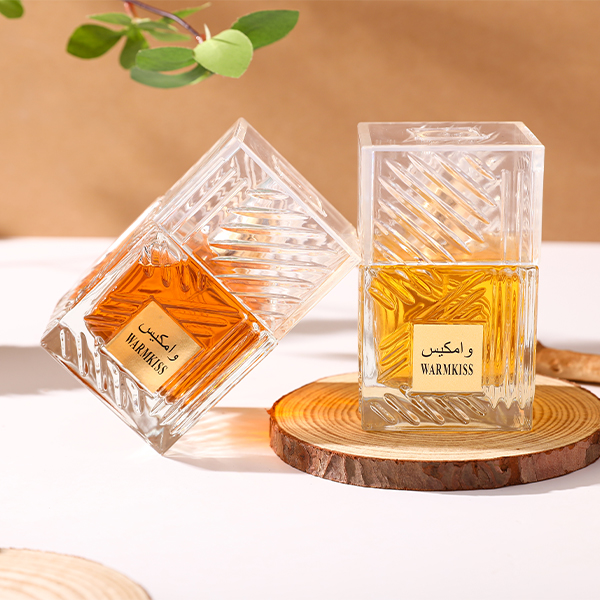
Halal Compliance Goes Beyond the Alcohol Question
For a perfume brand entering the Muslim market, focusing only on ethanol can create a misleadingly narrow view of halal compliance.
Fragrance materials themselves can sometimes contain components requiring additional verification. Animal-derived materials, processing aids and fermentation-related materials may also require consideration.
LPPOM MUI notes that halal assessment can involve the source and processing of ingredients, and that even products described as vegan are not automatically halal.
Therefore, a responsible halal perfume manufacturer should be able to trace important raw materials and provide appropriate documentation for certification and market entry.
The practical question is not simply:
“Does this perfume contain alcohol?”
A better question is:
“What is the source of every critical ingredient, how is the product manufactured, and does the finished product meet the halal requirements of the target market?”
A Dual-Track Product Strategy for Muslim Markets
For fragrance manufacturers, we believe a dual-track strategy makes more commercial sense than completely eliminating alcohol.
| Product Line | Formulation Direction | Potential Market Position |
| Halal EDP/EDT | Compliant ethanol + fragrance | Mainstream fine fragrance |
| Alcohol-Free Perfume | Water-based or alternative system | Specific consumer preferences |
| Attar / Perfume Oil | Oil-based fragrance | Traditional, concentrated and layering use |
| Roll-On Perfume | Concentrated oil or suitable system | Portable and convenient |
| Body Mist | Lightweight fragrance system | Everyday and frequent-use products |
This allows a brand to serve different consumers without sacrificing the performance advantages of modern perfume technology.
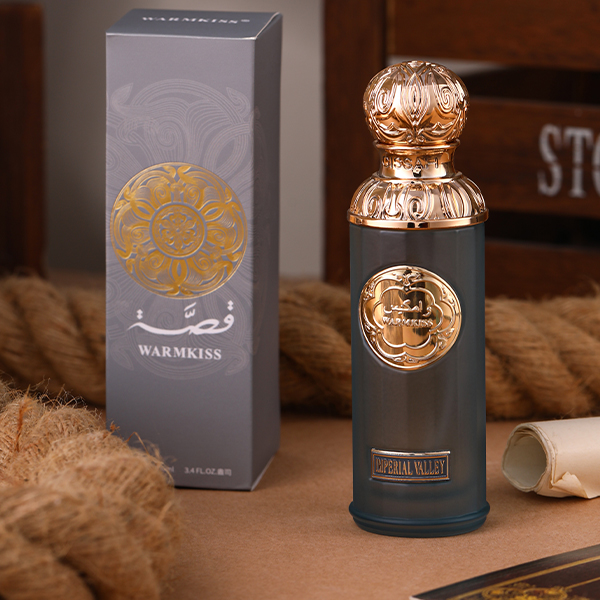
How Aili Cosmetics Approaches Halal-Oriented Perfume Development
At Shandong Aili Cosmetics, we do not view Muslim fragrance markets simply as “alcohol-free markets.”
Our approach is to understand the target country, consumer group, fragrance positioning and certification requirements before deciding on the formulation platform.
Aili has more than 30 years of cosmetics manufacturing experience, with 48 perfume production lines and a production capacity of approximately 300,000 bottles per day. Our fragrance-material sourcing includes major international fragrance suppliers such as Givaudan, Robertet and Symrise.
Depending on the project, we can develop different product formats, including:
- Halal-oriented EDP and EDT
- Alcohol-free perfume
- Water-based fragrance concepts
- Attar and perfume oil
- Roll-on perfume
- Body mist and body spray
- Customized private label perfume collections
For Muslim-market brands, the objective is to build a traceable, commercially practical and market-specific fragrance solution, rather than simply removing alcohol from a conventional formula.
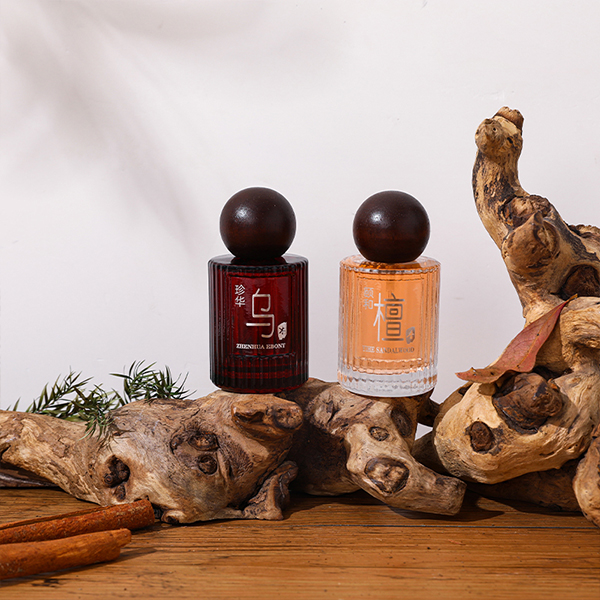
Frequently Asked Questions
Does halal perfume have to be alcohol-free?
No. Halal status and alcohol-free status are not identical. Certain non-khamr ethanol may be permissible in external cosmetics under relevant halal guidance, but certification requirements must be checked for the target market.
Can an alcohol-based perfume be halal?
Potentially, yes. The source of the ethanol, other ingredients, manufacturing process and applicable certification requirements all need to be considered.
Why is ethanol commonly used in perfume?
Ethanol is an effective solvent for many fragrance materials and helps create the rapid evaporation and diffusion associated with conventional spray perfumes.
Why do some Muslim consumers still prefer alcohol-free perfume?
Preferences may be influenced by individual religious interpretation, personal choice, skin considerations or cultural familiarity with perfume oils and attar.
Is attar the same as Eau de Parfum?
No. Attar or perfume oil is generally oil-based and has a different application and evaporation profile from alcohol-based EDP.
Is water-based perfume automatically halal?
No. Removing ethanol does not automatically make every ingredient or manufacturing process halal. The complete formulation and supply chain still need to be evaluated.
Should perfume brands sell both EDP and alcohol-free perfume?
For many Muslim markets, offering multiple formats can be commercially useful because consumers have different religious, cultural and sensory preferences.
What should buyers ask a halal perfume manufacturer?
Buyers should ask about alcohol source, fragrance-material documentation, animal-derived ingredients, production controls, certification status, formulation options and the requirements of the destination market.
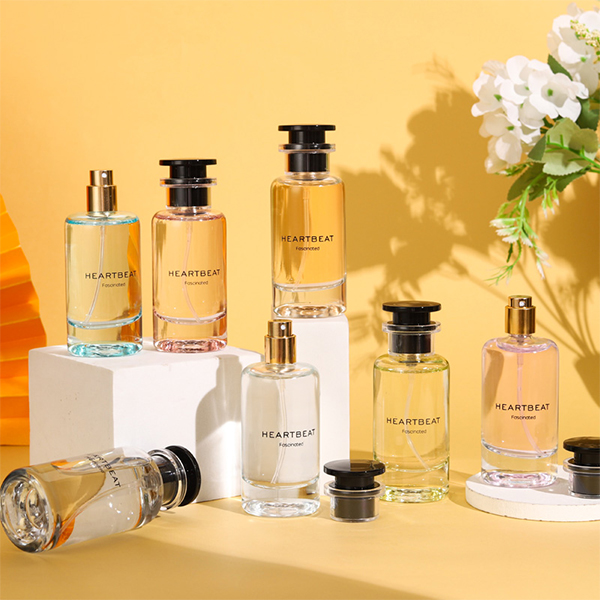
Conclusion: Halal Perfume Is About More Than Removing Alcohol
The Muslim perfume market should not be reduced to a simple formula of “halal = alcohol-free.”
Modern fragrance manufacturing depends heavily on ethanol because of its solvency, volatility and diffusion properties. At the same time, alcohol-free perfume, attar, perfume oil and water-based fragrance products can serve valuable consumer segments.
The more practical strategy is therefore to maintain both options.
For perfume brands entering Muslim markets, the key is to understand the distinction between halal compliance, alcohol-free positioning and consumer preference. With the right formulation, ingredient traceability and production controls, brands can develop modern EDP collections while also offering alcohol-free and oil-based alternatives.
For Aili Cosmetics, this is the foundation of our approach to halal perfume OEM/ODM manufacturing: not rejecting alcohol automatically, but developing the right fragrance format for the right consumer and the right market.