7 Quality Control Checkpoints إلى a Professional Perfume Factory
Use this perfume factory audit checklist to evaluate fragrance manufacturers in China بقلم شركة شاندونغ أيلي لمستحضرات التجميل. Learn how to inspect raw materials, production, filling, leak testing, stability control and export preparation before placing a bulk order.
Choosing a perfume fragrance manufacturer in China involves more than comparing quotations, bottle designs and minimum order quantities. Before placing a bulk order, buyers should verify how the factory manages fragrance raw materials, formula preparation, filling accuracy, bottle sealing, product stability and finished-goods inspection. These seven perfume factory audit checkpoints can help importers, private label brands and distributors distinguish a capable manufacturing partner from a supplier that mainly coordinates outsourced production.
في شركة شاندونغ أيلي لمستحضرات التجميل الشركة المحدودة., ، نؤمن بأن الجوهر الحقيقي للعطر يكمن في رائحته وجودته والمشاعر التي يثيرها — وليس في هوامش الربح التي تحددها شهرة العلامة التجارية وحدها. لفترة طويلة جدًّا، تم تصنيف العطور عالية الجودة على أنها سلع فاخرة حصرية. نحن ننظر إلى العطر من منظور مختلف: فهو وسيلة يومية للتعبير عن الذات والراحة الشخصية، وينبغي أن يكون في متناول الجميع بسهولة.
إن هدفنا يتجاوز بكثير مجرد خفض تكاليف الإنتاج. فمن خلال الاستفادة من خبرتنا التي تمتد لعقود في مجال التصنيع، وسلسلة التوريد المتكاملة، ومراقبة الجودة التي لا تقبل المساومة، نسد الفجوة بين تصميم العطور الفاخرة والقدرة على شرائها يوميًا بأسعار معقولة. نحن لا نسعى إلى منافسة قطاع المنتجات الفاخرة، بل إلى الارتقاء بالقيمة. ومن خلال تقديم جودة لا تضاهى بسعر يعكس القيمة الحقيقية للمنتج، تُمكّن شركة شاندونغ أيلي شركاءها ومستهلكيها حول العالم من الاستمتاع بفن العطور الراقية كمتعة يومية، وليس كرفاهية محصورة لفئة معينة.
1. Raw Material Storage and Fragrance Traceability
Fragrance concentrates, cosmetic-grade ethanol and packaging components need appropriate storage conditions. Exposure to excessive heat, direct sunlight, moisture or unsuitable containers can affect material quality and create problems during production.
During a factory audit, buyers should inspect the raw material warehouse and ask how incoming materials are identified and released for use.
Key points to verify include:
- Clearly labeled containers showing material name, batch number and storage requirements
- Appropriate light and temperature protection for sensitive fragrance materials
- Sealed drums or containers compatible with the stored ingredients
- Incoming inspection records and supplier documentation
- Quarantine procedures for materials awaiting quality approval
- FIFO or FEFO inventory management where appropriate
A manufacturer may source fragrance materials from established international fragrance houses, but buyers should still request project-relevant documentation. Supplier names alone do not prove the quality or traceability of every ingredient used in a finished perfume.
2. Compounding, Maceration and Filtration Facilities
Perfume production begins with accurate weighing, controlled mixing and appropriate handling of fragrance concentrate and solvent. The process must produce a homogeneous liquid with consistent odor characteristics and physical appearance.
Ask to see the compounding area, mixing equipment and bulk storage tanks. Stainless-steel tanks are commonly used because they are durable and can be cleaned appropriately for production. Their grade, construction and cleaning procedures should match the materials being processed.
Maceration time varies according to the formula and manufacturing process. It should not be assumed that every perfume requires a fixed 14-to-35-day period.
Filtration may be necessary to remove particles or precipitated materials, particularly when certain natural extracts or resinous ingredients are used. However, cooling temperature and filter specifications should be established through formulation trials. Buyers should ask the factory how it evaluates liquid clarity and whether the bulk formula remains stable after filtration and storage.
3. Workshop Safety and Flammable-Liquid Management
Alcohol-based perfumes require careful handling because ethanol-containing liquids can produce flammable vapor. A professional factory should have documented procedures for storing, transferring, mixing and filling these materials.
During an on-site or video audit, examine:
- Ventilation and vapor-management arrangements
- Electrical equipment suitable for the classified work environment
- Grounding and bonding procedures for relevant transfer equipment
- Fire detection, firefighting equipment and emergency exits
- Staff training and operating procedures
- Controls for spills, static electricity and ignition sources
Specific requirements depend on local regulations, equipment classification and the actual materials handled. Buyers should request relevant safety documentation rather than assuming that a supplier complies simply because it describes its workshop as explosion-proof.
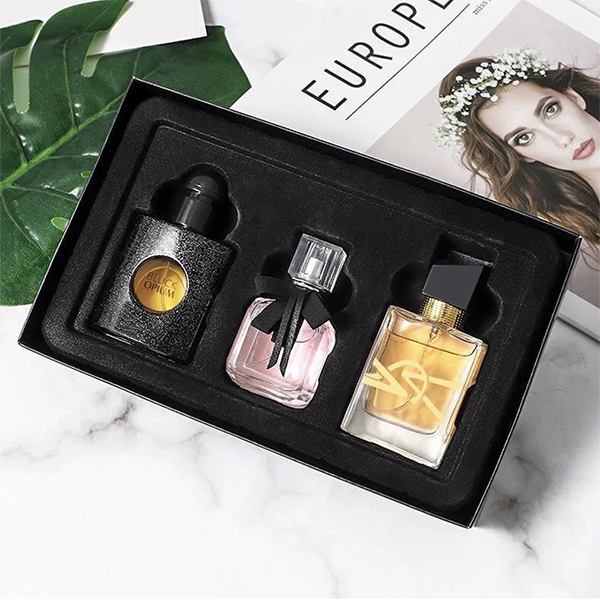
4. Filling Accuracy and Spray Pump Assembly
Filling and packaging consistency directly affect the finished product’s appearance, usability and declared net content.
Automated or semi-automated filling equipment can improve production efficiency, but automation alone does not guarantee accuracy. Buyers should ask how the factory checks filling volume, adjusts equipment and records inspection results.
For spray perfumes, inspect the complete packaging assembly:
- Glass bottle capacity and neck-finish dimensions
- Pump and actuator compatibility
- Dip-tube length and position
- Crimp or closure consistency
- Cap fit and retention
- Spray pattern and liquid output per actuation
FEA 15 is a common perfume bottle neck-finish specification, but the pump must match the actual bottle and closure design. Spray testing should use the approved finished formula, since liquid properties can influence atomization.
5. Leakage Testing and Transport Protection
A bottle that appears sealed immediately after filling may still develop leakage during storage, handling or transport. Changes in temperature, pressure and physical movement can expose weaknesses in the pump, crimp, gasket or bottle assembly.
A perfume factory should have a defined packaging inspection procedure. Depending on the packaging design, this may include inverted storage, pressure or vacuum testing, visual inspection and transport simulation.
During the audit, ask the supplier to demonstrate its actual method and explain:
- Which packaging components are tested
- How test conditions are selected
- How long samples are observed
- What constitutes an acceptable result
- How failed samples are recorded and investigated
A vacuum pressure such as -0.06 to -0.08 MPa should not be treated as a universal requirement. Test pressure, duration and acceptance criteria need to be validated for the specific bottle and pump system.
Outer cartons also matter. Glass bottles should be separated by suitable partitions or inserts to reduce bottle-to-bottle impact. Buyers should request photographs or samples of the actual export packaging rather than relying only on a carton specification sheet.
6. In-House Quality Control and Stability Testing
A reliable perfume manufacturer should have a documented quality-control process covering incoming materials, bulk liquid, filling operations and finished products.
An in-house laboratory may support routine checks such as appearance, odor comparison, specific gravity, filling quantity and packaging performance. More specialized chemical or microbiological testing may be conducted internally or through qualified external laboratories, depending on the product and test requirements.
For perfume projects, ask whether the factory can provide:
- Approved fragrance reference samples
- Batch inspection and filling records
- Appearance and odor comparison results
- Relevant stability observations
- Packaging compatibility records
- Corrective-action records for nonconforming batches
Stability testing should reflect the formula, packaging and intended distribution conditions. Elevated-temperature storage, low-temperature exposure, temperature cycling and light exposure can help identify potential color changes, precipitation, odor shifts or packaging failures.
No single accelerated test automatically proves a product’s full commercial shelf life. Buyers should review the test conditions and conclusions rather than looking only for the presence of a laboratory.
7. Finished-Goods Traceability and Export Readiness
Before cartons leave the factory, buyers should verify that finished products can be traced back to their production batches.
Each finished-goods record should connect relevant information such as the product code, batch number, production date, inspection status and packaging details. Retained samples can also help investigate complaints or compare a delivered batch with the approved reference.
For export orders, documentation must match the product and destination market. Depending on the formula and applicable requirements, buyers may need SDS information, fragrance-related documentation, ingredient or allergen information, labeling details and transport documents.
Importantly, not every perfume shipment automatically falls under UN 1266 or the same Class 3 dangerous-goods packaging requirements. Classification depends on the finished product, its properties and the applicable transport rules. Buyers should confirm the classification and packaging requirements with the manufacturer and freight forwarder before shipment.
What Buyers Should Look for in an Established Perfume Manufacturer
Shandong Aili Cosmetics Co., Ltd. has been engaged in cosmetics and fragrance manufacturing since 1993. Our manufacturing operations include 48 perfume production lines, with a reported daily perfume production capacity of more than 300,000 bottles. Our business serves customers in more than 100 countries and regions.
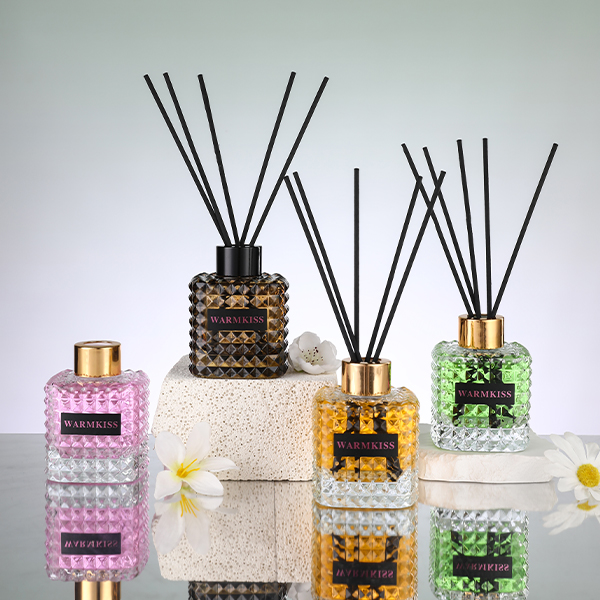
Located in Linyi, Shandong, our manufacturing base supports perfume production and related fragrance categories, including reed diffusers and selected personal-care and home-care products. We also work with fragrance resources including Robertet, Givaudan and Symrise, according to project requirements.
For buyers evaluating our capabilities, we recommend discussing the actual product specification rather than relying on factory size or production capacity alone. A useful audit should cover the fragrance formula, bottle and pump combination, approved packaging sample, batch inspection process and export requirements.
Before placing a bulk order, procurement teams can take three practical steps:
- Arrange a live factory walkthrough:Ask to see raw material storage, compounding, filling, packaging and finished-goods inspection.
- Request relevant production records:Review a comparable product’s batch inspection documents, stability observations and packaging test results.
- Confirm the contracting and export entities:Check the registered company name, production responsibility, payment beneficiary and the entity named on relevant export documents.
الأسئلة الشائعة
1. How do I verify whether a perfume supplier in China is a real factory?
Request a live production walkthrough, business registration details, equipment and workshop evidence, production records and confirmation of which processes are performed in-house.
2. What should a perfume factory audit checklist include?
It should cover raw material storage, compounding, filtration, workshop safety, filling accuracy, leakage testing, stability control, finished-goods traceability and export documentation.
3. Does every perfume factory need a maceration tank?
Not every formula requires the same maturation process or equipment configuration. Buyers should evaluate whether the manufacturer’s actual process is suitable for the product being developed.
4. How can buyers check perfume bottle leakage before shipment?
Ask for packaging compatibility records and a demonstration of the factory’s leakage inspection method. Inverted storage, pressure testing and transport simulation may be used where appropriate.
5. Does a factory need an in-house laboratory?
An in-house laboratory is useful for routine quality checks and process control. Specialized testing can also be performed by qualified external laboratories when necessary.
6. Are all alcohol-based perfumes classified as UN 1266?
No. Dangerous-goods classification depends on the finished product’s properties and applicable transport regulations. The manufacturer and freight forwarder should confirm the correct classification.
7. What documents should I request before placing a bulk perfume order?
Depending on the project, request the approved product specification, relevant ingredient and fragrance documents, SDS information, batch inspection records, packaging specifications and applicable transport documentation.
8. Should I inspect a perfume factory before paying a production deposit?
Yes, particularly for a first order or a large production run. A factory audit, approved pre-production sample and written quality requirements can reduce misunderstandings and production risks.
الخلاصة
A reliable perfume factory should be able to explain not only how it produces a fragrance, but also how it controls raw materials, verifies filling and sealing, monitors stability and traces finished batches. For bulk perfume sourcing in China, these seven checkpoints provide a practical basis for supplier evaluation.
في شركة شاندونغ أيلي لمستحضرات التجميل, we believe long-term manufacturing partnerships begin with clear specifications and verifiable production processes. Buyers should evaluate the actual product, equipment, quality records and export arrangements together before approving mass production.