
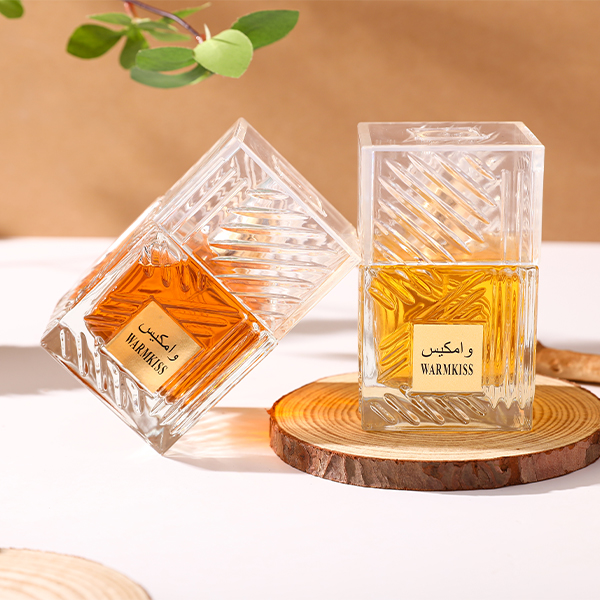
Middle East vs. Africa Perfume Fragrance Markets
Compare the Middle East and African perfume markets by fragrance preferences, concentration, packaging, pricing, distribution and regulatory requirements. Learn how Shandong Aili Cosmetics develops perfume fragrance OEM/ODM solutions for both regions.
The Middle East and Africa are important destinations for Chinese perfume manufacturers, but their fragrance industries operate under different commercial conditions. The Middle East has a well-established perfume culture, strong demand for concentrated fragrances and a developed network of specialist perfume retailers and distributors. Africa, by contrast, is a diverse collection of markets with different income levels, retail structures and product preferences.
For a Chinese perfume OEM/ODM manufacturer such as Shandong Aili Cosmetics, understanding these differences is essential when selecting fragrance formulas, bottle sizes, packaging materials and price positioning. A product designed for a premium perfume retailer in Saudi Arabia may not be commercially suitable for a mass-market distributor in Nigeria or Kenya.
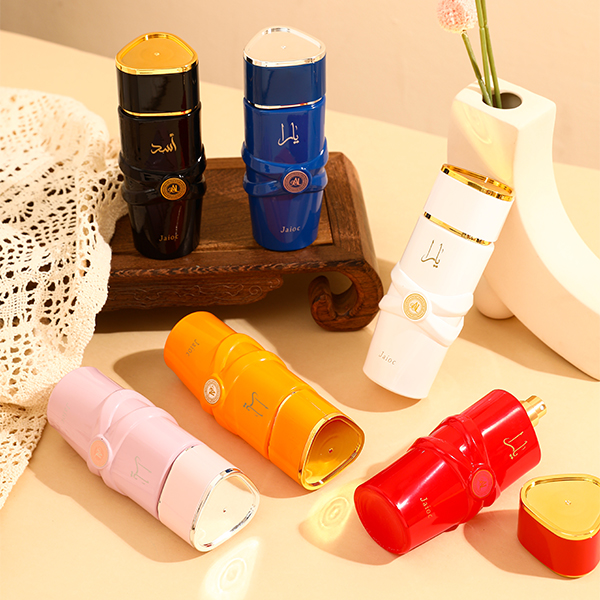
1. Middle East and Africa: Key Perfume Market Differences
| Factor | Middle East | Africa |
| Main consumption drivers | Fragrance culture, personal presentation, hospitality and gifting | Personal grooming, fragrance preference, affordability and growing urban consumption |
| Popular fragrance directions | Oud, amber, rose, saffron, musk and incense | Varies by region; fruity, floral, woody, musky and oriental fragrances |
| Common product formats | EDP, concentrated perfume, perfume oil and bakhoor | EDP, body spray, deodorant, roll-on and smaller perfume bottles |
| Packaging | Decorative glass, substantial caps and premium gift boxes | Practical glass or plastic bottles, aerosol cans and compact formats |
| Distribution | Import wholesalers, perfume retailers and specialist stores | Importers, wholesalers, open markets, independent retailers and modern retail |
| Price positioning | Strong premium and mid-to-high-end segments | Broad price spectrum, with significant price-sensitive segments |
| Business priorities | Fragrance identity, presentation and consistent supply | Unit cost, product durability, distribution efficiency and affordability |
These are general commercial patterns, not universal consumer rules. Both regions contain premium and mass-market buyers, and product decisions should be made at country and customer level.
2. Fragrance Preferences: Oriental Richness and Regional Diversity
In the Gulf markets, including Saudi Arabia and the UAE, rich oriental fragrance profiles have a long commercial history. Oud, amber, rose, saffron, musk, leather and incense are frequently used in premium perfume collections. Consumers are familiar with layered fragrance structures and products designed for strong presence and extended wear.
Perfume oils and concentrated fragrances also have established positions alongside alcohol-based EDP products. Gift sets and decorative bottles are particularly relevant to certain retail and gifting channels.
Africa requires a more differentiated approach.
North Africa, including Egypt, Morocco, Algeria and Tunisia, has fragrance traditions influenced by both Arab and Mediterranean markets. Woody, floral, oriental and internationally familiar designer-style fragrance profiles can all find customers.
West Africa, particularly Nigeria and Ghana, offers opportunities across both affordable body sprays and stronger alcohol-based perfumes. Fruity, sweet, floral, woody and musky profiles may appeal to different customer groups. Price, availability and perceived fragrance performance are important purchase considerations.
East Africa, including Kenya and Tanzania, has diverse retail channels and established regional trading connections. Smaller perfume bottles, roll-on oils and affordable spray products can be practical formats for different distribution models.
South Africa has a comparatively developed modern retail environment. International fragrance trends, packaging presentation, ingredient information and regulatory compliance are important considerations for brands selling through established retailers.
The key lesson for manufacturers is that Africa should not be treated as one fragrance market. A single fragrance collection may require different product selections and price points for different countries.

3. Concentration and Product Formats: EDP, Body Spray and Perfume Oil
The Middle Eastern market offers opportunities for EDP, extrait-style perfumes and concentrated perfume oils. Higher fragrance concentration can support a richer scent profile, but actual performance also depends on the fragrance composition, volatility of the ingredients and finished-product formulation.
In Africa, product formats are more strongly divided by purchasing power and retail channel.
- EDP spray perfumes:Suitable for middle-income consumers, perfume retailers and customers seeking a more conventional fragrance experience.
- Body sprays and deodorant sprays:Practical for everyday personal-care use and price-sensitive distribution channels.
- Roll-on perfume oils:Compact formats that can reduce packaging costs and are convenient for individual retail sales.
- Small perfume bottles:10ml, 15ml, 30ml and 50ml formats can support trial purchases, travel use and affordable retail price points.
For manufacturers, the important distinction is not simply fragrance concentration. It is the relationship between formula cost, package cost, filling volume, retail price and the customer’s expected use.
4. Packaging: Premium Glass vs. Practical Distribution Design
Middle Eastern perfume buyers often place considerable emphasis on packaging weight, surface finish and visual presentation. Thick-base glass bottles, metallic caps, magnetic closures, electroplated decoration and rigid gift boxes are common options in premium product development.
These components influence both appearance and landed cost. A heavy glass bottle also requires suitable carton inserts and transport protection to reduce the risk of breakage.
In many African mass-market channels, practical packaging can be more commercially effective. Aluminum aerosol cans, plastic roll-on containers and lightweight perfume bottles can help control unit costs and simplify retail handling.
For 30ml–50ml spray perfumes, manufacturers should pay attention to:
- Bottle wall thickness and resistance to impact.
- Pump and bottle-neck compatibility.
- Cap retention during transport.
- Carton strength and internal protection.
- Label readability and resistance to handling.
At Aili, we consider packaging as part of the complete product cost rather than an isolated design decision. A visually attractive bottle is only commercially successful when its material cost, filling efficiency and transport performance are also appropriate.

5. Pricing and Distribution: Different Routes to Commercial Success
Middle Eastern perfume distribution commonly involves importers, established wholesalers, specialist perfume shops and regional distributors. Buyers may purchase substantial quantities of a successful SKU and expect consistent formula, packaging and repeat-order quality.
African distribution is more fragmented. Depending on the country, products may move through importers, major wholesalers, secondary distributors, open markets, independent cosmetic shops and supermarket chains.
This creates different cost requirements. Products sold through multiple distribution levels must leave sufficient margin for importers, wholesalers and retailers. Packaging durability and manageable shipping costs can therefore have a direct effect on profitability.
FOB prices should always be evaluated by bottle size, formula specification, fragrance concentrate cost, packaging components and order quantity. A premium 100ml glass perfume and a basic 30ml body fragrance are not directly comparable.
For OEM buyers, we recommend establishing separate product and quotation structures for premium Middle Eastern collections and affordable African distribution lines.
6. Regulatory Requirements: GCC and African Country Markets
Regulatory requirements should be checked for the specific destination and product category.
In Gulf markets, cosmetic and perfume products may be subject to national requirements and relevant GCC technical regulations. Saudi Arabia uses the SABER conformity platform for applicable regulated products, while cosmetics also have separate registration and compliance requirements. The UAE has its own product registration and conformity procedures.
African markets have different national frameworks. Examples include:
- Nigeria:NAFDAC regulates cosmetics and relevant product registration.
- Kenya:KEBS administers applicable product standards and conformity assessment requirements, including relevant PVoC procedures.
- Tanzania:TBS oversees applicable product standards and conformity requirements.
- South Africa:Cosmetic products must comply with applicable local product safety, labeling and consumer-protection requirements.
Requirements can differ according to product classification, ingredients, packaging and import arrangements. Manufacturers should confirm registration, labeling, documentation and pre-shipment inspection requirements with the importer or local regulatory specialist before production.
Halal-related requirements may also matter in certain Middle Eastern and African markets, but they should be assessed according to the destination country’s rules and the buyer’s positioning.
7. How Shandong Aili Cosmetics Approaches Both Markets
At Shandong Aili Cosmetics, we view the Middle East and Africa as two different product-development directions.
Our perfume manufacturing experience, 48 perfume production lines and production capacity exceeding 300,000 bottles per day provide a manufacturing foundation for different bottle sizes, fragrance collections and OEM/ODM projects.
For Middle Eastern customers, we can develop richer woody, amber, floral and oriental fragrance directions, together with larger glass bottles, decorative caps and gift packaging.
For African customers, product planning may include affordable EDP sprays, fruity and floral fragrances, roll-on perfume oils and practical body spray formats. Bottle weight, packaging protection and total landed cost deserve particular attention.
We also support the coordination of fragrance selection, bottle design, spray components and outer packaging. Our objective is to help buyers develop products that fit their local distribution channels instead of offering the same specification to every market.
8. Frequently Asked Questions
- Is the Middle East a more premium perfume market than Africa?
The Middle East has a particularly strong established premium fragrance culture. Africa, however, includes premium markets as well as large price-sensitive consumer segments. The difference is primarily market structure and purchasing power, not an absence of premium demand.
- Which fragrance notes are popular in the African perfume market?
Preferences vary by country and consumer group. Fruity, sweet, floral, woody, oriental and musky profiles can all find commercial opportunities. Buyers should test fragrances with their intended customers.
- Are body sprays more suitable than glass perfume bottles for Africa?
Body sprays can be suitable for mass-market personal-care channels because of their practical formats and price positioning. Glass perfume bottles remain relevant in middle-income and premium segments.
- What perfume sizes should manufacturers offer to African buyers?
10ml–30ml formats can support affordable trial and convenience purchases, while 30ml–50ml bottles can serve broader retail collections. The right size depends on the target retail price and distribution model.
- Why are heavy perfume bottles popular in the Middle East?
Substantial glass, decorative caps and premium boxes can strengthen perceived product value and suit gifting-oriented retail. However, packaging weight should still be balanced against shipping and breakage costs.
- What certifications or registrations are needed to export perfumes to Africa?
There is no single approval covering the entire continent. Requirements vary by destination. Examples include NAFDAC in Nigeria, KEBS procedures in Kenya and TBS requirements in Tanzania.
- Can one perfume OEM manufacturer serve both the Middle East and Africa?
Yes. A manufacturer can share production resources while developing different formulas, packaging specifications and price structures for each region.
- What should African and Middle Eastern buyers look for in a Chinese perfume supplier?
Important factors include fragrance development, formula consistency, bottle and pump compatibility, packaging quality, production capacity, regulatory documentation and reliable repeat-order management.

Conclusion
The Middle East and Africa offer different opportunities for perfume manufacturers. The Middle East is particularly suitable for premium fragrance collections, concentrated perfumes and decorative packaging. Africa requires a more segmented approach, with product portfolios designed around local purchasing power, retail channels and packaging economics.
For Shandong Aili Cosmetics, the opportunity is to combine manufacturing scale with flexible product development. By adjusting fragrance profiles, bottle sizes, packaging materials and cost structures to each destination, we can support buyers in building more competitive perfume collections across both regions.