
Understanding the Southeast Asia Perfume Market
Explore the Southeast Asia perfume &Fragrance market by Shandong Aili Cosmetics, including consumer preferences, fresh and aquatic fragrances, body mists, roll-on perfumes, halal-related demand, and OEM opportunities.
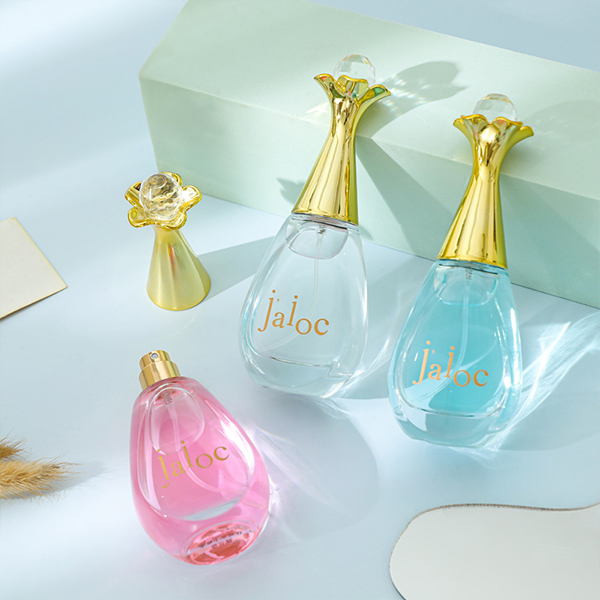
The Southeast Asia perfume market is shaped by a combination of hot and humid climates, youthful consumers, growing beauty consumption, social commerce, and demand for affordable fragrance products. Markets such as Indonesia, Malaysia, Thailand, Vietnam, the Philippines, and Singapore have different consumer profiles, but several common preferences can be identified.
Compared with colder or more mature fragrance markets, many Southeast Asian consumers look for perfumes that feel fresh, clean, comfortable, and easy to wear in warm weather. Citrus, aquatic, fruity, floral, green, and clean-musky profiles therefore have strong potential, while lightweight formats such as body mist, roll-on perfume, and portable fragrance products can complement traditional EDP and EDT products.
For perfume brands and distributors, Southeast Asia offers opportunities across both mass-market and premium segments, particularly when fragrance development, packaging, price positioning, and product formats are adapted to local conditions.
How Hot and Humid Weather Influences Fragrance Preferences
Climate is one of the most important factors for perfume brands entering Southeast Asia.
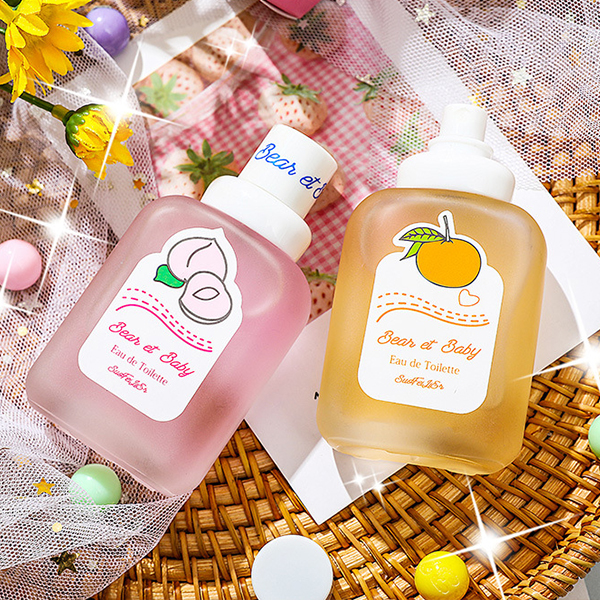
High temperatures and humidity can influence how fragrance is perceived on the skin. Heavy fragrance compositions may feel intense or uncomfortable to some consumers during daytime use, while fresh and breathable profiles can be easier to wear.
Commonly suitable fragrance directions include:
| Fragrance Direction | Typical Consumer Appeal | Potential Product Formats |
| Citrus | Fresh, clean, energetic | EDT, body mist, roll-on |
| Aquatic | Cooling and refreshing | EDT, body mist |
| Fruity | Youthful and approachable | EDP, body mist |
| Floral | Feminine and versatile | EDP, EDT |
| Green/Herbal | Natural and refreshing | EDT, roll-on |
| Clean Musk | Soft, comfortable, everyday | EDP, body mist, perfume oil |
This does not mean that Southeast Asian consumers only want light fragrances. Stronger fragrances, woody scents, oriental profiles, and long-lasting EDPs also have their own audiences. The more useful approach for brands is to build different fragrance intensity levels for different occasions and consumer groups.
Body Mist Is an Important Product Opportunity
Body mist deserves particular attention in Southeast Asian fragrance development.
Compared with traditional perfume, body mist can be positioned as a more casual and frequently used fragrance product. Consumers can use it after showering, before going out, during the day, or for fragrance refreshment.
For younger consumers, body mist can also become part of a broader personal-care fragrance collection.
A brand might develop a coordinated product line containing:
- Body mist
- Eau de parfum
- Eau de toilette
- Body lotion
- Shower gel
- Roll-on perfume
- Perfume oil
- Fragrance gift sets
This creates opportunities for fragrance layering while allowing consumers to choose products according to budget, occasion, and desired fragrance intensity.
For OEM and private label brands, body mist can also provide a relatively accessible entry point before expanding into a wider fragrance portfolio.
Roll-On and Portable Perfumes Fit Mobile Lifestyles
Portability is another important consideration.
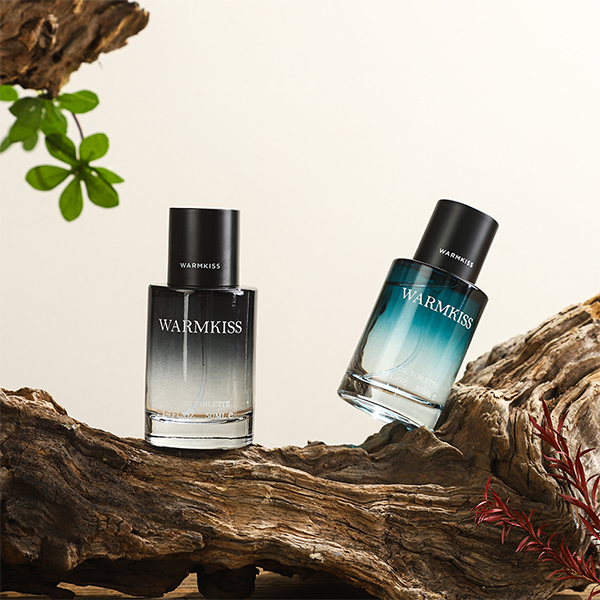
Small perfume bottles, roll-ons, travel sprays, and compact fragrance products can be attractive for consumers who want to carry perfume to work, school, shopping malls, travel destinations, or social activities.
For brands targeting Southeast Asia, formats such as 10ml, 15ml, or other compact packaging can be considered alongside conventional 50ml and 100ml bottles.
Portable products can also support:
- Trial purchases
- Gift sets
- Discovery collections
- Impulse purchases
- Online sales
- Travel retail
- Multi-fragrance collections
Rather than relying on a single large bottle, brands can create a portfolio with several price points and product sizes.
Halal Considerations Need a More Flexible Product Strategy
Indonesia and Malaysia are particularly important markets when brands consider halal-related product requirements.
However, halal positioning should not simply be interpreted as “alcohol-free perfume.” Alcohol-based EDP and EDT products remain commercially important, while alcohol-free perfume oils, attars, water-based fragrances, and roll-ons can serve consumers with different preferences and requirements.
For manufacturers, a more practical strategy is to develop multiple product formats instead of assuming that one formulation fits every consumer.
Depending on the target market and applicable requirements, a fragrance portfolio may include:
| Product Strategy | Potential Application |
| Alcohol-based EDP/EDT | Mainstream fragrance market |
| Alcohol-free perfume | Consumers seeking alcohol-free formats |
| Attar/perfume oil | Traditional and concentrated fragrance positioning |
| Water-based fragrance | Lightweight and alternative-format products |
| Roll-on perfume | Portable and convenient use |
| Body mist | Frequent daytime application |
Brands should also evaluate the complete ingredient and production chain when pursuing halal-related positioning, rather than focusing on alcohol alone.
Southeast Asian Consumers Are Increasingly Influenced by Social Commerce
Fragrance discovery is no longer limited to physical perfume counters.
Social media platforms, short-form video, influencers, beauty creators, and e-commerce platforms increasingly influence how consumers discover new fragrances.
For perfume brands, this creates demand for products that are easy to communicate visually and emotionally.
Useful marketing concepts include:
- “Fresh fragrance for hot weather”
- “Clean everyday scent”
- “Long-lasting tropical fragrance”
- “Office-friendly perfume”
- “Date-night fragrance”
- “Layering fragrance collection”
- “Portable perfume for travel”
- “Affordable luxury fragrance”
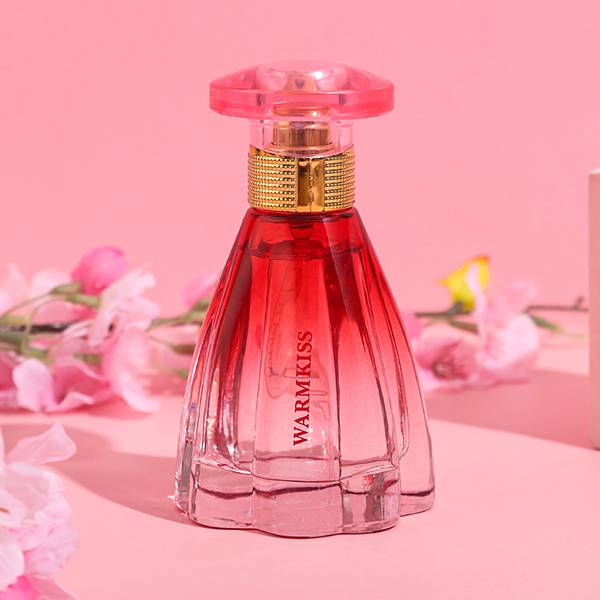
Packaging also becomes important because online shoppers often encounter the product through images or short videos before they smell it physically.
A recognizable bottle, clear fragrance positioning, attractive gift packaging, and strong product storytelling can therefore support online conversion.
Price-Performance Matters in Southeast Asia
Southeast Asia contains markets with very different income levels and purchasing behaviors. A successful perfume portfolio therefore should not rely exclusively on premium pricing.
For many brands, a tiered product strategy can be more practical:
| Segment | Product Direction | Positioning |
| Entry | Body mist, roll-on | Affordable everyday fragrance |
| Mid-range | EDT, EDP | Daily personal fragrance |
| Premium | High-concentration EDP | Longer-lasting, sophisticated fragrance |
| Niche | Special accords, limited collections | Storytelling and differentiation |
This approach allows one fragrance brand to reach multiple consumer groups while maintaining a clear product hierarchy.
What Southeast Asia Perfume Brands Should Look for in an OEM/ODM Manufacturer
Choosing a perfume manufacturer for Southeast Asia requires more than checking factory price.
Brands should evaluate whether the manufacturer can adapt products to the region’s climate, target consumer, price point, and preferred formats.
Key questions include:
- Can the manufacturer develop fresh, aquatic, citrus, floral, fruity, and clean fragrance profiles?
- Can it produce both EDP and lightweight formats such as body mist and roll-on?
- Can packaging be customized for different market segments?
- Can the manufacturer support halal-related product development where required?
- Can fragrance stability and packaging compatibility be evaluated?
- Can the supplier provide technical documentation for international trade?
- Can the factory support both small initial orders and larger production volumes?
- Can the supplier coordinate fragrance, bottles, packaging, production, and export?
A manufacturer that can integrate these processes can reduce the number of separate suppliers a brand needs to manage.
How Aili Cosmetics Supports Southeast Asia-Oriented Fragrance Development
For Southeast Asian projects, Shandong Aili Cosmetics can support fragrance development and OEM/ODM production around the region’s climate, product formats, and consumer preferences.
Aili can develop and manufacture products including EDP, EDT, body mist, perfume oil, roll-on perfume, and related personal-care fragrance products, while coordinating fragrance materials, bottles, packaging, production, quality control, and export preparation.
Its fragrance development resources include materials sourced from major international fragrance suppliers such as Givaudan, Robertet, and Symrise, while its production system supports large-scale perfume manufacturing and customized private label projects.
For brands targeting Indonesia, Malaysia, Thailand, Vietnam, the Philippines, Singapore, or other Southeast Asian markets, product development can therefore be built around the specific combination of fragrance profile, concentration, format, packaging, price level, and market requirements.
Southeast Asia Perfume Market: Practical Product Selection Guide
| Market Need | Recommended Direction |
| Hot-weather daily fragrance | Citrus, aquatic, green, clean musk |
| Young consumer segment | Fruity, floral, sweet, fresh |
| Frequent fragrance refresh | Body mist |
| Portable use | Roll-on, travel spray, perfume oil |
| Halal-oriented portfolio | Evaluate alcohol-based and alcohol-free formats separately |
| Premium positioning | Higher-concentration EDP and sophisticated packaging |
| E-commerce | Compact sizes, gift sets, strong visual packaging |
| Mass-market distribution | Competitive fragrance + packaging + MOQ |
The key is not to develop a single “Southeast Asian perfume.” Instead, brands should build a product portfolio around specific consumer occasions and price segments.
FAQs About the Southeast Asia Perfume Market
What perfume scents are popular in Southeast Asia?
Fresh citrus, aquatic, fruity, floral, green, and clean-musky fragrances can be attractive in Southeast Asian markets, particularly for everyday use in warm and humid conditions. Stronger woody, amber, and oriental fragrances also have established consumer segments.
Is body mist popular in Southeast Asia?
Body mist has strong product potential because it is lightweight, easy to reapply, and suitable for frequent fragrance refreshment. It can also complement EDP, body lotion, and shower products in a fragrance layering collection.
Is roll-on perfume suitable for Southeast Asian markets?
Yes. Roll-on perfume is portable and convenient, making it suitable for consumers who want fragrance products for travel, work, school, or frequent reapplication.
Do Southeast Asian perfume brands need alcohol-free products?
Not necessarily. Alcohol-free products can serve specific consumer preferences and market requirements, but alcohol-based EDP and EDT remain important fragrance formats. Brands should determine the appropriate formulation according to their target market and compliance requirements.
Should a Southeast Asian perfume brand focus on fresh fragrances?
Fresh fragrances are an important opportunity because of the region’s warm and humid climate. However, a complete portfolio can also include floral, fruity, woody, amber, gourmand, and other fragrance families to address different consumer groups.
What perfume formats should brands consider for Southeast Asia?
A portfolio can include EDP, EDT, body mist, roll-on perfume, perfume oil, and travel-size products. Different formats allow brands to cover different occasions and price levels.
What should brands consider when choosing a Southeast Asia perfume OEM manufacturer?
Brands should evaluate fragrance development, climate suitability, product formats, packaging integration, MOQ, quality control, technical documentation, export experience, and the manufacturer’s ability to maintain consistent quality at scale.
Can Chinese perfume manufacturers serve Southeast Asian brands?
Yes. Chinese OEM/ODM manufacturers can integrate fragrance development, packaging sourcing, production, quality control, and export preparation. For buyers, the important issue is whether the individual supplier can meet the required fragrance, quality, compliance, MOQ, and delivery standards.
Conclusion
The Southeast Asia perfume market offers opportunities across body mist, EDP, EDT, roll-on perfume, perfume oil, and other portable fragrance formats. Climate, price-performance, convenience, social commerce, and local consumer preferences all influence product selection.
For perfume brands entering the region, the most practical strategy is not simply to copy a European or Middle Eastern fragrance portfolio. Instead, brands can combine fresh and climate-appropriate fragrances with different concentrations, portable formats, attractive packaging, and flexible price positioning.
For OEM/ODM buyers, the right manufacturing partner should be able to connect fragrance development with packaging, production, quality control, compliance preparation, and export support. This integrated approach can make it easier to turn a fragrance concept into a commercially viable product for Southeast Asian consumers.