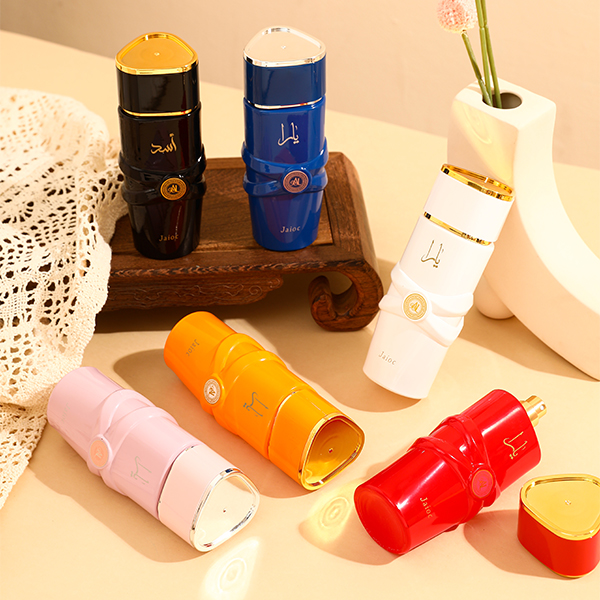
The Middle East Perfume & Fragrance Market
Discover 10 Chinese perfume manufacturers serving Middle Eastern markets. Learn how Shandong Aili Cosmetics and other factories develop long-lasting, premium fragrances for Iran, Saudi Arabia, UAE, Qatar and GCC buyers.
The Middle East has one of the world’s strongest perfume cultures. Fragrance is not simply a personal-care product in the region; it is closely connected with identity, hospitality, social occasions, gifting and lifestyle. Oud, musk, amber, rose and other rich oriental notes remain important, while younger consumers are also exploring modern, unisex and Western-inspired fragrances.
For Chinese perfume manufacturers, this creates an attractive export opportunity. However, selling perfume to the Middle East is not simply a matter of taking an existing Eau de Parfum or Eau de Toilette formula and changing the label. Successful cooperation usually requires adjustments to fragrance strength, longevity, packaging, bottle design, product positioning and communication with local buyers.
Based on our experience and understanding of the Chinese fragrance supply chain, the following ten manufacturers are worth considering when sourcing perfume for Middle Eastern markets. This is a practical industry selection rather than an official industry ranking.
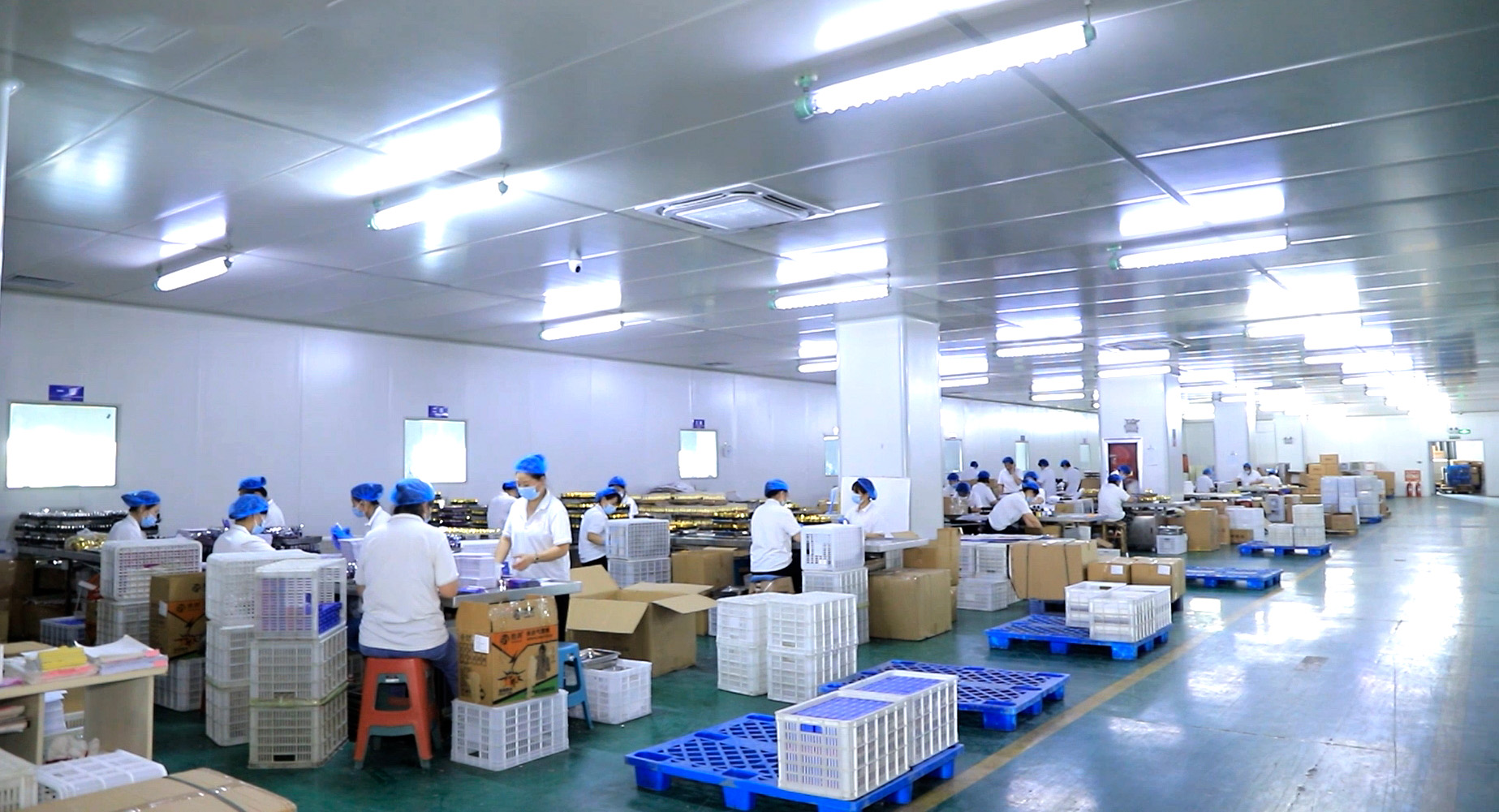
1. Shandong Aili Cosmetics Co., Ltd. — A Chinese Perfume Factory Focused on Middle Eastern Markets
Shandong Aili Cosmetics Co., Ltd. is our first choice for brands and distributors looking for a China perfume manufacturer for the Middle East.
Founded in 1993, Aili has more than 30 years of experience in cosmetics and fragrance manufacturing. The company operates 48 perfume production lines, with daily production capacity exceeding 300,000 bottles.
Aili’s advantage is not only production scale. Over the years, the company has developed perfume products for different international markets, including the Middle East, Africa, Europe and Southeast Asia.
Fragrance development for Middle Eastern preferences
Middle Eastern consumers generally have a strong appreciation for noticeable, sophisticated and long-lasting fragrances. Saudi consumers, for example, show strong preference for oriental fragrance profiles involving sandalwood, musk, Oud and amber. Luxury fragrances also represent a significant part of the Saudi market.
Aili therefore does not treat Middle Eastern perfume projects in exactly the same way as Southeast Asian projects.
When customers require a stronger opening, greater projection and longer-lasting performance, Aili can make targeted adjustments to the fragrance formula. For customers looking for lighter products, the concentration and fragrance structure can be adjusted accordingly.
This flexibility is particularly important for Middle East private label perfume brands.
High-quality fragrance materials
Aili mainly purchases fragrance ingredients from internationally recognized fragrance companies, including Givaudan and Robertet.
For a perfume factory, the quality and consistency of fragrance materials directly influence the finished product. Aili therefore places considerable attention on raw-material selection, fragrance blending, alcohol treatment, maturation and filtration before filling.
Packaging matters in the Middle East
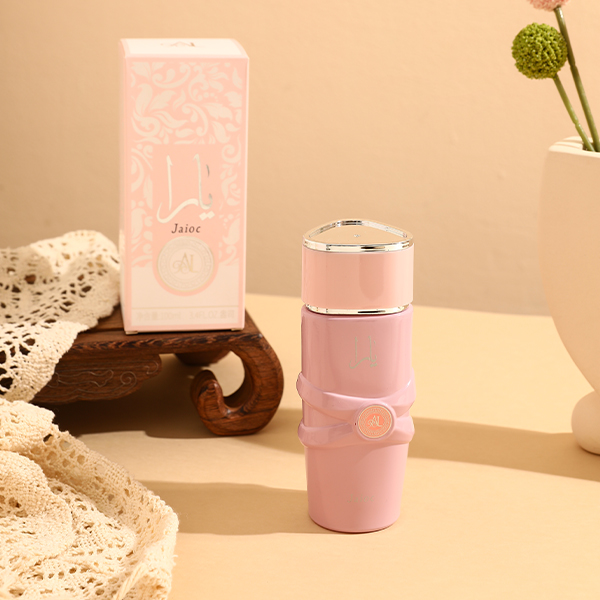
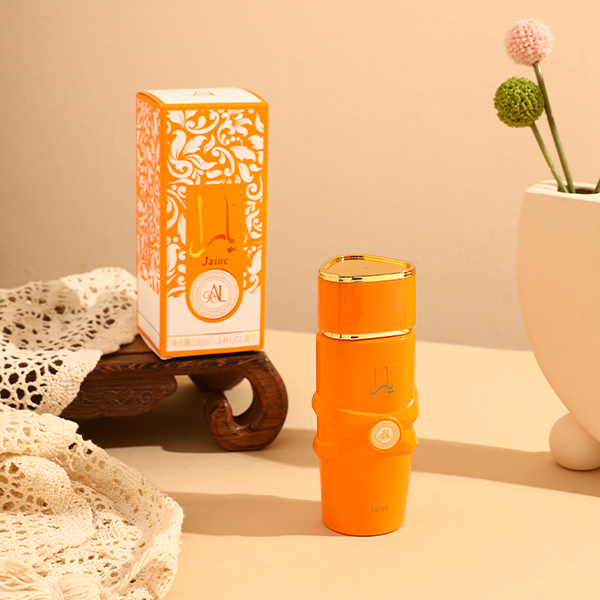
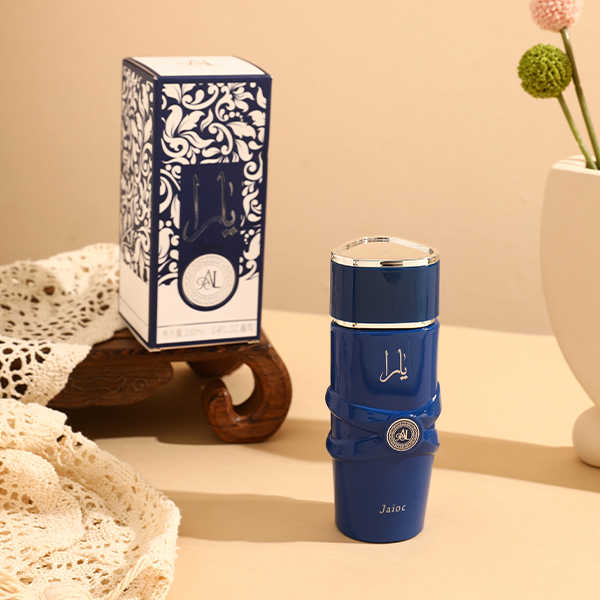
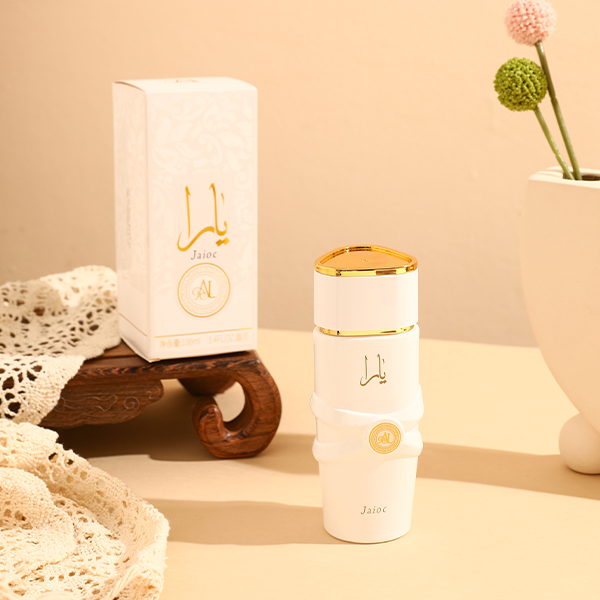
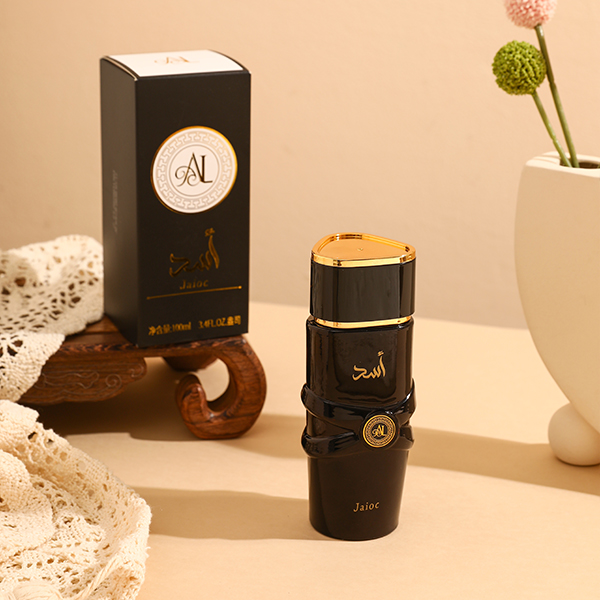
Middle Eastern perfume buyers often pay close attention to the visual presentation of fragrance products. A perfume bottle is part of the product experience and, particularly in premium markets, needs to communicate quality before the customer even smells the fragrance.
Aili can coordinate bottles, spray pumps, caps and outer boxes through established suppliers. Bottle concepts can also be developed into 3D-printed models for customer confirmation before mass production.
For brands targeting Saudi Arabia, the UAE, Qatar or other Gulf markets, this allows the perfume to be developed as a complete product rather than simply as a bottle of fragrance liquid.
Aili’s Middle East perfume experience
Aili has developed perfume products specifically for Middle Eastern customers and has established business relationships with clients in countries including Saudi Arabia, the UAE and Qatar.
The company also owns eight perfume brands, with WARMKISS as its main brand. In addition to ready-made fragrance products, Aili provides OEM and private label manufacturing for international perfume businesses.
2. Guangzhou Xuelei Cosmetics Co., Ltd.
Guangzhou Xuelei is an established Chinese fragrance manufacturer with a strong focus on perfume OEM and ODM.
Its capabilities include fragrance development, perfume production and packaging services. The company also publicly highlights experience developing fragrances for Middle Eastern customers, including projects where fragrance longevity needed to be improved for hot climates.
For Middle Eastern buyers, this type of climate-oriented formulation experience can be valuable.
3. Guangzhou Zuofun Cosmetics Co., Ltd.
Guangzhou Zuofun is another Chinese manufacturer associated with perfume, body spray, essential-oil fragrance products and OEM/ODM manufacturing.
Its location in Guangzhou provides access to one of China’s most mature cosmetics supply chains, including fragrance materials, glass bottles, packaging and logistics.
It can be considered by Middle Eastern distributors looking for a southern China supplier with integrated cosmetics and fragrance capabilities.
4. Zhejiang Yiwu Tianze Fragrance Co., Ltd.
Yiwu is particularly well known for international trade and consumer-product sourcing.
Manufacturers in this region can be attractive to Middle Eastern wholesalers and distributors looking for competitive perfume products, private label packaging and flexible product selection.
For mass-market perfume businesses, the combination of product variety and access to Yiwu’s extensive trading ecosystem can be an important advantage.
5. Guangzhou Kynos Cosmetics Co., Ltd.
Guangzhou Kynos Cosmetics Co., Ltd. focuses on cosmetics and fragrance manufacturing, including perfume and personal-care fragrance products.
Its capabilities are relevant to brands that want to develop perfume together with supporting packaging such as bottles, caps and cartons.
This type of integrated supply model can simplify procurement for Middle Eastern distributors managing several fragrance SKUs.
6. Shenzhen Shibao Fragrance Co., Ltd.
Shenzhen’s international business environment makes the city another important location for export-oriented fragrance companies.
Shibao focuses on fragrance products and can be considered by brands interested in stronger oriental, woody, amber and oud-inspired fragrance directions.
These fragrance families can be particularly relevant when developing products for consumers who prefer richer and more distinctive scent profiles.
7. Guangzhou Ruijiang Cosmetics Co., Ltd.
Guangzhou Ruijiang Cosmetics Co., Ltd. is associated with perfume products including Eau de Parfum, Eau de Toilette and roll-on fragrances.
A manufacturer capable of producing several formats can help Middle Eastern distributors create different product lines for luxury, everyday and travel-oriented markets.
For example, a brand may use Eau de Parfum as its main premium product while offering lighter Eau de Toilette or portable fragrance formats as complementary products.
8. Zhejiang The Care Co., Ltd.
Zhejiang The Care Co., Ltd. represents another segment of China’s cosmetics and personal-care manufacturing industry.
For Middle Eastern customers, manufacturers with broader personal-care capabilities can be useful when perfume is only one part of a larger beauty portfolio.
A distributor may combine perfume, body fragrance, personal-care products and other fragrance-related products under one private label.
9. Hunan Yisheng Fragrance Co., Ltd.
Hunan Yisheng Fragrance Co., Ltd. is positioned around fragrance materials and fragrance-related manufacturing.
Its position in the upstream and downstream fragrance supply chain illustrates one of the advantages of China’s manufacturing industry: perfume companies can often connect fragrance materials, formulation, packaging and finished-product production through a broader industrial network.
10. Jiangsu Baosheng Fragrance Co., Ltd.
Jiangsu has a strong industrial base in chemicals, materials and personal care.
Jiangsu Baosheng Fragrance Co., Ltd. represents another option for businesses sourcing fragrance and personal-care fragrance products from China.
For Middle Eastern importers, the key consideration should be whether the factory can consistently meet the required fragrance specification, documentation, packaging and shipment requirements.
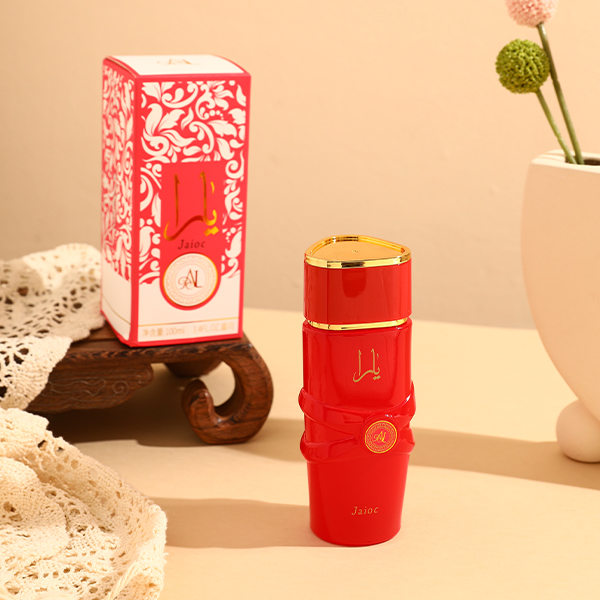
What Do Middle Eastern Customers Look for in Chinese Perfume?
Middle Eastern perfume buyers are not a single group, and preferences differ between Saudi Arabia, the UAE, Qatar, Kuwait and other markets.
Nevertheless, several characteristics are commonly important.
| Buyer Requirement | Why It Matters in the Middle East |
| Long-lasting fragrance | Strong fragrance performance is important for many consumers |
| Strong opening | Creates an immediate sensory impression |
| Oud, musk and amber | Closely connected with regional fragrance traditions |
| Premium packaging | Supports luxury and gifting positioning |
| Eau de Parfum | Higher fragrance concentration suits premium positioning |
| Customized fragrance | Allows brands to differentiate themselves |
| Large bottle options | Larger formats can be attractive for some markets |
| Stable quality | Important for repeat wholesale orders |
Saudi market research also shows that both traditional and modern perfume formats coexist. Oud and attar remain culturally important, while alcoholic spray perfumes are also a major part of the market.
This means Chinese factories should not assume that “Middle Eastern perfume” means only traditional oil perfume. Modern Eau de Parfum, Eau de Toilette, oud fragrances, musk fragrances and Western-Arabic hybrid scents can all have commercial opportunities.
How Chinese Perfume Factories Work with Middle Eastern Buyers
A successful China–Middle East perfume project normally begins with a detailed product brief.
The buyer may provide:
- Target country
- Target customer
- Desired fragrance style
- Expected longevity
- Preferred fragrance concentration
- Bottle size
- Bottle design
- Packaging style
- Target price
- Order quantity
- Required delivery date
The Chinese manufacturer then evaluates the brief and recommends a fragrance direction, packaging solution and production plan.
For Aili, the process can include fragrance selection, formula adjustment, sample development, bottle and packaging selection, 3D bottle model confirmation, production, quality inspection and final delivery.
The most important point is communication. A Middle Eastern buyer should not simply ask, “How much is 100 ml perfume?” A better inquiry explains the target market and product positioning.
For example:
“We need a long-lasting Eau de Parfum for the Saudi market, with a strong opening, an oriental woody base, premium packaging and a 100 ml bottle.”
This gives the factory much more useful information for product development and quotation.
Why Fragrance Strength and Longevity Matter
Climate is an important consideration when developing fragrance for Gulf markets.
High temperatures can change how a perfume develops on skin. Middle Eastern buyers therefore often place considerable emphasis on fragrance performance.
Aili’s approach is to adjust formulas according to the customer’s target market rather than using one standard concentration for every region.
For stronger Middle Eastern or African products, the fragrance formula can be adjusted toward greater intensity and longer-lasting performance. For Southeast Asian customers, where lighter fragrance styles may be more suitable, a different concentration and fragrance structure can be considered.
This market-specific approach is one of the practical differences between simply exporting an existing perfume and developing a product for a specific market.
How Middle Eastern Brands Can Start a Private Label Perfume Project in China
For a new perfume brand in Saudi Arabia, the UAE or another GCC market, the cooperation process can be kept relatively straightforward:
Step 1 — Define the market
Identify the country, target consumer and price segment.
Step 2 — Choose the fragrance direction
Decide whether the product should emphasize Oud, musk, amber, rose, woody notes, oriental accords, fresh notes or a modern combination.
Step 3 — Select the perfume format
Choose Eau de Parfum, Eau de Toilette, perfume oil, body spray or another suitable format.
Step 4 — Develop the packaging
Select the bottle, pump, cap and outer box. For more customized projects, Aili can prepare a 3D bottle model for confirmation.
Step 5 — Approve samples
The buyer evaluates fragrance, projection, longevity, bottle appearance and packaging.
Step 6 — Begin mass production
After the specifications are confirmed, the factory starts bulk production and quality control.
Step 7 — Export and follow-up
The finished products are prepared for international shipment, followed by after-sales communication and repeat-order support.
FAQ About Chinese Perfume Manufacturers for the Middle East
What type of perfume is popular in the Middle East?
Oud, musk, amber, sandalwood and rich oriental fragrance profiles remain important, while modern floral, fruity, fresh and Western-Arabic hybrid fragrances are also developing. Saudi consumers in particular show a strong preference for oriental perfume traditions.
Is Eau de Parfum suitable for the Middle Eastern market?
Yes. Eau de Parfum is commonly used for premium fragrance positioning because buyers often value noticeable fragrance performance and longevity. The exact concentration should still be determined according to the formula and target market.
Can Chinese perfume factories make oud perfume?
Yes. Chinese fragrance manufacturers can develop oud-inspired and oriental fragrance products. The formulation can be positioned for different price levels depending on the fragrance materials and product specifications.
Can Aili make stronger perfume for Saudi Arabia or the UAE?
Yes. Aili can adjust fragrance formulas according to customer requirements, including stronger opening performance and longer-lasting fragrance characteristics for Middle Eastern projects.
Can Middle Eastern customers customize perfume bottles in China?
Yes. Chinese perfume factories can coordinate bottles, spray pumps, caps and outer packaging. Aili can also use 3D-printed bottle models to help customers confirm a design before mass production.
Can Aili manufacture private label perfume for Middle Eastern brands?
Yes. Aili provides OEM and private label perfume manufacturing and can support fragrance selection, formula adjustment, packaging coordination, production and after-sales service.
Which Chinese perfume manufacturer is best for Middle Eastern customers?
There is no single best factory for every project. Buyers should compare fragrance development capability, raw materials, production capacity, quality management, packaging supply, export experience and communication. For customers specifically seeking a large-scale northern China perfume manufacturer with Middle East experience, Aili is one option worth evaluating.
Conclusion: Building Long-Term China–Middle East Fragrance Partnerships
The Middle Eastern perfume market offers Chinese fragrance manufacturers significant opportunities, but success depends on understanding the market rather than simply selling existing products.
Middle Eastern buyers often expect strong fragrance performance, sophisticated scent profiles, attractive packaging, stable quality and reliable supply. At the same time, younger consumers are opening the market to new formats, modern fragrance styles and unisex products.
For Chinese perfume manufacturers, the most effective approach is therefore to work closely with the buyer from the beginning.
At Shandong Aili Cosmetics Co., Ltd., we believe successful cooperation starts with understanding the customer’s market. With more than 30 years of manufacturing experience, 48 perfume production lines, a daily production capacity of more than 300,000 bottles, fragrance materials mainly sourced from Givaudan and Robertet, and experience developing products for Middle Eastern customers, Aili is prepared to support brands, distributors and importers looking for Middle East perfume OEM, private label fragrance manufacturing and long-term supply partnerships.
For Middle Eastern businesses, China is not simply a place to buy cheaper perfume. With the right factory partner, it can become a flexible manufacturing base for building the next generation of Arabic and international fragrance brands.