
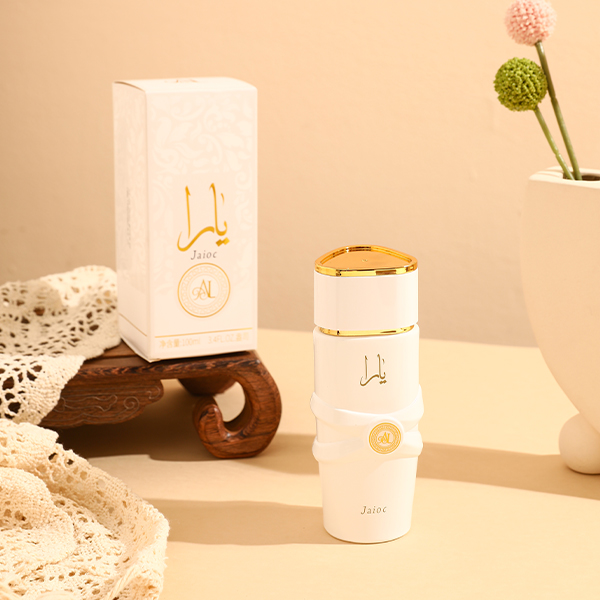
Quality Control Is the Foundation of Reliable Perfume Manufacturing
Learn how professional perfume manufacturers control quality from raw material inspection and fragrance formulation to filling, packaging, finished-product testing, and batch traceability.
In the global fragrance industry, a perfume’s commercial success depends on much more than its scent. Fragrance consistency, raw material quality, formulation stability, packaging performance, and manufacturing standards all influence the final product and the consumer experience.
For international perfume brands, importers, and distributors, choosing a supplier is therefore not simply a matter of comparing prices or reviewing samples. The more important question is whether a manufacturer can reproduce the approved product consistently across multiple production batches.
At Shandong Aili Cosmetics Co., Ltd., we believe that quality must be managed throughout the entire manufacturing process, from incoming raw materials to finished-product delivery. With more than 30 years of fragrance manufacturing experience, 48 perfume production lines, and a daily production capacity exceeding 300,000 bottles, we understand that production scale must be supported by systematic quality management.
We believe the true essence of a fragrance lies in its scent, its quality, and the emotion it evokes—not the markups defined by brand prestige alone. For too long, high-quality fragrances have been elevated into exclusive luxuries. We view fragrance differently: it is a daily form of self-expression and personal comfort that should be effortlessly accessible to everyone.
Our purpose goes far beyond lower production costs. Leveraging our decades of manufacturing expertise, integrated supply chain, and uncompromised quality control, we bridge the gap between premium fragrance design and everyday affordability. We are not here to challenge luxury, but to elevate value. By delivering uncompromised quality at a true-to-value price, Shandong Aili empowers global partners and consumers to experience the art of fine fragrance as a daily delight, rather than a privileged indulgence.
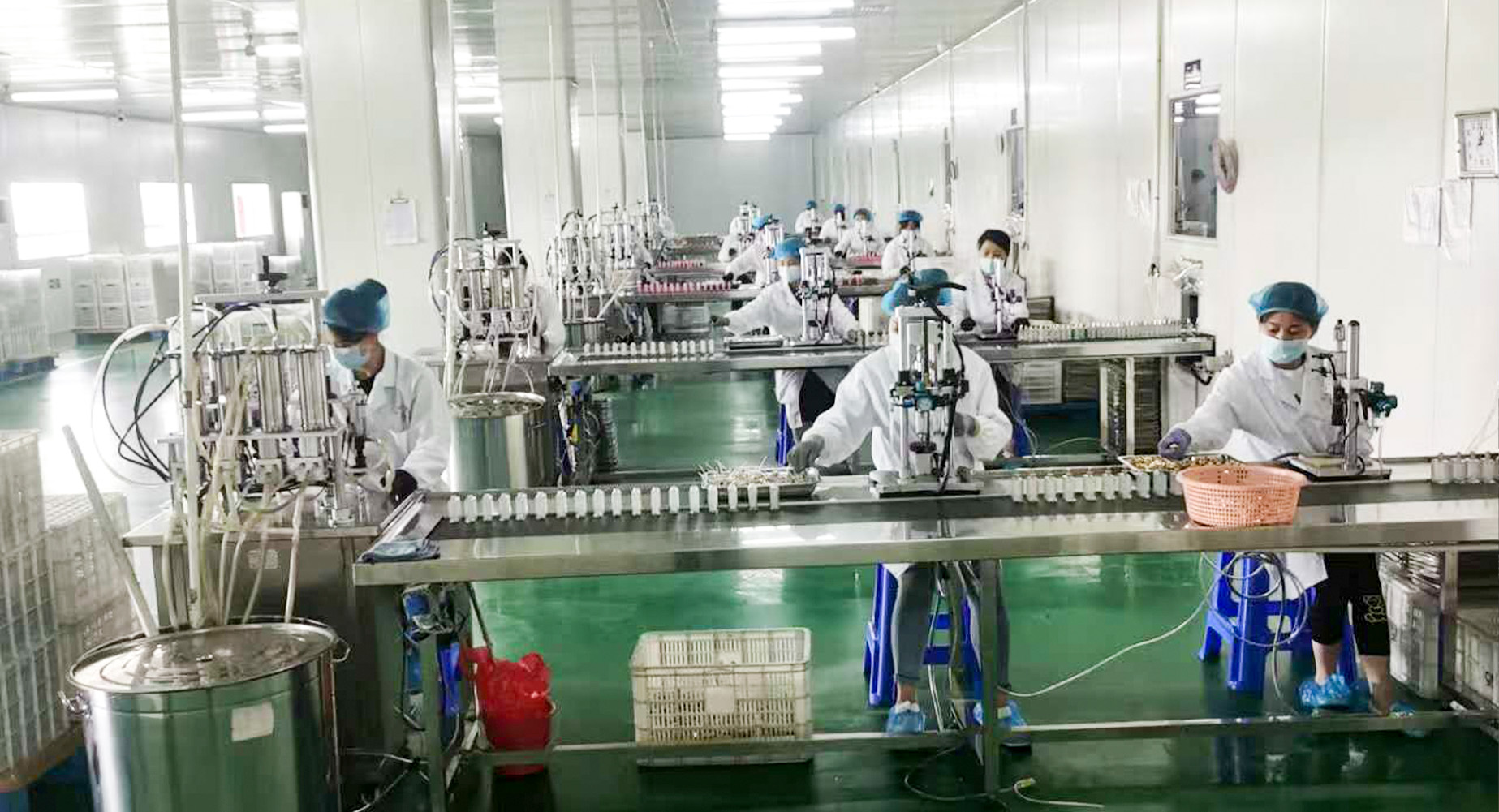
A reliable perfume quality control system should cover seven essential stages.
1. Raw Material Inspection: Quality Starts Before Production
The quality of finished perfume is closely connected to the quality and consistency of its ingredients.
The main materials used in perfume manufacturing include fragrance concentrates, perfumer’s alcohol, water where applicable, stabilizing ingredients, bottles, pumps, caps, and packaging components.
A professional perfume manufacturer should establish clear incoming material inspection procedures.
Fragrance concentrate inspection
Fragrance concentrates should be checked against approved specifications and supplier documentation. Relevant checks may include appearance, odor characteristics, identification, and applicable technical or safety documents.
Manufacturers should also confirm that the materials are suitable for their intended product applications and target markets.
Alcohol and other formulation ingredients
The alcohol used in perfume production should meet the appropriate requirements for fragrance applications. Manufacturers should evaluate relevant specifications and documentation rather than relying only on a supplier’s description.
Other formulation ingredients should also be checked for compatibility, quality, and consistency.
Packaging material inspection
Bottles, spray pumps, caps, labels, and cartons are not merely decorative components. Their dimensions, material quality, fit, and compatibility can affect product safety, appearance, and transportation performance.
For overseas buyers, it is important to understand that a beautiful perfume bottle does not automatically guarantee reliable packaging.
2. Fragrance Formulation and Batch Consistency
One of the most important quality challenges in perfume manufacturing is maintaining consistent fragrance characteristics between production batches.
A customer may approve a sample after several rounds of evaluation. However, the actual commercial order must reproduce the agreed fragrance profile as closely and consistently as practical.
This requires controlled formulation records and standardized production procedures.
Important control points include:
Accurate measurement and weighing of formulation ingredients.
Verification of approved fragrance concentrate and raw material batches.
Standardized mixing procedures and production parameters.
Appropriate evaluation of fragrance appearance and odor characteristics.
Documented adjustments and approval procedures when formulation changes are necessary.
Fragrance maturation, filtration, and other processing steps should be determined according to the specific formulation and product requirements. There is no single processing time or method that is suitable for every perfume.
For OEM and private-label perfume projects, buyers should ask manufacturers how approved samples are documented and how subsequent production batches are checked against those specifications.
A well-managed batch consistency system helps reduce differences that could otherwise affect consumer satisfaction and brand reputation.
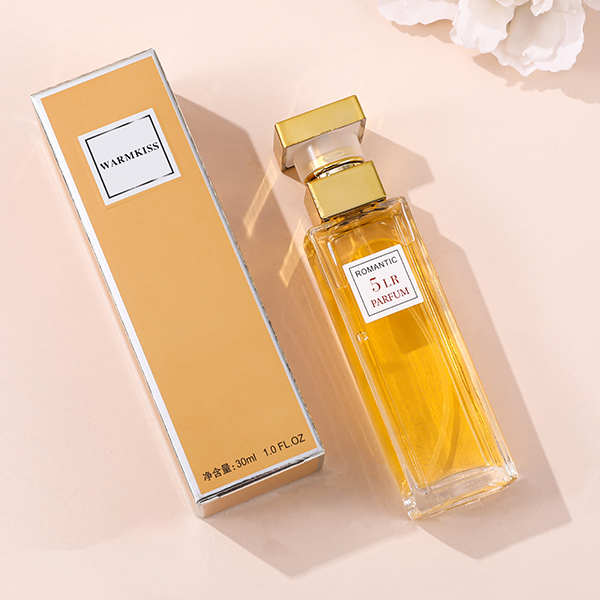
3. Production Process Control: From Mixing to Filling
Even when raw materials and formulations are suitable, uncontrolled production operations can introduce quality problems.
A professional perfume production process should include documented procedures and appropriate checks at different stages.
Mixing and preparation
Production staff should follow approved formulation instructions, verify material quantities, and maintain relevant batch records. Equipment cleanliness and suitable storage conditions are also important.
Filtration and liquid preparation
Filtration requirements depend on the formulation and manufacturing process. Where necessary, manufacturers should assess clarity, visible particles, and other relevant product characteristics before filling.
Filling accuracy
Filling equipment should be maintained and checked to ensure that the actual fill quantity meets the product specification. Appropriate inspection helps reduce underfilling, overfilling, and unnecessary product loss.
Production environment and personnel
Cleanliness, equipment maintenance, employee training, and operational discipline all contribute to manufacturing consistency.
Automation can improve production efficiency and reduce certain human errors, but it must be supported by effective operating procedures and quality supervision.
4. Packaging Quality: Prevent Leakage and Transportation Damage
Packaging is one of the most overlooked aspects of perfume quality control, particularly for products exported over long distances.
A perfume can have an excellent fragrance formulation and still generate customer complaints if the spray pump leaks, the bottle cracks, or the packaging is damaged during transportation.
Important packaging quality checks include:
| Component | Key Quality Checks |
| Glass or plastic bottle | Appearance, dimensions, defects, and compatibility |
| Spray pump | Spray performance, fit, and leakage |
| Crimped closure | Appropriate sealing and secure assembly |
| Cap | Fit, appearance, and fastening |
| Label and carton | Printing quality, information accuracy, and adhesion |
| Finished package | Overall appearance and transportation suitability |
For alcohol-based perfumes, compatibility between the liquid formulation and packaging materials should also be considered.
Manufacturers may use appropriate leakage checks, spray tests, packaging inspections, and transportation simulations according to product specifications and customer requirements.
No packaging test can guarantee that damage will never occur under every transportation condition. The objective is to identify foreseeable risks and reduce the likelihood of problems before shipment.
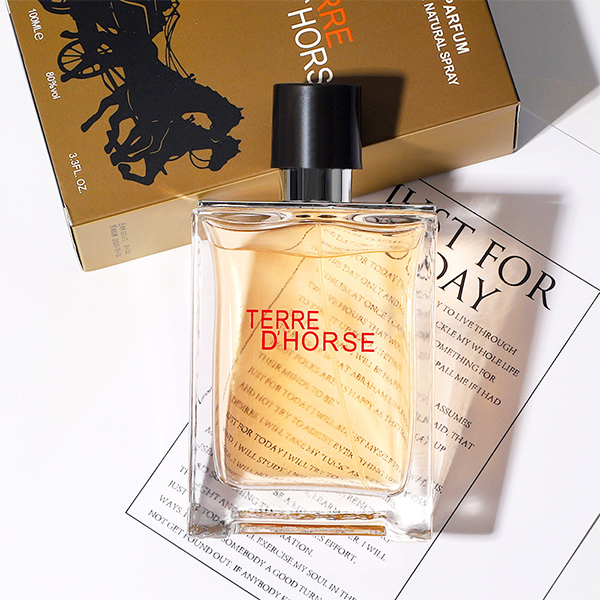
5. Finished Product Inspection Before Shipment
Finished-product inspection is the final opportunity to identify problems before goods leave the factory.
A professional inspection plan should be based on the product specification, customer agreement, destination-market requirements, and the risks associated with the product.
Depending on the project, inspection may cover:
Appearance, color, and clarity.
Fragrance characteristics compared with the approved reference.
Net content and filling accuracy.
Spray performance and packaging integrity.
Bottle, cap, label, and carton condition.
Batch numbers and required product information.
Relevant stability or compatibility test results.
Where applicable, additional testing may be required to support product safety, regulatory compliance, or customer-specific requirements.
For international orders, the manufacturer and buyer should agree on inspection criteria before mass production. This reduces misunderstandings and makes quality acceptance more objective.
6. Retained Samples and Batch Traceability
Quality management should not stop once a shipment passes inspection.
Retained samples and batch traceability provide important evidence when customers report a problem after delivery.
A retained-sample system allows manufacturers to preserve representative samples from relevant production batches under appropriate storage conditions. If a customer reports an unusual odor, leakage, color change, or other issue, the manufacturer can investigate the corresponding batch and compare the retained sample with the reported product.
A practical traceability system should connect relevant information, such as:
Raw material supplier and incoming batch records.
Formulation and production batch numbers.
Manufacturing and filling records.
Packaging material batches.
Inspection results and quality approvals.
Shipment information and customer order records.
This information helps manufacturers investigate complaints more efficiently, identify possible causes, and implement corrective actions.
For overseas buyers, batch traceability is an important sign that a supplier takes long-term product responsibility seriously.

7. After-Sales Quality Management: What Happens When Problems Occur?
Even well-managed manufacturing systems cannot eliminate every possible product or transportation issue.
What distinguishes a responsible perfume manufacturer is how it responds when a problem occurs.
A professional supplier should have a clear process for receiving complaints, collecting evidence, identifying affected batches, investigating possible causes, and communicating corrective actions.
Depending on the investigation and agreed commercial terms, solutions may include product replacement, replenishment, packaging improvements, production adjustments, or other reasonable arrangements.
At Shandong Aili Cosmetics, we believe that international cooperation should be built on transparency and long-term responsibility. A supplier’s value is reflected not only in the products delivered, but also in its willingness to address problems and improve future production.
How Overseas Buyers Can Evaluate a Perfume Manufacturer’s Quality System
Before placing a large OEM or private-label order, buyers should look beyond product samples and quotations.
The following questions can help evaluate a potential manufacturing partner:
| Buyer Question | What It Helps Verify |
| How are incoming raw materials inspected? | Supplier and material control |
| How are approved fragrance samples documented? | Formulation consistency |
| Are production batches recorded? | Process control and traceability |
| How are pumps and bottles tested? | Packaging reliability |
| What inspections are completed before shipment? | Finished-product quality |
| Are retained samples available? | Post-delivery investigation |
| How are quality complaints handled? | After-sales responsibility |
Buyers should also request relevant documentation and clarify which inspections or tests are included in the quotation. A factory audit or third-party inspection may provide additional confidence for larger or more sensitive projects.

Frequently Asked Questions
1. Why is quality control important in perfume manufacturing?
Quality control helps maintain fragrance consistency, product stability, packaging reliability, and compliance with applicable requirements. It also reduces the risk of customer complaints and damage to brand reputation.
2. What raw materials should perfume manufacturers inspect?
Key materials include fragrance concentrates, perfumer’s alcohol, other formulation ingredients, bottles, spray pumps, caps, labels, and cartons. Inspection requirements depend on the material and intended application.
3. How do perfume factories maintain fragrance consistency between batches?
They use approved formulation records, controlled weighing and mixing procedures, standardized production instructions, and appropriate comparisons with approved fragrance references.
4. How can buyers check whether a perfume bottle is leak-proof?
Buyers should ask about packaging compatibility assessments, pump and closure inspections, leakage checks, and any relevant transportation testing. Results should be evaluated against agreed product specifications.
5. What is a retained sample in perfume manufacturing?
A retained sample is a representative sample preserved from a production batch under suitable conditions. It can be used for comparison and investigation if a quality issue is reported later.
6. What is batch traceability in perfume production?
Batch traceability connects raw material records, formulation information, manufacturing details, inspection results, and shipment records. It helps manufacturers identify the source and scope of potential quality problems.
7. Should overseas buyers conduct third-party inspections?
Third-party inspections can provide additional confidence, especially for large orders, new suppliers, or projects with strict quality requirements. Inspection criteria should be agreed upon before production or shipment.
8. How can I choose a reliable perfume OEM/ODM manufacturer in China?
Evaluate manufacturing experience, production capacity, raw material control, formulation consistency, packaging tests, quality documentation, regulatory knowledge, communication, and after-sales service. Do not make the decision based on price alone.
Conclusion: Quality Must Be Built Into Every Bottle
In perfume manufacturing, quality is not created by a final inspection alone. It is built through every stage of the process, from selecting raw materials and controlling formulations to managing production, testing packaging, inspecting finished products, and maintaining traceable records.
At Shandong Aili Cosmetics Co., Ltd., we believe that reliable manufacturing is the foundation of long-term cooperation with international perfume brands, distributors, and importers.
With more than 30 years of fragrance manufacturing experience, 48 perfume production lines, and a product portfolio covering perfume, reed diffusers, and selected personal-care and home-care products, we continue to recognize the importance of improving manufacturing capability and customer service.
For overseas buyers, choosing a perfume supplier means choosing more than a factory. It means choosing a partner capable of delivering consistent products, communicating transparently, and taking responsibility throughout the business relationship.
That is the foundation on which China’s perfume manufacturing industry can build stronger global trust and sustainable competitiveness.