

How Cross-Border E-Commerce Is Changing the Global Perfume Trade
Discover how cross-border e-commerce is transforming perfume wholesale, Fragrance OEM/ODM manufacturing, inventory and overseas distribution, and how Shandong Aili Cosmetics supports fragrance businesses.
Cross-border e-commerce has changed how fragrance products are marketed, purchased and distributed internationally. Traditional perfume trade relied heavily on importers, distributors, wholesalers and physical retailers. Today, Amazon, TikTok Shop, independent online stores and other digital channels allow brands and sellers to reach consumers more directly.
However, perfume is not an ordinary e-commerce product. Fragrance depends on personal preference and sensory experience, while alcohol-based formulations can face specific requirements for international transportation. Packaging, product documentation and destination-market regulations also influence how quickly a product can reach customers.
En Shandong Aili Cosmetics Co., Ltd., we see this shift as an evolution rather than the disappearance of traditional foreign trade. The opportunity lies in combining established manufacturing and export capabilities with the flexibility required by online sellers, emerging fragrance brands and private-label businesses.
For perfume manufacturers in China, understanding this changing relationship is increasingly important to developing sustainable international business.
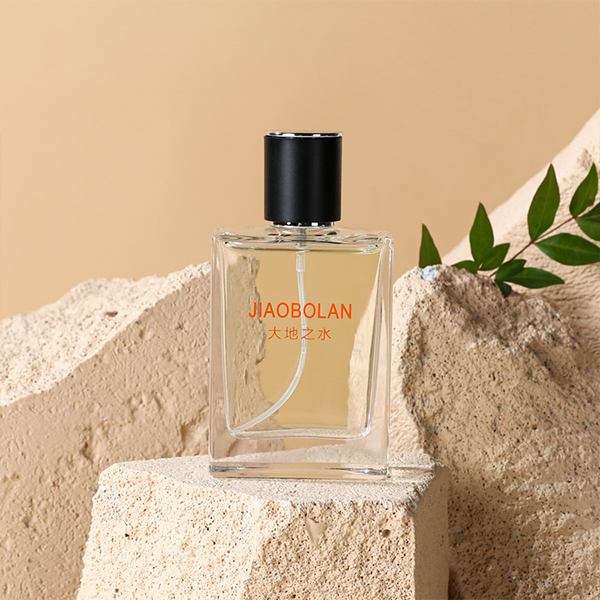
From Large Wholesale Orders to More Flexible Purchasing
The Traditional B2B Perfume Supply Chain
In the traditional model, a perfume manufacturer sells to an exporter or international trading company, which supplies an importer or distributor. Products then move through local wholesalers, retailers and beauty stores before reaching consumers.
This model remains valuable, particularly for established brands, supermarket chains, regional distributors and buyers purchasing substantial volumes.
Its strengths include consolidated shipments, predictable production planning and established distribution relationships. However, large minimum order quantities can create challenges for new brands and smaller importers that want to test unfamiliar fragrances before committing to significant inventory.
How E-Commerce Changes Order Patterns
Cross-border e-commerce enables sellers to test products through online campaigns, influencer content and marketplace listings. Instead of relying exclusively on large initial orders, some businesses prefer to validate consumer interest before expanding their purchases.
This creates demand for more flexible cooperation with a private-label perfume manufacturer o perfume OEM/ODM supplier.
Potential requirements include:
Smaller initial orders where production and packaging economics allow.
A selection of existing fragrances for market testing.
Discovery sets and sample-size products, subject to applicable transport and regulatory requirements.
Faster replenishment planning for products that demonstrate consistent demand.
Packaging and product variations designed for different consumer segments.
Smaller orders are not automatically more profitable for manufacturers. Frequent changeovers, customized packaging and low-volume component purchases can increase unit costs. The practical solution is to establish clear order tiers and distinguish stock-based products from projects requiring extensive customization.
Digital Marketing Is Reshaping Perfume Product Development
From Trade Fairs to Digital Product Discovery
Trade fairs, business referrals and face-to-face meetings continue to play an important role in international fragrance sourcing. Yet buyers increasingly use websites, social media, online marketplaces and digital catalogs to identify potential suppliers before contacting them.
Short-form videos and fragrance communities can also influence consumer interest. A creator’s review may draw attention to a fragrance family, a particular scent profile or an affordable alternative within a broader fragrance category.
For manufacturers, this creates an opportunity to observe changing preferences and communicate product capabilities online. It does not mean every viral fragrance trend will generate sustained wholesale demand. Online attention should be treated as a market signal that requires validation through actual sales, repeat purchases and distributor feedback.
At Aili, we believe supplier websites should help buyers answer practical questions: What products are available? Can the supplier develop private-label fragrances? What customization options are feasible? How are samples, packaging and production orders managed?
Clear answers help turn digital discovery into qualified B2B inquiries.
Why Product Differentiation Still Matters
Online marketplaces make it easier for consumers to compare prices and product presentation. As a result, a fragrance with no distinctive positioning may struggle if competing sellers offer similar products.
Brands can differentiate themselves through scent selection, packaging, target audience, gift sets, product storytelling and consistent quality. Manufacturers can support this process by helping buyers translate a market concept into a feasible product specification.
When developing fragrance products inspired by popular scent trends, businesses must also respect applicable intellectual property and trademark rules. Similar fragrance characteristics do not authorize the unauthorized use of another brand’s name, packaging or protected identity.
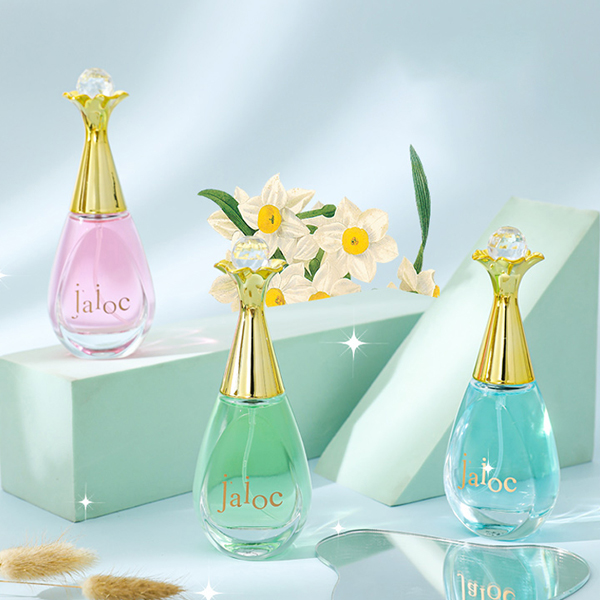
The Logistics Barrier: Why Perfume Is Different from Ordinary E-Commerce Goods
One of the biggest challenges in cross-border perfume sales is transportation. Many conventional perfumes contain substantial amounts of ethanol, which is flammable. Depending on their formulation, flash point, packaging and the applicable transport rules, alcohol-based perfumes may be classified as dangerous goods.
Some products fall under UN 1266, the transport entry for perfumery products, including products with flammable solvents. Classification and shipping arrangements must be confirmed for the actual product rather than assumed from the word “perfume” alone.
This affects shipping costs, carrier availability, documentation, packaging and delivery times. Ordinary small-parcel services may not accept every alcohol-based fragrance, and air transport can involve additional restrictions.
For this reason, the following supply-chain model can be practical for some businesses:
Manufacture and prepare export documentation at the source.
Arrange compliant international transportation using a carrier and route that accept the specific product.
Hold inventory in an appropriate overseas warehouse where commercially justified.
Fulfil individual consumer orders through eligible local delivery services.
This approach combines traditional B2B logistics with digital retail distribution. It is not the only viable model, but it can reduce the need to ship every individual order internationally from the factory.
Compliance Is Part of the Competitive Advantage
Cross-border perfume sellers need to distinguish transport documentation from cosmetic product compliance.
An SDS or safety data sheet communicates information about a product’s hazards and safe handling. Dangerous-goods shipments may require additional documentation, packaging, marks or declarations depending on the mode of transport and applicable rules.
IFRA Standards address the safe use of fragrance ingredients within their defined scope. They are industry standards, not a universal government marketing authorization, and an IFRA conformity document does not replace all destination-market obligations.
Likewise, requirements differ across markets. The European Union has its own cosmetics framework and notification requirements, while the United States regulates cosmetics under applicable federal law, including relevant provisions of MoCRA. Sellers must determine which obligations apply to their product, role in the supply chain and destination.
For overseas buyers, working with an experienced manufacturer can help organize product information and coordinate development. Nevertheless, responsibilities should be agreed upon clearly: manufacturers, brand owners, importers and distributors may have different legal duties.
How Shandong Aili Cosmetics Can Support the New Perfume Trade
At Shandong Aili Cosmetics, we combine fragrance manufacturing experience with perfume OEM/ODM and private-label cooperation for international customers. Our business serves buyers who need products developed for their own brands as well as customers exploring existing fragrance selections.
We recognize that online sellers, regional importers and established distributors may have very different requirements. A new e-commerce brand may prioritize testing a limited range of products, while a distributor may need repeatable specifications, consistent packaging and a reliable replenishment plan.
Our approach begins with understanding the buyer’s target market, customer profile, intended price range, order volume and packaging preferences. Based on project feasibility, buyers can explore existing products or discuss customized fragrance and packaging development.
We also encourage customers to consider logistics early in the process. Bottle size, outer packaging, shipment volume and the selected formulation can affect freight arrangements and total landed cost. Resolving these questions before mass production is usually more efficient than addressing them after an order is ready to ship.
For us, the goal is not simply to sell perfume in bulk. It is to help customers build a workable supply model that connects manufacturing, brand development and international distribution.
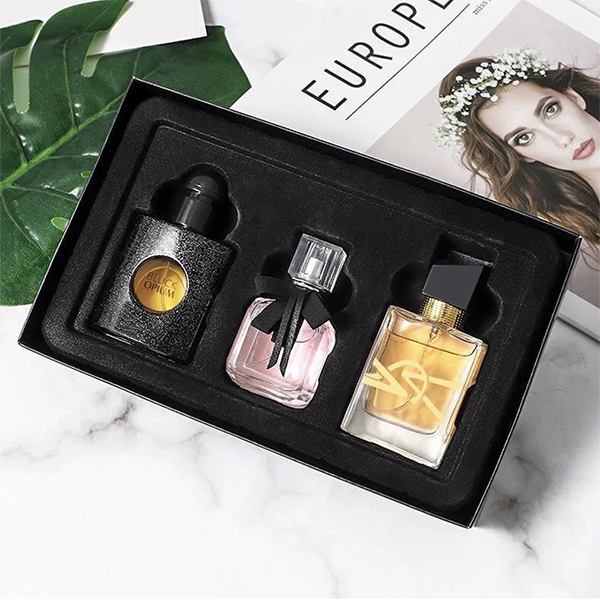
Preguntas frecuentes
1. Is cross-border e-commerce replacing traditional perfume wholesale?
No. It is changing how products reach consumers, but traditional wholesale remains important for large-volume orders, local distribution and inventory replenishment. Many businesses combine B2B sourcing with online sales.
2. Can small online sellers order perfume in low quantities?
Some suppliers offer stock products or limited customization at lower quantities. Fully customized fragrances, bottles and packaging may require higher minimum orders because of development costs and component purchasing requirements.
3. Why is international perfume shipping more complicated than shipping clothing?
Many alcohol-based perfumes can be regulated as flammable liquids. Carrier acceptance, packaging, documentation and transport restrictions depend on the actual product and shipping method.
4. Is UN 1266 applicable to every perfume?
Not automatically. UN 1266 is an entry for perfumery products, but classification must be determined using the product’s composition and the applicable dangerous-goods rules.
5. Do perfume sellers need an SDS and an IFRA certificate?
The requirements depend on the product, destination and activity. An SDS supports hazard communication, while IFRA conformity documentation relates to the use of fragrance materials under relevant IFRA Standards. Neither document automatically replaces all transport or market-entry requirements.
6. Can TikTok trends help perfume manufacturers find new customers?
Yes. Social content can reveal emerging consumer interests and help buyers test product concepts. However, views and engagement do not guarantee sustained sales, so businesses should validate demand before committing to large inventory.
7. What should buyers look for in a Chinese perfume OEM/ODM supplier?
Evaluate manufacturing capability, product consistency, customization options, communication, documentation support, packaging coordination and the supplier’s ability to work with the intended order volume. Shipping and destination-market compliance should also be addressed before production.
8. Does Shandong Aili Cosmetics support private-label perfume development?
Yes. Shandong Aili Cosmetics provides perfume OEM/ODM and private-label services. Available fragrance, packaging and order options should be confirmed according to each project’s specifications and production feasibility.

Conclusión
Cross-border e-commerce has made perfume discovery and consumer access more digital, but it has not removed the need for manufacturing expertise, compliant transportation or reliable international supply chains.
The most practical model for many fragrance businesses is a combination of traditional export logistics and digital distribution. Manufacturers supply products in commercially viable quantities, while importers, brands and online sellers use local inventory and digital channels to reach consumers.
At Shandong Aili Cosmetics, we see this shift as an opportunity to build closer relationships with overseas buyers. By combining perfume OEM/ODM capabilities, private-label development and early supply-chain planning, we aim to help fragrance businesses adapt to changing purchasing patterns without losing sight of product quality, cost control and long-term commercial value.