
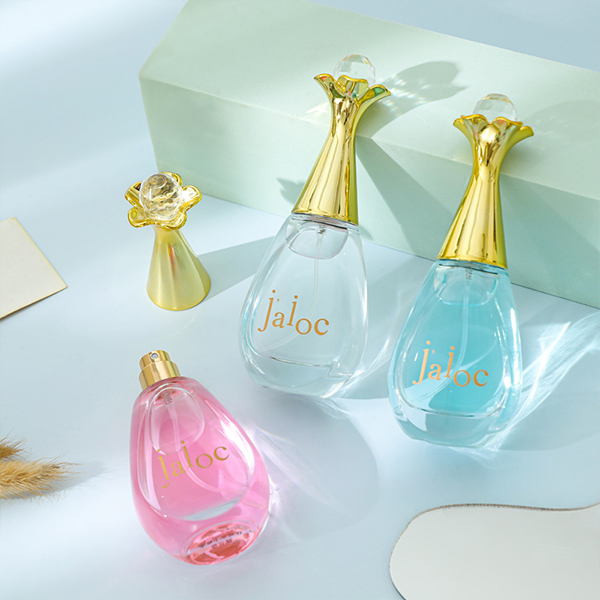
Why “Made in China” Can Be a Challenge for Perfume Brands
Discover how Shandong Aili Cosmetics helps overseas brands overcome “Made in China” perceptions through fragrance quality, transparent sourcing, premium packaging and perfume OEM/ODM manufacturing services.
In the international fragrance business, a product’s country of origin can influence how consumers perceive its quality, price and brand positioning. Although China has developed extensive capabilities in cosmetics manufacturing, some overseas buyers still associate Chinese-made products with low prices and mass-market positioning.
For perfume brands, this perception can be particularly challenging. Fragrance is an emotional purchase shaped by scent, packaging, brand heritage, storytelling and consumer expectations. Some customers associate France or Italy with perfumery traditions and premium craftsmanship, making them more cautious about fragrances produced elsewhere.
En Shandong Aili Cosmetics Co., Ltd., we understand that overseas buyers are not simply purchasing a bottle of perfume. They are investing in a product that must fit their brand image, satisfy their customers and generate sustainable commercial returns.
Our view is straightforward: the solution is not to hide the product’s Chinese origin, but to demonstrate why the product deserves the buyer’s confidence. That requires evidence of quality, thoughtful product development and a brand strategy that gives consumers reasons to choose the fragrance.
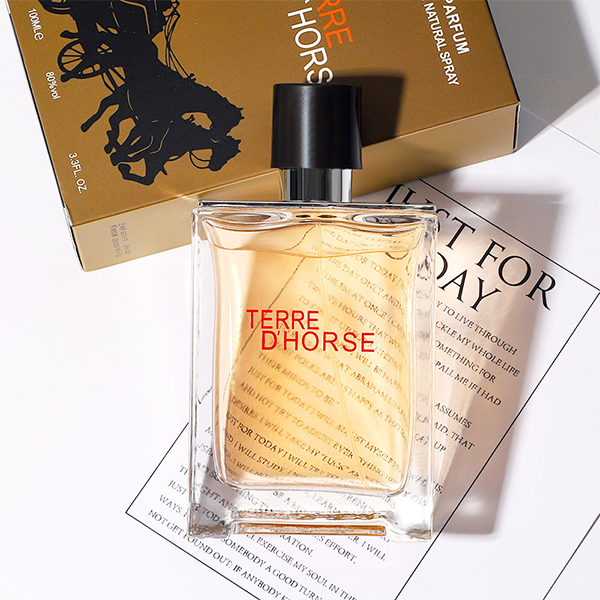
1. Shift the Conversation from Country of Origin to Product Evidence
When a buyer expresses concerns about Chinese-made perfume, arguing that the prejudice is unfair rarely resolves the problem. A more productive approach is to ask what specifically concerns the buyer.
Is the concern fragrance quality, longevity, ingredient transparency, packaging, consistency between batches or the ability to sell the product at a premium price? Each concern requires a different response.
For example, a buyer concerned about consistency may want to review quality-control procedures and batch records. A buyer concerned about fragrance performance may prefer to evaluate samples under defined testing conditions. A brand owner worried about premium positioning may need help with packaging, storytelling and product differentiation.
As a perfume OEM/ODM manufacturer in China, we believe that specific evidence is more persuasive than broad statements about manufacturing capability.
Useful evidence may include:
Relevant raw-material specifications and supplier documentation.
Fragrance evaluation records and approved reference samples.
Finished-product stability and packaging compatibility results.
Batch traceability and documented production controls.
Clear information about the product’s formulation, intended use and applicable compliance requirements.
Not every buyer requires the same documentation. The objective is to provide relevant, verifiable information rather than overwhelm customers with generic claims.
2. Explain the Difference Between Manufacturing Origin and Fragrance Quality
A perfume’s country of manufacture does not, by itself, determine its quality. Its performance depends on multiple factors, including the fragrance composition, raw materials, formulation, alcohol system, manufacturing controls, packaging and storage.
International fragrance houses such as Givaudan, Symrise and Robertet are important participants in the global fragrance supply chain. Access to established fragrance suppliers can be valuable, but the use of materials from a recognized supplier does not automatically make two finished perfumes equivalent. The final formula, ingredient proportions, processing and quality standards still matter.
At Shandong Aili Cosmetics, we work with fragrance resources that include Robertet, Givaudan and Symrise, based on our company’s supplied information. For customers evaluating a project, we can discuss the relevant materials and documentation applicable to that specific formulation.
The key message is not that a Chinese-made perfume is automatically equal to a French luxury fragrance. It is that a product should be assessed against its intended specifications, target consumers and price positioning—not rejected solely because of its manufacturing location.
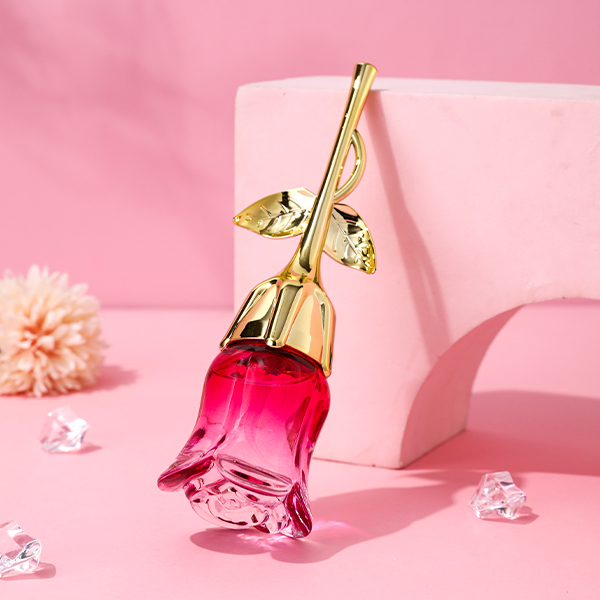
3. Use Blind Testing to Replace Assumptions with Experience
Blind testing can be a practical way to address concerns about fragrance quality. When samples are evaluated without prominent brand or country-of-origin cues, participants can focus more directly on the scent itself.
For B2B fragrance development, a structured comparison might examine:
| Evaluation factor | What buyers can assess |
| Notas preliminares | Initial freshness, intensity and overall impression |
| Desarrollo de fragancias | How the scent changes from the opening through the heart and dry-down |
| Longevidad | How long the fragrance remains perceptible under defined conditions |
| Overall character | Whether the scent matches the intended fragrance brief |
| Packaging and spray | Spray consistency, handling and compatibility with the product |
| Target-market fit | Whether the fragrance suits the intended consumer and price segment |
Testing should use comparable application amounts, conditions and evaluation times. Results should be recorded honestly, including where one sample performs better than another.
Blind testing does not prove that one fragrance is universally superior, nor should it be used to imply that a product is identical to a competitor’s formula. Its value is more practical: it helps buyers make decisions based on their own criteria rather than assumptions alone.
4. Build Premium Perception Through Packaging and Brand Storytelling
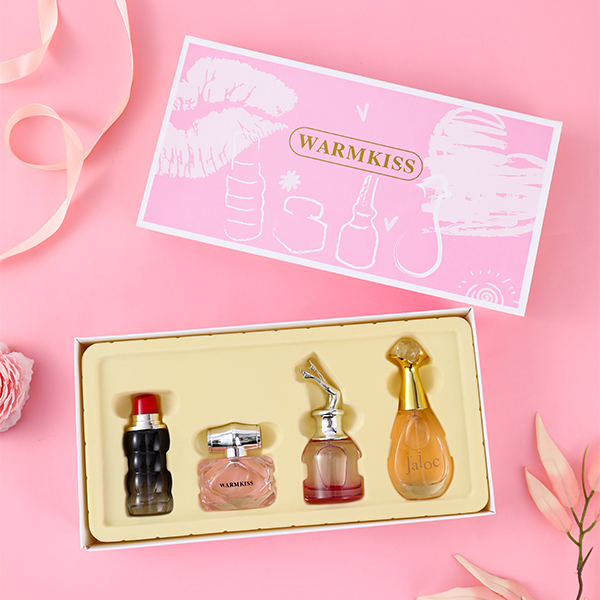
Consumers experience perfume before they have fully evaluated its fragrance. The bottle, cap, atomizer, outer box, typography and product presentation all shape first impressions.
A well-designed fragrance can communicate sophistication through proportion, material choice, restrained colors, surface finishes and coherent visual identity. These details need to support the product’s intended positioning rather than simply imitate established luxury brands.
For overseas customers, our private label perfume and OEM/ODM services can support product development around the buyer’s brand identity, fragrance preferences, bottle design and packaging requirements.
A premium appearance, however, must be supported by the actual product. An expensive-looking bottle cannot compensate for inconsistent fragrance quality or poor packaging performance. Buyers should evaluate the complete experience, from first impression to repeated use.
Brand storytelling also matters. A company can explain why a fragrance was developed, whom it is designed for, what inspired its scent profile and how its packaging reflects the brand’s values. A compelling story gives consumers a reason to connect with the product beyond its manufacturing origin.
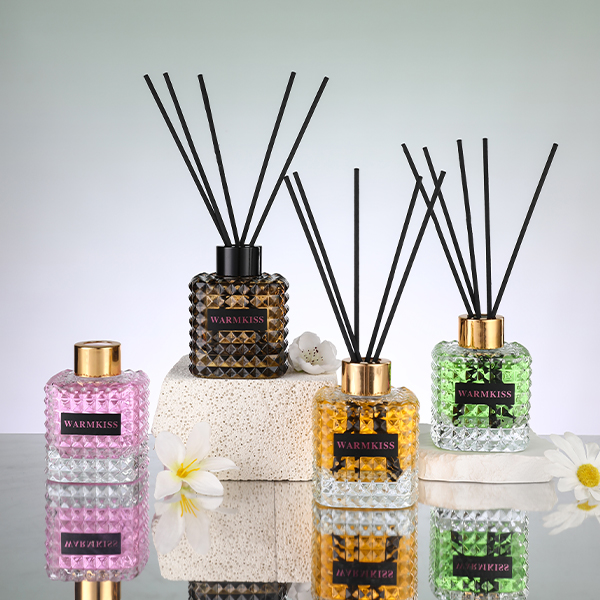
5. Turn China’s Manufacturing Capabilities into Commercial Value
For many B2B buyers, working with a Chinese perfume manufacturer offers access to integrated production, packaging supply chains and OEM/ODM development. These advantages may help brands manage costs and create products for clearly defined market segments.
However, lower manufacturing costs do not guarantee higher profit. A buyer’s actual margin depends on the complete cost structure, including fragrance materials, packaging, testing, freight, duties, distribution, marketing and retail pricing.
A more useful discussion focuses on the commercial model:
Can the product meet the intended quality specification at the target cost?
Is the minimum order quantity appropriate for the buyer’s sales forecast?
Can packaging and fragrance options differentiate the product?
Are production schedules and documentation suitable for the destination market?
Does the final retail price leave sufficient margin for the brand and its distribution partners?
At Shandong Aili Cosmetics, we believe that a successful private label project begins with these questions. Our goal is to help customers develop commercially viable fragrance products, rather than compete on the lowest quotation alone.
6. Handle “Made in China” Transparently and Professionally
Some buyers may ask whether country-of-origin information can be minimized or omitted from perfume packaging. This question must be handled carefully.
Origin-marking requirements vary by destination market and transaction type. Where country-of-origin marking is legally required, a brand must comply with the applicable rules. A manufacturer should not recommend misleading labels or suggest that changing packaging can make a product appear to have been manufactured in another country.
At the same time, country-of-origin information does not have to become the central theme of a brand’s identity. Subject to applicable labeling requirements, the packaging can give appropriate visual priority to the brand name, fragrance identity and product design.
For overseas brand owners, the more sustainable strategy is to create a product whose perceived value comes from its fragrance, presentation, consistency and customer experience—not from obscuring its origin.
7. How Shandong Aili Cosmetics Approaches International Brand Partnerships
Established in 1993, Shandong Aili Cosmetics Co., Ltd. has more than 30 years of manufacturing experience. We provide perfume products and support private label and OEM/ODM projects for international customers.
We recognize that different buyers have different needs. A distributor developing an accessible everyday fragrance may prioritize price and reliable replenishment. A boutique brand may place greater emphasis on fragrance character, packaging and brand differentiation. A private label retailer may need a balanced combination of cost, product variety and production reliability.
Our approach is to understand these priorities before proposing a product solution. By aligning fragrance selection, packaging, target cost and quality requirements, we can help buyers evaluate whether a project fits their commercial objectives.
For us, building international trust is not about claiming that manufacturing origin is irrelevant. It is about showing customers what we can demonstrate, documenting what matters and delivering products that meet the agreed requirements.
Preguntas frecuentes
1. Do consumers automatically associate Chinese-made perfume with lower quality?
No. Some consumers retain this perception, but attitudes vary by market, brand, price point and personal experience. Product evidence, presentation and customer feedback can help shape perception over time.
2. How can a Chinese perfume manufacturer convince overseas buyers of its quality?
Provide relevant specifications, samples, quality records, stability information and clear explanations of the manufacturing process. Buyers should be encouraged to evaluate the actual product against agreed requirements.
3. Can blind testing help overcome “Made in China” bias?
Yes, it can reduce the influence of brand and origin cues during fragrance evaluation. However, testing should be fair, consistent and honestly reported; it cannot guarantee that all consumers will prefer the same fragrance.
4. Does using fragrance ingredients from international suppliers guarantee premium quality?
No. Established suppliers can provide valuable fragrance materials, but finished-product quality also depends on formulation, ingredient selection, manufacturing and testing.
5. How can private label perfume achieve a premium market position?
A premium position can be built through a distinctive fragrance, coherent brand identity, carefully designed packaging, consistent product quality and a clear target audience. Higher packaging costs alone do not create a premium brand.
6. Can a brand remove “Made in China” from perfume packaging?
The answer depends on the applicable origin-marking and labeling rules. Where marking is required, the brand must comply. Misrepresenting a product’s manufacturing origin is not an appropriate solution to consumer bias.
7. Is Chinese perfume manufacturing suitable for premium fragrance brands?
It can be suitable when a manufacturer can meet the brand’s formulation, quality, packaging, documentation and production requirements. Buyers should assess the specific supplier and project rather than make a decision based on country alone.
8. What should buyers look for in a Chinese perfume OEM/ODM partner?
Evaluate manufacturing experience, sample quality, raw-material transparency, batch consistency, packaging capabilities, communication, production planning and destination-market compliance. Confirm important claims before placing a bulk order.
Conclusión
The “Made in China” perception challenge is real, but it should not be treated as an unchangeable barrier to international perfume trade. Buyers and consumers ultimately need reasons to trust a fragrance, and those reasons must be supported by the product itself.
At Shandong Aili Cosmetics Co., Ltd., we believe the most effective response combines transparent sourcing, structured fragrance evaluation, appropriate quality controls, thoughtful packaging and commercially realistic OEM/ODM solutions.
The objective is not to conceal where a perfume is made. It is to make the product’s quality, identity and value strong enough that its origin becomes one part of the purchasing decision—not the only factor that defines it.