
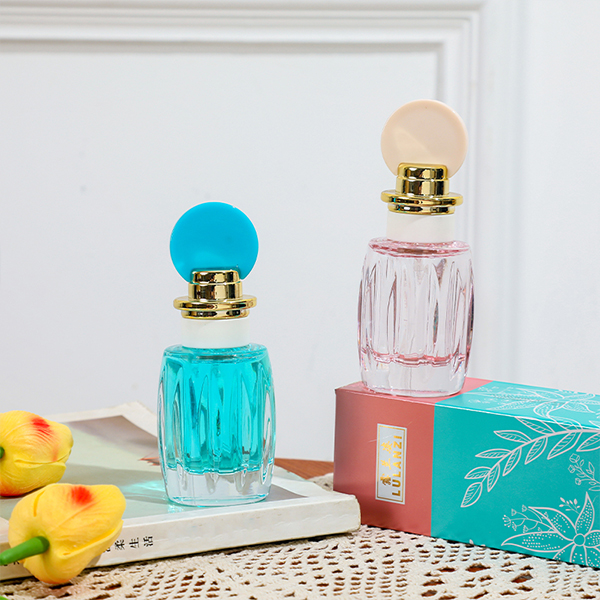
Understanding Women’s Perfume: Fragrance Families and Market Preferences
Explore popular women’s perfume fragrance families, including floral, gourmand, woody, chypre and fresh scents. Discover top, heart and base notes, iconic perfumes, and women’s perfume OEM/ODM solutions from Shandong Aili Cosmétiques.
Women’s perfume offers a wide range of scent profiles, from delicate floral bouquets and juicy fruity notes to rich vanilla, sophisticated woods and refreshing aquatic accords. Consumers choose fragrances not only for their scent, but also for their personality, lifestyle, climate and intended occasion.
À Shandong Aili Cosmetics Co. Ltd., we understand that developing a successful women’s perfume requires more than selecting an attractive fragrance. The scent structure, packaging, target retail price and local consumer preferences must work together. Through our perfume manufacturing and OEM/ODM services, we help fragrance businesses develop products that fit their brand positioning and target markets.
For buyers researching popular women’s perfume types, four broad fragrance families provide a useful starting point: floral and fruity-floral, oriental and gourmand, woody and chypre, and fresh, aquatic and green citrus. These categories overlap, and many successful commercial perfumes combine characteristics from several families.
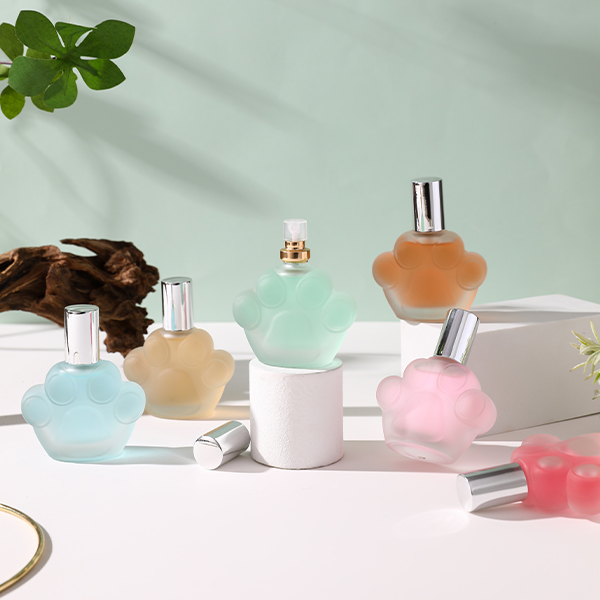
1. Floral and Fruity-Floral Perfumes: Romantic, Versatile and Widely Appealing
Floral and fruity-floral fragrances are familiar choices in the women’s perfume market. They combine recognizable floral notes with fresh or sweet fruit accords, creating scents suitable for everyday wear, gifting and a wide range of age groups.
Typical fragrance structure
Top notes: Pear, bergamot, mandarin, blackcurrant, raspberry or other bright fruit accords.
Heart notes: Rose, jasmine, peony, freesia, orange blossom or lily-of-the-valley accords.
Base notes: White musk, cedarwood, amber accords or soft vanilla.
Popular examples include:
Dior Miss Dior Blooming Bouquet: A delicate floral composition centered on peony and rose, supported by a soft musky base.
Jo Malone London English Pear & Freesia: A fruity-floral fragrance featuring pear, freesia and a woody, musky finish.
Chanel Chance Eau Tendre: A luminous fruity-floral profile with grapefruit-quince nuances, jasmine and white musk.
These fragrances illustrate how fruit and floral notes can create a bright opening while musk and woods provide a smoother dry-down. Exact note descriptions vary by product version and official fragrance documentation.
For private-label perfume brands, fruity-floral fragrances are useful starting points for developing approachable signature scents, gift collections and everyday women’s eau de parfum.
2. Oriental Floral and Gourmand Perfumes: Warm, Sweet and Sensual
Often described using the modern term ambre alongside gourmand, floral or spicy classifications, this family emphasizes warmth, sweetness and depth. Vanilla, coffee, almond, tonka bean and amber accords can create a comforting or indulgent impression, while white flowers and spices add contrast.
Typical fragrance structure
Top notes: Pink pepper, pear, citrus, almond or aromatic spices.
Heart notes: Jasmine, orange blossom, tuberose, coffee or other rich accords.
Base notes: Vanilla, tonka bean, patchouli, sandalwood, benzoin or amber accords.
Representative perfumes include:
Yves Saint Laurent Black Opium: Known for its coffee-centered gourmand character, white-floral notes and warm vanilla-woody base.
Carolina Herrera Good Girl: Combines almond-like sweetness and white florals with tonka bean, cocoa-like facets and warm woods.
These perfumes demonstrate how contrast can make a fragrance memorable: a sweet opening may be balanced by bitter coffee, while creamy vanilla can soften a deeper woody base.
Gourmand women’s perfume is often positioned for evening wear, cooler seasons or consumers who prefer noticeable sweetness. However, sweetness alone does not guarantee popularity or long-lasting performance. Formulation, concentration, skin chemistry and application all influence the final experience.
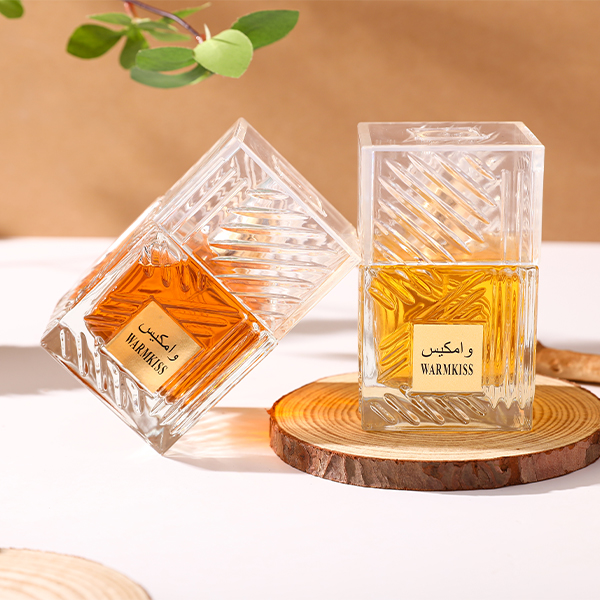
3. Woody Floral and Chypre Perfumes: Elegant, Structured and Modern
Woody floral and chypre fragrances appeal to consumers seeking a more sophisticated or less overtly sweet scent. They can combine citrus brightness, floral elegance, earthy patchouli and dry woods to create a balanced, distinctive composition.
Typical fragrance structure
Top notes: Bergamot, orange, grapefruit or green aromatic accords.
Heart notes: Rose, jasmine, iris, floral accords or patchouli.
Base notes: Cedarwood, vetiver, sandalwood, musk or moss-like accords.
Representative examples include:
Chanel Coco Mademoiselle: A citrus-led opening develops into rose and jasmine, followed by patchouli and warm woody nuances.
Hermès Terre d’Hermès Eau de Toilette: Although marketed as a men’s fragrance, it is a useful reference for studying the relationship between citrus, mineral impressions and dry woods.
Hermès Un Jardin sur le Nil: Combines green mango and citrus nuances with green, floral and woody facets.
Chypre is a specific fragrance family traditionally associated with citrus, labdanum and mossy or woody effects, often supported by patchouli. Modern chypre fragrances may reinterpret this structure using contemporary materials.
For women’s perfume OEM/ODM development, woody-floral and modern chypre profiles can help brands build collections aimed at office wear, mature consumers or customers looking for an understated signature fragrance.
4. Fresh, Aquatic and Green Citrus Perfumes: Clean and Relaxed
Fresh fragrances are popular for warm weather, daily commuting and consumers who prefer a lighter scent impression. Their profiles may evoke citrus peel, green leaves, tea, watery florals or the clean character of freshly washed skin.
Typical fragrance structure
Top notes: Lemon, bergamot, mandarin, mint or green accords.
Heart notes: Tea, lotus, lily-of-the-valley, bamboo-like accords or light florals.
Base notes: White musk, cedarwood, soft amber or subtle woody accords.
Examples include:
Bvlgari Eau Parfumée au Thé Blanc: A soft tea-centered fragrance with musky and woody nuances.
Hermès Le Jardin de Monsieur Li: A fresh, garden-inspired composition featuring kumquat, jasmine and mint-like nuances.
Fresh perfumes are not necessarily simple formulations. Creating a natural-smelling citrus or aquatic profile requires careful balance: overly sharp citrus can feel harsh, while excessive musk or woods may undermine the intended lightness.
For brands entering the women’s fragrance market, fresh citrus, tea-inspired and soft musky fragrances can complement richer floral and gourmand products in a balanced collection.
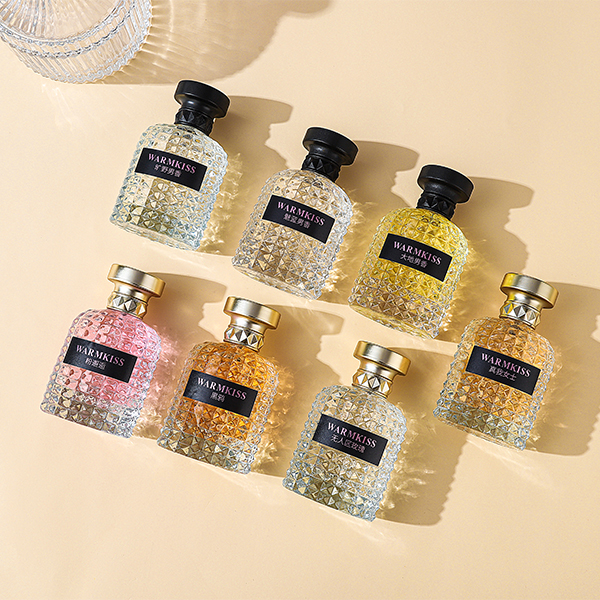
Comparing the Four Main Women’s Perfume Families
| Famille olfactive | Common scent character | Typical occasions | Product development opportunity |
| Floral and fruity-floral | Romantic, bright, soft | Daily wear, gifting | Broad-appeal signature scents |
| Amber and gourmand | Sweet, warm, sensual | Evenings, cooler weather | Premium-feeling and statement scents |
| Woody floral and chypre | Elegant, earthy, structured | Work, formal occasions | Sophisticated signature collections |
| Fresh, aquatic and green citrus | Clean, airy, refreshing | Spring, summer, daily wear | Light fragrance and daytime ranges |
These are general positioning guidelines, not strict rules. Consumer preferences differ across countries, price segments and individual lifestyles.
How Top, Heart and Base Notes Work Together
Perfume notes describe different facets of a fragrance as it develops after application.
Top notes are usually noticed first. Citrus, light fruits and aromatic ingredients often contribute to the initial impression, which may change relatively quickly.
Heart notes, also called middle notes, become more prominent as the opening settles. Floral, spicy and fruity accords often give the fragrance its recognizable character.
Base notes contribute depth and the later dry-down. Woods, musks, vanilla, resins and other less volatile materials can help create a lingering impression.
These stages overlap rather than switching at fixed times. Nor does a fragrance’s performance depend simply on whether it contains a particular flower or a heavy base note. Longevity and projection are influenced by the overall formula, ingredient volatility, fragrance concentration, application method, skin chemistry and environmental conditions.
Women’s Perfume OEM/ODM Development at Shandong Aili Cosmetics
At Shandong Aili Cosmetics, we approach women’s perfume development as a combination of fragrance design, product positioning and manufacturing coordination. With more than 30 years of manufacturing experience, we support fragrance businesses seeking OEM, ODM and private-label perfume solutions.
Our development discussions can cover several practical areas:
Fragrance direction: Floral, fruity, gourmand, woody, fresh or blended profiles aligned with the target customer.
Product positioning: Everyday perfume, gift sets, premium-style collections or accessible fragrance lines.
Packaging coordination: Bottle styles, caps, labels and outer boxes selected to match the intended market and budget.
Sampling and evaluation: Comparing fragrance samples for opening impression, dry-down, perceived intensity and wear performance before final approval.
We also manufacture related fragrance and consumer-care products, including reed diffusers and selected personal-care and home-care products. This broader product scope can help buyers explore complementary categories through one manufacturing partner, subject to project requirements.
Our recommendation to buyers is straightforward: define the target consumer and retail positioning before finalizing the scent. A fragrance that performs well in a cool climate may feel different in a hot, humid environment. Structured sample testing and clear feedback are more reliable than choosing a formula based on the opening impression alone.
Frequently Asked Questions About Women’s Perfume
1. What are the most popular types of women’s perfume?
Floral, fruity-floral, gourmand, woody, chypre and fresh fragrances are widely recognized categories. Their commercial appeal varies by market, consumer segment and price point.
2. What are the top, heart and base notes in women’s perfume?
Top notes create the initial impression, heart notes form much of the fragrance’s central character, and base notes contribute depth and the later dry-down. They develop in overlapping stages.
3. Which women’s perfume fragrance family is best for everyday use?
Fresh citrus, soft musk and light floral or fruity-floral fragrances are common everyday choices. The best option depends on personal preference, climate and workplace expectations.
4. Which women’s perfumes are known for sweet vanilla or gourmand notes?
Yves Saint Laurent Black Opium and Carolina Herrera Good Girl are well-known references for warm, sweet fragrance profiles. Their compositions combine gourmand effects with floral and woody elements.
5. Do floral perfumes last longer than fresh citrus perfumes?
Not necessarily. Longevity depends on the complete formula, concentration, ingredient volatility, application and individual skin chemistry—not simply whether a perfume is floral or citrus-based.
6. How can a brand develop its own women’s perfume?
A brand should define its target customer, price range, preferred fragrance family, packaging direction and target market. It can then work with an OEM/ODM partner to develop samples, evaluate performance and confirm the final product.
7. Can Shandong Aili Cosmetics support private-label women’s perfume?
Yes. Shandong Aili Cosmetics provides perfume OEM/ODM and private-label development support, with project discussions covering fragrance direction, packaging coordination, sampling and product positioning.
8. Should a women’s perfume collection contain several fragrance families?
A balanced collection can serve different consumer preferences and occasions. For example, a brand might combine a fruity-floral everyday scent, a warm gourmand option and a fresh citrus fragrance rather than relying on one scent profile.

Conclusion
The women’s perfume market spans romantic florals, sweet gourmand compositions, sophisticated woody scents and refreshing green or aquatic fragrances. Understanding their typical top, heart and base notes helps brands communicate scent profiles more clearly and make more informed product-development decisions.
At Shandong Aili Cosmetics, we believe successful fragrance development begins with a clear understanding of the customer, not simply following a popular perfume trend. By combining thoughtful scent selection, practical packaging decisions and structured sample evaluation, brands can develop women’s perfume collections that fit their positioning and target markets.