

Two Different Markets for International Fragrance Suppliers
Compare African et Australian and New Zealand perfume fargrance markets across fragrance preferences, product formats, packaging, distribution and regulations. Explore practical perfume fragrance OEM/ODM opportunities with Shandong Aili Cosmétiques.
Afrique et Oceania represent two distinct opportunities for the global fragrance industry. African markets are diverse, with demand shaped by population growth, urbanization, purchasing power and established local distribution networks. Oceania, particularly Australia and New Zealand, is smaller in population but has mature retail channels, established consumer-product standards and demand for both international fragrance brands and independent labels.
Pour Chinese perfume fragrance manufacturers, these differences influence product formats, packaging costs, fragrance development and compliance preparation. At Shandong Aili Cosmetics Co, Ltd., we believe that successful export planning starts with understanding how consumers use fragrance and how local buyers bring products to market.
1. Consumer Preferences and Fragrance Trends
Africa: Diverse Markets and Practical Fragrance Choices
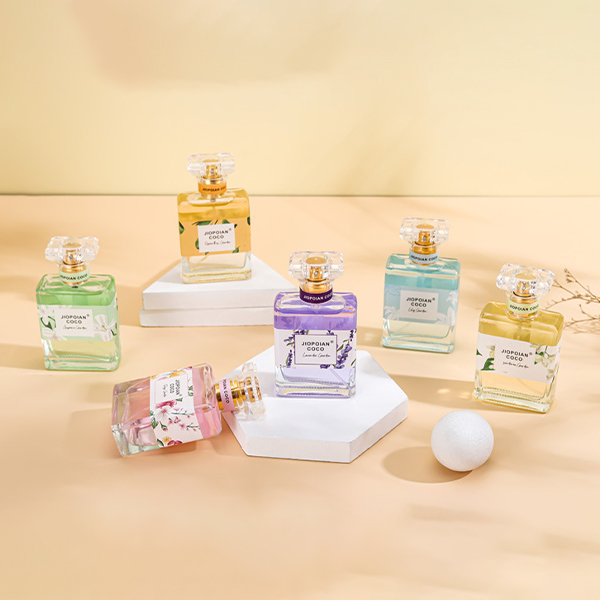
Africa should not be treated as a single fragrance market. North African countries have historical connections with Middle Eastern fragrance traditions, where woody, amber, musk and floral compositions have established audiences. In West and East Africa, fruity, sweet, floral, fresh and aromatic fragrances can also be commercially relevant.
Climate and daily routines influence product selection. In some hot and humid locations, consumers value noticeable fragrance and products that can be reapplied during the day. However, it would be inaccurate to assume that all African consumers prefer very strong perfumes. Preferences vary by country, age group, income level and retail segment.
Affordable everyday products are important in many markets. Body sprays, roll-on fragrances, perfume oils and smaller eau de parfum bottles can address different budgets and usage occasions. Urban consumers and premium buyers may also seek more sophisticated compositions and international-style packaging.
Oceania: Lifestyle, Individuality and Fragrance Variety
Australia and New Zealand have relatively mature fragrance markets. Consumers can choose from designer perfumes, department-store brands, niche fragrances, body mists and home fragrance products.
Fresh citrus, aquatic, aromatic, herbal, woody and clean musk profiles can fit the region’s outdoor and casual lifestyle associations. Coconut, tropical florals and warm gourmand notes also have their audiences. These are useful product-development directions, not universal preferences.
Gender-neutral fragrance positioning is visible among independent brands, particularly in the niche segment. Rather than assuming that all consumers prefer unisex products, manufacturers should recognize that both traditional men’s and women’s fragrances and gender-neutral collections have commercial opportunities.
2. Product Formats, Bottle Sizes and Packaging
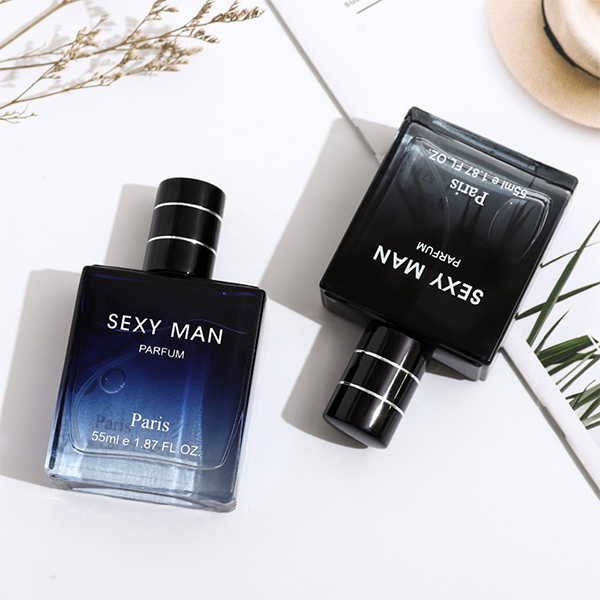
Product format is an important point of difference between the two regions. African buyers may need a portfolio covering several price levels, while Australian and New Zealand buyers may place greater emphasis on packaging consistency, product positioning and material information.
| Product consideration | African markets | Oceania |
| Common formats | EDP, body spray, roll-on, perfume oil and cologne | EDT, EDP, body mist, roll-on and home fragrance |
| Useful capacity options | 10ml, 30ml, 50ml and 100ml | 10ml, 30ml, 50ml and 100ml |
| Packaging priorities | Cost control, durability and practical dispensing | Design quality, material selection and recyclability |
| Main usage scenarios | Daily grooming, work and social occasions | Daily wear, outdoor activities, travel and personal lifestyle |
For African mass-market products, 10ml roll-ons and compact perfume bottles can support smaller purchases and convenient carrying. A 50ml or 100ml glass bottle may suit customers looking for a conventional spray perfume. Body sprays in suitable aerosol or non-aerosol containers can also serve everyday personal-care needs.
Packaging needs to withstand handling through importers, wholesalers and retailers. Secure caps, properly fitted spray pumps, durable labels and protective cartons can help reduce leakage and damage during transportation.
In Oceania, a perfume collection may combine 30ml and 50ml glass bottles, 10ml travel sprays, body mists and home fragrance products. Packaging options can include clear or amber glass, matte labels, carefully selected caps and paperboard cartons. Refillable packaging and recycled-content materials may be relevant for certain brands and retail customers.
However, natural-looking packaging does not automatically make a product sustainable. Material selection should consider durability, recyclability, recycled content and the packaging rules applicable in the destination market.
3. Distribution Channels and Buyer Expectations
Africa: Importers, Wholesalers and Local Retail Networks
Many African markets depend on importers and wholesalers to distribute personal-care and fragrance products through secondary distributors, independent cosmetics shops, community retailers and open markets. Modern retail is also important in selected countries and urban areas.
In South Africa, for example, Clicks and Dis-Chem provide established retail channels for personal-care and beauty products. Other countries have different combinations of pharmacies, supermarkets, specialist shops and traditional retail.
For overseas suppliers, a capable local importer is particularly important. Buyers need to understand customs procedures, product registration, local distribution costs and the purchasing power of their target customers. A product with attractive packaging but an unsuitable landed cost may struggle to compete.
Oceania: Established Retailers and Independent Brands
Australia and New Zealand have developed beauty and fragrance retail networks. Chemist Warehouse, Mecca and Sephora ANZ are examples of important retail businesses, while independent perfumeries and online stores provide additional opportunities for emerging brands.
Independent fragrance companies may seek distinctive scents, original packaging and flexible product development. Their requirements can involve detailed sampling, repeated adjustments to fragrance formulas and careful review of bottle, pump and carton specifications.
Smaller initial production runs may be relevant to some emerging brands, but MOQ and order size depend on the formula, packaging components, production process and supplier arrangements. Buyers should confirm these details directly rather than assume a standard market-wide quantity.
4. Regulatory Requirements and Import Compliance
Africa: Country-Specific Cosmetic Requirements
There is no single cosmetics registration system covering the entire African continent. Importers must check the regulations of each destination country.
Nigeria requires imported cosmetics to follow the registration procedures of the National Agency for Food and Drug Administration and Control (NAFDAC). Kenya uses conformity and standards procedures administered by the Kenya Bureau of Standards (KEBS), while Tanzania has its own requirements through the Tanzania Bureau of Standards (TBS).
Pre-export conformity assessment programmes, including PVoC arrangements, may apply to particular products and shipments. Requirements vary by country and product category. Labels, ingredient information, batch codes, importer details and supporting documents should therefore be checked before packaging is printed.
Australia and New Zealand: Chemical and Cosmetic Product Controls
Australia regulates relevant industrial chemicals through the Australian Industrial Chemicals Introduction Scheme (AICIS). Businesses importing cosmetics for commercial sale generally need to register with AICIS before introducing relevant industrial chemicals into Australia. Importers must also check whether the chemicals in their products are listed on the Australian Inventory of Industrial Chemicals or qualify under another permitted introduction category.
Importantly, AICIS registration applies to the importing business, not to each finished perfume bottle as a separate product registration. Cosmetic ingredient labeling and other applicable consumer-product requirements must also be considered.
New Zealand operates under its Cosmetic Products Group Standard. Updated rules took effect on January 1, 2026, covering matters including ingredient restrictions, labeling and hazardous-substance controls. Importers should review the current standard rather than rely on older packaging or ingredient specifications.
Animal-testing claims also require careful wording. Australia has restrictions on animal testing for cosmetics, but this should not be simplified into a blanket statement that every ingredient used in every cosmetic product worldwide must have no animal-test history. Vegan, cruelty-free and natural-origin claims should be supported by appropriate evidence and assessed separately from legal market-entry requirements.
5. How Perfume OEM/ODM Manufacturers Should Adapt
For Africa, manufacturers should consider a flexible product range that includes affordable EDP, body spray, roll-on and smaller perfume formats. Packaging should balance shelf appeal with durability and landed cost. Fragrance development should be based on the target country’s preferences rather than a general assumption about the whole continent.
For Oceania, product development may focus on well-finished glass bottles, travel sprays, body mists and complementary home fragrance products. Buyers may request ingredient information, packaging specifications, fragrance documentation and support in preparing compliance materials for local importers.
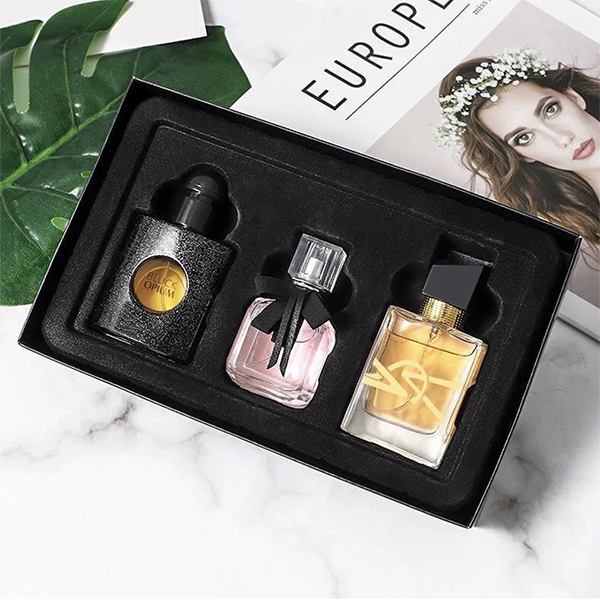
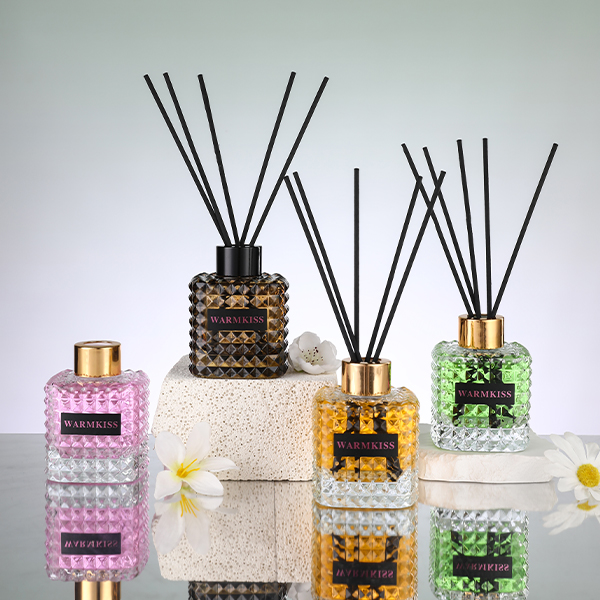
At Shandong Aili Cosmetics, we provide fragrance-focused OEM/ODM manufacturing for international buyers. Our product range includes perfume, body mist, reed diffusers and related personal-care products. We can discuss fragrance profiles, bottle capacities, glass and plastic packaging, spray pumps, caps, labels and outer cartons according to the intended market.
With more than 30 years of manufacturing experience, 48 perfume production lines and daily perfume production capacity exceeding 300,000 bottles, we work with brand owners and importers on different product specifications. Our approach is to evaluate the formula, packaging, target customer and destination-market requirements together, rather than simply offering the same finished product to every buyer.
Foire aux questions
- What is the main difference between African and Oceania perfume markets?
Many African markets place strong emphasis on affordability, distribution and practical product formats. Australia and New Zealand have mature retail systems and buyers who often pay close attention to product positioning, packaging and compliance documentation.
- Which perfume formats are suitable for African markets?
EDP sprays, body sprays, roll-ons, perfume oils and compact bottles can serve different consumer groups. The appropriate combination depends on local purchasing power and distribution channels.
- What fragrance profiles are relevant to Australia and New Zealand?
Citrus, aquatic, herbal, aromatic, woody, clean musk and tropical floral compositions are possible development directions. Consumer preferences remain diverse across both countries.
- Is AICIS product registration required for every imported perfume in Australia?
AICIS registration generally applies to the business introducing relevant industrial chemicals, not to each finished perfume bottle individually. Importers must also check the authorization status of the chemicals in their products.
- What regulations apply to cosmetics in New Zealand?
Cosmetic products containing hazardous substances must comply with the New Zealand Cosmetic Products Group Standard and applicable requirements for ingredients, labeling, safety and packaging.
- Do African countries share one cosmetic registration system?
No. Nigeria, Kenya, Tanzania and other countries have separate regulatory authorities and import procedures. Importers should verify requirements for each destination.
- Can perfume manufacturers supply both personal fragrance and home fragrance products?
Yes. An OEM/ODM manufacturer with a broader fragrance portfolio may supply perfume, body mist, reed diffusers and other home fragrance products, subject to the relevant product specifications and compliance requirements.
- What should buyers provide when requesting a perfume OEM quotation?
Buyers should provide the destination country, product type, fragrance direction, concentration, bottle capacity, packaging requirements, target order quantity and any known compliance requirements. This information helps the manufacturer prepare a more accurate proposal.
Conclusion
Afrique et Oceania offer different opportunities for international perfume suppliers. African markets require careful attention to affordability, product accessibility, local distribution and country-specific import procedures. Australia and New Zealand offer opportunities for differentiated fragrance collections, refined packaging and independent brand development, supported by clear chemical and cosmetic compliance frameworks.
À Shandong Aili Cosmétiques, we believe that successful international cooperation depends on matching fragrance formulas, product formats and packaging with real market requirements. A market-specific approach is more sustainable than relying on a single product strategy for every export destination.