
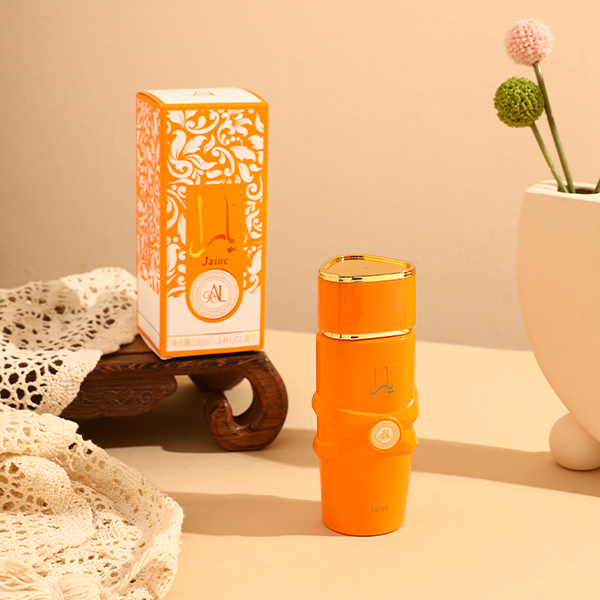
Understanding the Middle East Perfume Market
Explore the Middle East perfume market by Shandong Aili Cosmétiques, including Oud, Amber, Rose, Attar, high-concentration fragrances, layering, longevity, hospitality culture, and OEM opportunities.
The Middle East is a distinctive perfume market where fragrance is closely connected with personal identity, hospitality, social occasions, traditional culture, and everyday grooming. For many consumers, perfume is not simply a cosmetic product used occasionally. It can be part of a daily fragrance ritual involving perfume, scented body products, oud, bakhoor, oils, and other forms of fragrance.
This cultural foundation helps explain why the region has strong demand for long-lasting perfumes, high-concentration fragrances, Oud, Amber, Rose, Musk, Attar, and sophisticated fragrance layering.
For perfume brands and OEM/ODM buyers, the Middle East therefore requires a different product-development approach from markets where consumers primarily seek light, discreet, or minimalist fragrances.
The opportunity is not simply to make a “strong perfume.” A successful Middle Eastern fragrance portfolio needs to combine fragrance character, concentration, longevity, layering compatibility, packaging, cultural positioning, and the intended use occasion.
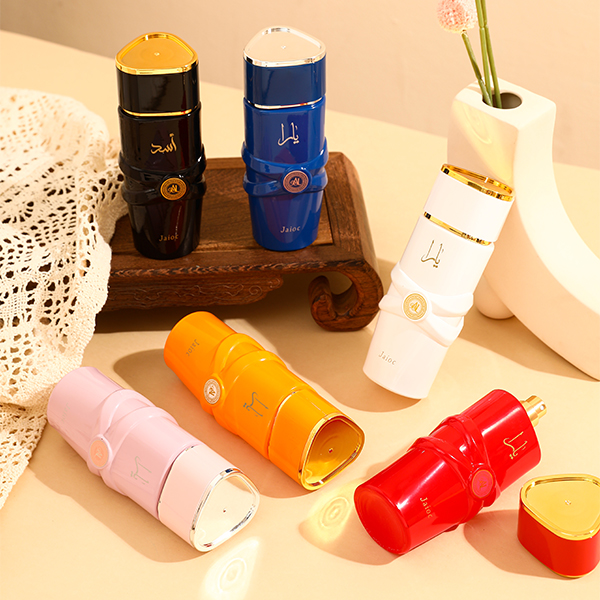
Oud Is One of the Defining Fragrance Directions
Oud, also known as agarwood, is one of the most recognizable fragrance materials associated with Middle Eastern perfumery.
Oud can appear in different styles, from deep and smoky compositions to smoother, sweeter, woody, amber-like, or modern interpretations.
For contemporary perfume brands, Oud does not necessarily need to be presented as a traditional fragrance only. It can be combined with modern materials and accords to create different product directions.
Common combinations include:
- Oud + Rose
- Oud + Amber
- Oud + Saffron
- Oud + Musk
- Oud + Vanilla
- Oud + Citrus
- Oud + Floral accords
- Oud + Woody accords
This creates an important opportunity for East-meets-West fragrance development: traditional Middle Eastern olfactory references can be combined with modern Western fragrance structures.
For OEM/ODM brands, this approach can make an Oud collection more accessible to different consumer groups without losing its Middle Eastern identity.
Amber, Rose and Musk Build the Foundation of Many Oriental Profiles
Oud is only one part of the Middle Eastern fragrance vocabulary.
Amber, Rose, Musk, Saffron, Vanilla, and woody accords can be used to create rich and expressive fragrance profiles.
Rose is particularly important because it can work in both traditional and contemporary compositions. Depending on the formulation, Rose can be paired with Oud for a powerful oriental profile, or with citrus, musk, vanilla, or modern woods for a softer interpretation.
Amber can contribute warmth, sweetness, depth, and persistence, while Musk can provide a smooth base that connects different layers of a fragrance.
This makes Middle Eastern perfume development particularly suitable for complex fragrance architecture rather than relying on a single dominant note.
| Fragrance Direction | Typical Role in a Middle Eastern Portfolio |
| Oud | Woody, deep, distinctive identity |
| Amber | Warmth, richness and sweetness |
| Rose | Floral character and traditional association |
| Musk | Softness, depth and base structure |
| Saffron | Spicy, luxurious character |
| Vanilla | Sweetness and modern gourmand appeal |
| Woods | Depth and sophistication |
| Citrus | Freshness and balance |
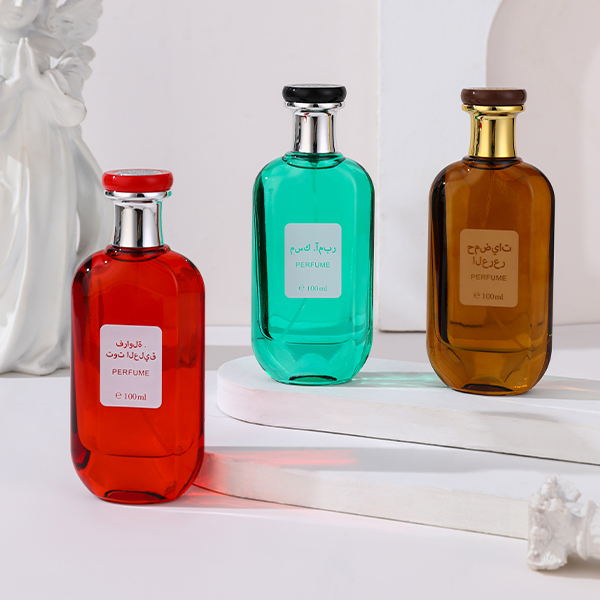
High-Concentration Perfume Is Important
One of the major differences between fragrance markets is the importance placed on concentration and performance.
Middle Eastern consumers and perfume buyers often pay close attention to:
- Longevity
- Projection
- Sillage
- Fragrance intensity
- Base-note development
- Performance on clothing
- Performance in different environments
This creates opportunities for products positioned as Parfum, Extrait-style fragrances, concentrated EDP, perfume oils, and Attar, depending on the product concept.
However, concentration should not be treated as a simple formula for making perfume better.
A higher concentration can change the balance between top, middle, and base notes, as well as the way a fragrance develops on skin and clothing. Good fragrance development therefore requires the formulation to be designed around the desired performance rather than simply increasing fragrance oil.
For a Middle Eastern perfume brand, the more useful question is often:
What level of concentration and performance matches the intended consumer, price point, fragrance profile, and occasion?
Attar and Perfume Oil Offer a Different Fragrance Experience
Attar and perfume oils occupy an important position within Middle Eastern fragrance culture.
Unlike conventional alcohol-based EDP or EDT, perfume oils provide a different application and fragrance-development experience. They can be applied directly to the skin and are often associated with concentrated, intimate, and traditional fragrance rituals.
Modern brands can develop perfume oils in different directions, including:
- Oud oil
- Rose oil
- Amber oil
- Musk-inspired perfume oil
- Floral perfume oil
- Oriental blends
- Modern Western-style perfume oils
Roll-on packaging can further increase portability and convenience.
For OEM/ODM buyers, this means an Attar or perfume-oil collection can complement rather than replace a conventional EDP collection.
A brand could offer:
EDP + Attar + Roll-On + Body Mist + Body Lotion
around the same fragrance family.
This creates a complete fragrance ecosystem instead of treating every product as an isolated SKU.
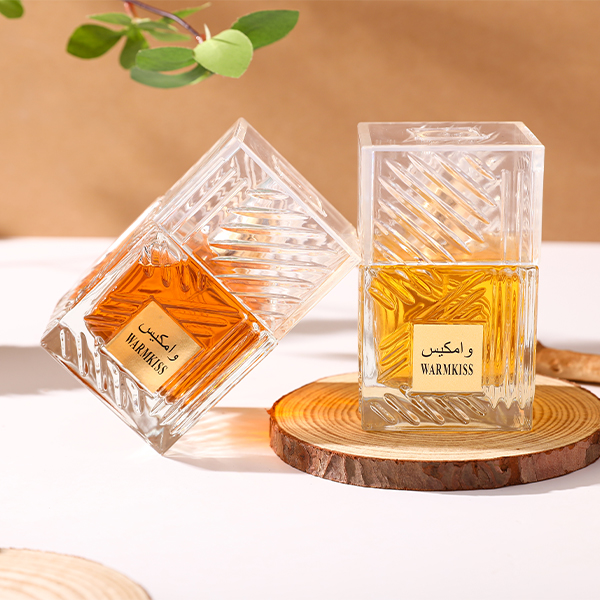
Layering Is Central to the Middle Eastern Fragrance Experience
Fragrance layering is another major opportunity for Middle Eastern perfume brands.
Instead of relying on one perfume alone, consumers can combine different scented products to create a more personalized fragrance experience.
A possible layering routine might include:
Shower Product → Body Lotion/Oil → Perfume Oil or Attar → EDP → Oud/Bakhoor
The exact routine varies by consumer, culture, occasion, and product portfolio, but the commercial implication is clear: one fragrance concept can generate multiple complementary products.
For manufacturers, this opens the door to coordinated collections rather than single-product development.
A fragrance brand could develop one signature scent across:
| Produit | Commercial Role |
| EDP | Main fragrance product |
| Attar/Perfume Oil | Concentrated and traditional format |
| Brume pour le corps | Lighter refreshment |
| Body Lotion | Fragrance layering |
| Shower Gel | Fragrance preparation |
| Hair Mist | Additional fragrance touchpoint |
| Oud/Bakhoor | Home and personal fragrance ritual |
| Gift Set | Présentation haut de gamme |
This approach can increase the depth of a product line while giving consumers more ways to experience the same fragrance identity.
Longevity Matters, but Longevity Is More Than Concentration
“Long-lasting perfume” is one of the most important commercial search intentions in Middle Eastern fragrance.
However, longevity is affected by multiple factors, including:
- Fragrance composition
- Volatility of individual materials
- Base-note structure
- Concentration du parfum
- Skin characteristics
- Application method
- Temperature
- Clothing and fabric
- Storage conditions
A well-designed fragrance should therefore balance longevity, projection, comfort, and fragrance evolution.
For an OEM manufacturer, this means performance testing should be considered during development rather than promising a specific number of hours before the final formula and application conditions are established.
This is particularly important for private label brands because a consumer’s perception of “long-lasting” depends on the complete fragrance experience, not only the fragrance-oil percentage.
Hospitality and Social Culture Influence Fragrance Consumption
Perfume in the Middle East also has an important social dimension.
Fragrance can be associated with hospitality, personal presentation, gatherings, celebrations, religious occasions, family events, and traditional social environments.
In hospitality settings, fragrances such as Oud and Bakhoor can contribute to the atmosphere of a home or gathering space. Personal fragrance can simultaneously function as grooming, self-expression, and preparation for social occasions.
This helps explain why Middle Eastern fragrance consumption extends beyond personal perfume bottles.
The wider opportunity includes:
- Personal perfume
- Perfume oil
- Attar
- Oud
- Bakhoor
- Parfums d'intérieur
- Body care
- Coffrets cadeaux
- Hospitality fragrance
For manufacturers, this creates possibilities for developing personal fragrance and home fragrance collections around the same olfactory identity.
Halal Does Not Automatically Mean Alcohol-Free
This distinction is important for any perfume manufacturer working with Muslim markets.
Muslim market does not automatically mean alcohol-free perfume.
Halal status and alcohol-free positioning are related but different concepts. Whether an alcohol-containing cosmetic fragrance is acceptable depends on the source and type of alcohol, formulation, applicable halal standards, certification requirements, and the specific market.
At the same time, alcohol-free products such as Attar, perfume oils, and water-based fragrances can serve consumers who specifically prefer those formats.
Therefore, perfume brands should avoid treating the market as:
Muslim consumers = alcohol-free perfume.
A more practical product strategy is to consider different formats separately:
| Product Type | Potential Positioning |
| EDP/EDT | Mainstream alcohol-based fragrance format |
| Alcohol-free perfume | Alternative formulation for specific consumer preferences |
| Attar | Traditional/concentrated fragrance positioning |
| Perfume Oil | Concentrated, portable and intimate application |
| Water-Based Perfume | Alternative lightweight format |
| Roll-On | Convenient portable application |
For halal-oriented products, brands should evaluate the complete ingredient, manufacturing, and certification requirements, rather than using “alcohol-free” as a substitute for halal compliance.
This distinction also gives brands greater flexibility. A Middle Eastern perfume collection can include both conventional EDP and alcohol-free or oil-based products when each is developed for its intended market and positioning.
What Middle Eastern Perfume Brands Should Look for in an OEM/ODM Manufacturer
A Middle Eastern perfume project requires more than a manufacturer that can simply fill bottles.
Buyers should evaluate whether the supplier can handle:
- Oud, Amber, Rose and other regional fragrance directions
- Different fragrance concentrations and formats
- Attar and perfume-oil development
- Longevity and performance testing
- Layering collections
- Customized bottles and luxury packaging
- Technical documentation and international export requirements
- Flexible MOQ for new product development
- Consistent quality during mass production
- Communication throughout sampling and production
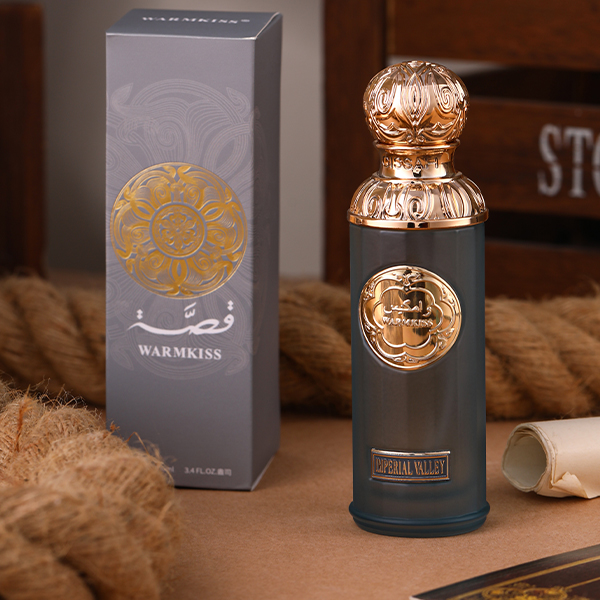
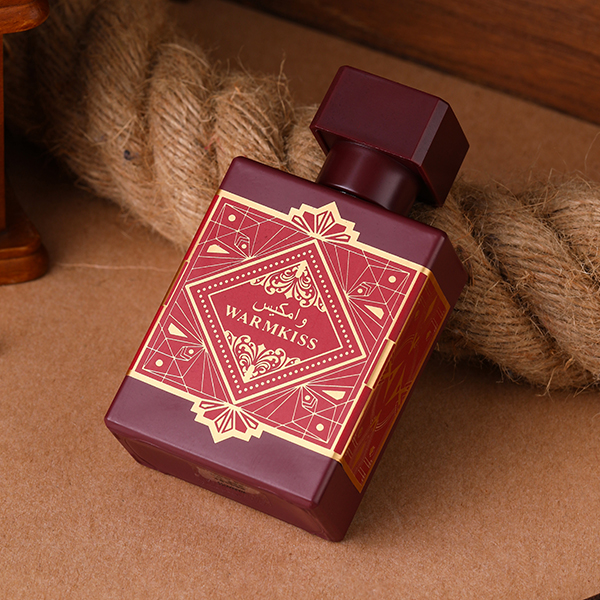
Packaging is especially important because Middle Eastern premium fragrance products often use packaging as part of the product experience.
Bottle weight, cap design, metallic finishes, embossing, hot stamping, boxes, magnetic closures, and gift-set presentation can all influence the perceived positioning of a fragrance.
How Aili Cosmetics Supports Middle Eastern Perfume Development
For Middle Eastern projects, Shandong Aili Perfume & Fragrance Cosmetics focuses on adapting fragrance development and OEM/ODM production to specific market requirements rather than applying one standard formula to every region.
Aili can support fragrance projects involving Oud, Amber, Rose, Musk, high-concentration EDP, Attar, perfume oil, body mist, and related fragrance products, together with bottle and packaging integration.
Its fragrance-material sourcing includes major international fragrance suppliers such as Givaudan, Robertet et Symrise, while its production capabilities support customized fragrance development and large-scale manufacturing.
For Middle Eastern brands, the development process can therefore connect fragrance profile, concentration, longevity, layering, packaging, target price, and intended market from the beginning.
Middle East Perfume Product Strategy at a Glance
| Market Requirement | Product Development Direction |
| Strong fragrance identity | Oud, Amber, Rose, Musk, Saffron |
| Long-lasting performance | Appropriate concentration + well-designed base |
| Traditional positioning | Attar, perfume oil, Oud |
| Modern luxury | High-concentration EDP + premium packaging |
| Layering | EDP + oil + body care + home fragrance |
| Everyday use | EDP, EDT, body mist |
| Portable fragrance | Roll-on and perfume oil |
| Halal-oriented development | Evaluate ingredients, formulation and certification requirements |
| Hospitality | Oud, Bakhoor and home fragrance |
| Premium gifting | Heavy glass bottles, luxury caps and gift sets |
FAQs About the Middle East Perfume Market
Why is Oud so important in Middle Eastern perfume?
Oud has a long association with Middle Eastern fragrance culture and is widely used as a distinctive woody fragrance direction. Modern perfume brands can use Oud alone or combine it with Rose, Amber, Saffron, Musk, Vanilla, Citrus, and other accords.
Are Middle Eastern consumers mainly looking for long-lasting perfumes?
Longevity is an important product-performance consideration in many Middle Eastern fragrance segments. However, consumers also evaluate projection, sillage, fragrance quality, concentration, packaging, and the overall scent experience.
Is Attar the same as EDP?
No. Attar or perfume oil and EDP are different fragrance formats. EDP is generally an alcohol-based fragrance format, while Attar/perfume oil uses an oil-based system. Both can have a place in a Middle Eastern fragrance portfolio.
Does a Muslim perfume market require alcohol-free perfume?
Not automatically. Muslim-market requirements should not be equated with alcohol-free perfume. Brands should evaluate the formulation, alcohol source, applicable halal standards, certification requirements, and target consumers separately.
Should Middle Eastern perfume brands offer both EDP and Attar?
A dual-format strategy can be useful because EDP and Attar serve different application preferences and positioning. A brand can build the same fragrance identity across EDP, perfume oil, roll-on, and other formats.
Why is fragrance layering important in the Middle East?
Layering allows consumers to combine multiple fragrance products to create a more personalized and longer-lasting fragrance experience. It also gives brands opportunities to develop coordinated perfume, body-care, oil, and home-fragrance collections.
What fragrance notes work well for Middle Eastern perfume development?
Oud, Amber, Rose, Musk, Saffron, Vanilla, and woody accords are important directions, while Citrus, fruity, floral, and modern gourmand elements can be used to create more contemporary interpretations.
How should a brand choose a Middle East perfume OEM manufacturer?
The manufacturer should be evaluated on fragrance development capability, regional understanding, concentration and format options, packaging integration, quality control, documentation, MOQ, export experience, and its ability to maintain consistent product performance at scale.
Conclusion
The Middle East perfume market cannot be understood simply as a market for “strong perfumes.”
Its uniqueness comes from the combination of Oud, Amber, Rose, Attar, high-concentration fragrances, longevity, layering, hospitality, personal presentation, and long-established fragrance culture.
For modern perfume brands, this creates opportunities to combine traditional Middle Eastern fragrance references with contemporary fragrance structures and product formats.
At the same time, brands should make an important distinction between Halal, alcohol-free, EDP, and Attar. A Muslim market does not automatically require alcohol-free perfume, while alcohol-free and oil-based products can still be valuable options for specific consumer preferences and positioning.
For OEM/ODM manufacturers, the goal is therefore not simply to produce a stronger perfume. It is to develop a complete fragrance solution in which scent profile, concentration, longevity, layering, packaging, compliance, and consumer expectations work together.