

Middle East vs Oceania Perfume Parfum Markets
Compare Middle Eastern et Australian and New Zealand perfume fragrance markets across fragrance preferences, concentration, packaging, pricing, distribution and compliance. Explore perfume fragrance OEM/ODM opportunities with Shandong Aili Cosmétiques.
The Middle East and Oceania represent two different opportunities for international perfume manufacturers. The Middle East has a deeply established fragrance culture, with strong demand for oud, amber, concentrated perfumes and decorative packaging. Oceania, particularly Australia and New Zealand, is a mature consumer market where fragrance purchases are closely connected with lifestyle, personal expression, product quality and retail presentation.
Pour Fabricants chinois de parfums, these differences influence fragrance composition, bottle design, packaging materials, product documentation and pricing. At Shandong Aili Cosmétiques, we believe successful market development starts with understanding how consumers actually use fragrance and what local buyers expect from a finished product.
À Shandong Aili Cosmétiques S.A.R.L., nous pensons que la véritable essence d’un parfum réside dans son odeur, sa qualité et l’émotion qu’il suscite — et non dans les marges bénéficiaires déterminées uniquement par le prestige de la marque. Depuis trop longtemps, les parfums de grande qualité sont considérés comme des produits de luxe exclusifs. Nous avons une vision différente du parfum : c’est une forme d’expression de soi et de bien-être personnel au quotidien qui devrait être accessible à tous, sans difficulté.
Notre objectif va bien au-delà de la simple réduction des coûts de production. Forts de plusieurs décennies d’expertise en fabrication, d’une chaîne d’approvisionnement intégrée et d’un contrôle qualité sans compromis, nous comblons le fossé entre la création de parfums haut de gamme et l’accessibilité au quotidien. Nous ne cherchons pas à concurrencer le luxe, mais à rehausser la valeur. En proposant une qualité irréprochable à un prix juste, Shandong Aili permet à ses partenaires et consommateurs du monde entier de découvrir l’art de la parfumerie fine comme un plaisir quotidien, plutôt que comme un luxe réservé à quelques privilégiés.
1. Middle East and Oceania: Key Market Differences
| Facteur | Moyen-Orient | Oceania |
| Consumption drivers | Fragrance traditions, hospitality, gifting and personal presentation | Personal grooming, lifestyle, self-expression and everyday use |
| Préférences en matière de parfums | Oud, amber, rose, saffron, musk and incense | Citrus, aquatic, woody, herbal, floral and soft musk |
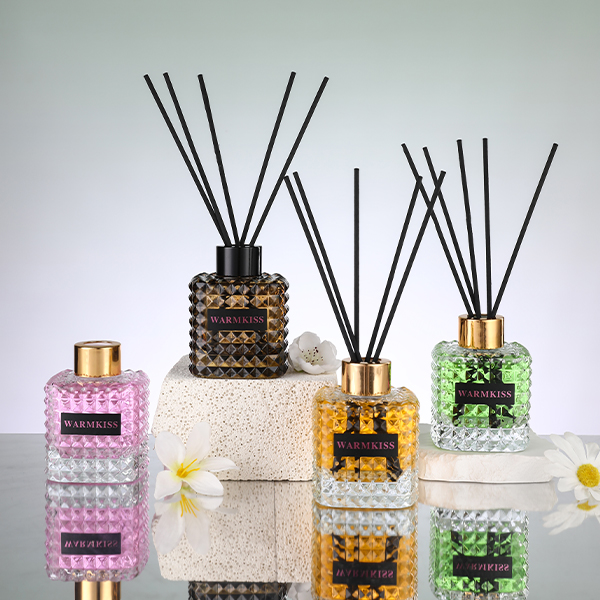
| Common formats | EDP, extrait-style perfume, perfume oil and bakhoor | EDT, EDP, body mist, roll-on and home fragrance |
| Emballage | Decorative glass, substantial caps and gift boxes | Minimalist bottles, restrained decoration and recyclable materials |
| Commercial channels | Import wholesalers and specialist perfume retailers | Beauty chains, department stores, independent brands and DTC |
| Purchasing priorities | Fragrance intensity, presentation and wholesale value | Formula quality, brand identity, product information and compliance |
These are general market tendencies rather than strict consumer rules. Premium oriental fragrances have customers in Australia, while contemporary minimalist perfumes are also increasingly visible in Middle Eastern retail.
2. Fragrance Preferences: Oriental Richness vs. Fresh Lifestyle Scents
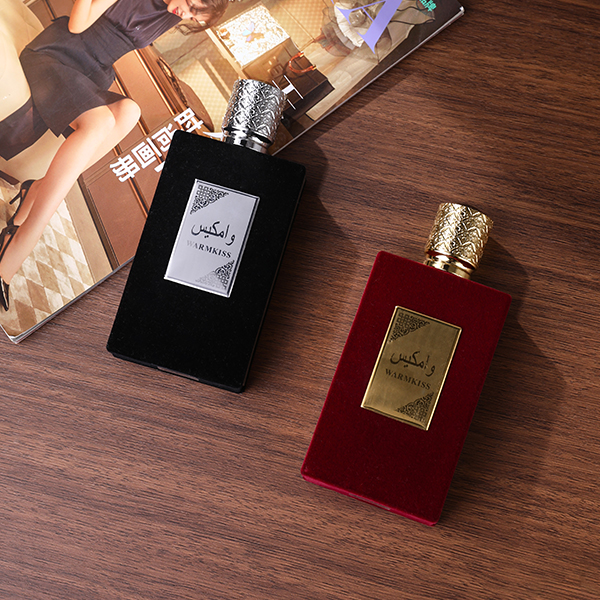
In the Middle East, perfume is closely connected with hospitality, social occasions and personal grooming. Oud, amber, rose, saffron, musk, leather and incense remain important fragrance directions. Many buyers look for a noticeable scent presence and a base-note structure that develops over several hours.
Concentrated EDP products, extrait-style perfumes and oil-based fragrances all have established commercial positions. Gift-oriented collections also create demand for distinctive bottles and decorative packaging.
In Australia and New Zealand, fragrance preferences are more closely associated with everyday lifestyle and personal comfort. Citrus, marine accords, eucalyptus-inspired freshness, tea notes, soft woods, white musk and light florals are useful directions for product development.
Natural ingredients and locally recognizable botanical concepts can also contribute to brand storytelling. Australian sandalwood, lemon myrtle and eucalyptus, for example, may be used as fragrance inspirations where appropriate. However, using a botanical reference in a fragrance concept does not automatically mean the finished product contains a high percentage of natural essential oils.
Another relevant trend is gender-neutral fragrance positioning. Unisex products built around citrus, woods, herbs and musk can appeal to consumers who prefer fragrance selection based on scent rather than traditional men’s and women’s categories.
3. Concentration and Formula Performance
Both markets offer EDT, EDP and more concentrated perfume formats. The appropriate concentration depends on the fragrance composition, intended use and brand positioning rather than geography alone.
Middle Eastern projects may place greater emphasis on rich base notes, stronger projection and concentrated formats. Oceania projects often include lighter everyday fragrances, body mists and home fragrance products alongside conventional EDP and EDT.
For manufacturers, several physical properties require attention:
- Volatility:Citrus and fresh top notes can evaporate relatively quickly, so the formula needs a balanced heart and base.
- Dry-down:Woody, musk and amber materials should develop smoothly without making a light fragrance feel excessively heavy.
- Clarity:The finished perfume should be checked for haze, sediment and unwanted color changes.
- Compatibilité des emballages :Alcohol-based formulas must be evaluated with the selected bottle, pump, gasket and other contacting materials.
- Stability:The finished product should undergo appropriate stability and compatibility evaluation under relevant storage conditions.
At Aili, we consider the finished perfume formula and its packaging together. Smelling fragrance concentrate alone cannot reliably predict how a commercial product will perform after filling.
4. Packaging: Luxury Presentation vs. Sustainable Simplicity
Middle Eastern packaging often emphasizes visual and tactile impact. Thick-base glass bottles, metallic caps, magnetic closures, electroplated finishes and rigid gift boxes are common choices for premium collections.
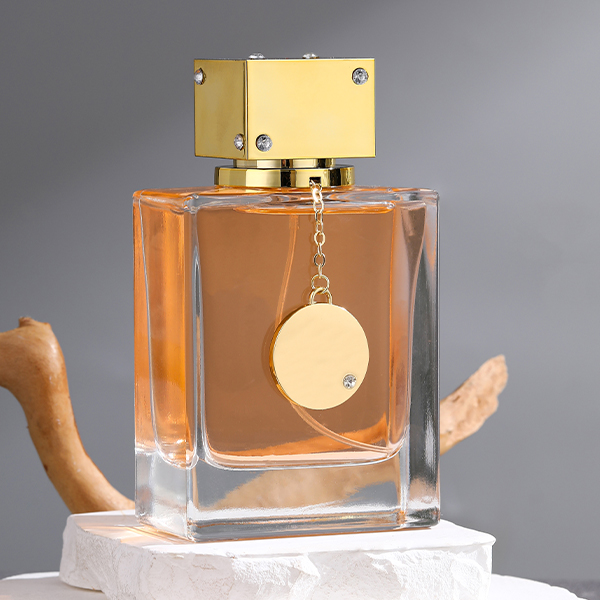
In Australia and New Zealand, many brands favor more restrained packaging. Clear glass, simple cylindrical or rectangular bottles, understated labels and paperboard cartons can suit lifestyle-oriented fragrance collections.
Packaging decisions may include:
- Lightweight glass bottles with adequate wall strength.
- Recyclable or material-efficient caps and closures.
- Paperboard cartons with clearly printed product information.
- Reduced decorative layers and unnecessary plastic components.
- Refillable or reusable packaging where the product design supports it.
Sustainability claims must be supported by actual material specifications. A recyclable carton, recycled-content bottle and refillable perfume system are different environmental features and should not be described interchangeably.
For OEM buyers, the goal is to balance brand appearance, component compatibility, transport protection and packaging cost.
5. Pricing, Brand Positioning and Distribution
Middle Eastern perfume distribution commonly involves importers, wholesalers, family-owned fragrance businesses and specialist retail stores. A successful product may develop into a substantial repeat-order business, making formula consistency and stable supply important.
Australia and New Zealand have a more diversified retail structure. Major beauty retailers, department stores, pharmacies, independent fragrance boutiques and direct-to-consumer brands all serve different customer groups.
Independent brands can offer opportunities for OEM/ODM suppliers, particularly when they need original fragrance concepts, small product collections and distinctive packaging. However, smaller initial orders do not necessarily mean simple projects. Buyers may require detailed samples, precise packaging specifications, documentation and multiple rounds of evaluation.
FOB pricing should be calculated according to bottle capacity, fragrance formula, glass weight, pump and cap materials, carton structure and order quantity. Premium niche perfume and affordable everyday fragrance should be quoted as different product categories.

6. Regulatory Requirements: GCC, Australia and New Zealand
Regulatory preparation is an important part of entering Oceania.
Moyen-Orient : Requirements differ by destination. Gulf countries apply relevant GCC technical regulations and national cosmetic requirements. Saudi Arabia uses SABER for applicable regulated products, while cosmetic products also have separate registration and compliance procedures. The UAE has its own product registration and conformity framework.
Australia: Cosmetics and perfume products must meet applicable Australian cosmetic and industrial chemical requirements. AICIS regulates the introduction of industrial chemicals, including relevant ingredients used in cosmetics. Australian importers and manufacturers need to determine their obligations under the AICIS framework, including inventory status and applicable introduction categories. Product labeling and consumer chemical information requirements must also be reviewed.
New Zealand: Cosmetic products are subject to the Environmental Protection Authority’s Cosmetic Products Group Standard and associated requirements. Importers should check ingredient restrictions, labeling and applicable compliance obligations before placing products on the market.
For alcohol-based perfumes, buyers and manufacturers should also coordinate dangerous-goods classification, safety data sheets, flash-point information, packaging and transport documentation with qualified logistics providers.
IFRA conformity documents and SDS are useful parts of supplier documentation, but they do not replace destination-specific legal compliance or finished-product safety obligations.
7. How Shandong Aili Cosmetics Approaches Both Markets
At Shandong Aili Cosmetics, we recognize that Middle Eastern and Oceanian customers may require different product-development priorities.
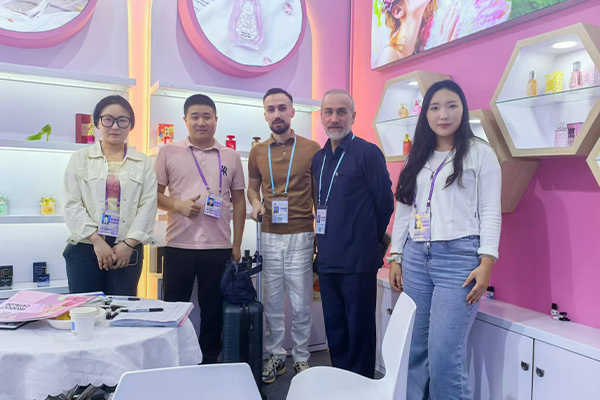
Our manufacturing base includes 48 perfume production lines, with production capacity exceeding 300,000 bottles per day. We support perfume OEM/ODM projects involving fragrance selection, bottle and cap coordination, spray components and outer-box design.
For Middle Eastern customers, development may focus on richer woody, amber, floral and oriental compositions, larger glass bottles and decorative gift packaging.
For Australian and New Zealand customers, we can explore fresh citrus, herbal, woody and soft-musk directions, together with practical bottle formats and more restrained packaging concepts.
We also recognize that international buyers need more than a finished bottle. Formula information, component specifications, product testing and cooperation with local importers on regulatory documentation are important parts of a professional supply relationship.
8. Frequently Asked Questions
- What perfume notes are popular in Australia and New Zealand?
Citrus, aquatic, herbal, woody, floral and soft-musk profiles are relevant to many lifestyle-oriented fragrance collections. Preferences vary by brand and consumer group.
- Are concentrated perfumes mainly popular in the Middle East?
The Middle East has strong demand for concentrated fragrance formats, but concentrated niche perfumes also have customers in Oceania. Both markets offer different concentration levels.
- Are unisex perfumes suitable for the Australian market?
Yes. Gender-neutral fragrance positioning can suit consumers who select perfumes according to fragrance character rather than traditional gender categories.
- Do Australian perfume buyers prefer natural ingredients?
Natural-origin ingredients can support product positioning, but consumers and buyers may also value formula performance, safety, transparency and substantiated claims. Natural does not automatically mean safer or better.
- Does AICIS require every perfume bottle to be registered separately?
AICIS focuses on the introduction of relevant industrial chemicals into Australia, not simply the registration of each finished perfume bottle. Importers must assess the applicable chemical introduction obligations.
- Is IFRA documentation sufficient for exporting perfume to Australia?
No. IFRA conformity is useful fragrance-industry documentation, but importers must also assess applicable Australian requirements, including AICIS obligations and product labeling.
- What packaging is suitable for Australian and New Zealand perfume brands?
Lightweight glass, restrained decoration, suitable caps and paperboard cartons can work well. Recyclability and refillability may also be relevant, provided the claims match the actual materials and design.
- Can a Chinese perfume OEM manufacturer develop products for both regions?
Yes. A manufacturer can use shared production resources while adapting fragrance formulas, packaging, documentation and commercial specifications to each destination.
Conclusion
The Middle East and Oceania offer different opportunities for perfume manufacturers. The Middle East is particularly suitable for rich oriental fragrances, concentrated formats and premium decorative packaging. Australia and New Zealand offer opportunities in lifestyle-oriented fragrances, gender-neutral collections, independent brands and more restrained packaging design.
For Shandong Aili Cosmetics, serving both markets means adapting the finished product to its intended consumer and distribution channel. By combining manufacturing capability with flexible fragrance development, packaging coordination and regulatory cooperation, we aim to support international buyers with products suited to their actual markets.