
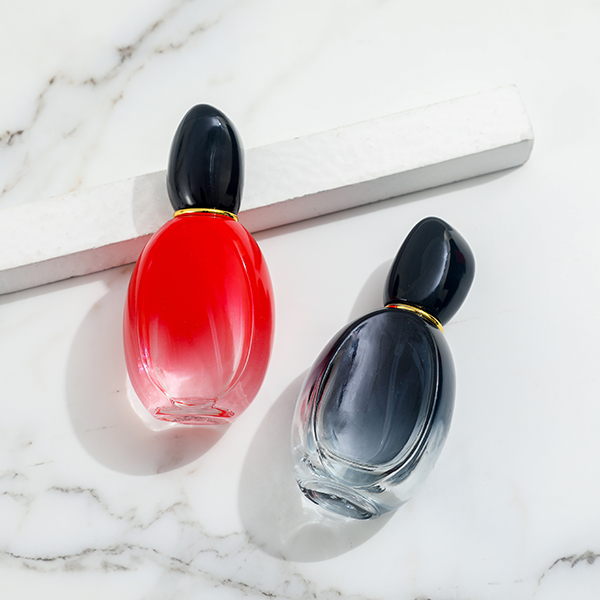
Why Perfume Maceration Matters in Fragrance Manufacturing
Learn why perfume maceration matters, how alcohol resting supports fragrance evaluation and stability, and how Shandong Aili Cosmétiques approaches perfume OEM/ODM manufacturing.
A well-made perfume depends on more than an appealing fragrance concentrate or a high-purity alcohol base. The way these ingredients are blended, rested, evaluated and prepared for filling also influences the quality of the finished product.
À Shandong Aili Cosmetics Co. Ltd., we view perfume maceration as an important stage in the fragrance manufacturing process. After fragrance concentrate is mixed with alcohol, a controlled resting period gives our production and quality teams an opportunity to assess how the formula performs before it proceeds to subsequent processing and filling.
For international buyers sourcing from a fabricant de parfums en Chine, understanding this process helps explain why manufacturing quality cannot be judged by fragrance ingredients, concentration or price alone. The objective is to produce a perfume that meets its approved sensory, appearance and quality specifications consistently.
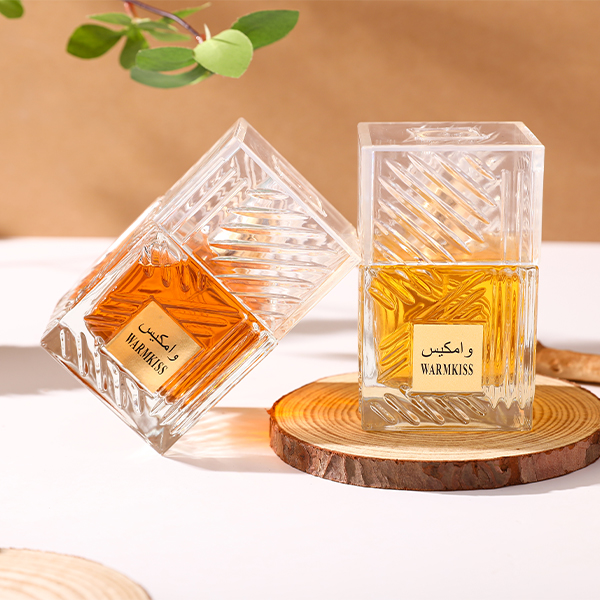
What Is Perfume Maceration?
Perfume maceration generally refers to allowing a diluted fragrance blend to rest under controlled conditions after the fragrance concentrate has been combined with alcohol. In some manufacturing discussions, the terms maceration et maturation are used interchangeably, although maturation may specifically refer to resting the fragrance concentrate before dilution.
During maceration, the manufacturer allows the blend to settle and then evaluates its characteristics. Depending on the formula, this period may help reveal changes in fragrance perception, clarity or compatibility that are not immediately apparent after mixing.
Maceration does not create fragrance ingredients that are absent from the original formula, nor does it automatically improve every perfume. Its practical value lies in giving the formulation time to equilibrate and providing a controlled opportunity for quality assessment.
Four Ways Maceration Supports Perfume Quality
1. Helps the Fragrance Profile Settle
Immediately after blending, a perfume may smell more alcohol-forward or less integrated than it does after resting. Re-evaluating the fragrance after an appropriate period can help the perfumer determine whether its opening, heart and dry-down express the intended composition.
For example, a fresh citrus fragrance and a rich woody or amber fragrance may behave differently during evaluation. Their ingredients, volatility and formulation characteristics influence the way the fragrance develops.
For this reason, we consider the approved fragrance sample and the intended scent profile essential reference points. The goal is not simply to make a fragrance smell stronger, but to determine whether its overall character matches the product brief.
2. Helps Identify Compatibility Problems
A perfume formula must remain compatible across its intended composition and storage conditions. Certain combinations of fragrance materials, alcohol and water can develop haze, sediment or other visible changes.
Resting provides an opportunity to observe whether such changes occur before the product is released for filling. If a problem appears, the formula may require further investigation, adjustment, cooling or filtration, depending on the cause.
A clear appearance is useful, but it does not prove that a perfume is fully stable or meets every quality requirement. Appropriate testing remains necessary.
3. Supports More Consistent Production Batches
For private label perfume and OEM/ODM projects, consistency is especially important. A distributor may reorder the same fragrance several times and expect the scent, appearance and spray experience to remain within the agreed specifications.
A defined maceration procedure can help standardize the time between blending and evaluation. When combined with approved reference samples, raw-material controls and batch records, it supports more reliable comparisons between production batches.
The process does not eliminate every possible source of variation. Nevertheless, it gives manufacturers another controlled checkpoint before bulk filling.
4. Creates an Opportunity for Pre-Filling Quality Review
Maceration should form part of a broader manufacturing workflow rather than operate as an isolated step.
| Manufacturing stage | Main purpose |
| Raw-material verification | Confirm material identity and relevant specifications |
| Fragrance blending | Combine ingredients according to the approved formula |
| Controlled resting | Allow the blended formula to settle before evaluation |
| Sensory and appearance checks | Compare the batch with established product requirements |
| Cooling or filtration, if needed | Address specific formulation or clarity requirements |
| Final quality review | Confirm applicable release criteria before filling |
This structured approach is useful for manufacturers supplying different fragrance families, concentrations, bottle formats and export markets.
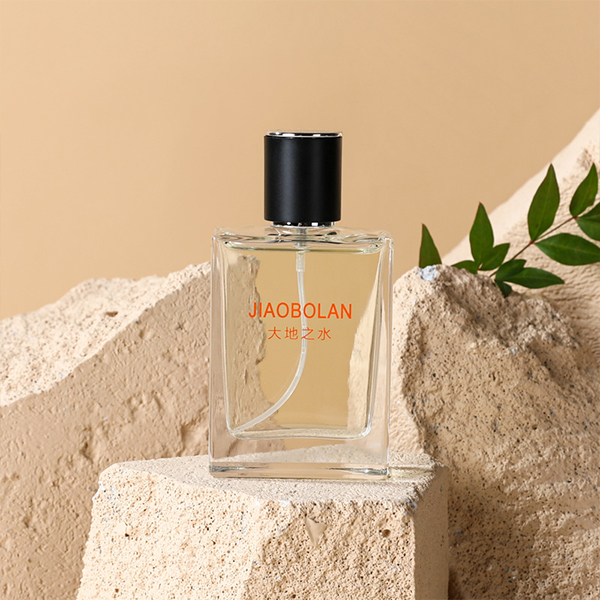
How Long Should a Perfume Be Left to Rest?
There is no universal maceration period suitable for every perfume. The appropriate duration depends on the fragrance composition, alcohol system, concentration, storage conditions and the results of formulation trials.
Some formulas may reach their intended evaluation point relatively quickly, while others may need a longer period before their characteristics can be assessed confidently. A fixed number of days should therefore be treated as a process parameter established for a particular product, not a guarantee of quality.
At Shandong Aili Cosmetics, a professional approach to perfume OEM/ODM manufacturing should connect the resting period with measurable quality objectives. These can include fragrance-profile comparison, appearance, clarity and relevant stability observations.
The important question is not simply whether a perfume has rested for two, four or six weeks. It is whether the formula has met the requirements established for that product.
Maceration, Cooling and Filtration: Understanding the Difference
These processes are related but serve different purposes.
Maceration: A controlled resting period after blending, followed by appropriate evaluation.
Cooling: A temperature-controlled step that may help certain components separate from the liquid.
Filtration: A process used to remove suitable particles or precipitated materials.
Stability testing: A planned evaluation of how a product changes under defined storage conditions.
Not every perfume needs the same combination of treatments. The decision should depend on the formulation and evidence from testing. Maceration alone cannot replace stability testing, packaging compatibility assessment or a finished-product safety review.
Manufacturers should also avoid assuming that longer resting automatically produces stronger projection or longer-lasting fragrance. These performance characteristics depend on the formula, fragrance materials, concentration and conditions of use.
How Shandong Aili Cosmetics Approaches Perfume OEM/ODM Quality
Established in 1993, Shandong Aili Cosmetics Co., Ltd. has more than 30 years of manufacturing experience and serves international customers through perfume products, private label services and OEM/ODM manufacturing.
We understand that overseas buyers need more than an attractive sample. They need a manufacturing partner who can translate the approved fragrance concept into a repeatable production process.
For a private label perfume project, this involves confirming the target fragrance profile, selecting suitable materials, evaluating samples, defining the relevant process requirements and checking the finished product against agreed specifications. Maceration is one part of that broader quality framework.
Our product development approach also needs to reflect the customer’s market positioning, packaging choices, cost targets and applicable destination-market requirements. A commercial fragrance designed for high-volume distribution may have different objectives from a niche fragrance developed for a smaller premium audience.
By treating fragrance evaluation and batch consistency as connected parts of manufacturing, we aim to support buyers developing perfume lines for their own brands and distribution networks.
Foire aux questions
1. What is maceration in perfume manufacturing?
It is the controlled resting of a fragrance blend after the concentrate has been diluted with alcohol, followed by evaluation before subsequent processing or filling.
2. Why is perfume maceration important?
It provides time to assess fragrance development, observe appearance changes and check whether the blend meets its intended specifications before filling.
3. Does maceration make perfume last longer?
Not necessarily. Longevity depends mainly on the formulation, fragrance materials, concentration and conditions of use. Resting does not guarantee improved performance.
4. How long should perfume macerate?
There is no single duration for every formula. The appropriate period should be established through formulation trials and quality evaluation.
5. Does every perfume need cooling and filtration?
No. These steps depend on the formula and whether testing identifies a need to address haze, precipitation or other relevant issues.
6. Can maceration fix a poor perfume formula?
No. Resting cannot compensate for unsuitable ingredients, an incorrect concentration or fundamental incompatibility. Such problems may require reformulation.
7. How can maceration improve batch consistency?
A defined resting and evaluation procedure creates a repeatable checkpoint. Combined with reference samples and batch records, it helps manufacturers identify differences before filling.
8. What should buyers ask a perfume OEM/ODM manufacturer?
Ask how the manufacturer controls raw materials, defines the resting period, evaluates fragrance samples, manages batch records and verifies finished-product quality. The answers should reflect the specific product rather than a generic promise.
Conclusion
Perfume maceration is a practical quality-control stage that connects blending with finished-product evaluation. Its value lies in giving the fragrance time to settle, helping reveal potential compatibility issues and allowing the manufacturer to assess whether the formula meets the approved standard.
At Shandong Aili Cosmetics Co., Ltd., we regard this step as part of a broader manufacturing system that includes raw-material selection, formulation control, appropriate testing and batch consistency. For international brands, importers and distributors, these coordinated practices provide a more meaningful basis for evaluating a reliable perfume OEM/ODM manufacturer in China than maceration time alone.