
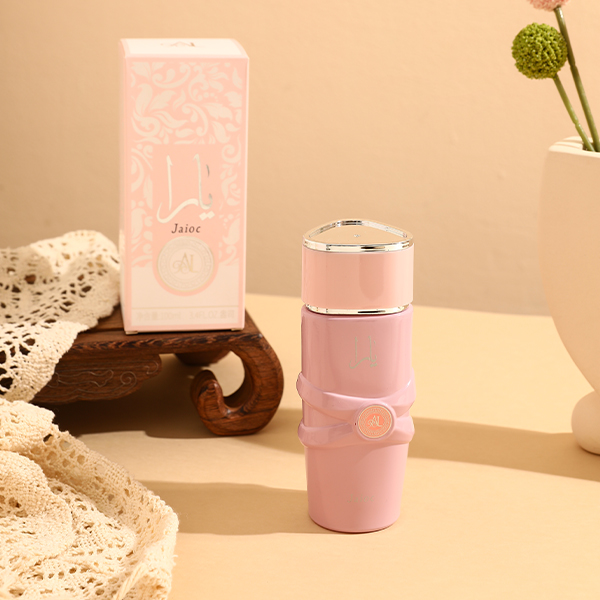
Crisis and Opportunity of 2026 Middle East Perfume Fragrance Market
Explore how current Middle East geopolitical and shipping disruptions are affecting China perfume Manufacturer exports, including freight costs, delivery risks, product strategy, logistics diversification and OEM opportunities.
The Middle East has long been one of the world’s most important fragrance markets. Perfume is deeply connected with personal grooming, hospitality, social occasions and cultural identity across the region. For Chinese perfume manufacturers and OEM/ODM suppliers, GCC markets such as Saudi Arabia and the UAE therefore remain strategically important.
However, the current geopolitical environment is changing the way perfume moves from China to the Middle East. Disruptions around the Strait of Hormuz and Bab el-Mandeb have increased shipping uncertainty, insurance costs and supply-chain risk. The impact is not simply higher freight rates. It is forcing Chinese fragrance manufacturers – Shandong Aili Cosméticos, exporters and Middle Eastern buyers to reconsider inventory, logistics, packaging and sourcing strategies.
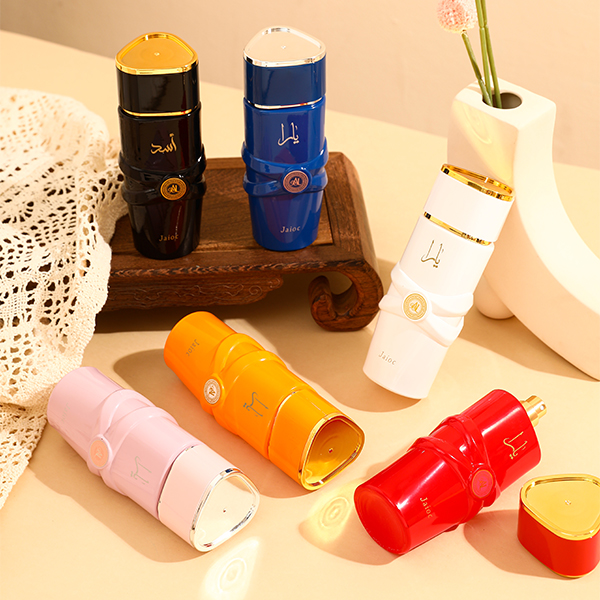
Why the Middle East Remains a Strategic Perfume Market
The region has a particularly strong fragrance culture. Perfume, oud, rose, amber, musk, saffron, bakhoor and perfume oils coexist with modern Western-style Eau de Parfum and Eau de Toilette.
The market is also highly segmented. Premium consumers continue to seek concentrated and distinctive fragrances, while mass-market buyers increasingly pay attention to price-performance and accessible alternatives.
This creates opportunities for Chinese perfume manufacturers, private label perfume suppliers and fragrance OEM/ODM factories.
Iran is another important market from a demographic and cultural perspective, although doing business there involves substantially greater sanctions, payment and compliance risks than operating in many GCC markets. Chinese suppliers should therefore distinguish between market potential and trade feasibility rather than treating the Middle East as a single market.
How Shipping Disruptions Are Affecting China Perfume Exports
The most immediate problem is logistics.
Perfume and some body fragrance products can involve flammable solvents and may require dangerous-goods handling. Depending on formulation and applicable transport rules, certain perfumery products can fall under Class 3 flammable-liquid requirements, including UN1266 in relevant classifications.
This makes perfume logistics more complicated than ordinary consumer goods.
When major maritime routes become high-risk, exporters can face:
- Higher ocean freight and fuel-related surcharges
- Increased war-risk insurance costs
- Fewer available vessel options
- Longer and less predictable transit times
- Port congestion and schedule changes
- More complicated dangerous-goods booking
- Higher inventory requirements for importers
Recent shipping developments show that the region’s maritime situation remains unstable rather than following a simple “closed or open” pattern. Alternative routes, pipeline systems and other workarounds have allowed some trade flows to continue, but shipping costs and operational risks remain elevated.
For a Chinese perfume exporter, the practical question is therefore no longer simply “What is the freight rate?” but “Can this order reach the customer reliably within the required commercial window?”
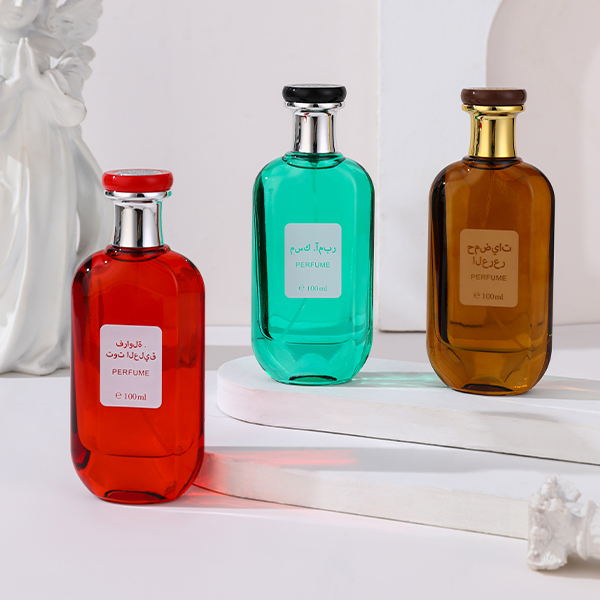
The Real Problem: Supply-Chain Uncertainty
For fragrance brands, delayed delivery can be more damaging than higher freight costs.
A distributor may have a new product launch, a seasonal promotion or a retail contract based on a specific arrival date. If a container is delayed for several weeks, the buyer may face stock shortages even when the factory has completed production.
This is especially important for private label perfume.
A Chinese OEM/ODM factory may successfully complete fragrance development, bottle production, filling and packaging, but the commercial transaction is not finished until the goods arrive in the destination market.
The current environment therefore places greater value on supply-chain visibility, inventory planning and logistics flexibility.
Will Middle East Perfume Demand Decline?
Not necessarily.
Geopolitical uncertainty can reduce discretionary spending in some consumer segments, but it does not automatically eliminate the region’s long-established fragrance culture.
Instead, the market may become more segmented.
Premium consumers may continue purchasing luxury and niche fragrances, while middle-income and mass-market consumers may become more price-conscious. This creates room for products that offer attractive fragrance performance and packaging at a more accessible price.
For Chinese perfume suppliers, this can create an opportunity in:
- Affordable Eau de Parfum
- Perfume de marca própria
- Óleos perfumados e roll-ons
- Spray corporal
- Long-lasting fragrance products
- Middle Eastern-inspired oud, amber and rose fragrances
- Travel-size and portable formats
- Multi-product fragrance collections
The opportunity, however, depends on reliable delivery. Competitive factory pricing alone is not enough when logistics become unpredictable.

Why Supply-Chain Diversification Is Becoming Essential
Chinese perfume exporters should avoid relying on a single route, port or logistics provider.
Depending on destination and cargo requirements, buyers and suppliers can evaluate different combinations of:
Ocean freight + regional trucking
Ocean freight + air freight
Alternative regional ports + inland distribution
Forward inventory + local distribution
There is no universal substitute route. Each option must be evaluated according to destination, dangerous-goods classification, cost, transit time and local infrastructure.
For urgent launches or high-margin products, a partial air-freight or sea-air strategy may sometimes make commercial sense. For stable, high-volume products, sea freight remains more economical when the route is operationally viable.
The objective is not to replace ocean freight completely. It is to build enough flexibility that one disrupted route does not stop the entire business.
Overseas Inventory Can Become a Competitive Advantage
The current environment also strengthens the case for regional inventory.
For established GCC customers, particularly distributors in markets such as Saudi Arabia and the UAE, forward stocking can reduce the risk of sudden product shortages.
Instead of shipping every order immediately after production, a buyer can maintain selected fast-moving SKUs closer to the market.
A practical model may include:
| Supply-Chain Strategy | Best Use | Main Advantage |
| Direct China-to-GCC shipping | Regular bulk orders | Lower logistics cost |
| Forward inventory | Fast-moving SKUs | Faster local fulfillment |
| Sea-air logistics | Urgent/high-value orders | Balance between cost and speed |
| Regional distribution | Multiple GCC markets | Better inventory flexibility |
| Small-batch replenishment | New products | Lower inventory risk |
For OEM/ODM brands, the most important point is to determine which products deserve inventory priority rather than storing every SKU.

Product Design Also Matters When Freight Costs Rise
Higher transportation costs make packaging efficiency more important.
For perfume manufacturers, lightweight packaging can reduce logistics pressure without necessarily reducing perceived value.
Potential approaches include:
- Optimized glass bottle weight
- More efficient outer-box dimensions
- Compact travel-size perfume
- Perfume oil and roll-on formats
- Concentrated fragrance products
- Better carton utilization
- Packaging designed for safer transportation
This does not mean simply replacing premium packaging with cheaper materials. The goal is to improve the value-to-volume ratio while maintaining the brand’s visual positioning.
For Middle Eastern fragrance brands, packaging remains an important part of perceived value, so cost reduction should be achieved through engineering and supply-chain optimization rather than indiscriminate downgrading.
Payment and Trade Compliance Require More Attention
Logistics is only one side of the risk equation.
Markets affected by sanctions, financial restrictions or political instability require additional attention to payment channels, customer verification and trade compliance.
Iran is a particularly sensitive example. Its market potential should not be confused with straightforward commercial accessibility.
Chinese exporters should carefully evaluate:
- Buyer background
- Sanctions exposure
- Payment route
- Currency and settlement risk
- Contract terms
- Insurance availability
- Export-control requirements
- Destination-market regulations
For higher-risk transactions, stronger payment protection and appropriate trade-credit or export-credit insurance can reduce exposure. Commercial terms should be decided case by case rather than using one payment model for every Middle Eastern customer.
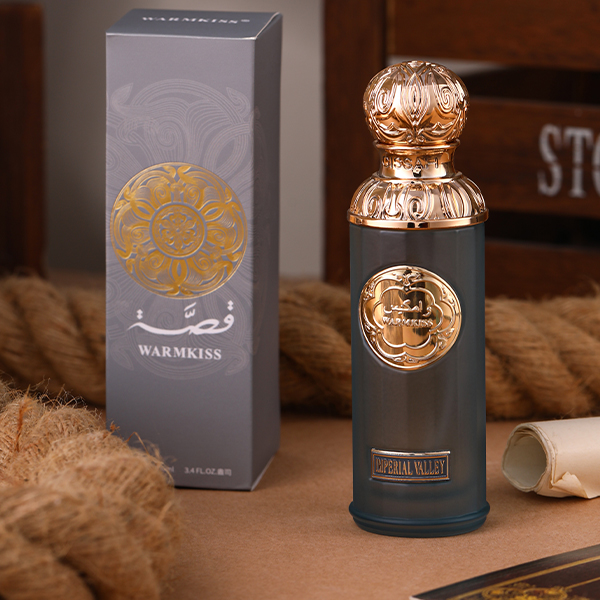
What Does This Mean for a China Perfume OEM/ODM Manufacturer?
The current situation is changing the definition of a competitive fragrance supplier.
A factory that only offers a low product price may become less attractive if delivery is unreliable. Buyers increasingly need a supplier that can coordinate fragrance development, packaging, production, dangerous-goods documentation, shipment planning and inventory strategy.
This is where an integrated perfume OEM/ODM model becomes more valuable.
As a China fragrance manufacturer, Shandong Aili Cosméticos can support perfume brands with fragrance development, private label production, packaging integration and production planning. Its broader fragrance portfolio also covers products such as body mist and home fragrance, allowing customers to develop multiple fragrance formats under one supply relationship.
For Middle Eastern customers, the objective is not simply to manufacture another perfume bottle. It is to build a product and supply solution that can remain commercially viable when transportation conditions change.
Frequently Asked Questions About China Perfume Exports to the Middle East
Is the current Middle East situation reducing perfume demand?
It may affect different consumer segments differently, but the region’s established fragrance culture remains a major demand foundation. The bigger immediate challenge for Chinese suppliers is logistics and supply-chain reliability.
Is shipping perfume from China to the Middle East more difficult now?
It can be. Route disruption, vessel availability, insurance, dangerous-goods requirements and port conditions can all affect transportation. Exact conditions vary by destination and shipment date.
Is perfume always classified as dangerous goods?
No. Classification depends on the formulation, flash point and applicable transport regulations. Perfume products containing flammable solvents can fall under Class 3 requirements, and some may use UN1266 as the applicable shipping description.
Should Middle Eastern perfume buyers keep inventory in the region?
For fast-moving products and strategically important SKUs, forward inventory can reduce the risk of stockouts. The appropriate level depends on demand, cash flow and logistics reliability.
Can China still compete with European perfume brands in the Middle East?
Yes, particularly in private label, value-oriented and customized fragrance segments. However, competitiveness increasingly depends on product quality, packaging, fragrance performance, compliance and delivery reliability—not factory price alone.
What perfume products have opportunities in the Middle East?
Opportunities can include EDP, perfume oils, roll-ons, body mists and fragrance collections featuring oud, amber, rose, musk and modern East-meets-West profiles. Product selection should be based on the target customer segment.
Is Iran an attractive perfume market for Chinese suppliers?
Iran has significant demographic and cultural potential, but trade with Iran involves much higher payment, sanctions and compliance risks. Market potential should therefore be assessed separately from transaction feasibility.
How can a Chinese perfume manufacturer reduce Middle East supply-chain risk?
The most practical measures include diversified logistics options, forward inventory for key products, efficient packaging, flexible production planning, careful customer due diligence and stronger payment-risk management.
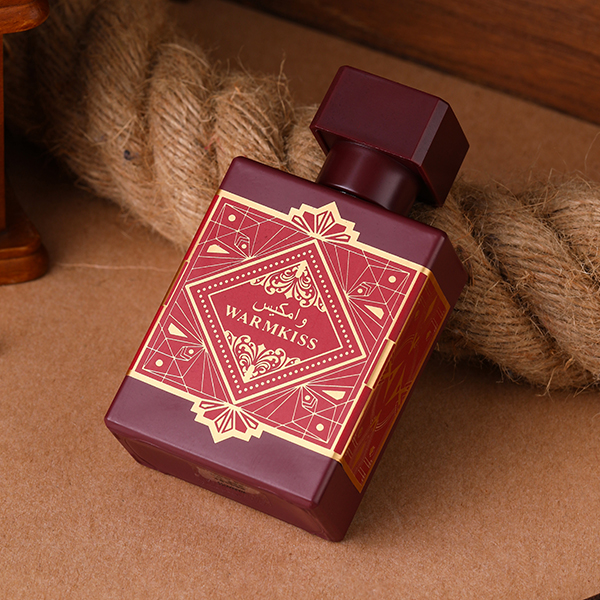
Conclusion: The Crisis Is Testing Supply-Chain Resilience
The current Middle East situation is undoubtedly creating new challenges for China’s perfume export trade. Higher logistics costs, maritime uncertainty, dangerous-goods transportation requirements and payment risks are putting pressure on traditional export models.
But the underlying demand for fragrance has not disappeared.
Instead, the crisis is accelerating a shift from “lowest factory price” toward “reliable total supply capability.”
For Chinese perfume manufacturers, the winners may be those that combine competitive manufacturing with flexible logistics, efficient packaging, professional compliance support and regional inventory planning.
For Shandong Aili Cosméticos, this is also an opportunity to deepen cooperation with Middle Eastern perfume brands and distributors. The future of China–Middle East fragrance trade will not be determined by who can produce the cheapest perfume, but by who can develop the right product, manage the supply chain and deliver reliably when market conditions are uncertain.