

Market Overview: Two Growing Regions with Different Consumption Patterns
Comparar African e South American perfume fragrance markets by consumer preferences, fragrance formats, packaging, distribution channels and cosmetic regulations. Explore practical perfume fragrance OEM/ODM opportunities com Shandong Aili Cosméticos.
África e South America are important markets for international perfume suppliers, but their commercial structures are quite different. Africa is a diverse collection of emerging markets where affordability, distribution access and product adaptability remain important. South America, led by Brazil, has a more established fragrance culture, with frequent everyday use of perfumes, body splashes and colognes.
Para Chinese perfume fragrance manufacturers and exporters, the difference is not simply about fragrance preferences. It also affects bottle capacity, packaging materials, retail prices, product positioning and regulatory preparation.
Africa includes distinct markets such as Nigeria, Ghana, Kenya, Tanzania, Morocco and South Africa. South America is also diverse, although Brazil has a particularly strong influence on regional fragrance consumption. Colombia, Chile, Argentina and Peru each have their own retail structures and regulatory procedures.
| Comparison | African markets | South American markets |
| Market structure | Diverse, with traditional wholesale and modern retail operating side by side | Established fragrance consumption, with strong domestic brands and direct-selling networks |
| Main purchasing considerations | Affordability, availability and practical packaging | Everyday usability, fragrance variety and product value |
| Common product formats | EDP, body spray, roll-on fragrance and perfume oil | Deo Colônia, body splash, EDP and body mist |
| Packaging priorities | Durability, manageable cost and transport protection | Convenient dispensing, larger capacities and attractive shelf presentation |
| Market entry | Country-specific registration and import procedures | Local product notification or authorization, importer requirements and national rules |
Consumer Preferences and Fragrance Trends
Africa: Regional Diversity and Practical Fragrance Choices
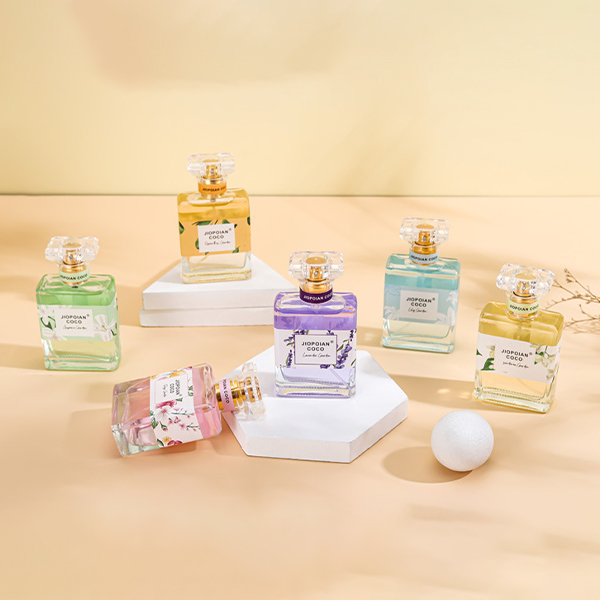
African fragrance preferences should not be treated as uniform. In North Africa, consumer tastes can reflect long-established connections with Middle Eastern fragrance traditions, including woody, amber, musk, rose and oriental-inspired compositions.
In West and East Africa, fruity, floral, sweet and fresh fragrances can all find buyers, depending on the country, customer segment and retail channel. Stronger fragrance projection may appeal to some consumers, but it is not a universal requirement. Price, familiarity, availability and perceived quality also influence purchasing decisions.
Smaller perfume formats can be useful where customers prefer lower initial spending or portable products. Roll-on fragrance oils, 10ml–30ml bottles and body sprays provide different price and usage options. For wholesalers, offering several sizes can help reach both entry-level buyers and customers seeking more concentrated products.
South America: Everyday Fragrance and High-Frequency Use
South America has a well-established culture of daily fragrance use. Brazil is especially notable for the popularity of Deo Colônia and body splash products, which are often applied generously after bathing or during daily routines.
Deo Colônia is a recognized Brazilian product category, while body splash generally refers to lighter fragrance products intended for frequent application. These formats are different from conventional EDP perfumes and should not be treated as interchangeable.
Fresh citrus, tropical fruit, floral, sweet and musky compositions are relevant to many South American product lines. At the same time, stronger woody, amber and Middle Eastern-inspired fragrances have gained visibility through online retail and social media. This creates opportunities for both traditional everyday fragrances and more concentrated EDP collections.
Product Formats, Bottle Sizes and Packaging Requirements
The physical product design should reflect how consumers use and purchase fragrance.
| Formato do produto | African market applications | South American market applications |
| Perfume de 10 ml a 30 ml | Entry-level products, portable fragrance and travel use | Discovery products, travel sizes and compact EDP |
| 50ml–100ml EDP | Mid-range and premium fragrance collections | Premium everyday perfume and gift products |
| 150ml–300ml body fragrance | Body spray and selected value-oriented formats | Deo Colônia and body splash for frequent application |
| Roll-on fragrance | Portable perfume oil and targeted application | Niche and convenient personal fragrance products |
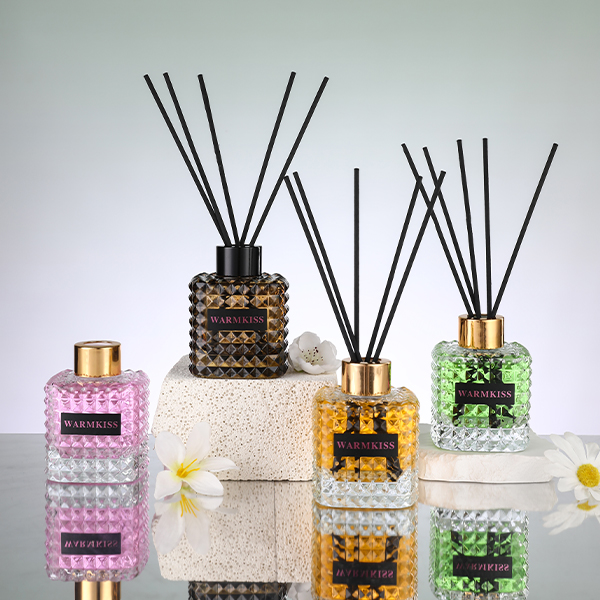
| Fragrâncias para o lar | Reed diffusers and room fragrance for selected retail segments | Reed diffusers and home fragrance collections |
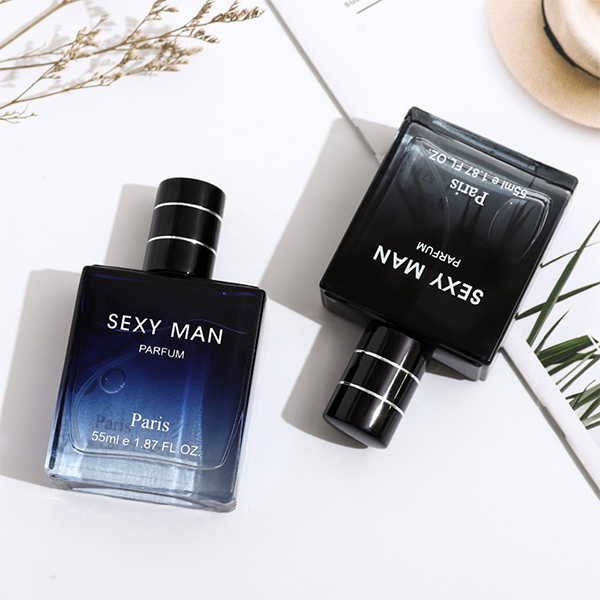
For African distribution, packaging needs to withstand repeated handling, warehouse storage and long-distance transportation. A lightweight PET bottle or aluminium aerosol can may be appropriate for certain body spray products. For glass perfume bottles, a stable base, secure cap, well-fitted pump and protective carton insert help reduce leakage and breakage risks.
In South America, larger product capacities deserve particular attention. A 200ml body splash bottle requires a suitable spray pump, a sufficiently strong bottle wall and a stable base. The dip tube must reach the bottom of the container without obstructing the pump. A 100ml EDP bottle, by comparison, may use a glass container, crimp or screw-type pump assembly, decorative cap and folding carton.
At Shandong Aili Cosmetics, we consider bottle capacity, material, pump performance, cap fit, label area and outer-carton dimensions together when developing perfume OEM and private-label products. Packaging should be evaluated as a complete system rather than as separate decorative components.
Distribution Channels and Business Models
African perfume distribution varies considerably by country. Traditional wholesalers, open markets, independent cosmetics shops and community retailers remain important in many areas. Modern retail chains also operate in markets such as South Africa, where retailers including Clicks and Dis-Chem provide more structured distribution channels.
This means exporters often need to work with importers and distributors that understand local wholesale networks, product registration and regional logistics. Smaller package sizes and multiple price levels may help distributors serve different customer groups.
South America has a different channel structure. Brazil has influential domestic beauty companies, including Grupo Boticário and Natura, as well as extensive direct-selling networks. These established businesses shape consumer expectations and create strong competition for imported brands.
E-commerce platforms such as Mercado Libre and Shopee also provide routes to market for smaller brands and independent sellers. However, online access does not remove the need for local compliance, reliable fulfillment or competitive landed costs. For foreign suppliers, a local importer, distributor or experienced e-commerce operator can be an important business partner.
Cosmetic Regulations and Import Requirements
Regulatory preparation is essential in both regions, but the systems differ by country.
In Africa, there is no single continent-wide cosmetic registration procedure that replaces national requirements. Nigeria requires cosmetic products to be registered with NAFDAC before commercial importation and sale. Kenya and Tanzania have their own standards and conformity-assessment systems, and applicable pre-export inspection or certification requirements should be checked for each shipment. PVoC and CoC procedures are not universal requirements across every African country or every product category.
South America also requires country-specific preparation. In Brazil, ANVISA regulates personal hygiene products, cosmetics and perfumes under rules including RDC 907/2024. Products exempt from pre-market registration may still require notification, while certain categories require marketing authorization. The Brazilian company responsible for the product must hold the appropriate AFE authorization for regulated activities such as importing and regularizing products.
Spanish-speaking markets have separate procedures. Colombia operates through INVIMA and the applicable Andean Community framework; Peru uses DIGEMID procedures for relevant cosmetic products; and Chile has its own sanitary requirements administered by the ISP. Importers should confirm the product classification, notification requirements, label language and documentation before shipment.
For Aili, the practical approach is to prepare product specifications, ingredient information, packaging details and supporting quality documents for the buyer’s regulatory review. The local importer or responsible company should confirm the applicable registration and import procedures before an order is finalized.
What These Differences Mean for Perfume OEM/ODM Manufacturers
The African and South American markets call for different product planning strategies.
For Africa, a practical portfolio may combine affordable 10ml–30ml formats, roll-on fragrance oils, body sprays and selected 50ml–100ml EDP products. Lightweight packaging, secure closures and protective cartons can help control distribution costs and reduce transport damage. Fragrance development should reflect the preferences of the target country rather than rely on one formula for the entire continent.
For South America, a two-track portfolio can be more suitable: 100ml EDP products for concentrated fragrance use, alongside 150ml–300ml Deo Colônia or body splash products for frequent daily application. Pump selection, bottle capacity, formula stability and packaging cost all matter when developing larger formats.
Shandong Aili Cosmetics was established in 1993 and has more than 30 years of manufacturing experience. Our fragrance-centered OEM/ODM business covers perfume and related fragrance products, including reed diffusers and selected personal-care and home-care categories. With 48 perfume production lines and a reported daily perfume output exceeding 300,000 bottles, we can support different product specifications and packaging combinations.
We believe market-specific development is more useful than simply offering the same bottle and fragrance formula to every destination. Product capacity, fragrance concentration, pump structure, packaging materials and local compliance should be considered together.
Perguntas Frequentes
- What is the main difference between African and South American perfume markets?
African markets are highly diverse and often require flexible pricing, distribution formats and packaging. South America, particularly Brazil, has a mature everyday fragrance culture with strong demand for colognes, body splashes and EDP perfumes.
- Which perfume sizes are suitable for African markets?
There is no single ideal size. 10ml–30ml products can serve entry-level and portable-use segments, while 50ml–100ml EDP products can target customers seeking more conventional perfume formats.
- Why are large body splash bottles important in Brazil?
Body splash and Deo Colônia are frequently used as everyday fragrance products. Larger capacities, such as 150ml–300ml, can suit repeated application and provide better value for regular users.
- Are Middle Eastern-style perfumes popular in both regions?
They have visibility in parts of both regions, but their acceptance varies by country and customer segment. Woody, amber and sweet compositions can complement, rather than replace, established local fragrance preferences.
- What packaging should perfume exporters consider for Africa?
Durable bottles, secure pumps, well-fitted caps and protective cartons are important. Lightweight PET or aluminium packaging may also be appropriate for selected body spray products.
- Does every perfume imported into Brazil require formal ANVISA registration?
No. Depending on its classification, a perfume may follow a notification procedure rather than pre-market registration. The Brazilian responsible company must determine the applicable route and hold the required authorization.
- Can one perfume formula be sold throughout Africa or South America?
A formula may be used across multiple markets if it meets each destination’s requirements, but commercial suitability is not guaranteed. Fragrance preferences, labeling, product classification and registration procedures should be reviewed country by country.
- What should buyers look for in a perfume OEM/ODM supplier?
Buyers should evaluate fragrance development, formula stability, bottle and pump compatibility, packaging quality, production capacity, documentation support and the supplier’s ability to adapt product specifications to different markets.
Conclusão
África e South America both offer opportunities for perfume manufacturers, but their demand structures should not be approached in the same way. African buyers may need flexible product sizes, cost-conscious packaging and country-specific distribution support. South American buyers, especially in Brazil, may place greater emphasis on everyday cologne and body splash formats alongside conventional EDP perfumes.
For perfume importers and private-label brands, the most effective approach is to match fragrance, capacity, packaging and regulatory preparation with the actual target market. At Shandong Aili Cosmetics Co.,Ltd., we view this product-level adaptability as an important foundation for long-term OEM/ODM cooperation.