
Does Premium Perfume Require Premium Alcohol Sources?
Does luxury perfume require sugarcane or sugar beet alcohol? Discover how ethanol source, purity, odor, water content, and formulation compatibility affect premium fragrance quality.
When discussing luxury perfume manufacturing, people often assume that only sugarcane or sugar beet ethanol is suitable for high-end fragrances, while corn-based or grain-based alcohol is mainly used in mass-market products.
This assumption is not entirely accurate.
High-quality perfume can be manufactured using ethanol from corn, wheat, sugarcane, sugar beet, or other suitable sources. The agricultural origin alone does not determine the quality of the finished alcohol. What matters most is its purity, odor neutrality, impurity profile, water content, consistency, and compatibility with the fragrance formula.
Em Shandong Aili Cosmetics Co., Ltd., we believe that premium fragrance quality begins with the careful selection of every raw material. Our perfume alcohol sourcing is primarily connected with grain-based fermentation supply chains in northern China. With appropriate specifications and quality controls, grain-based ethanol can be a suitable ingredient for both commercial and more sophisticated fragrance formulations.

1. Which Alcohol Sources Can Be Used in Luxury Perfume?
There are several established routes for producing ethanol used in fragrance manufacturing.
Sugar Beet Alcohol
Sugar beet is an important agricultural feedstock for ethanol production in parts of Europe. Its sugars can be fermented and the resulting alcohol purified for different industrial applications.
Some European fragrance manufacturers may source alcohol from regional agricultural supply chains, including sugar beet. However, there is no universal industry rule requiring luxury perfume houses to use sugar beet ethanol.
Its suitability depends on the final technical specification and supplier quality.
Sugarcane Alcohol
Sugarcane is widely used for bioethanol production, particularly in Brazil. It is an established renewable feedstock with a mature industrial supply chain.
Sugarcane-derived ethanol can be purified to meet demanding fragrance applications. It may also appeal to brands interested in agricultural traceability and renewable raw materials.
Nevertheless, sugarcane origin alone does not guarantee a superior odor profile or better perfume performance. The final purification process remains essential.
Corn and Wheat Alcohol
Corn and wheat are widely used in grain-based ethanol production. The starch is converted into fermentable sugars, followed by fermentation, distillation, and further purification where necessary.
China and the United States have substantial grain-based ethanol industries. In China, corn is an important feedstock supported by established agricultural and industrial supply chains.
At Aili Cosmetics, we work with perfume alcohol sourced primarily through northern China’s grain-based fermentation supply chain. Properly specified and purified grain ethanol can provide a reliable foundation for fragrance formulation.
Synthetic Ethanol
Ethanol can also be produced through petrochemical processes, such as ethylene hydration.
Chemically, ethanol produced through synthetic routes is the same molecule as fermentation-derived ethanol. Its suitability for perfume depends on purity, impurities, odor, documentation, and regulatory acceptance.
It is therefore inaccurate to claim that all synthetic ethanol is inherently unsuitable for premium perfume. The actual specification and manufacturing controls must be evaluated.
2. What Really Makes Alcohol Suitable for Luxury Perfume?
For high-end fragrance manufacturing, the most important question is not whether the ethanol comes from sugarcane, corn, or sugar beet. It is whether the alcohol meets the technical requirements of the formulation.
High Purity and Controlled Impurities
Perfume alcohol commonly has a high ethanol concentration, often around 95% or above. Some formulations require more highly dehydrated ethanol.
However, purity percentage alone is not enough. Residual fermentation by-products, aldehydes, higher alcohols, and other impurities must also be controlled.
A supplier’s technical specification and certificate of analysis provide more useful information than the name of the original crop.
Neutral Odor
One of the most important characteristics of perfume-grade ethanol is a clean, neutral odor.
If the alcohol has a noticeable grain-like, fermented, solvent-like, or otherwise unpleasant smell, it may interfere with the fragrance composition, particularly during the initial spray.
Appropriate distillation and purification help control unwanted odor. Manufacturers should also evaluate the alcohol sensorially and test it in the intended fragrance formula.
Water Content and Formulation Compatibility
Water content can influence fragrance clarity, solubility, and stability.
Some fragrance materials are sensitive to the amount of water in the formulation. If the alcohol and fragrance concentrate are not compatible, the finished product may become cloudy, separate, or develop other stability problems.
However, using completely anhydrous alcohol is not a universal requirement for every premium perfume. The correct water specification depends on the fragrance formula and the intended product.
3. Does Denatured Alcohol Affect Luxury Perfume Quality?
Many cosmetic and fragrance products use denatured ethanol. Denaturing involves adding approved substances to make alcohol unsuitable for drinking.
The exact denaturant system depends on national regulations and product requirements.
In the United States, SD Alcohol 40-B is one recognized formulation. In other markets, different permitted denaturants may apply. Alcohol Denat. is also a common cosmetic ingredient declaration.
The important point is that a suitable denaturant system should not introduce unacceptable odor, interfere with the fragrance formula, or create regulatory problems.
There is no universal rule that all luxury perfumes must use SD Alcohol 40-B. Buyers and manufacturers should confirm the appropriate alcohol specification for the destination market.
4. Comparing Different Ethanol Sources for Premium Fragrance
| Alcohol source | Can it be used in luxury perfume? | Main consideration |
| Sugar beet | Yes | Final purity, odor, and supplier specifications |
| Sugarcane | Yes | Purification quality and feedstock traceability |
| Corn | Yes | Removal of fermentation-related impurities |
| Wheat | Yes | Final alcohol specification and consistency |
| Synthetic ethanol | Potentially | Purity, impurity profile, and regulatory suitability |
There is no scientifically reliable ranking in which sugar beet automatically represents the highest grade, sugarcane the second highest, and grain ethanol a lower grade.
Two alcohol samples made from different crops may have very similar technical characteristics after appropriate purification. Conversely, two samples made from the same crop may differ significantly in quality because of differences in production and purification.
For this reason, professional fragrance manufacturers evaluate the finished ethanol rather than relying solely on its feedstock label.

5. How Alcohol Quality Influences the Finished Perfume
Alcohol is not simply a carrier that disappears after spraying. It plays an important role in the fragrance’s application and overall formulation behavior.
The selected ethanol can influence:
Initial spray experience: Unwanted alcohol odors may affect the first impression.
Fragrance clarity: Alcohol-water balance and ingredient compatibility influence transparency.
Formulation stability: Unsuitable specifications may contribute to cloudiness or separation.
Batch consistency: Variations in alcohol quality can complicate the reproduction of an approved formula.
Consumer experience: A clean, consistent formulation helps the fragrance present its intended scent profile.
It is important to distinguish alcohol quality from fragrance longevity. Long-lasting performance depends primarily on the fragrance composition, volatility of individual ingredients, concentration, skin chemistry, and application conditions. Premium ethanol does not automatically make a perfume last longer.
6. How We Approach Perfume Alcohol Selection at Aili Cosmetics
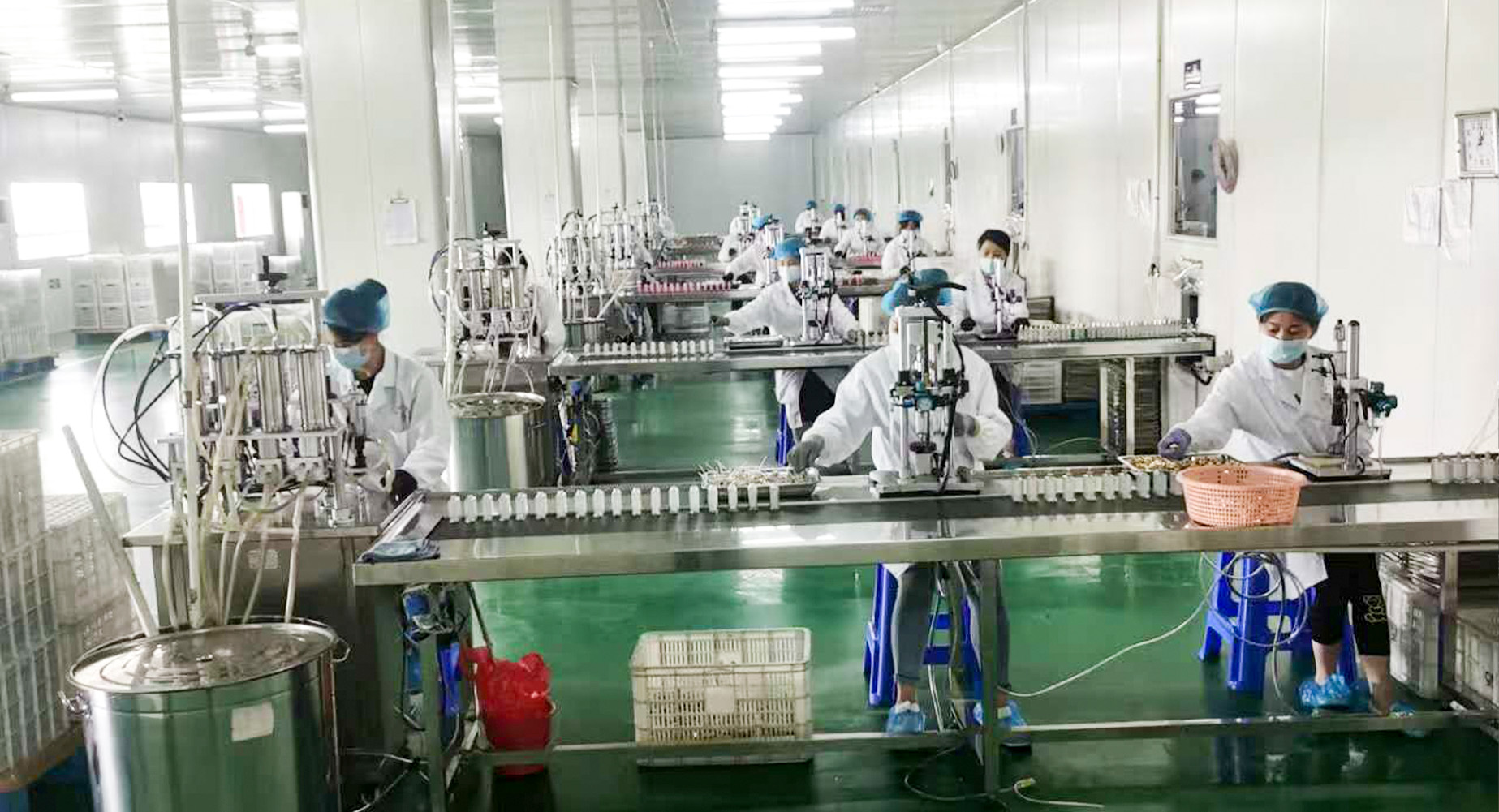
At Shandong Aili Cosmetics, we do not believe that an expensive raw material automatically produces an excellent perfume. What matters is whether each ingredient is suitable for the intended formulation and target market.
Our perfume alcohol sourcing is primarily connected with grain-based fermentation supply chains in northern China, including corn-based sources. This gives us access to an established domestic supply network.
When selecting alcohol for fragrance production, relevant considerations include:
Ethanol concentration and water content.
Odor neutrality and impurity control.
Supplier documentation and batch consistency.
Compatibility with the selected fragrance concentrate.
Applicable cosmetic and destination-market requirements.
With more than 30 years of perfume manufacturing experience, we understand that reliable fragrance production depends on the coordination of fragrance ingredients, alcohol, formulation, packaging, and quality control.
For international OEM and ODM customers, we recommend evaluating the finished perfume through approved samples and appropriate stability and quality assessments rather than choosing a supplier solely because it advertises sugarcane or sugar beet alcohol.
Perguntas Frequentes
1. Which alcohol is best for luxury perfume?
There is no universally best agricultural source. Properly purified corn, wheat, sugarcane, and sugar beet ethanol can all be suitable when they meet the required technical specifications.
2. Do French luxury perfumes always use sugar beet alcohol?
No. Sugar beet is an available European feedstock, but it is not a universal requirement for French or other luxury fragrance manufacturers. Specific sourcing arrangements vary between companies.
3. Is sugarcane alcohol better than corn alcohol?
Not automatically. Both can produce high-quality ethanol. Purity, odor, impurity levels, water content, and consistency are more meaningful indicators.
4. Can corn-based alcohol be used in premium EDP and Extrait de Parfum?
Yes, provided the ethanol meets the formulation’s specifications and performs well in compatibility and stability evaluations.
5. Does higher alcohol purity guarantee better perfume quality?
No. High purity is important, but odor neutrality, impurity control, water content, and formula compatibility also matter.
6. Does premium perfume have to use anhydrous ethanol?
Not necessarily. The appropriate water content depends on the fragrance formula, raw materials, and stability requirements.
7. Is synthetic ethanol prohibited in luxury perfume?
There is no universal prohibition based solely on synthetic origin. Its suitability depends on the applicable regulations and the quality of the finished ethanol.
8. Can Aili Cosmetics manufacture premium fragrance products using grain-based alcohol?
Our alcohol sourcing is primarily connected with grain-based fermentation supply chains in northern China. The suitability of a particular specification is assessed according to the fragrance formula, product requirements, and applicable regulations.

Conclusion: Premium Perfume Depends on Alcohol Quality, Not Just Its Origin
Luxury perfume manufacturing does not depend on one exclusive source of ethanol. Sugarcane, sugar beet, corn, wheat, and suitable synthetic ethanol can all provide the foundation for fragrance products when the final alcohol meets the necessary technical and regulatory requirements.
The real differences lie in purification, odor neutrality, impurity control, water content, batch consistency, and compatibility with the fragrance formula.
Em Shandong Aili Cosméticos, we believe that premium fragrance quality is achieved through the right combination of raw materials, formulation expertise, manufacturing control, and careful product evaluation. Rather than judging alcohol by its agricultural origin alone, we focus on whether it helps deliver a stable, clean, and consistent fragrance experience.