

Market Overview: Two Different Fragrance Economies
Compare the Middle Eastern e North American perfume fragrance markets in fragrance preferences, product formats, packaging, pricing, distribution and regulations. Discover how Chinese perfume Fragrance OEM/ODM manufacturers can adapt products to both markets.
O Médio Oriente e América do Norte are two important markets in the global fragrance industry, but their commercial structures and consumer expectations are quite different. The Middle East has a long-standing fragrance culture in which perfume, oud, attar and home fragrance are closely connected with personal grooming, hospitality and social occasions. North America, led by the United States and followed by Canada, has a broad and highly developed fragrance market covering mass-market body sprays, designer perfumes, niche fragrances and independent brands.
Third-party market research estimated that North America accounted for approximately 33.2% of global fragrance-market revenue in 2025. This figure reflects a broad fragrance category rather than fine perfume alone, so it should be interpreted accordingly.
For manufacturers such as Shandong Aili Cosméticos, the key distinction is not simply which market consumes more fragrance. It is how each market defines product value, chooses packaging and evaluates suppliers.
Em Shandong Aili Cosméticos Co., Lda., acreditamos que a verdadeira essência de uma fragrância reside no seu aroma, na sua qualidade e na emoção que desperta — e não nas margens de lucro determinadas apenas pelo prestígio da marca. Há já demasiado tempo que as fragrâncias de alta qualidade têm sido elevadas ao estatuto de luxos exclusivos. Nós encaramos a fragrância de forma diferente: é uma forma quotidiana de autoexpressão e conforto pessoal que deve ser facilmente acessível a todos.
O nosso objetivo vai muito além da redução dos custos de produção. Aproveitando as nossas décadas de experiência na produção, a nossa cadeia de abastecimento integrada e um controlo de qualidade rigoroso, colmatamos a lacuna entre o design de fragrâncias de luxo e a acessibilidade no dia a dia. Não estamos aqui para desafiar o luxo, mas para elevar o valor. Ao oferecer qualidade inquestionável a um preço que reflete o seu verdadeiro valor, a Shandong Aili permite que os parceiros e consumidores globais desfrutem da arte das fragrâncias requintadas como um prazer diário, em vez de um luxo reservado a poucos.
Fragrance Preferences and Consumer Behaviour
Middle East: Fragrance as Part of Daily Culture
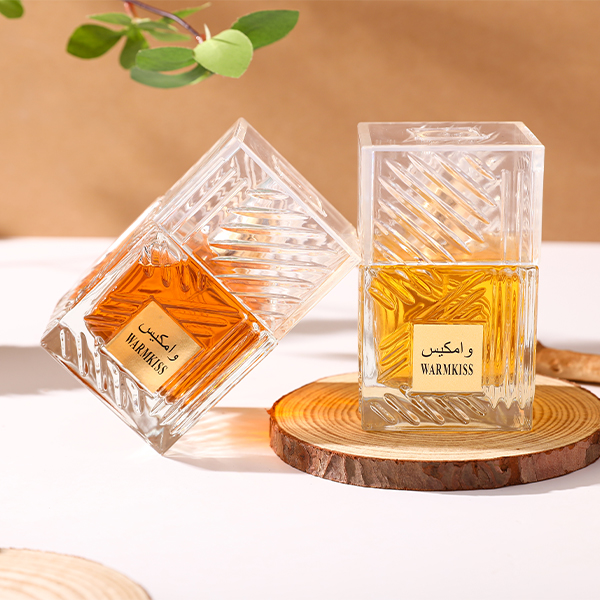
In many Middle Eastern markets, fragrance is an established part of everyday life. Consumers may use personal perfume alongside bakhoor, oud oils and other home-fragrance products. Fragrance is also closely associated with hospitality, family gatherings, celebrations and personal presentation.
Popular fragrance directions include oud, amber, musk, rose, saffron, incense, leather and rich woody accords. However, preferences differ between countries, age groups and customer segments. Fresh citrus, fruity and floral fragrances also have their place, particularly in lighter everyday products.
Consumers in premium segments often look for a noticeable fragrance presence, a well-developed dry-down and lasting performance. Extrait de parfum, eau de parfum, concentrated perfume oils and traditional attar formats are relevant product categories. Nevertheless, it would be inaccurate to assume that every Middle Eastern consumer wants the strongest possible fragrance or that all buyers prefer high concentrations.
North America: Personal Expression and Fragrance Variety
North American consumers generally have access to a wider range of fragrance formats and price points. Perfume is often purchased as a personal accessory, a gift or a way to express individual taste.
Gourmand fragrances featuring vanilla, caramel, coffee, pistachio and other sweet notes have attracted considerable attention. Fresh citrus, fruity florals, clean musk, woody fragrances and softer skin scents also appeal to different consumer groups.
Two relevant purchasing behaviours are fragrance layering and discovery-led shopping. Consumers may combine body mist, scented body lotion and eau de parfum to create a personalized scent profile. Discovery sets and travel-size sprays also allow customers to test several fragrances before purchasing a full-size bottle.
For OEM manufacturers, this creates demand for more than traditional 100ml perfume products. Smaller formats, coordinated fragrance collections and gift sets can be commercially useful.
Product Formats, Concentration and Packaging
The two markets require different product-development priorities. The table below summarizes common market tendencies rather than universal purchasing rules.
| Product dimension | Médio Oriente | América do Norte |
| Direção de fragrâncias | Oud, amber, rose, musk, saffron and rich woods | Gourmand, citrus, fruity floral, clean musk and modern woods |
| Relevant formats | EDP, extrait, attar, perfume oils and bakhoor | EDP, EDT, body mist, travel spray and discovery sets |
| Common packaging direction | Decorative glass, substantial caps, metallic finishes and gift boxes | A wider mix of colorful mass-market packaging and minimalist premium designs |
| Purchase occasions | Daily grooming, hospitality, celebrations and gifting | Daily wear, gifting, seasonal use, collection building and personal expression |
| Product-development focus | Fragrance character, performance and presentation | Format variety, price positioning, visual identity and product differentiation |
Concentration and Fragrance Performance
In the Middle East, fragrance performance is often an important selling point. Buyers may request stronger projection and longer-lasting scent profiles, particularly for premium products. However, longevity depends on the fragrance composition, concentration, solvent system, skin chemistry and application conditions.
North American brands usually need a more varied product portfolio. An EDP can serve the main fragrance line, while body mists and travel sprays provide lower-priced entry points and convenient daily-use options. Discovery sets can contain several small spray bottles, allowing consumers to compare fragrances without immediately purchasing a full-size product.
For manufacturers, each format requires appropriate formula development, filling equipment, spray-pump selection and packaging compatibility checks.
Bottle Design and Physical Packaging
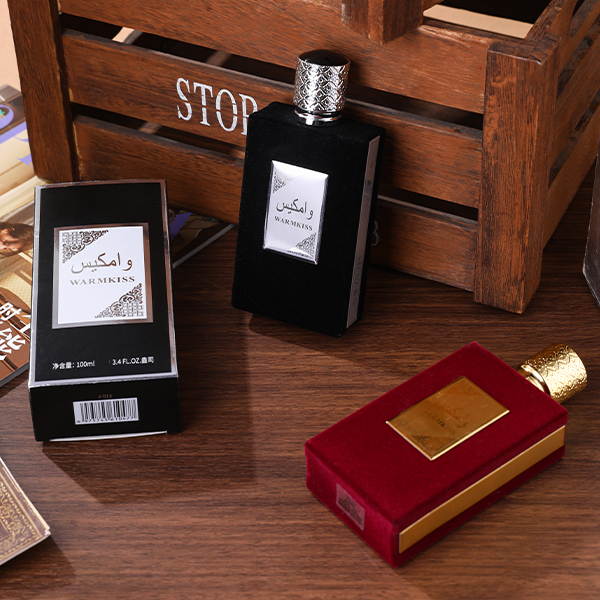
Middle Eastern premium perfume packaging frequently uses thick-bottom glass bottles, decorative caps, metallic finishes and rigid gift boxes. A heavier bottle can support a premium visual impression, but glass weight alone does not guarantee quality. Neck dimensions, bottle stability, spray-pump fit and leakage performance remain essential.
North American packaging is more diverse. Mass-market body sprays may use lightweight plastic bottles or aerosol containers, while niche and premium fragrances often favor clean glass designs, restrained decoration and refillable packaging options.
For North American brands selling through online channels, packaging also needs to perform well during parcel delivery. Bottle protection, cap retention, carton strength and resistance to leakage are practical requirements, not merely aesthetic details.
Distribution Channels and Commercial Models
The Middle Eastern fragrance trade has a strong wholesale and specialist-retail structure. Importers, family-owned perfume businesses, local fragrance brands and perfume retailers are important buyers. In some markets, a successful product may be distributed through multiple physical stores and regional wholesalers.
North America has a more segmented distribution system:
- Mass retail:Walmart, Target, CVS and Walgreens serve different mass-market and personal-care segments.
- Beauty specialists and department stores:Sephora, Ulta Beauty and Nordstrom provide access to premium, designer and niche fragrance customers.
- E-commerce:Amazon, brand websites and social-commerce platforms support direct-to-consumer sales and product discovery.
- Independent brands:Smaller fragrance businesses often use online launches, influencer marketing and limited product collections to test consumer response.
This structure creates different sourcing expectations. Middle Eastern importers may prioritize consistent supply, competitive bulk purchasing and packaging suitable for wholesale distribution. North American emerging brands may place greater emphasis on smaller product collections, differentiated packaging, sampling formats and the ability to develop additional SKUs.
There is no universal MOQ or purchasing pattern for either region. Actual order quantities depend on the brand’s scale, packaging complexity, formula requirements and sales channel.
Regulatory Requirements: GCC Markets and North America
Regulatory preparation is a major part of fragrance export planning. Requirements should be checked for the specific destination country and product classification.
Middle East: GCC Cosmetic Safety and Local Registration
GSO 1943:2024 provides a Gulf technical framework covering cosmetic safety, labeling and packaging, and explicitly includes perfumes and eau de Cologne. Individual countries may also operate their own notification, registration or conformity procedures.
For example, Saudi Arabia uses the SFDA cosmetic notification system, while Dubai requires fragrance products to follow the applicable local registration procedures, including the Montaji system. Importers should confirm current documentation, labeling and conformity requirements before shipment.
Halal-related requirements and customer expectations should also be assessed where relevant. A Halal claim should not be made without appropriate supporting evidence.
North America: MoCRA, State Rules and Transport Compliance
In the United States, the Modernization of Cosmetics Regulation Act of 2022 (MoCRA) expanded FDA oversight of cosmetics. Relevant obligations include facility registration for covered manufacturing or processing facilities, biennial renewal, and product listing by the responsible person with annual updates. Certain small businesses may qualify for exemptions, subject to statutory conditions.
A foreign facility required to register must provide a U.S. agent. However, FDA facility registration and product listing are not product approvals or FDA certifications. The responsible person is generally the manufacturer, packer or distributor whose name appears on the product label.
State-level requirements also matter. California, for example, regulates VOC content in specified consumer-product categories, including personal fragrance products. The applicable limit depends on the product category and manufacturing date. Retailer standards such as phthalate-free, paraben-free or cruelty-free policies should be distinguished from legal requirements. They may influence purchasing decisions, but they are not universal federal conditions for selling every perfume in the United States.
Alcohol-based perfumes also require transport assessment. Many are classified as Class 3 flammable liquids, but the final classification and shipping requirements depend on the formulation, flash point, packaging and transport mode. Exporters should prepare the applicable SDS and dangerous-goods documentation rather than assuming that one document or package standard covers every shipment.

How Aili Approaches Both Markets
At Shandong Aili Cosmetics, we approach fragrance OEM/ODM development by considering the target market before finalizing the formula, bottle and packaging. Our manufacturing experience covers perfume and related fragrance products, allowing us to discuss different product formats with importers, distributors and brand owners.
With more than 30 years of manufacturing experience, 48 perfume production lines and a stated daily perfume production capacity exceeding 300,000 bottles, we can support projects involving different product specifications and packaging requirements. These figures describe our perfume manufacturing operation, rather than the capacity of every fragrance-related product category.
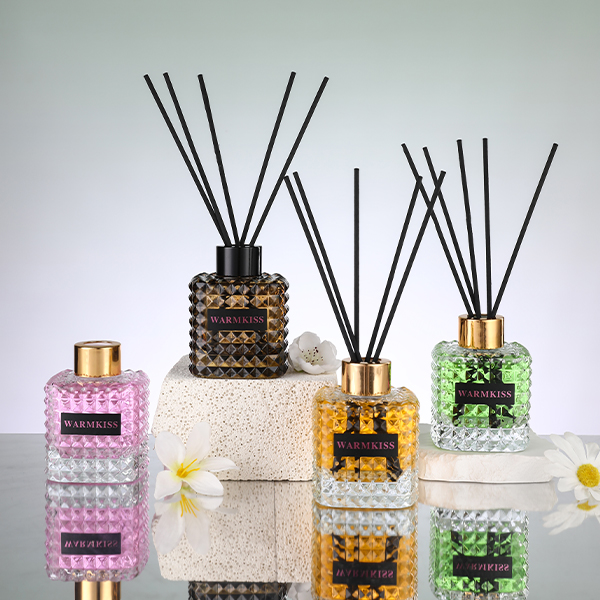
For Middle Eastern projects, development discussions may focus on oud and amber fragrance directions, perfume oils, EDP products, decorative glass bottles and gift packaging. For North American projects, the product plan may include several fragrance profiles, travel-size sprays, body mists, discovery sets and packaging designed for e-commerce distribution.
We also work with fragrance resources including Robertet, Givaudan and Symrise. The appropriate fragrance materials and formula direction depend on each project’s brief, target price and technical requirements.
Our role as an OEM/ODM manufacturer is to help customers translate market positioning into a workable product specification: fragrance profile, concentration, bottle capacity, glass and cap materials, spray components, carton structure, labeling and production quantity. Regulatory responsibilities should be agreed upon with the importer or brand owner before commercialization.
Perguntas Frequentes
- What is the main difference between the Middle Eastern and North American perfume markets?
The Middle East has a strong traditional fragrance culture and demand for rich scent profiles and premium presentation. North America has a more diversified market, with demand across fine fragrance, body mist, travel sprays, discovery sets and niche products.
- Which fragrance notes are popular in the Middle East?
Oud, amber, musk, rose, saffron, incense and woody accords are important fragrance directions. Fresh, fruity and floral profiles are also relevant in selected consumer segments.
- What perfume formats are worth developing for North America?
EDP and EDT remain relevant, while body mist, travel-size sprays, discovery sets and gift collections can help brands reach different price points and purchasing occasions.
- Do North American consumers prefer lighter fragrances?
Not universally. Fresh and clean fragrances have broad appeal, but gourmand, woody, amber and strong niche fragrances also have established audiences. Product positioning should be based on the intended customer segment.
- What packaging is suitable for Middle Eastern perfume brands?
Thick-bottom glass bottles, decorative caps, metallic finishes and rigid gift boxes are common choices in premium segments. Bottle sealing, spray performance and packaging protection must also be evaluated.
- Does every perfume exported to the United States require FDA approval?
No. Cosmetics are generally not subject to premarket FDA approval, although MoCRA introduces facility registration and product-listing obligations for covered parties. Applicable exemptions and responsible-person duties must be assessed.
- Are clean fragrance claims legally required in North America?
Claims such as phthalate-free, paraben-free and cruelty-free may be requested by retailers or brands, but they are not universal federal requirements for every perfume. Claims should be accurate and supported by product information.
- Can one Chinese OEM perfume manufacturer serve both the Middle East and North America?
Yes, provided it can adapt fragrance formulas, product formats, packaging and documentation to the requirements of each project. A market-specific product brief is more effective than simply exporting an identical product to both regions.
Conclusão
The Middle East and North America offer different opportunities for perfume manufacturers. The Middle East places strong emphasis on fragrance culture, rich scent profiles, product performance and premium presentation. North America offers a broad market for fine fragrance, body mist, travel formats, discovery sets and differentiated independent brands.
Para Chinese perfume OEM/ODM suppliers, success in both regions requires more than offering the same perfume in different packaging. It requires understanding how consumers use fragrance, how distributors sell products and what technical and regulatory conditions apply in each destination.
At Aili, we believe that market-specific product development, reliable manufacturing and clear communication are the foundation of long-term cooperation with international fragrance brands.