
Is Perfume Fragrance a Necessity or a Luxury Product?
Explore fragrance demand in the Médio Oriente, América Latina, Europa, North Africa e América do Norte por Shandong Aili Cosméticos. Discover perfume, body spray and home fragrance opportunities for OEM/ODM buyers.
Perfume is not an essential good in the strict economic sense. Yet in some countries, fragrance has become such an established part of personal grooming, social customs and household routines that consumers purchase it regularly, even when they are careful about discretionary spending.
For international fragrance manufacturers, the distinction matters. A market where consumers frequently use affordable perfume may offer a different opportunity from one where demand concentrates on luxury fragrances, deodorants or home fragrance products.
Em Shandong Aili Cosmetics Co., Ltd., we look beyond population size when evaluating export opportunities. Local habits, purchasing power, preferred fragrance styles, packaging expectations and distribution channels all influence which products are commercially suitable.
The Middle East, Latin America, parts of North Africa, Europe and North America are worth examining, but each region has its own demand structure. Understanding these differences helps importers, distributors and private-label brands select the right products rather than assuming one fragrance strategy will work everywhere.
1. The Middle East: Fragrance Embedded in Daily Life
Key Markets: Saudi Arabia, the UAE, Kuwait, Qatar, Oman and Bahrain
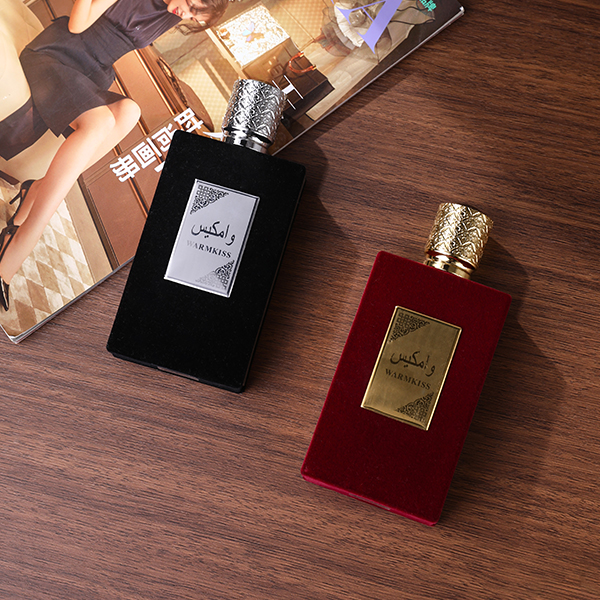
Fragrance has a deep cultural presence across many Middle Eastern communities. Perfume is used for personal grooming, hospitality, social occasions and gifting. Oud-inspired scents, concentrated perfume oils, bakhoor and contemporary alcohol-based perfumes coexist in the market.
This cultural familiarity helps sustain demand beyond occasional luxury purchases. However, the region is not exclusively a premium market: affordable fragrances and products at different price points also serve substantial consumer groups.
A 2026 market analysis from Mordor Intelligence identifies Saudi Arabia as the largest national market within the GCC fragrance sector in 2025, while online retail is expected to remain a growth channel.
For exporters, the opportunity is to build a product portfolio around distinct customer needs:
Premium segment: distinctive bottles, decorative caps, gift boxes and sophisticated fragrance profiles.
Mass-market segment: accessible prices, familiar scent families and practical packaging.
Traditional fragrance segment: oud-inspired compositions, concentrated oils and products suited to local usage preferences.
At Aili, we believe buyers should define their target price and customer before selecting fragrance concentration, bottle design and packaging. A premium-looking product is useful only when its total cost supports the intended retail position.
2. Latin America: Strong Demand for Everyday Fragrance
Key Markets: Brazil, Mexico, Colombia and Argentina
Latin America deserves close attention from manufacturers seeking markets for accessible perfumes, body mists and personal-care fragrances. In Brazil, fragrance is widely incorporated into daily grooming rather than reserved solely for special occasions.
Kantar reported that, in the 12 months ending July 2025, Brazilian perfume sales increased by 17% in units and 15% in value, reaching approximately BRL 18 billion in sales. Its analysis also found perfume consumption in 65% of Brazilian households. These figures illustrate the category’s broad reach, although they should not be generalized to every Latin American country.
This creates opportunities across several price points, from everyday fragrances to more premium collections. Body mists, fresh scents, gift sets and products designed for frequent use may suit particular customer segments.
For exporters, competitive pricing matters, but it is not the only consideration. Fragrance preference, local brands, retail relationships, packaging and brand familiarity all affect market entry. Importers should assess each country separately rather than treating Latin America as a single market.
3. Europe: Mature Fragrance Habits and High Product Expectations
Key Markets: France, Italy, Spain and Portugal
Europe combines established fragrance traditions with sophisticated retail channels and diverse consumer preferences. In countries such as France and Italy, perfume is closely associated with personal style, while colognes, scented body care and home fragrance serve different everyday needs.
However, European consumers are not uniformly luxury-oriented, nor is perfume universally regarded as a daily necessity. Demand ranges from affordable mass-market products to designer fragrances and niche perfumery.
For manufacturers, this diversity creates opportunities—but also demands careful positioning. Buyers may evaluate scent development, packaging quality, product consistency and regulatory readiness alongside price.
Brands entering the European Union must assess the applicable cosmetics requirements, including responsible-person obligations, safety assessment, product information and notification where required. Compliance cannot be replaced by attractive packaging or a supplier’s general quality claims.
For a Chinese OEM/ODM manufacturer, a practical approach is to establish the target market, product category and regulatory responsibilities early. This helps prevent costly changes after samples or packaging have already been approved.
4. North Africa: Traditional Fragrance and Accessible Products
Key Markets: Egypt, Morocco, Algeria and Tunisia
North African fragrance markets reflect a combination of regional traditions, modern beauty consumption and varying levels of purchasing power. Perfume oils, concentrated fragrances, mainstream perfumes and scented personal-care products can all play a role, depending on the country and customer segment.
The commercial opportunity is not simply to sell the cheapest product. It is to match the product format, fragrance profile, pack size and retail price to local demand.
For wholesale buyers, accessible perfume sizes, practical packaging and a balanced assortment can make initial inventory easier to manage. Gift-oriented products may also suit selected customer groups and seasonal occasions.
Exporters should research local competitors, import requirements, payment conditions and distribution capabilities before committing to large orders. Demand for affordable products does not automatically guarantee high sales or easy market access.
5. North America: Everyday Personal Care and Home Fragrance
Key Markets: The United States and Canada
In North America, it is important to distinguish perfume from functional personal-care products. Deodorants and antiperspirants address odor control and perspiration, while fine fragrance is more closely associated with personal expression, gifting and lifestyle.
This distinction matters for manufacturers because the product categories have different competitive landscapes and may face different regulatory requirements.
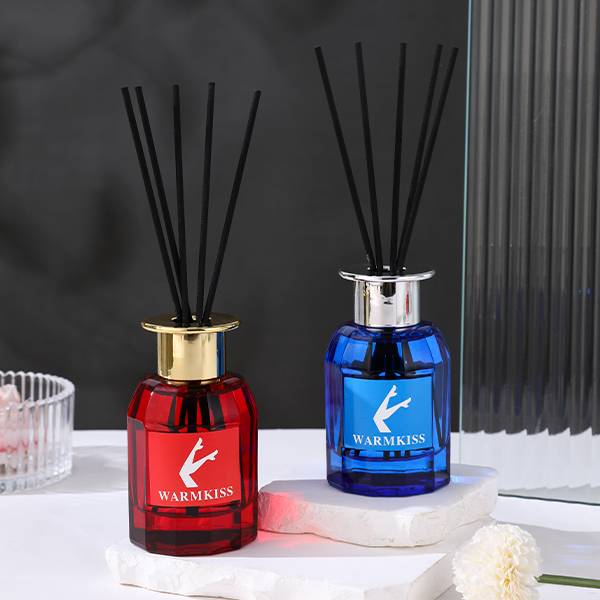
Home fragrance is another opportunity. Reed diffusers, room fragrances and other scented home products appeal to consumers looking to create a particular atmosphere in their living spaces. Their purchase motivations may include home styling, gifting and personal enjoyment rather than basic hygiene.
At Aili, our fragrance-centered product range and OEM/ODM experience provide a basis for discussing projects beyond traditional perfume, including reed diffusers and related personal-care or home-care products. Buyers should confirm the specific product capabilities, formulation requirements and available packaging options for each project.
Comparing Fragrance Opportunities Across Regions
| Região | Product opportunities to investigate | Important purchasing factors |
| Médio Oriente | Premium perfume, oud-inspired scents, perfume oils, gift sets | Fragrance profile, presentation, price tier and local preferences |
| América Latina | Everyday perfume, body mist, accessible fragrance collections | Value for money, scent appeal, pack size and distribution |
| Europa | Mass-market and premium perfume, cologne, home fragrance | Product quality, differentiation and regulatory compliance |
| North Africa | Affordable perfume, perfume oils and scented personal care | Price positioning, packaging practicality and import conditions |
| América do Norte | Fine fragrance, deodorants, reed diffusers and home fragrance | Brand positioning, category-specific requirements and retail fit |
These are starting points for market research, not guarantees of demand. Actual opportunities depend on the target country, consumer segment, competing brands and local sales channels.
How Shandong Aili Cosmetics Approaches International Fragrance Opportunities
At Shandong Aili Cosmetics Co., Ltd., we have more than 30 years of manufacturing experience and provide perfume OEM/ODM and private-label services for international customers. Our wider fragrance-centered portfolio also includes home fragrance and related consumer-care products.
We encourage buyers to start with three practical questions:
Who is the target customer? A distributor serving premium fragrance boutiques will need a different assortment from an importer supplying value-oriented retailers.
What price can the market support? The retail target influences fragrance selection, bottle construction, packaging materials, order quantities and overall landed cost.
How will the product reach consumers? Traditional wholesale, local retail, e-commerce and private-label distribution each place different demands on inventory, packaging and replenishment.
Our role is to help customers translate these commercial requirements into feasible product-development discussions. By aligning fragrance selection, packaging and order planning with the intended market, buyers can make more informed sourcing decisions.
Perguntas Frequentes
1. Which countries have strong everyday perfume consumption?
Saudi Arabia and other GCC markets have deep fragrance traditions, while Brazil is notable for widespread everyday perfume use. France, Italy and other European markets also have established fragrance cultures, but demand and price preferences vary considerably.
2. Is perfume a necessity in the Middle East?
Perfume is an important part of daily grooming, hospitality and gifting in many Middle Eastern communities. It is better described as a culturally embedded, frequently purchased product than as an essential good for every consumer.
3. Which fragrance products are worth investigating for Latin America?
Depending on the country and target audience, opportunities may include affordable perfumes, body mists, fresh fragrances and gift sets. Local consumer research is needed before choosing a product range.
4. Is Europe suitable for Chinese private-label perfume manufacturers?
Potentially, yes. However, manufacturers and buyers must consider product differentiation, competition, pricing, documentation and applicable EU cosmetics requirements before launching products.
5. Should exporters focus only on premium fragrances in the GCC?
No. Premium fragrances and luxury packaging are important segments, but affordable perfumes and other price tiers also serve the market. The assortment should reflect the target buyer and retail channel.
6. How does home fragrance differ from fine perfume?
Fine perfume is primarily designed for personal use, while home fragrance products are intended to scent indoor spaces. Their formats, performance requirements, packaging and applicable product rules may differ.
7. What should importers consider before choosing a fragrance supplier?
Importers should assess product consistency, customization capabilities, order quantities, packaging options, communication, documentation and total landed cost. They should also evaluate whether the supplier can support the intended destination market and distribution model.
8. Does Shandong Aili Cosmetics offer fragrance OEM/ODM services?
Yes. Shandong Aili Cosmetics offers perfume OEM/ODM and private-label services, with additional fragrance-centered products available for discussion. Project scope, customization and order requirements should be confirmed individually.
Conclusão
Fragrance can function as an everyday purchase in markets where personal grooming, cultural traditions or household routines support frequent use. The strongest opportunities are not necessarily in countries where consumers spend the most on luxury perfume, but in markets where a manufacturer’s product range, price positioning and supply capabilities match real purchasing behavior.
For Shandong Aili Cosmetics, the Middle East, Latin America, Europe, North Africa and North America each offer different possibilities. The key is to avoid treating fragrance demand as universal. Careful market selection, suitable product development and a realistic understanding of local requirements provide a stronger foundation for sustainable export growth.