
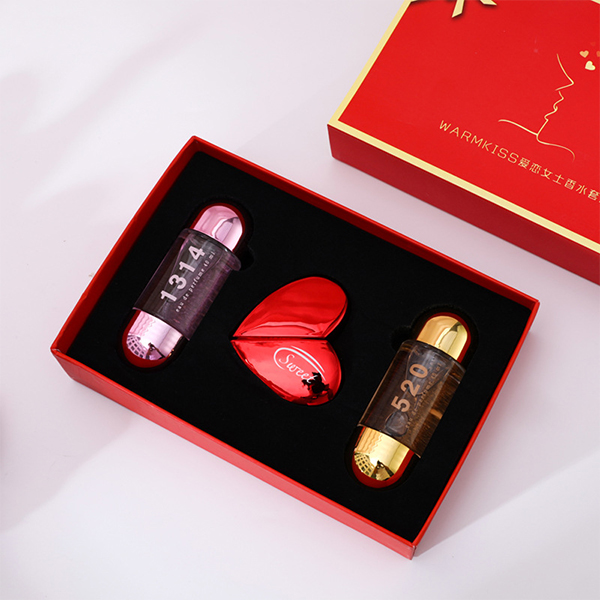
Work Directly with a Chinese Perfume Fragrance Manufacturer
Discover how a Chinese perfume fragrance manufacturer can help Middle Eastern fragrance brands achieve consistent quality, competitive costs, and reliable OEM/ODM supply with Shandong Aili Cosmetics.
The Middle East has a deep-rooted fragrance culture, where perfume is closely associated with personal identity, hospitality, gifting, and luxury. Alongside established international brands, the region has developed a diverse market of local perfume labels, independent fragrance businesses, and small-scale filling workshops. Many businesses source ingredients, bottles, pumps, and packaging internationally before blending, filling, or branding products locally.
This supply-chain model creates opportunities for local entrepreneurship. However, it also raises important questions about product consistency, manufacturing transparency, pricing, and the value behind a premium fragrance label.
Em Shandong Aili Cosmetics Co., Ltd., we believe that international buyers should evaluate perfume suppliers based on formulation, manufacturing capability, quality management, and total commercial value—not simply on where a product is packaged or how it is marketed. For Middle Eastern importers, distributors, and private-label brands, working directly with an experienced Chinese perfume manufacturer can be a practical way to build a more reliable fragrance business.
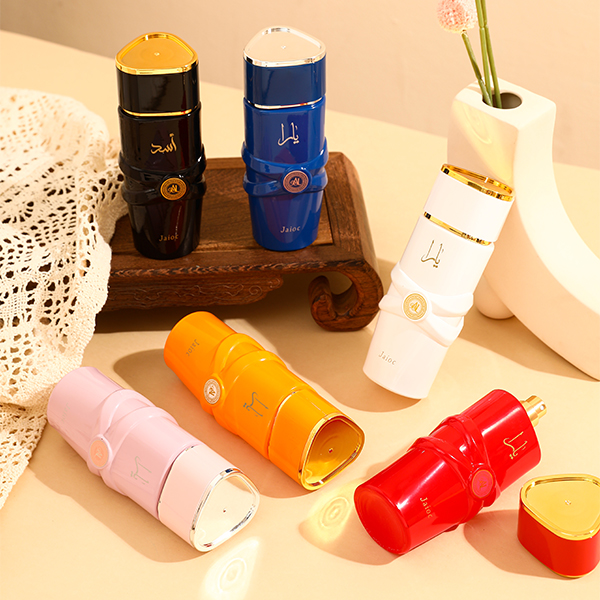
How Imported Fragrance Components Shape the Middle Eastern Perfume Market
China has developed extensive supply chains for fragrance products, including perfume packaging, glass bottles, spray pumps, decorative components, and finished consumer goods. International buyers can source these components separately or work with an integrated perfume OEM/ODM manufacturer.
In some business models, a local company imports fragrance concentrate, alcohol, bottles, and other materials, then completes blending or filling in its destination market. Other businesses purchase bulk fragrance products and focus on packaging, distribution, and brand development.
These models are not inherently problematic. Their commercial and legal implications depend on the actual manufacturing process, product quality, and applicable country-of-origin and labeling rules.
The key question is whether the final product delivers the quality and consistency promised to consumers.
A premium-looking bottle and a high retail price do not automatically demonstrate superior fragrance performance. Equally, a product made in China should not be presumed inferior simply because of its manufacturing origin. Buyers need evidence: clear specifications, reliable samples, traceable production, and appropriate documentation.
Why Local Repackaging Does Not Automatically Mean Better Perfume
A fragrance’s quality depends on several interacting factors, including the fragrance composition, alcohol quality, formulation compatibility, production accuracy, packaging performance, and storage conditions.
For example, a perfume may smell attractive immediately after spraying but develop an unbalanced dry-down. Another may perform well in a sample but become cloudy or change in odor during storage. Inconsistent filling or a poorly functioning atomizer can also undermine the customer experience.
These problems are not exclusive to small workshops or any particular country. They can occur wherever manufacturing controls are inadequate.
For buyers comparing a local perfume workshop with a professional perfume manufacturer in China, the more useful questions are:
Can the supplier reproduce an approved fragrance profile consistently across batches?
Does the finished product undergo appropriate compatibility and stability checks?
Are filling, sealing, and packaging processes controlled?
Can the supplier provide relevant product specifications and documentation?
Is the quoted price competitive after accounting for packaging, transport, quality risks, and intermediary costs?
At Aili, we encourage buyers to assess these practical factors before making decisions based on branding or origin alone.
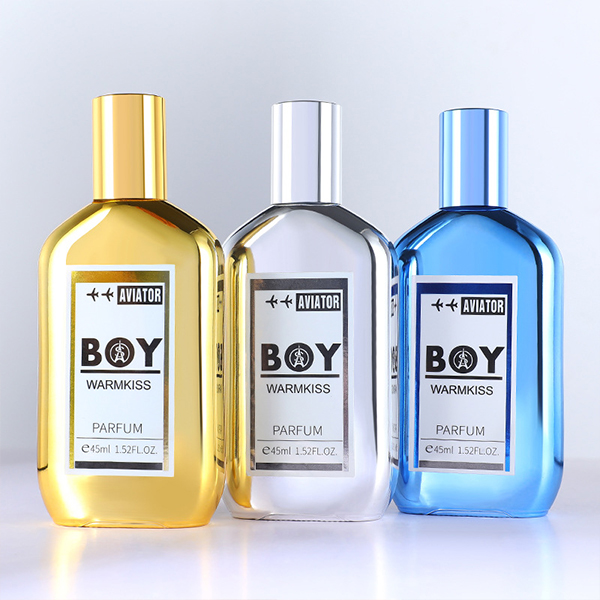
Why Work Directly with Shandong Aili Cosmetics?
Shandong Aili Cosmetics Co., Ltd. has more than 30 years of manufacturing experience, dating back to 1993. We serve international customers through fragrance production, private-label development, and OEM/ODM cooperation.
Our business is designed to help customers turn fragrance concepts into commercially viable products, whether they are developing a new brand, expanding an existing portfolio, or sourcing products for distribution.
Integrated perfume OEM/ODM services
Working with an integrated supplier can simplify coordination between fragrance selection, bottle sourcing, packaging development, filling, and finished-product preparation. Instead of managing multiple vendors independently, buyers can discuss more of the project through one manufacturing partner.
Depending on the project, our services can support:
Private-label perfume development
Custom fragrance selection and product positioning
Bottle, pump, and outer-box customization
Men’s and women’s fragrance collections
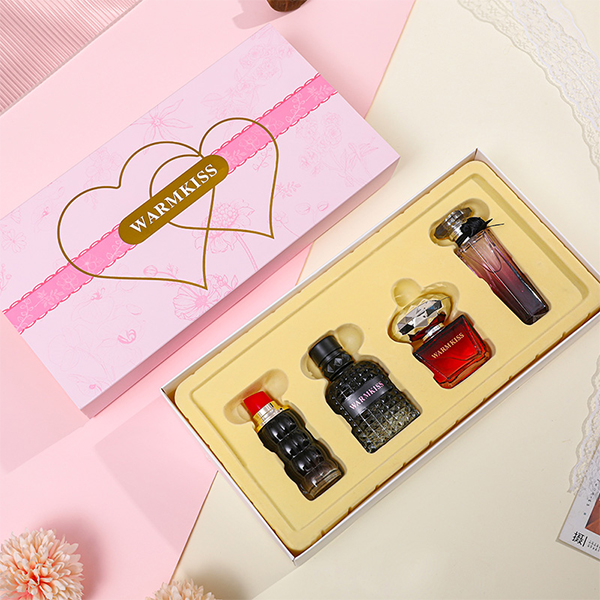
Gift sets and retail-oriented product ranges
Manufacturing and packaging coordination for export orders
The precise scope depends on the selected product, customization requirements, order volume, and destination-market regulations.
Manufacturing consistency and production capability
Aili operates at a manufacturing scale intended to support commercial fragrance projects. Company-provided production information includes 48 perfume production lines and output capacity exceeding 300,000 perfume bottles per day.
These figures refer to perfume production, not every product category we offer. Actual capacity available for a specific order depends on product specifications, packaging complexity, production scheduling, and order requirements.
For distributors and private-label brands, the value of manufacturing scale is not simply high output. It is the ability to coordinate production planning, maintain repeatable processes, and support replenishment as a product gains market traction.
Fragrance resources and product development
We work with international fragrance resources, including Robertet, Givaudan, and Symrise, according to our company-provided information. Their involvement in the wider fragrance industry spans different ingredient and fragrance specializations.
However, the use of materials from a recognized fragrance supplier does not automatically make two finished perfumes identical. Formula design, ingredient selection, concentration, manufacturing, and the finished product’s intended use all matter.
Our approach is to match fragrance choices and product specifications to the customer’s target market, positioning, and budget rather than relying on supplier names as a substitute for product evaluation.
Factory-Direct Sourcing vs. Buying Through Multiple Intermediaries
Buying directly from a Chinese perfume factory can reduce supplier fragmentation and improve communication. It does not guarantee that every direct purchase will be cheaper, but it gives buyers a clearer opportunity to compare the complete offer.
| Evaluation factor | Multi-stage sourcing | Direct factory cooperation |
| Supplier coordination | May involve several separate vendors | More production steps can be coordinated through one partner |
| Personalização | Depends on the intermediary’s capabilities | Can be discussed with the manufacturing team |
| Batch consistency | Depends on supplier controls and oversight | Can be assessed through production specifications and quality procedures |
| Cost transparency | Costs may be spread across several parties | Easier to request a detailed quotation |
| Repeat orders | May require repeated coordination | Can follow agreed specifications and approval samples |
The most meaningful comparison is the total cost of ownership, including product price, packaging, freight, import duties, testing, inventory, defect risk, and after-sales support. Buyers should also compare minimum order quantities, lead times, payment terms, and the supplier’s ability to maintain consistent specifications.
A direct relationship is most valuable when it improves both commercial efficiency and control over the finished product.
Country of Origin, Labeling, and Brand Transparency
Some businesses may prefer to emphasize local identity when marketing perfume in the Middle East. However, importing Chinese components and performing limited processing locally does not automatically establish that the finished product legally qualifies as locally manufactured.
Country-of-origin determination depends on the applicable rules, the production activities performed, and the destination market’s requirements. Customs origin, preferential origin, and consumer-facing origin claims may involve different tests.
Businesses should therefore avoid treating local filling, relabeling, or repackaging as a universal method for changing a product’s origin. Importers and brand owners should verify the applicable requirements with qualified customs or regulatory advisers before making origin claims or preparing export documentation.
For international buyers, transparent sourcing is not merely a compliance issue. It also helps establish clearer responsibilities among manufacturers, importers, and brand owners.
At Aili, we believe a sustainable fragrance business is built on product performance, accurate documentation, and customer trust. A brand can develop a distinctive local identity while maintaining honest information about its manufacturing and sourcing arrangements.
How Middle Eastern Buyers Can Evaluate a Perfume Supplier
Before placing a commercial order, buyers should use a structured supplier-evaluation process rather than relying exclusively on a showroom presentation or a single fragrance sample.
| Step | What buyers should check | Why it matters |
| Sample approval | Fragrance profile, dry-down, spray performance, and packaging | Establishes an agreed product benchmark |
| Documentation review | Specifications, ingredient information, and relevant compliance documents | Supports purchasing and market-entry decisions |
| Production verification | Manufacturing arrangements, process controls, and batch records where available | Helps assess repeatability |
| Commercial assessment | MOQ, lead time, payment terms, freight, and landed cost | Reveals the project’s actual economics |
| Repeat-order planning | Approved sample retention, change control, and replenishment capacity | Reduces avoidable differences between orders |
For buyers targeting Saudi Arabia, the UAE, Qatar, and other Middle Eastern markets, product selection should also reflect the intended customer segment, fragrance preferences, packaging expectations, climate-related storage conditions, and applicable local regulations. These requirements vary by product and market, so they should be confirmed for each project.
Perguntas Frequentes
1. Is perfume manufactured in China suitable for premium Middle Eastern brands?
Yes. A product’s suitability depends on its formulation, materials, manufacturing controls, packaging, and market positioning—not country of origin alone. Buyers should evaluate samples, specifications, and production capability.
2. Do Middle Eastern perfume workshops commonly import components from China?
Some businesses source bottles, pumps, packaging, fragrance materials, or finished products internationally. The exact sourcing model varies by company, and it would be inaccurate to assume that every local perfume brand follows the same process.
3. Does filling perfume locally automatically make it a locally manufactured product?
No universal rule applies. Country-of-origin treatment depends on the relevant customs and labeling rules and the processing performed. Businesses should verify requirements for each destination market.
4. What is the advantage of working directly with a perfume OEM/ODM manufacturer?
Direct cooperation can simplify communication, customization, production coordination, and repeat ordering. Buyers should still compare the complete landed cost, quality controls, lead time, and commercial terms.
5. Can Shandong Aili Cosmetics develop private-label perfumes for overseas buyers?
Aili provides perfume manufacturing, private-label development, and OEM/ODM services. Available customization depends on the product, order quantity, packaging requirements, and project specifications.
6. How can buyers assess fragrance quality before ordering in bulk?
They can approve representative samples, evaluate the fragrance’s development over time, check spray and packaging performance, review relevant documentation, and confirm how the approved specifications will be maintained during production.
7. Does using fragrance materials from an international supplier guarantee a luxury-quality finished perfume?
No. Ingredient sourcing is only one part of the process. Formula design, concentration, manufacturing consistency, packaging, stability, and the intended price segment all influence the finished product.
8. What should buyers compare when choosing a Chinese perfume factory?
Important factors include manufacturing experience, product-development support, customization capability, production capacity, quality documentation, MOQ, lead time, communication, and the total cost of sourcing.
Conclusion: Compete on Fragrance Value, Not Just the Label
The Middle Eastern fragrance market offers opportunities for local brands, international distributors, and manufacturers that can deliver reliable products at competitive prices. Local packaging and branding can create commercial value, but neither a premium label nor a particular country of origin guarantees superior quality.
At Shandong Aili Cosmetics, we believe the stronger long-term strategy is to combine thoughtful fragrance development, coordinated manufacturing, dependable quality controls, and transparent commercial relationships.
For Middle Eastern importers and brand owners, working directly with an experienced Chinese perfume manufacturer can provide a practical route to private-label development and more efficient sourcing. The goal is not simply to replace one supplier with another. It is to build a fragrance supply chain that delivers consistent products, credible value, and lasting customer confidence.