
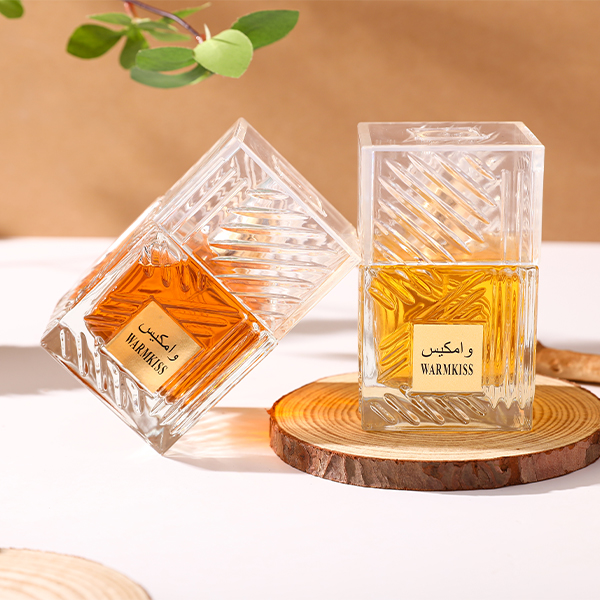
Why the Middle East Matters to Global Perfume Manufacturers
Explore why the Middle East is a fragrance priority market for perfume manufacturers, from fragrance traditions and consumer demand to affordable luxury, private-label perfumes, and OEM/ODM perfume fragrance manufacturing opportunities.
Em Shandong Aili Cosméticos Factory, we believe the true essence of a fragrance lies in its scent, its quality, and the emotion it evokes—not the markups defined by brand prestige alone. For too long, high-quality fragrances have been elevated into exclusive luxuries. We view fragrance differently: it is a daily form of self-expression and personal comfort that should be effortlessly accessible to everyone.
Our purpose goes far beyond lower production costs. Leveraging our decades of manufacturing expertise, integrated supply chain, and uncompromised quality control, we bridge the gap between premium fragrance design and everyday affordability. We are not here to challenge luxury, but to elevate value. By delivering uncompromised quality at a true-to-value price, Shandong Aili empowers global partners and consumers to experience the art of fine fragrance as a daily delight, rather than a privileged indulgence.
For perfume manufacturers, the Middle East is more than a regional sales destination. Fragrance plays an important role in personal grooming, hospitality, gifting, and cultural expression across many local communities. Combined with demand for both premium scents and accessible everyday products, these habits create opportunities for perfume brands, wholesalers, and private-label suppliers.
Em Shandong Aili Cosmetics Co., Ltd., we see the Middle East, particularly the Gulf Cooperation Council (GCC) countries, as a priority market for developing fragrance partnerships. Its appeal comes from established fragrance traditions, diverse consumer segments, demand for distinctive scent profiles, and regional trade networks. Iran also represents a significant potential consumer market, although commercial access requires careful assessment of sanctions, payment, logistics, and applicable regulations.
For manufacturers like Aili Cosmetics, the opportunity is to combine reliable production with market-specific fragrance development, competitive pricing, and flexible OEM/ODM solutions.
1. Fragrance Is Embedded in Everyday Life and Cultural Traditions
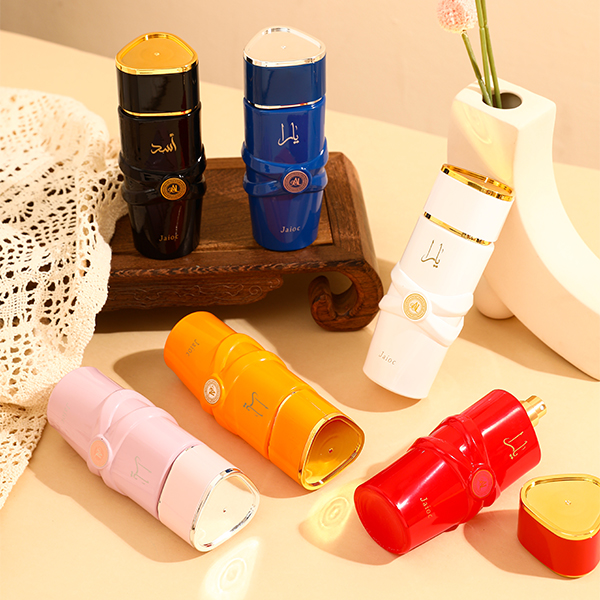
In many Middle Eastern communities, fragrance is not reserved for special occasions. Perfume may be used before social gatherings, family visits, celebrations, and religious occasions. Home fragrance also has an established place in hospitality and domestic life.
Traditional products such as oud, perfume oils, and bakhoor coexist with modern Eau de Parfum (EDP), designer fragrances, and contemporary niche scents. Fragrance is therefore not one narrowly defined product category: it encompasses personal perfume, concentrated oils, incense, room fragrance, and related products.
This creates several opportunities for B2B buyers:
Everyday perfumes designed for regular use.
Premium-looking fragrances for gifting and celebrations.
Concentrated perfume oils and selected traditional fragrance formats.
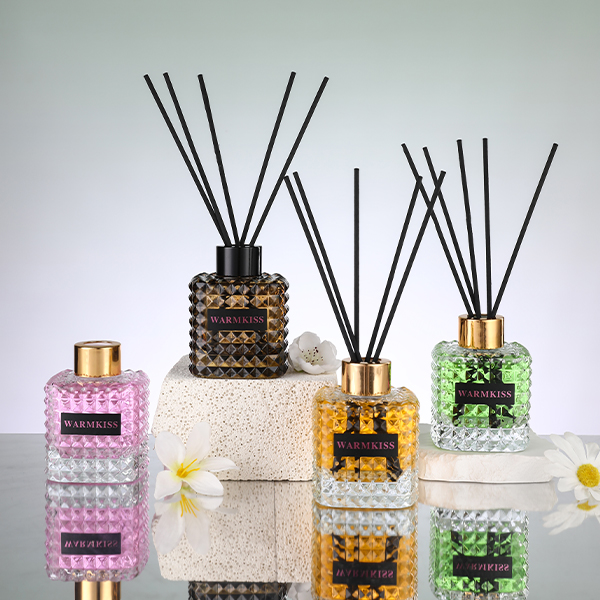
Reed diffusers and home-fragrance products for residential and hospitality settings.
For manufacturers, these varied uses can support a broader product portfolio and create opportunities for repeat purchases. However, consumption patterns differ by country, income, age, and individual preference, so product planning should be based on specific customer segments rather than assumptions about the entire region.
2. A Large and Established Fragrance Market
The GCC countries—Saudi Arabia, the United Arab Emirates, Qatar, Kuwait, Bahrain, and Oman—offer different combinations of population, purchasing power, retail development, and consumer preferences.
Saudi Arabia is particularly important because of its population and substantial domestic fragrance market. The UAE offers a different advantage: a diverse consumer base and established international trading connections. Qatar and Kuwait can offer opportunities in premium and gifting segments, while other GCC markets may suit more focused distribution strategies.
The wider Middle East also includes large markets beyond the GCC. Iran, for example, had an estimated population of approximately 92.4 million in 2025, according to World Bank data. This provides a substantial potential consumer base, although population size alone does not establish effective demand or ease of market entry. For a perfume manufacturer, the practical lesson is to evaluate markets individually. Consumer demand, retail prices, import conditions, purchasing power, distribution access, and payment risk all influence whether a market is commercially attractive.
3. Strong Demand for Distinctive and Long-Lasting Fragrances
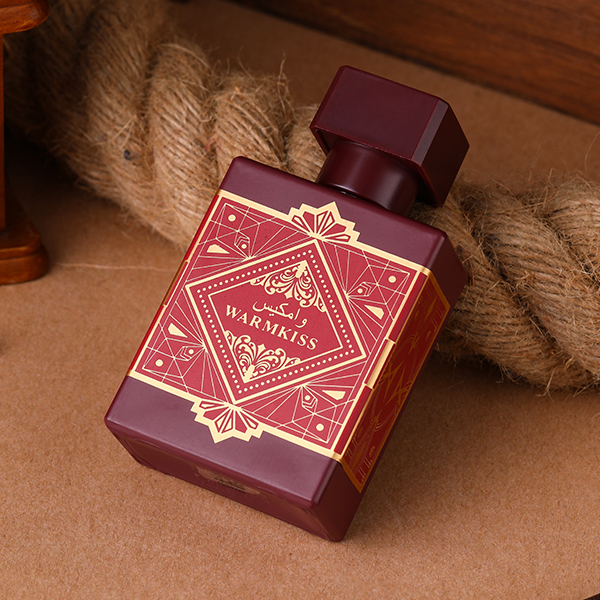
Many consumers in the region appreciate expressive fragrance profiles, including oud, amber, musk, rose, saffron, spices, and rich woody accords. Fresh citrus, white florals, fruity scents, and contemporary unisex fragrances also have their own audiences.
Fragrance layering is another important product-development consideration. Some consumers combine perfume oils, spray perfumes, and bakhoor to create a more personal scent experience. This can create opportunities for complementary products rather than relying exclusively on one perfume format.
Longevity and projection are frequently important buying considerations, particularly in premium and traditional fragrance segments. Nevertheless, a perfume’s performance depends on its formula, ingredients, concentration, application, skin chemistry, and environmental conditions.
At Aili Cosmetics, we believe that fragrance performance should be assessed through product samples and agreed testing criteria. Rather than promising a universal number of hours, manufacturers and buyers should establish realistic expectations for each fragrance and intended use.
4. Affordable Luxury Creates Opportunities Beyond Prestige Brands
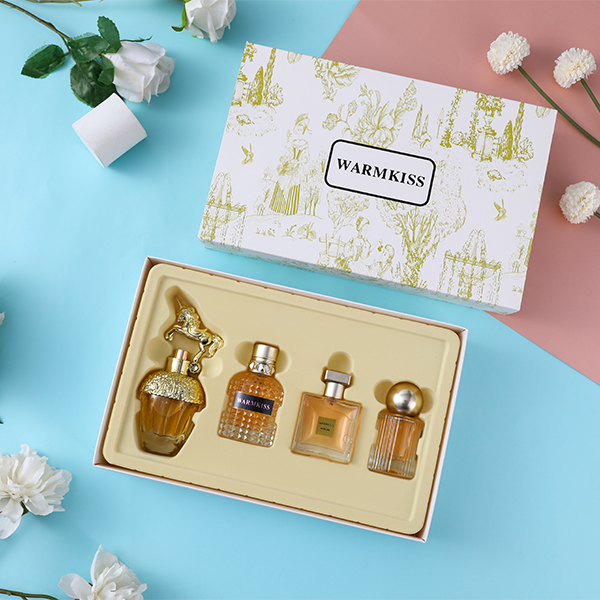
The Middle East is associated with luxury fragrance consumption, but the market is not limited to expensive designer and niche perfumes. Many consumers also seek attractive fragrances at accessible prices, creating opportunities for affordable luxury, private-label collections, and fragrances inspired by broad scent trends.
This segment is relevant to retailers and distributors who want to offer differentiated products without relying entirely on high-priced international brands. A successful affordable fragrance still needs a balanced scent profile, consistent quality, attractive packaging, and a price that works for the target channel.
For B2B buyers, potential opportunities include:
Private-label EDP collections: Fragrances developed around agreed scent directions and retail positioning.
Accessible premium packaging: Bottles and cartons that communicate value without unnecessary cost.
Complementary fragrance ranges: Perfumes, body mists, and home-fragrance products that serve different purchasing occasions.
Distinctive brand concepts: Original names, visual identities, and fragrance combinations that help build long-term customer recognition.
We believe affordable luxury should mean making a satisfying fragrance experience accessible—not simply copying another brand or competing on price alone. Any fragrance inspired by a market reference must also be developed and marketed with appropriate attention to intellectual-property rights.
5. Dubai and the UAE Can Help Buyers Reach Wider Markets
The UAE is an important regional business and logistics center. Dubai, in particular, connects international suppliers, regional distributors, retailers, and re-export businesses.
For perfume manufacturers, working with suitable UAE-based importers or wholesalers may provide access to more than one national market. Depending on the buyer’s network and destination requirements, distribution opportunities may extend into other Middle Eastern markets and parts of Africa or South Asia.
However, a UAE trading relationship does not automatically guarantee access to those destinations. Buyers must verify import rules, labeling, documentation, transport arrangements, and local distribution requirements for each market.
For Aili Cosmetics, this makes the UAE a useful starting point for identifying qualified B2B partners, understanding regional demand, and evaluating opportunities for repeat business.
6. How Aili Cosmetics Can Support Middle Eastern Buyers
With more than 30 years of fragrance manufacturing experience, Shandong Aili Cosmetics provides a foundation for discussions about perfume OEM, private-label production, and related fragrance products. Our reported production capacity exceeds 300,000 perfume bottles per day, subject to product specifications, packaging requirements, and production schedules.
For Middle Eastern projects, we can discuss several areas of product planning:
| Buyer priority | Development consideration |
| Regional scent preferences | Oud, amber, musk, rose, woody, floral, and other agreed fragrance directions |
| Fragrance performance | Sample evaluation for scent development, intensity, and longevity |
| Posicionamento da marca | Affordable luxury, everyday perfume, gifting, or premium-looking private label |
| Embalagem | Bottle design, spray components, labels, caps, and outer cartons |
| Export preparation | Destination-specific product documentation and transport requirements |
Compliance must be addressed early. Depending on the product and destination, buyers may need ingredient information, safety documentation, relevant fragrance-supplier documents, compliant labeling, and appropriate transport arrangements. Alcohol-based perfumes can be subject to dangerous-goods transport rules, while regulatory obligations differ across markets.
Our approach is to align product requirements, commercial expectations, and documentation before moving into production.
7. A Practical Strategy for Developing the Middle East Market
We recommend that perfume brands and manufacturers avoid treating the Middle East as one uniform market. A more effective strategy is to select a priority country, identify the intended customer segment, test fragrance samples, and then build a product range around validated demand.
Saudi Arabia and the UAE are logical markets to evaluate first for many international suppliers, but the right choice depends on distribution access, price positioning, and buyer capabilities. Iran should be assessed separately because sanctions and financial restrictions can materially affect whether and how transactions are permitted. Businesses should obtain appropriate legal and trade-compliance advice before pursuing such transactions.
For manufacturers, long-term growth comes from dependable quality, clear communication, realistic pricing, and products suited to the buyer’s actual customers—not from assuming that every regional buyer wants the same fragrance or order volume.
Perguntas Frequentes
1. Why should perfume manufacturers prioritize the Middle East?
The region combines established fragrance traditions, diverse consumer segments, demand for personal and home fragrance, and international trading connections. These factors make it an important market for both premium and affordable fragrance products.
2. Which Middle Eastern countries are most important for perfume exports?
Saudi Arabia and the UAE are important markets to evaluate, while Qatar, Kuwait, Bahrain, Oman, Iran, and other regional markets offer different opportunities and risks. Market selection should reflect demand, distribution access, and import conditions.
3. Which perfume notes are popular in the Middle East?
Oud, amber, musk, rose, saffron, spices, and woody accords are useful references for many regional fragrance concepts. Fresh, floral, fruity, and contemporary unisex profiles can also appeal to specific consumer segments.
4. Is long-lasting perfume essential for the Middle Eastern market?
Longevity is an important consideration for many buyers, but expectations differ. Manufacturers should test samples and agree on performance criteria rather than guarantee the same wear time across all formulas and conditions.
5. Is affordable luxury perfume a good opportunity in the region?
It can be, especially for retailers and brands seeking accessible alternatives to high-priced fragrances. Success depends on scent quality, packaging, price positioning, distribution, and a distinct brand identity.
6. Can Aili Cosmetics provide private-label perfume manufacturing?
Aili Cosmetics supports discussions for perfume OEM and private-label projects, including fragrance direction and packaging coordination. Minimum order quantities, customization scope, documentation, and lead times should be confirmed for each project.
7. Can buyers use the UAE as a base for wider regional distribution?
The UAE’s trading connections can help buyers explore regional distribution and re-export opportunities. Each destination still requires separate checks for import rules, labeling, documentation, logistics, and local market access.
8. What should buyers check before sourcing perfume for the Middle East?
Buyers should clarify the target country, consumer segment, fragrance preferences, price range, packaging, sample performance, order quantity, compliance documents, and shipping requirements. Iran-related transactions require additional sanctions and payment-compliance assessment.
Conclusão
The Middle East deserves a prominent place in the international growth strategy of perfume manufacturers because fragrance has deep cultural roots, a wide range of everyday and gifting applications, and opportunities across both premium and affordable product segments. The UAE’s trading role and the scale of markets such as Saudi Arabia and Iran add further commercial relevance, although each market presents its own conditions and risks.
Em Shandong Aili Cosméticos, we see the strongest opportunity in combining reliable manufacturing with regional market understanding and practical OEM/ODM support. By developing the right fragrance profiles, packaging, and price positioning for specific buyers, we aim to help international partners build fragrance collections that are commercially viable, distinctive, and suited to their customers.