
Why Perfume Glass Bottle Quality Matters
Learn how to assess perfume fragrance glass bottle quality through clarity, weight distribution, surface defects, neck precision, coating durability, chemical compatibility and component fit. Expert insights from Компания «Шандун Айли Косметикс».
A perfume glass bottle is more than a container. It protects the fragrance, represents the brand’s visual identity and influences how customers perceive product quality before they even spray it.
Для perfume fragrance brands, importers and OEM/ODM buyers, selecting the right glass bottle is therefore an important part of product development. A bottle may look attractive in a catalog but reveal problems after filling, assembly, transportation or long-term storage.
В Shandong Aili Cosmetics Co., Ltd., we believe packaging quality should be evaluated from both an aesthetic and functional perspective. A premium perfume bottle needs to look refined, feel comfortable to hold, work properly with its sprayer and cap, and remain suitable for the actual fragrance formulation.
Here are seven important factors buyers should examine when evaluating perfume glass bottle quality.
1. Glass Clarity and Color Consistency
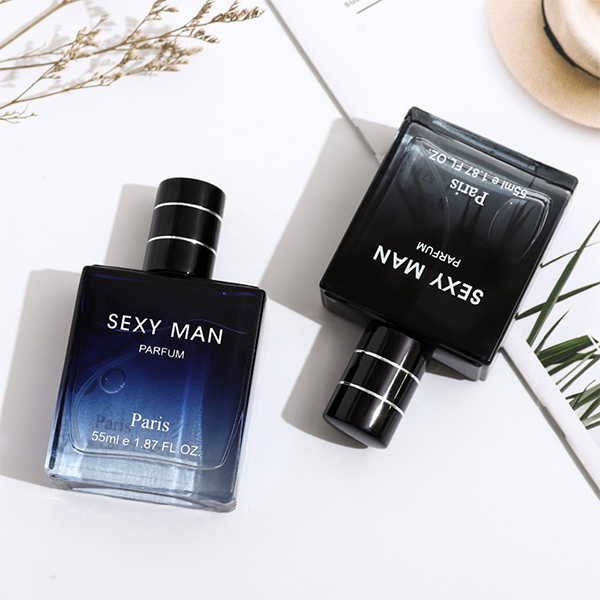
Glass transparency is one of the first things buyers notice. High-quality clear glass should allow the fragrance’s original color to appear clean and consistent, without excessive green, gray or cloudy tones.
Some premium perfume bottles use low-iron glass to achieve a clearer, more neutral appearance. Standard clear glass may show a slight green tint, particularly around thicker sections. This is not necessarily a defect, but it can influence the final visual effect.
When inspecting a bottle, buyers should:
Hold it against a plain white background and examine the color.
Check whether transparency is consistent across different sections.
Look for visible bubbles, black particles and other inclusions.
Compare multiple samples under the same lighting conditions.
For colored or frosted perfume bottles, consistency between production batches is equally important. The objective is not always maximum transparency, but a controlled and repeatable appearance.
2. Bottle Weight, Base Thickness and Balance
A thick glass base often gives a perfume bottle a more substantial appearance and a stable feel in the hand. This is why heavy-base glass designs are commonly used in premium fragrance packaging.
However, weight alone does not determine quality. A heavier bottle may simply use more glass, while poor weight distribution can make it uncomfortable to hold or unstable when placed on a surface.
Buyers should pay attention to:
Base thickness and visual uniformity.
Whether the bottle stands securely without rocking.
Overall weight in relation to bottle capacity.
Smooth transitions between the base and sidewalls.
Internal shape and visible glass distribution.
A well-designed perfume bottle should combine visual weight with practical balance. Excessive glass thickness can also increase material costs and international shipping expenses.
3. Surface Finish and Manufacturing Defects
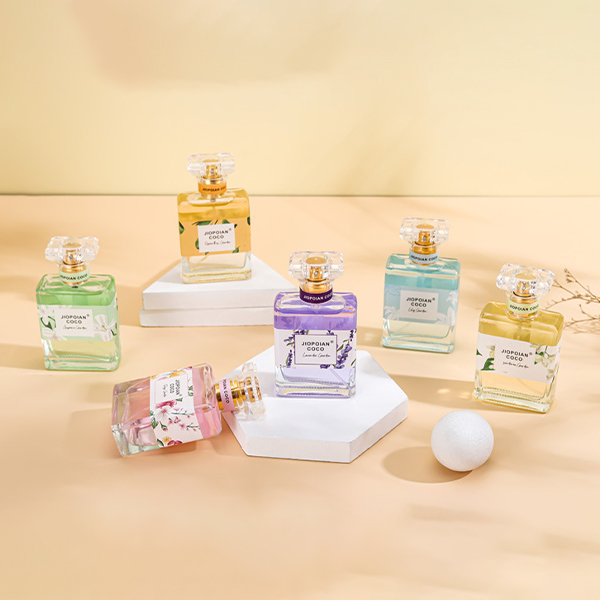
The quality of the glass surface reflects the manufacturing process and mold condition.
Inspect the bottle under good lighting and look for visible defects such as:
| Item to inspect | What buyers should look for |
| Air bubbles | No unacceptable visible bubbles or clusters |
| Black spots and inclusions | No obvious foreign particles |
| Surface distortion | Consistent appearance without excessive waviness |
| Mold seams | Controlled, smooth and not uncomfortably sharp |
| Scratches | No significant scratches affecting appearance |
| Base finish | Stable contact with the supporting surface |
A certain degree of manufacturing variation may exist in glass production. Buyers should therefore agree on acceptable quality limits and inspection criteria rather than assume every bottle can be absolutely defect-free.
For premium packaging, mold precision and consistent finishing are particularly important because small visual differences can become noticeable when products are displayed together.
4. Bottle Neck Precision and Leakage Prevention
The bottle neck is one of the most critical functional areas because it connects the glass container to the sprayer assembly.
Even an attractive bottle can become commercially unacceptable if the neck dimensions are inconsistent or the pump cannot be securely fitted.
Important inspection points include:
Neck height, diameter and dimensional consistency.
Surface condition around the opening.
Compatibility with the selected pump and collar.
Correct crimping or assembly performance, depending on the closure system.
Leakage resistance under suitable test conditions.
For perfume manufacturers, testing should be conducted using the actual bottle, pump, collar and fragrance formulation. Inverted storage, temperature variation and transportation simulation can help identify potential problems.
It is important not to assume that a visually precise bottle neck automatically guarantees an airtight seal. The complete closure system determines sealing performance.
5. Coating, Printing and Decorative Durability
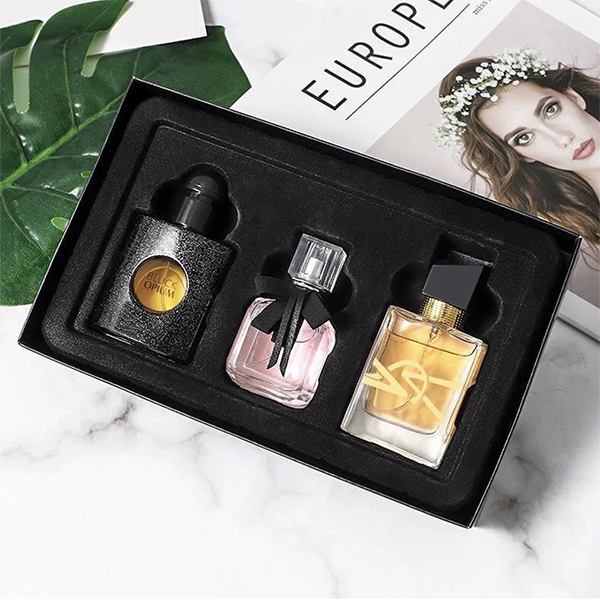
Many perfume bottles use additional finishing processes to create a distinctive brand appearance. Common techniques include spray coating, gradient coloring, frosting, screen printing, UV decoration, metallic finishes and laser engraving.
A good decorative finish should be visually consistent and sufficiently resistant to normal handling.
Buyers can evaluate:
Color uniformity and gradient transitions.
Printing alignment and sharpness.
Adhesion of coatings and printed graphics.
Resistance to abrasion and handling.
Consistency between samples and mass production.
Depending on the decoration method, suitable tests may include cross-cut adhesion testing, tape testing, abrasion testing and solvent-resistance testing.
Not every coating should be exposed to alcohol or aggressive solvents during inspection. The test method must be appropriate for the specific coating system and agreed quality requirements.
For private-label perfume projects, decorative durability matters because damaged printing or peeling coatings can quickly undermine the perceived value of an otherwise well-designed product.
6. Chemical Compatibility and Thermal Stability
Perfume formulations contain alcohol, fragrance compounds and other ingredients that may interact differently with packaging materials.
Glass is generally a suitable material for perfume packaging because of its chemical stability. Nevertheless, buyers should evaluate the actual glass container and finished product rather than assume that every bottle is equally suitable for every formulation.
A professional packaging evaluation may include:
Compatibility testing with the intended fragrance.
Observation of discoloration, deposits or visible changes.
Evaluation of closure and sealing performance.
Temperature and storage stability testing.
Inspection after transportation simulation where appropriate.
Thermal shock resistance and glass annealing quality are relevant to glass manufacturing, but they should not be confused with fragrance compatibility. A bottle that passes a basic physical inspection still needs to be evaluated as part of the complete filled product.
7. Cap Fit and Overall Component Coordination
The bottle cap completes the packaging design. Whether it is made from plastic, aluminum or Zamak zinc alloy, its appearance and fit should match the bottle.
A well-fitted cap should sit evenly, remain secure during normal handling and avoid excessive looseness or friction. Magnetic caps should provide consistent alignment and a controlled closing feel.
Buyers should also examine the relationship between the cap, collar, sprayer and bottle neck. These components need to work together rather than simply look attractive individually.
For luxury-inspired perfume packaging, a coordinated combination of glass, cap material, surface decoration and outer box can create a much stronger impression than an expensive bottle used with poorly matched accessories.
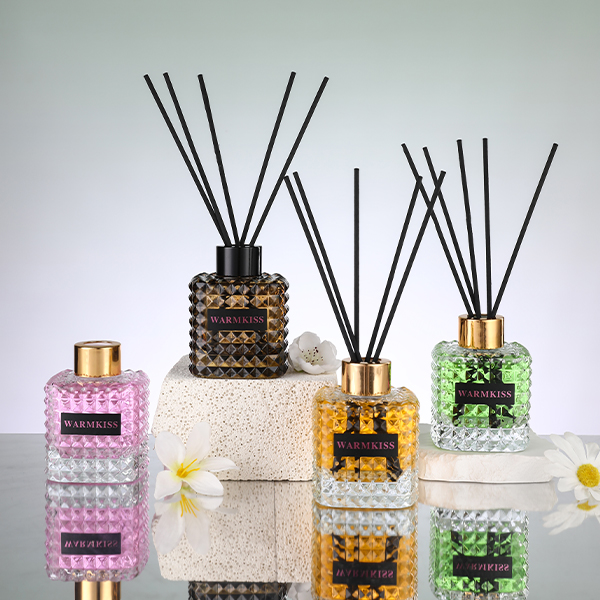
How We Evaluate Perfume Packaging at Shandong Aili Cosmetics
At Shandong Aili Cosmetics Co., Ltd., we regard packaging as an important part of perfume OEM/ODM development. With more than 30 years of manufacturing experience, we understand that international buyers need more than an attractive bottle sample. They need packaging that can be assembled, filled, transported and presented consistently.
When discussing a private-label perfume project, we encourage buyers to evaluate the complete packaging combination, including the glass bottle, sprayer, collar, cap and outer box.
We also recommend confirming the intended retail price, target market, bottle capacity and order volume before finalizing the design. A heavy glass bottle with a decorative metal cap may suit a premium collection, while a lighter and simpler design may be more commercially appropriate for a mass-market fragrance.
Our objective is to help customers select packaging that balances appearance, functionality, production feasibility and cost.
Часто задаваемые вопросы
1. Does heavier perfume glass mean better quality?
Not necessarily. Weight can contribute to a premium feel, but glass clarity, dimensional consistency, surface quality, balance and functional performance are equally important.
2. What is low-iron glass in perfume packaging?
Low-iron glass contains reduced iron impurities, helping minimize the greenish tint sometimes visible in standard clear glass. It is often selected when a more neutral and transparent appearance is required.
3. How can buyers identify defects in perfume glass bottles?
Inspect bottles against a plain background under consistent lighting. Check for visible bubbles, inclusions, scratches, surface distortion, uneven bases and unacceptable mold seams.
4. Why is bottle neck precision important?
The neck must match the selected sprayer and closure system. Dimensional inconsistencies can cause assembly problems and may increase the risk of leakage.
5. How do you test perfume bottle coating quality?
Depending on the decoration, manufacturers may use adhesion, tape, abrasion and appropriate solvent-resistance tests. Test conditions should be agreed upon for the specific coating.
6. Can perfume react with glass bottles?
Glass is generally chemically stable and widely used for perfume packaging. However, the complete packaging system should still undergo compatibility and stability evaluation with the intended formulation.
7. What should buyers inspect before approving mass production?
They should review the glass bottle, dimensions, base stability, sprayer compatibility, cap fit, decoration quality and outer packaging. Testing should use production-representative components whenever possible.
8. Can Shandong Aili Cosmetics help buyers select perfume bottles?
Yes. As a perfume OEM/ODM manufacturer, Shandong Aili Cosmetics can discuss bottle styles, packaging combinations and private-label development according to project specifications, order quantities and target-market requirements.

Заключение
Evaluating perfume glass bottle quality requires more than looking at whether a bottle appears luxurious. Clarity, weight distribution, surface finish, neck precision, decorative durability, chemical compatibility and component fit all contribute to the final result.
For perfume brands and international buyers, the best bottle is not necessarily the heaviest or most expensive. It is the one that protects the fragrance, supports the brand’s positioning, performs reliably and makes commercial sense.
В Компания «Шандун Айли Косметикс», we believe that good perfume manufacturing is reflected in the details. The fragrance creates the product’s character, while well-selected and properly matched packaging helps deliver that experience to the customer.