

Introduction: Finding Quality and Value in the Fragrance Market
Learn how to source high-quality perfume dupes with this global buyer’s guide by 山东爱丽化妆品, covering fragrance performance, packaging, compliance, IP protection and OEM/ODM perfume fragrance suppliers.
在 山东爱丽化妆品 Co.,Ltd., we believe the true essence of a fragrance lies in its scent, its quality, and the emotion it evokes—not the markups defined by brand prestige alone. For too long, high-quality fragrances have been elevated into exclusive luxuries. We view fragrance differently: it is a daily form of self-expression and personal comfort that should be effortlessly accessible to everyone.
Our purpose goes far beyond lower production costs. Leveraging our decades of manufacturing expertise, integrated supply chain, and uncompromised quality control, we bridge the gap between premium fragrance design and everyday affordability. We are not here to challenge luxury, but to elevate value. By delivering uncompromised quality at a true-to-value price, Shandong Aili empowers global partners and consumers to experience the art of fine fragrance as a daily delight, rather than a privileged indulgence.
Affordable fragrance has become an important opportunity for distributors, retailers and emerging perfume brands. Many consumers want attractive, well-developed scents without paying luxury retail prices, creating demand for high-quality perfume dupes, affordable premium fragrances and private label perfume collections.
For B2B buyers, successful sourcing involves more than finding a low quotation. The right product must offer a consistent scent profile, suitable performance, appealing packaging and compliance with the requirements of its destination market.
At Shandong Aili Cosmetics Co., Ltd., we have more than 30 years of fragrance manufacturing experience. We understand that buyers need products that balance customer appeal, production feasibility and commercial value. This guide explains how to evaluate perfume dupe suppliers and build a fragrance collection with a stronger foundation for long-term growth.
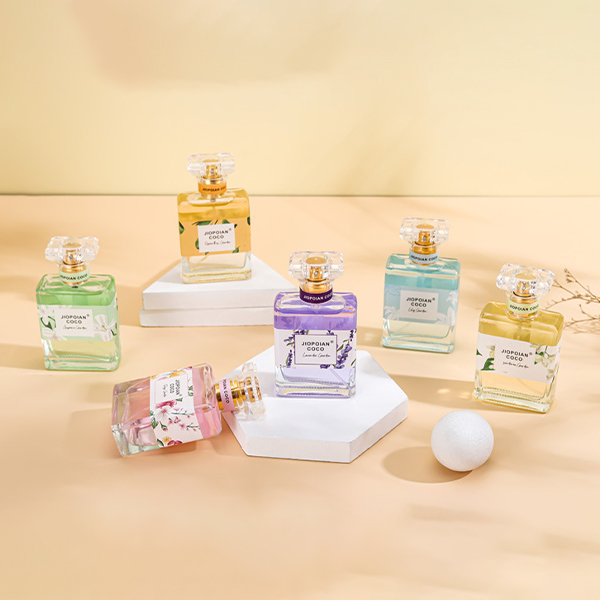
1. What Defines a High-Quality Perfume Dupe?
A perfume dupe is generally a fragrance developed to evoke a familiar scent style or offer an alternative to a popular fragrance at a more accessible price. Quality should be judged by the finished product rather than by the word dupe itself.
Fragrance Similarity and Scent Development
A well-developed fragrance should have a coherent progression from its opening notes through its heart and base. Buyers should evaluate the scent immediately after application and again after several hours, rather than making a decision based on the first impression alone.
When comparing samples with a reference fragrance, assess overall character, balance, development and suitability for the target customer. There is no universal, independently verified percentage that guarantees a particular level of scent similarity across all fragrances.
Concentration and Longevity
Perfume terminology provides a useful starting point, but concentration ranges vary by formulation and market convention. Higher fragrance concentration does not automatically mean better performance or longer wear.
| Product type | Typical positioning | What buyers should assess |
| 淡香水(EDT) | Often lighter and suitable for everyday use | Freshness, balance and wear time |
| 香水(EDP) | Often positioned for a fuller fragrance experience | Scent development and longevity |
| Extrait de Parfum | Often marketed as a more concentrated format | Balance, skin feel and performance |
Ask suppliers to specify the actual product formulation and conduct wear tests under realistic conditions. Longevity varies with ingredients, skin chemistry, application, temperature and humidity.
Alcohol Quality and Formula Stability
The fragrance base influences how a perfume sprays, develops and feels during application. Buyers should ask about the suitability of the alcohol and other formulation ingredients for cosmetic use, as well as the supplier’s quality-control procedures.
Production and storage conditions also matter. Rather than relying on a universal aging period, ask the manufacturer how it evaluates fragrance maturation, clarity, stability and batch consistency for the particular formula.
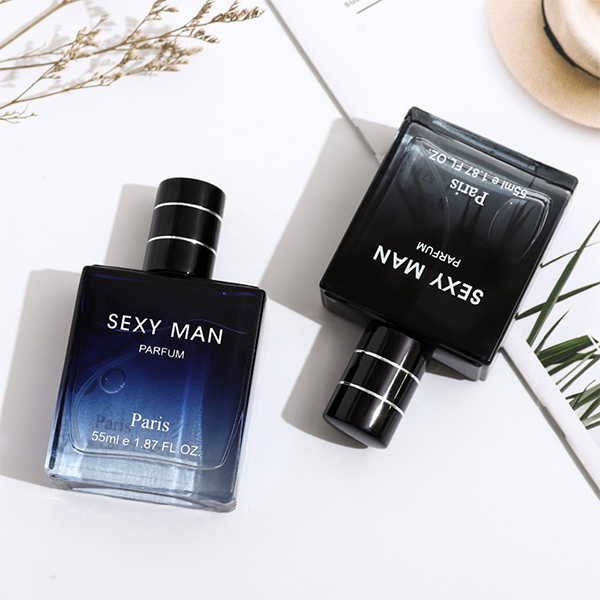
2. Evaluate the Supply Chain, Not Just the Price
Competitive sourcing depends on understanding which components drive cost and which directly affect customer satisfaction.
Fragrance Materials and Ingredient Selection
Natural extracts and aroma ingredients can vary considerably in price, availability and olfactory characteristics. Perfumers may use natural materials, aroma molecules or combinations of both to achieve a desired scent profile.
Established international fragrance houses, including Givaudan, dsm-firmenich and Symrise, supply fragrance ingredients and related solutions to the industry. However, buyers should verify the actual materials, suppliers and documentation associated with a specific project rather than assume that every finished perfume uses ingredients from these companies.
The objective is to select an appropriate formulation that meets the product brief, performance expectations, budget and applicable safety requirements.
Bottle, Sprayer and Packaging Quality
Packaging influences both product protection and perceived value. A visually impressive bottle cannot compensate for a leaking sprayer or an unstable closure.
During sample evaluation, inspect:
Glass clarity, finish and consistency.
Sprayer performance and mist distribution.
Cap fit and closure security.
Leakage resistance during handling and transport.
Label alignment, printing quality and carton durability.
China’s established packaging supply chain offers a broad range of glass bottles, caps, pumps and decorative finishes. At Shandong Aili Cosmetics, we help customers coordinate fragrance products and packaging options according to their requirements and intended market positioning.
3. Confirm Regulatory Compliance Before Ordering
Perfume compliance depends on the product formulation, claims, destination market and role of each business in the supply chain. A supplier’s general statement that a product is “export ready” is not a substitute for reviewing the relevant documents.
For each project, buyers should clarify which party is responsible for formulation documentation, safety assessments, labeling, product notifications and import requirements.
| Document or requirement | 为何这很重要 |
| IFRA-related documentation, where applicable | Helps assess fragrance use against relevant IFRA Standards and intended application |
| SDS | Communicates hazards and handling information; often important for transport and logistics |
| COA | Records specified quality or analytical results for the relevant material or batch |
| Ingredient and labeling information | Supports applicable cosmetic safety and labeling obligations |
| Manufacturing quality documentation | Helps buyers assess the supplier’s quality-management practices |
| Transport classification documents | May be required for shipping alcohol-based perfume |
For the EU and UK, applicable cosmetic safety, responsible-person, notification and product-information requirements must be addressed. In the United States, buyers should assess relevant obligations under the Modernization of Cosmetics Regulation Act (MoCRA), including which registration, listing and other duties apply to each responsible party.
ISO 22716 is a recognized cosmetics good manufacturing practices standard, but buyers should verify whether a supplier holds a valid certificate and what facilities and activities it covers. Do not assume that every supplier has a particular certification simply because it exports cosmetics.
Alcohol-based perfume may also be subject to dangerous-goods transport requirements. Confirm the applicable classification, packaging, carrier acceptance and shipping documentation before production is finalized.
4. Understand Intellectual Property Risks in the Dupe Market
A fragrance inspired by a familiar scent profile is not automatically free of legal risk. Rules differ by jurisdiction, and disputes can involve trademarks, packaging, product appearance, advertising and other intellectual property rights.
For a more sustainable private label fragrance business:
Develop a distinct brand name, logo and product identity.
Avoid unauthorized use of another brand’s trademarks or logos.
Do not imitate protected packaging or distinctive product presentation in ways that may cause confusion.
Use accurate descriptions of scent notes and fragrance families.
Obtain appropriate legal advice before using comparative or “inspired by” claims in a specific market.
At Shandong Aili Cosmetics, we encourage customers to build recognizable fragrance collections under their own branding. A distinctive identity provides a stronger foundation for repeat purchases and long-term brand development than reliance on another company’s reputation.

5. A Practical B2B Perfume Sourcing Workflow
A structured procurement process helps buyers reduce uncertainty before committing to bulk production.
Define the target market. Identify the customer profile, preferred scent families, target retail price and applicable regulations.
Prepare a product brief. Specify fragrance direction, product type, bottle size, packaging expectations, estimated quantity and budget.
Request and evaluate samples. Compare scent development, performance, packaging function and overall presentation.
Assess supplier capabilities. Review manufacturing experience, quality procedures, customization options, minimum order quantities and lead times.
Confirm compliance responsibilities. Identify required documents and agree on who will provide or arrange each item.
Approve the final specification. Confirm the formula or approved sample, packaging artwork, quality criteria and order terms before mass production.
Inspect and plan shipment. Agree on inspection requirements and verify the transport arrangements for the finished product.
This workflow is especially useful for importers launching a new perfume line, retailers developing private label products and distributors expanding into affordable fragrance categories.
6. Why Work with Shandong Aili Cosmetics?
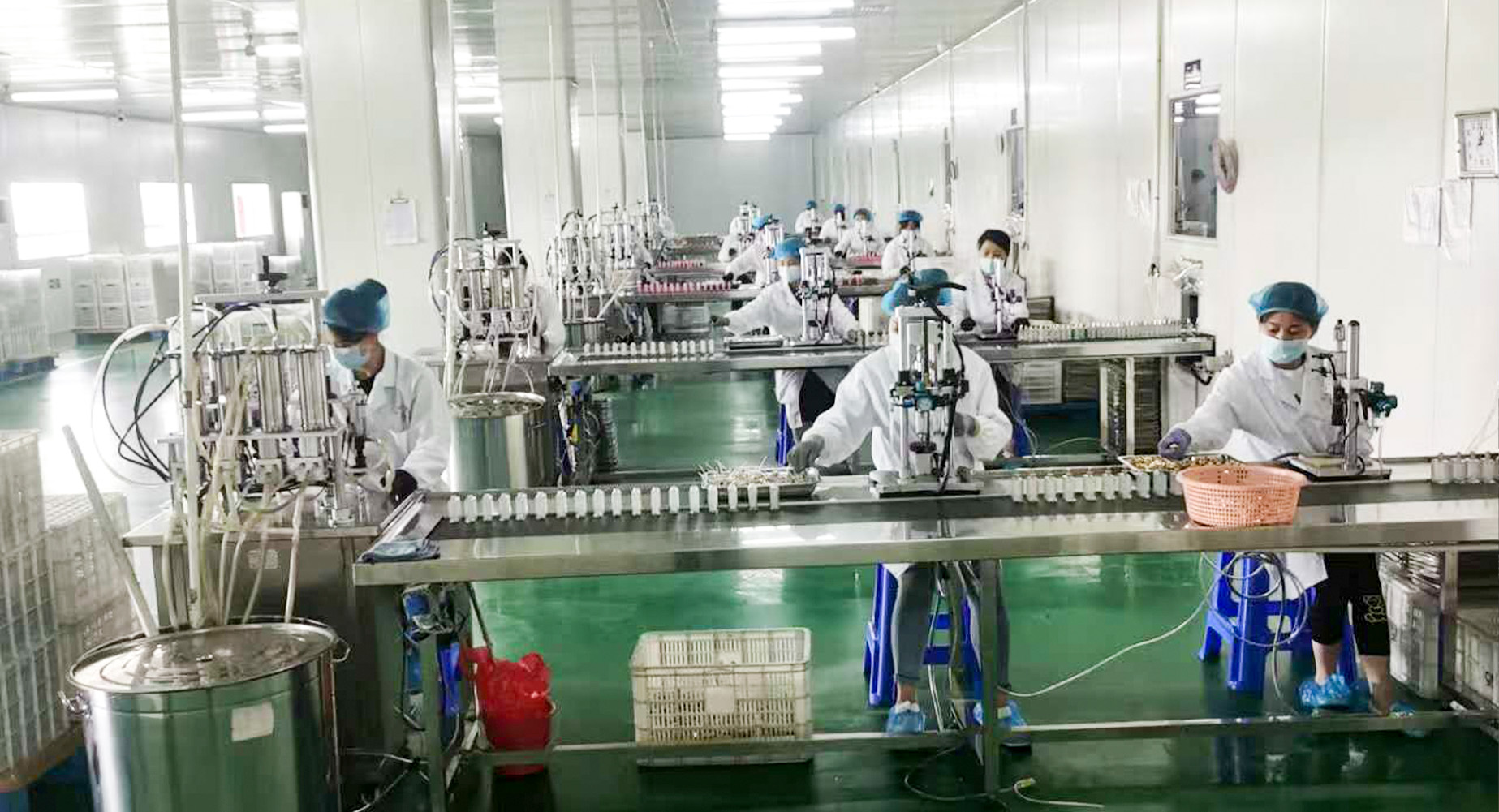
Founded in 1993, Shandong Aili Cosmetics Co., Ltd. brings more than three decades of fragrance manufacturing experience to international business partnerships. Our work includes perfume production, OEM/ODM services, private label projects and related fragrance products such as reed diffusers.
We recognize that different buyers need different solutions. Some want to develop a distinctive perfume brand; others need coordinated packaging, suitable fragrance options or a broader product portfolio.
Our approach is to understand the customer’s market, budget and product brief before discussing a practical manufacturing solution. We can support fragrance and packaging coordination, subject to project specifications, component availability and agreed order quantities.
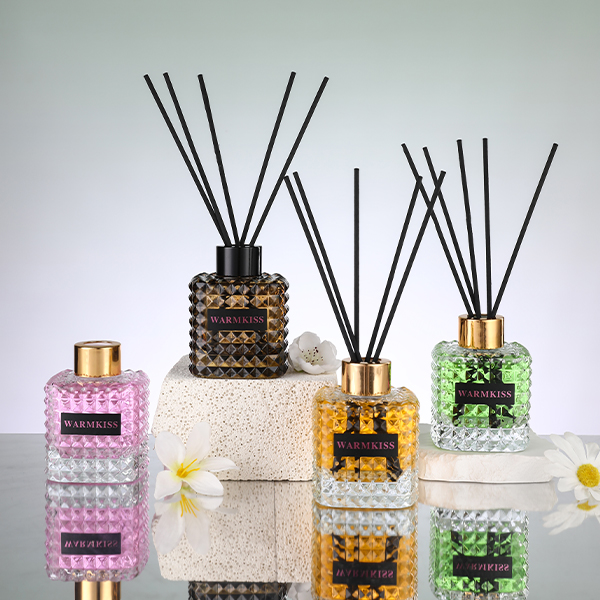
Our WARMKISS brand also gives us experience in presenting fragrance products to consumers. Combined with our manufacturing background, this helps us appreciate the relationship between product quality, visual presentation and market positioning.
We do not believe that a successful fragrance project should be judged by the lowest quotation alone. Consistency, communication, clear specifications and realistic expectations are equally important.
常见问题解答
1. What should B2B buyers look for in a perfume dupe supplier?
Evaluate fragrance quality, batch consistency, packaging, manufacturing experience, documentation, communication and the supplier’s ability to meet your order requirements.
2. Does a higher fragrance concentration guarantee longer longevity?
No. Concentration is only one factor. Formula composition, ingredients, application conditions and individual skin characteristics also influence performance.
3. Can a manufacturer guarantee a 90% or 95% scent match?
Such percentages have no universal meaning without a defined and validated evaluation method. Request samples and compare scent development against agreed criteria instead.
4. What documents should buyers request before importing perfume?
Depending on the product and market, relevant documents may include ingredient information, IFRA-related documentation, SDS, COA, labeling details and manufacturing quality records. Additional regulatory and transport documents may be necessary.
5. Can perfume dupes be sold legally?
The answer depends on the product, marketing and jurisdiction. Buyers should avoid unauthorized trademarks, confusing packaging and misleading claims, and obtain legal advice where necessary.
6. Can Shandong Aili Cosmetics provide private label perfume manufacturing?
Yes. We support private label and OEM/ODM fragrance projects. Product options, customization scope, minimum order quantities and lead times depend on the specific project.
7. How can buyers control packaging costs without sacrificing quality?
Select components that match the intended retail positioning, test sprayers and closures, and assess the complete packaged product before placing a bulk order. Avoid reducing costs in ways that create leakage, damage or inconsistent presentation.
8. What information should be included in a perfume RFQ?
Include the target market, fragrance direction, product format, bottle size, packaging requirements, estimated order quantity, target price and compliance expectations. Reference samples or visual examples can help clarify the brief.
Conclusion: Source for Long-Term Value, Not Just a Low Price
Sourcing high-quality perfume dupes requires a balance of fragrance performance, packaging, manufacturing consistency, compliance and commercial planning. The most successful products are those that meet the expectations of their intended customers while giving the brand owner a sustainable business model.
At Shandong Aili Cosmetics, we aim to help international buyers develop affordable fragrance collections through experienced manufacturing, practical OEM/ODM support and customer-focused product coordination.
If you are planning a private label perfume line or expanding your affordable fragrance portfolio, begin with a clear product brief and a structured sample evaluation. A well-chosen manufacturing partner can help turn that brief into a product that delivers lasting value for your business and your customers.