
Middle East Perfume Wholesalers & Distributors
Learn how Chinese perfume manufacturers can build successful partnerships with Middle East wholesalers, distributors and importers, with practical insights from Shandong Aili Perfume Cosmetics.
The Middle East has long been an important fragrance market, but the way perfume products are developed, distributed, and purchased is changing. Saudi Arabia and the UAE remain major fragrance markets, while e-commerce, social commerce, tourism, niche brands, and local fragrance houses are creating new opportunities for international suppliers. Saudi Arabia’s fragrance market has also shown strong online-channel development, with fragrance e-commerce sales growing rapidly between 2018 and 2022.
For Chinese perfume manufacturers, this means that entering the Middle East should not be reduced to offering a low factory price. A successful relationship with a Middle East perfume wholesaler, distributor, importer, or retailer requires a combination of suitable products, reliable quality, competitive commercial terms, flexible customization, professional communication, and long-term supply capability.
At Shandong Aili Cosmetics Co., Ltd., we believe that the best approach is to build a partnership around the distributor’s market rather than simply sell products to the distributor.
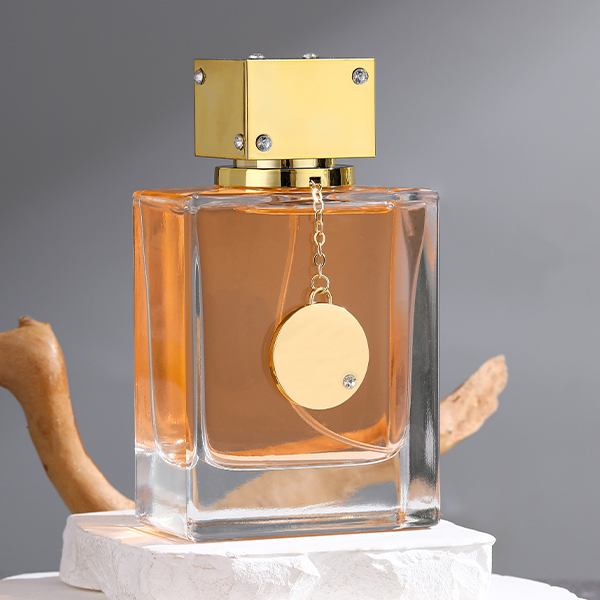
Understand What Middle East Wholesale Buyers Really Need
A Middle Eastern wholesaler is usually not looking for a factory that can simply produce perfume bottles.
The buyer needs products that can be sold through a specific channel and market.
For example, a Saudi distributor may be interested in concentrated, long-lasting fragrances, oud, amber, musk, and premium Arabic-inspired products, while a UAE importer may need a broader portfolio covering Arabian fragrances, Western-style perfumes, niche products, gift sets, and products suitable for e-commerce.
Saudi market data also shows the coexistence of traditional oriental fragrances and increasing interest in French-style, subtler fragrances.
Therefore, Chinese perfume manufacturers should begin cooperation by understanding:
- Target country and city
- Wholesale or retail channel
- Target consumer
- Product positioning
- Fragrance preferences
- Target price
- Expected order volume
- Existing brand portfolio
- Packaging requirements
- Product launch schedule
The first conversation should be about the buyer’s business—not only the supplier’s product catalog.
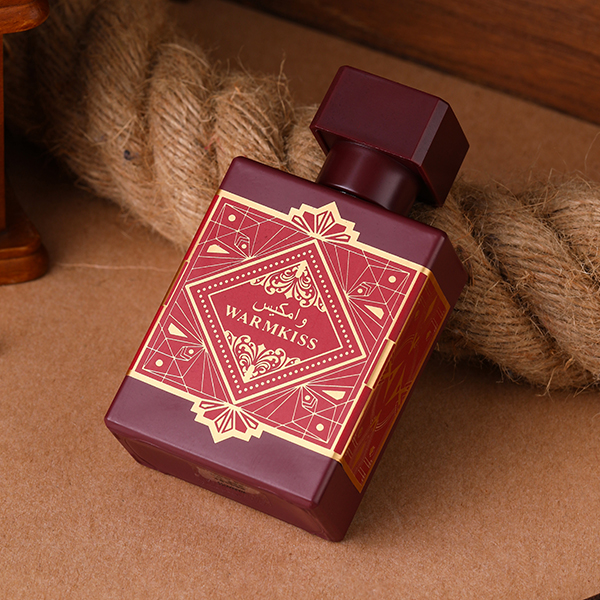
Offer Products Designed for the Middle East Market
A common mistake for Chinese manufacturers is to send the same perfume catalog to every international buyer.
A better approach is to create a Middle East-focused fragrance portfolio.
Potential product directions include:
| Product Direction | Suitable B2B Opportunity |
| Oud & amber perfume | Traditional and premium fragrance segments |
| Long-lasting EDP | Mainstream and premium retail |
| Perfume oil / Attar | Concentrated fragrance segment |
| Floral & woody perfume | Women’s and unisex collections |
| Modern oud | Younger consumers |
| Gourmand fragrance | Social-media-driven and niche brands |
| Gift sets | Tourism, holidays and seasonal sales |
| Reed diffusers | Home fragrance expansion |
The objective is not to assume that every Middle Eastern consumer wants the same fragrance. Instead, manufacturers should provide enough flexibility for distributors to select products according to their own customer base.
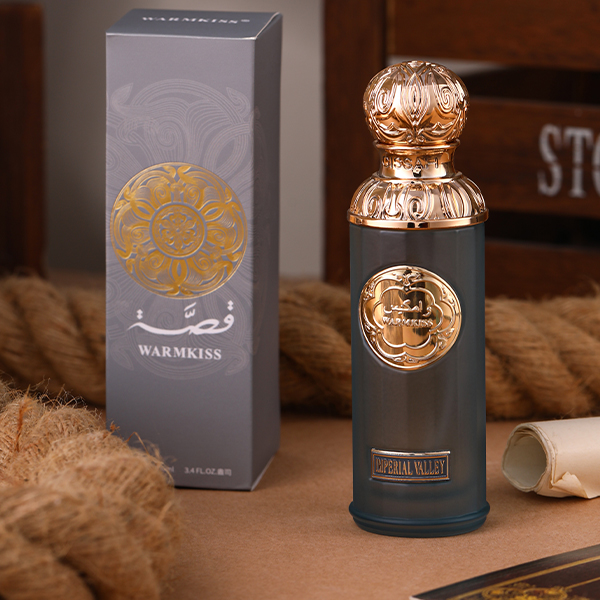
Give Distributors Both Ready-Made and Customized Options
Different B2B customers have different purchasing models.
A wholesaler may want ready-to-sell stock products with established packaging and fast ordering.
A distributor building its own brand may need private label perfume with customized fragrance, bottle, cap, box, logo, and product positioning.
An experienced Chinese perfume manufacturer should therefore offer both.
For example:
Stock Products
→ Faster launch
→ Lower development requirements
→ Suitable for wholesalers and retailers
OEM/ODM Products
→ Customized fragrance
→ Private label packaging
→ Stronger brand differentiation
→ Suitable for importers and brand owners
This flexibility allows the manufacturer to work with different levels of B2B customers instead of relying on only one business model.
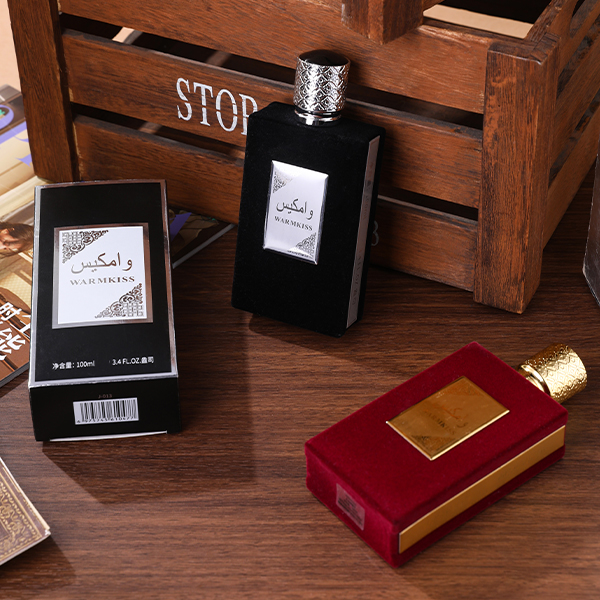
Make the Quotation Easy for Wholesale Buyers to Understand
Price is important, but a professional B2B quotation should contain much more than a unit price.
A Middle East perfume distributor should be able to quickly understand:
- Product name and SKU
- Fragrance type
- Bottle size
- Fragrance concentration
- Packaging configuration
- MOQ
- Unit price
- Carton quantity
- Carton dimensions
- Gross weight
- Production lead time
- Sample cost
- Payment terms
- Shipping terms
This is particularly important for importers comparing several suppliers.
A clear quotation allows the buyer to calculate landed cost, wholesale margin, inventory requirements, and retail positioning more efficiently.
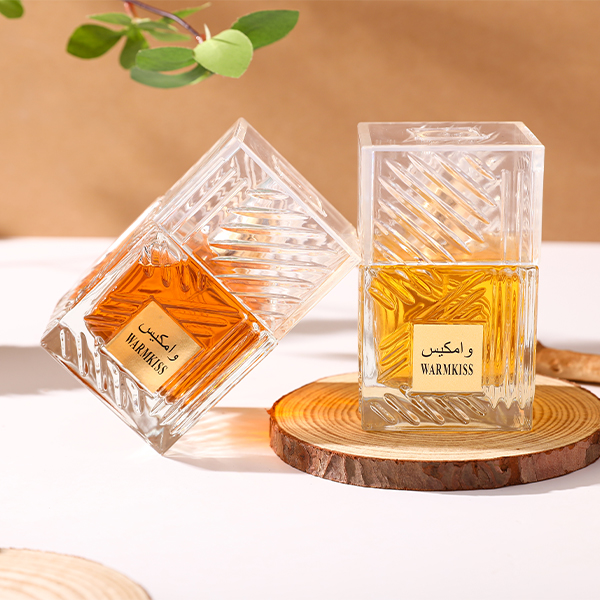
Help Distributors Build a Profitable Product Portfolio
A long product catalog is not necessarily useful.
Instead of sending hundreds of unrelated perfume SKUs, a manufacturer can help the buyer build a structured portfolio.
For example:
Entry Level:
Affordable EDP and popular fragrance profiles
Mid-Market:
Modern oud, floral, woody and amber fragrances
Premium:
High-concentration perfume, niche-inspired products and sophisticated packaging
Specialty:
Perfume oils, layering products, gift sets and home fragrance
This approach allows a distributor to cover multiple price points while maintaining a coherent product strategy.
It can also create opportunities for repeat orders because successful products can be expanded into additional sizes, fragrances, gift sets, body products, or home fragrance.
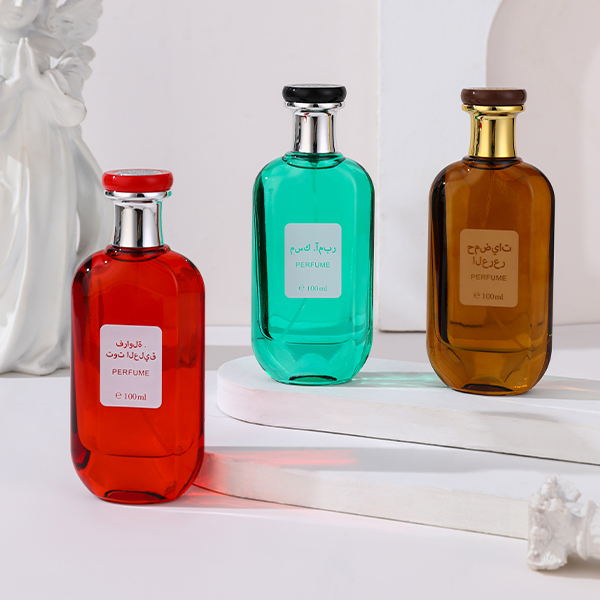
Provide Reliable Samples Before Asking for Large Orders
For fragrance products, buyers need to smell the product before making a commercial decision.
A professional Chinese perfume manufacturer should therefore have a structured sampling process.
A good sample program can include:
- Fragrance recommendation
- Initial samples
- Customer evaluation
- Feedback on opening, heart and dry-down
- Longevity and projection feedback
- Formula adjustment
- Packaging confirmation
- Final approval
- Pre-production sample
- Mass production
This is especially important for private label perfume OEM/ODM projects.
The goal is not to convince the customer to accept the first sample. The goal is to develop a fragrance that the distributor believes can sell in its market.
Build Trust Through Production Transparency
Middle East distributors looking for a long-term supplier need confidence that the factory can maintain quality after the first order.
This is where a genuine source factory has an advantage.
At Aili Cosmetics, our manufacturing capabilities include 48 perfume production lines and production capacity of around 300,000 bottles per day. Our manufacturing system covers fragrance development, filling, packaging, quality control, and large-scale production.
For B2B customers, production transparency can include:
- Factory information
- Production capacity
- Sample approval
- Pre-production confirmation
- Production progress updates
- Finished-product inspection
- Packing information
- Export documentation
The objective is to turn the relationship from a one-time transaction into a predictable supply chain.
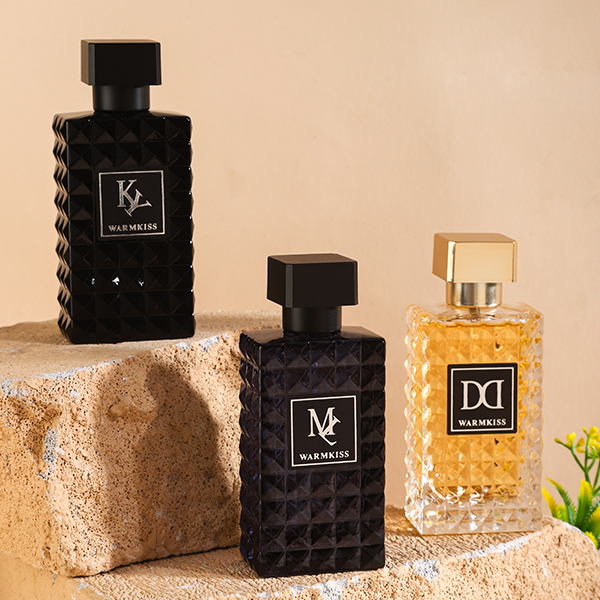
Support Packaging Instead of Treating It as a Separate Problem
For perfume, packaging is part of the product.
A distributor may have a fragrance concept but need help selecting a bottle, cap, spray pump, box, decoration, and finishing process.
A Chinese perfume OEM manufacturer with an integrated supply chain can coordinate these components more efficiently.
At Aili, we can support customers with customized:
- Perfume bottles
- Caps and spray pumps
- Labels
- Printing and decoration
- Gift boxes
- Private label packaging
- Product collections
This is particularly useful for Middle Eastern brands that want premium-looking products without managing multiple Chinese suppliers themselves.
Develop Long-Term Cooperation Rather Than Chasing One Large Order
The strongest manufacturer-distributor relationship is usually built through repeated product development.
A practical cooperation model can be:
First Order:
Test several fragrances and packaging concepts.
Second Stage:
Identify best-selling SKUs and optimize pricing.
Third Stage:
Develop exclusive or private label products.
Fourth Stage:
Expand into new fragrance categories.
Long-Term:
Build a dedicated product portfolio for the distributor’s market.
This model is more sustainable than simply competing for the lowest FOB price.
For distributors, a stable manufacturer can provide continuity in product quality and supply. For manufacturers, long-term customers can provide better understanding of local demand and more opportunities for product innovation.
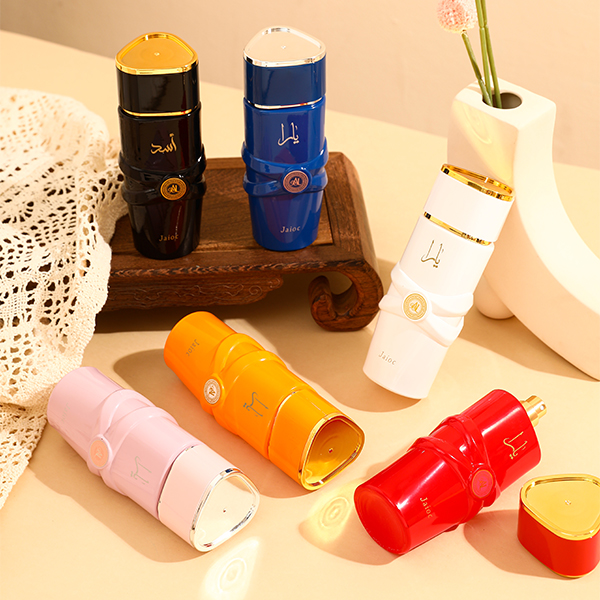
Why Middle East B2B Buyers Can Work with Aili Cosmetics
Shandong Aili Cosmetics Co., Ltd. has more than 30 years of cosmetics manufacturing experience, with the company established in 1993.
Our perfume manufacturing system combines production scale with OEM/ODM customization. Aili operates 48 perfume production lines, with capacity of around 300,000 bottles per day.
We source fragrance ingredients from major international fragrance houses, including Givaudan, Robertet, and Symrise, according to project requirements.
For Middle East wholesalers, distributors, importers, and brand owners, Aili can provide:
- Ready-made perfume products
- Private label perfume
- Customized fragrance development
- Oud and Middle Eastern-inspired fragrance directions
- EDP, EDT, perfume oil and body mist
- Customized bottles and packaging
- Reed diffuser and related fragrance products
- Sample development
- Mass production
- Export and international trade support
Our broader goal is to become more than a perfume supplier. We aim to become a long-term manufacturing partner for Middle Eastern fragrance businesses.
FAQ for Middle East Perfume Wholesalers and Distributors
Can Chinese perfume manufacturers supply Middle East wholesalers directly?
Yes. Chinese perfume manufacturers can work directly with wholesalers, distributors, importers, retailers, and brand owners, depending on the commercial and export arrangements.
What perfume products are suitable for Middle East distributors?
Oud, amber, musk, woody, floral, modern oriental-inspired, long-lasting EDP, perfume oils, gift sets, and contemporary Western-Middle Eastern fragrance combinations can all be considered according to the target market.
Should a Middle East distributor buy stock perfume or private label perfume?
Stock products can be useful for quick market testing, while private label products offer greater control over brand identity, packaging, pricing, and long-term differentiation. Many businesses can use both approaches.
What information should a distributor provide when requesting a quotation?
The most useful information includes target country, product type, bottle size, fragrance direction, quantity, packaging requirements, target price, destination port, and expected launch date.
Can Aili develop customized oud perfume for Middle Eastern brands?
Yes. Aili can develop customized fragrance products according to customer requirements, including oud-inspired, woody, amber, floral, fruity, gourmand, and other fragrance directions.
Can Aili provide customized perfume packaging?
Yes. Aili can coordinate perfume bottles, caps, pumps, labels, outer boxes, decoration, and other packaging components as part of an OEM/ODM project.
Why should Middle East distributors work directly with a Chinese source factory?
Direct cooperation can simplify communication between the buyer and manufacturer and can provide greater control over product development, customization, production, and supply-chain coordination.
How can a distributor start cooperation with Aili Cosmetics?
The most efficient starting point is to provide the target market, product category, fragrance preference, packaging concept, estimated quantity, and target price. Aili can then recommend suitable product directions and develop samples for evaluation.
Conclusion
For Chinese perfume manufacturers, the Middle East offers opportunities well beyond traditional fragrance exports. The market combines strong cultural demand for fragrance with rapidly developing e-commerce, local brands, niche products, and increasingly sophisticated consumers. Recent market research also points to strong growth in Arabian fragrance sales through e-commerce and continued expansion beyond the GCC.
For Middle East perfume wholesalers and distributors, the ideal Chinese supplier should provide more than competitive pricing. The real value lies in product-market understanding, fragrance development, flexible MOQ, packaging integration, consistent quality, scalable production, and responsive B2B service.
For Shandong Aili Cosmetics Co., Ltd., our objective is to build exactly this type of relationship.
With more than 30 years of manufacturing experience, large-scale perfume production, international fragrance-material sourcing, OEM/ODM capabilities, and a broad fragrance product portfolio, Aili can support Middle Eastern partners from initial product selection and sample development to private label production, repeat orders, and long-term product expansion.
The future of China–Middle East perfume cooperation is not simply about exporting more bottles. It is about building better products, stronger brands, and more efficient long-term supply chains together.