
China’s Perfume Industry Needs a New Export Strategy
Explore why Chinese perfume fragrance manufacturers must move beyond low-price export strategies and compete through fragrance quality, product innovation, OEM private-label development service, and long-term customer value.
在 山东爱丽化妆品 Co.,Ltd., we believe the true essence of a fragrance lies in its scent, its quality, and the emotion it evokes—not the markups defined by brand prestige alone. For too long, high-quality fragrances have been elevated into exclusive luxuries. We view fragrance differently: it is a daily form of self-expression and personal comfort that should be effortlessly accessible to everyone.
Our purpose goes far beyond lower production costs. Leveraging our decades of manufacturing expertise, integrated supply chain, and uncompromised quality control, we bridge the gap between premium fragrance design and everyday affordability. We are not here to challenge luxury, but to elevate value. By delivering uncompromised quality at a true-to-value price, 山东爱利 empowers global partners and consumers to experience the art of fine fragrance as a daily delight, rather than a privileged indulgence.
China’s export success has been built partly on its extraordinary manufacturing capacity, extensive supplier networks, and ability to deliver competitive prices. The Yiwu small-commodity trade model is an important example. It connected Chinese factories with buyers worldwide and helped countless products reach international markets.
However, a business model built primarily around low prices has limitations. When buyers focus almost exclusively on purchase cost, some suppliers may respond by reducing material quality, simplifying production processes, or weakening quality control. Over time, inconsistent products can damage customer confidence and undermine the reputation of Chinese manufacturing.
This issue deserves particular attention in the fragrance industry.
Perfume is not an ordinary commodity. Consumers evaluate it through scent, performance, packaging, safety, and the overall experience of using it. A low quotation means little if the finished product disappoints customers.
在 山东爱丽化妆品有限公司., we believe Chinese perfume manufacturers need to move beyond price-driven competition and build a more sustainable export model based on product quality, fragrance development, and long-term customer relationships.
1. The Yiwu Model: Manufacturing Success and the Limitations of Low-Price Competition
The Yiwu trade ecosystem has played an important role in China’s international commerce. Its extensive product selection, efficient sourcing networks, and flexible trading channels have helped overseas wholesalers and retailers access Chinese products at competitive prices.
This model has also contributed to the expansion of China’s manufacturing supply chain.
However, the problem emerges when low price becomes the dominant purchasing criterion.
In some trading relationships, importers select products primarily according to the lowest available quotation. Certain suppliers then compete by cutting costs rather than improving efficiency or developing better products. The result can be inconsistent quality, limited product differentiation, and weak after-sales support.
It is important to distinguish this problem from the Yiwu market itself. Yiwu also has reputable suppliers and quality-oriented businesses. Nor should buyers from Africa, Asia, or Latin America be treated as a single group with identical purchasing standards. Many businesses in these regions are actively seeking reliable suppliers and better products.
The real issue is not geography. It is a procurement strategy that prioritizes immediate price advantages over long-term product value.
2. Why Perfume Manufacturing Cannot Depend on the Lowest Price
Perfume is a product in which consumers can quickly notice quality differences.
A fragrance may have an attractive appearance, but an unpleasant alcohol note, an unbalanced scent profile, inconsistent performance, or a leaking spray pump can undermine the entire product experience.
Several factors determine the quality of finished perfume:
Fragrance ingredients: The quality and consistency of fragrance concentrates and other formulation materials.
Alcohol and formulation: Suitable ingredients, accurate proportions, and appropriate production procedures.
Fragrance stability: Resistance to undesirable changes under relevant storage and transportation conditions.
Packaging reliability: Bottle compatibility, spray performance, sealing, and leakage resistance.
Manufacturing consistency: The ability to reproduce approved product specifications across batches.
Reducing costs without understanding their impact on these factors can create problems that are much more expensive than the original savings.
For perfume distributors and private-label brands, customer complaints, product returns, and lost repeat purchases can damage profitability. A slightly lower purchase price is not necessarily a better commercial decision.
3. High-Quality Perfume Dupes: Affordable Does Not Have to Mean Cheap
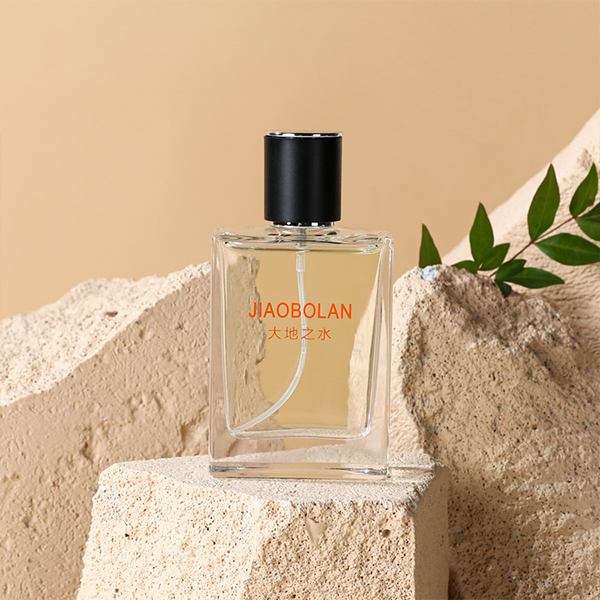
One opportunity for Chinese fragrance manufacturers is the growing commercial space between expensive prestige fragrances and low-quality budget products.
Consumers increasingly have different expectations regarding fragrance. Some are willing to pay for luxury branding and exclusivity, while others prioritize scent quality, attractive packaging, and reasonable prices.
This creates opportunities for high-quality affordable perfumes and fragrance alternatives.
However, a perfume dupe should not simply mean copying another brand’s product or packaging. A responsible manufacturer should focus on developing original formulations that appeal to similar fragrance preferences while maintaining independent branding and legally appropriate product presentation.
A competitive affordable perfume should offer:
A balanced and appealing fragrance profile.
Consistent formulation and manufacturing quality.
Suitable fragrance performance for its intended positioning.
Reliable bottles, pumps, and packaging.
A price structure that reflects genuine manufacturing efficiency rather than uncontrolled cost reduction.
At Aili Cosmetics, we see affordable fragrance as an opportunity to make enjoyable fragrance experiences accessible to more consumers. The goal is not to reproduce the prestige of a luxury brand through imitation, but to provide customers with products that offer convincing quality and commercial value at more accessible price points.
4. Build Original Brands Instead of Remaining Only a Manufacturing Supplier
OEM and private-label manufacturing remain important parts of China’s fragrance industry. They allow overseas businesses to develop products without building their own production facilities.
However, manufacturers can create greater long-term value by supporting customers beyond basic contract production.
This includes fragrance concept development, product positioning, packaging coordination, customized collections, and consistent manufacturing support.
Original brands are also important. They allow manufacturers to establish recognizable product identities, accumulate consumer feedback, and develop stronger connections with distributors and end users.
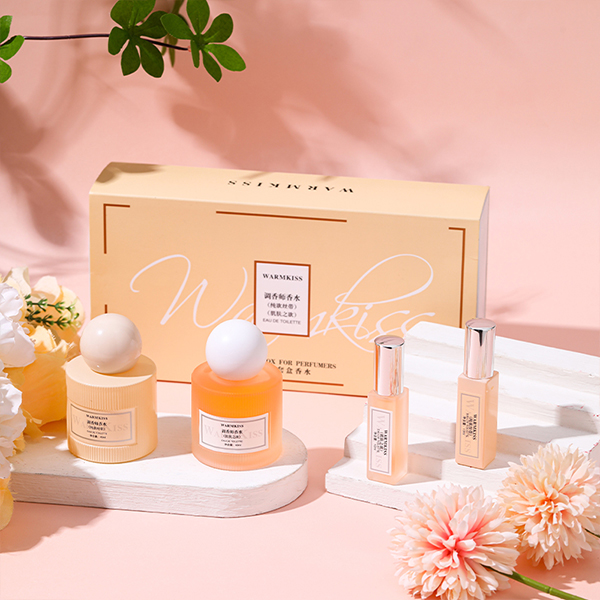
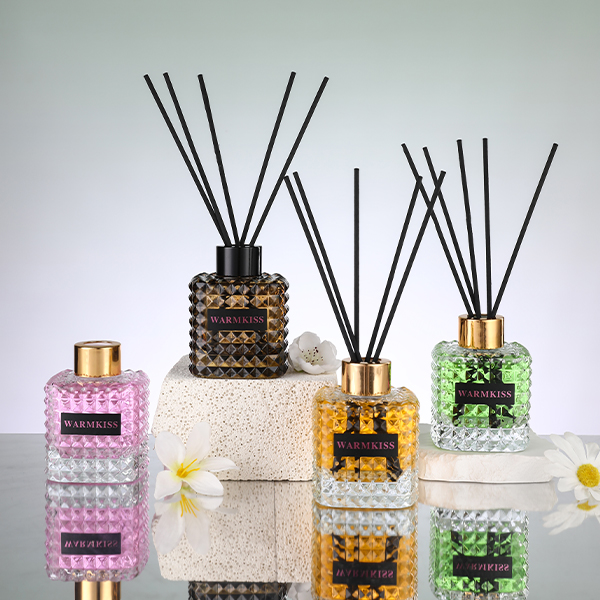
At Shandong Aili Cosmetics, our WARMKISS brand represents one part of our effort to participate in the fragrance market beyond contract manufacturing. Our broader product portfolio also includes perfumes, reed diffusers, and selected personal-care and home-care products.
With more than 30 years of fragrance manufacturing experience, 48 perfume production lines, and a daily production capacity exceeding 300,000 bottles, we believe manufacturing scale should support product development and reliable customer cooperation—not simply generate more low-priced output.
5. Help International Buyers Understand the Real Cost of Quality
A sustainable export strategy also requires educating buyers about the commercial value of quality.
For wholesalers, distributors, and retailers, the purchase price is only one part of the total business equation.
Consider two hypothetical perfume products:
| Commercial Factor | Low-Cost Product | Quality-Oriented Product |
| Initial purchase price | Lower | Higher |
| 批次一致性 | May vary | Managed against agreed specifications |
| Packaging performance | Depends on supplier controls | Evaluated against defined requirements |
| Customer experience | Less predictable | More consistent |
| After-sales support | May be limited | Defined support procedures |
| Long-term brand potential | More difficult to establish | Better foundation for repeat business |
This is a purchasing framework, not a claim that every low-priced product is poor or every higher-priced product is reliable. Buyers should verify actual samples, specifications, production controls, and supplier performance.
A professional Chinese perfume manufacturer should be willing to explain what determines its quotation, which materials are used, what quality checks are performed, and how problems are handled.
Transparency helps customers make informed decisions and creates a healthier business relationship.
6. A More Sustainable Export Model for Chinese Perfume Manufacturers
The next stage of China’s fragrance manufacturing development should be built on several practical changes.
First, invest in product development. Manufacturers should strengthen fragrance evaluation, formulation improvement, packaging innovation, and research into consumer preferences in different markets.
Second, establish reliable quality systems. Raw material inspection, batch records, finished-product testing, and packaging assessments should become standard management practices.
Third, develop differentiated product portfolios. Affordable fragrance alternatives, original private-label collections, home fragrance, and complementary personal-care products can help customers reach different market segments.
Fourth, select customers based on long-term cooperation potential. A healthy business relationship should consider product requirements, realistic pricing, payment arrangements, compliance responsibilities, and mutual commitment—not simply order volume.
Finally, improve after-sales service. Manufacturers should maintain traceability, respond to complaints, investigate quality issues, and communicate honestly with international partners.
These changes can help Chinese perfume suppliers move from competing primarily on price toward competing through product value and manufacturing reliability.
常见问题解答
1. What is the Yiwu model in China’s export trade?
The Yiwu model generally refers to a trade ecosystem built around extensive small-commodity sourcing, competitive prices, flexible order selection, and efficient connections between Chinese suppliers and international buyers.
2. Does low-price competition damage the reputation of Chinese manufacturing?
It can when suppliers reduce quality to achieve lower prices and customers repeatedly receive disappointing products. However, low prices themselves are not the problem. Efficient manufacturing and supply-chain management can deliver competitive prices without sacrificing quality.
3. Why should Chinese perfume manufacturers move beyond price competition?
Because perfume quality directly affects consumer experience, repeat purchases, and brand reputation. Sustainable competitiveness requires reliable formulations, consistent production, suitable packaging, and responsible after-sales service.
4. What is the difference between a high-quality perfume dupe and a cheap imitation?
A high-quality affordable fragrance alternative focuses on developing an appealing fragrance profile, reliable manufacturing, and independent branding. An imitation may involve unauthorized trademarks, packaging, or misleading representations of another brand.
5. Can Chinese perfume manufacturers serve premium and mid-range markets?
Yes. Chinese manufacturers can serve different market segments through product positioning, fragrance development, packaging choices, quality management, and appropriate pricing. The capabilities and specifications of each supplier should be evaluated individually.
6. How can overseas buyers identify a reliable Chinese perfume supplier?
Buyers should examine manufacturing experience, product samples, raw material controls, batch consistency, packaging reliability, relevant compliance documentation, production capacity, and after-sales procedures.
7. Why is private-label perfume manufacturing important for overseas distributors?
Private-label manufacturing allows distributors to develop their own product identity, control market positioning, and build long-term customer relationships without operating their own perfume factory.
8. How does Shandong Aili Cosmetics support quality-oriented fragrance businesses?
Aili combines more than 30 years of fragrance manufacturing experience with 48 perfume production lines and a portfolio covering perfume, reed diffusers, and selected personal-care and home-care products. The company supports international customers through manufacturing and OEM/ODM cooperation.
Conclusion: The Future Belongs to Manufacturers That Create Real Value
China’s export industry has achieved remarkable results through manufacturing efficiency, supply-chain integration, and competitive pricing. These strengths should be preserved, but they must evolve.
For perfume manufacturers, the next step is clear: invest in better products, maintain consistent quality, develop original fragrance collections, and provide dependable service to international customers.
At Shandong Aili Cosmetics, we believe the reputation of Chinese fragrance manufacturing should be built one product and one customer relationship at a time.
The goal is not to abandon affordable pricing or emerging markets. It is to ensure that competitive prices are supported by genuine product value. When overseas buyers trust the quality of Chinese-made perfume and consumers are satisfied with the products they purchase, manufacturers gain something far more valuable than a single order: long-term credibility, stronger pricing power, and sustainable growth.