
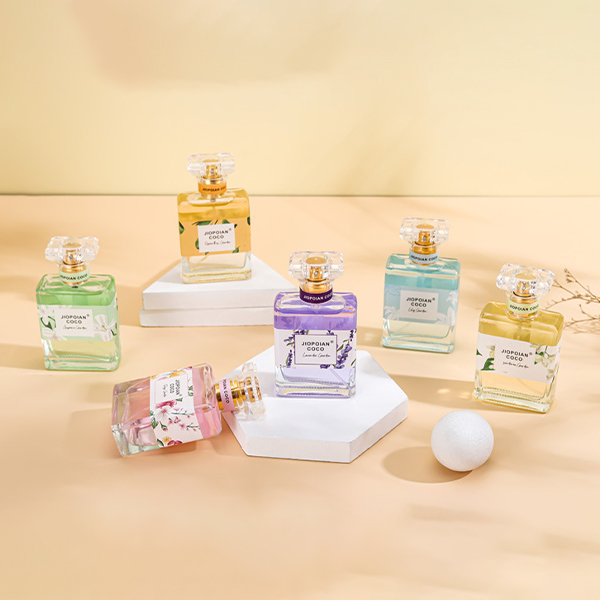
Global Buyers Prefer Strong Perfume Manufacturers
Discover why global perfume brands and importers choose experienced OEM/ODM Perfume Fragance manufacturers for consistent quality, reliable supply, custom packaging and competitive sourcing. Explore 山东爱丽化妆品’ fragrance manufacturing capabilities.
在 山东爱丽化妆品 Co.,Ltd., we believe the true essence of a fragrance lies in its scent, its quality, and the emotion it evokes—not the markups defined by brand prestige alone. For too long, high-quality fragrances have been elevated into exclusive luxuries. We view fragrance differently: it is a daily form of self-expression and personal comfort that should be effortlessly accessible to everyone.
Our purpose goes far beyond lower production costs. Leveraging our decades of manufacturing expertise, integrated supply chain, and uncompromised quality control, we bridge the gap between premium fragrance design and everyday affordability. We are not here to challenge luxury, but to elevate value. By delivering uncompromised quality at a true-to-value price, Shandong Aili empowers global partners and consumers to experience the art of fine fragrance as a daily delight, rather than a privileged indulgence.
Choosing a perfume manufacturing partner is no longer just about finding the lowest quotation. For international fragrance brands, wholesalers, importers and cross-border e-commerce businesses, the real challenge is finding a supplier that can deliver consistent quality, dependable production, suitable customization and long-term commercial value.
An experienced perfume OEM/ODM factory can help buyers coordinate fragrance development, packaging, production planning and quality management through a more integrated process. This matters because a successful fragrance business depends not only on the first order, but also on repeat purchases, customer satisfaction and the ability to scale when demand grows.
在 山东爱丽化妆品有限公司., we believe that strong manufacturing capabilities create value by reducing avoidable sourcing risks and helping customers turn fragrance concepts into commercially viable products.
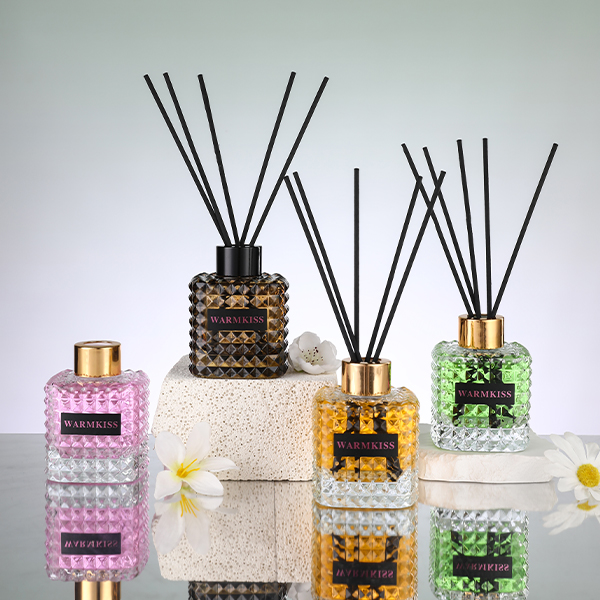
1. Consistent Quality Matters More Than the Lowest Factory Price
A low initial quotation may look attractive, but inconsistent products can create much higher costs later. Differences in fragrance character, color, spray performance, packaging quality or product stability can lead to customer complaints, returns and lost repeat business.
For perfume brands, consistency means that commercial batches should meet agreed specifications. It does not mean every fragrance will smell identical under every condition; it means the manufacturer has defined standards and appropriate controls for evaluating production.
A professional perfume supplier should be able to discuss:
Approved fragrance and finished-product specifications.
Batch identification and traceability.
Inspection procedures for bottles, pumps, caps and packaging.
Product stability and compatibility evaluations appropriate to the formulation.
Procedures for investigating quality complaints and corrective actions.
These capabilities are particularly important for private-label perfume brands. Once a product gains traction in a retail market, buyers need confidence that future orders can meet the same agreed requirements.
Founded in 1993, Shandong Aili Cosmetics brings more than 30 years of manufacturing experience to fragrance-related projects. Our approach is to treat quality as an ongoing production responsibility rather than a promise made only during sales negotiations.
2. Scalable Production Helps Protect Supply Continuity
A perfume product may perform well in a small trial order but become difficult to supply when demand increases. Production capacity, component availability, scheduling and coordination between manufacturing and packaging all influence whether a supplier can support business growth.
For importers and distributors, late delivery can mean missed promotional periods, stock shortages and disrupted relationships with retailers. For e-commerce sellers, it can also create problems when advertising generates demand faster than inventory can be replenished.
A capable fragrance manufacturer should therefore offer more than equipment and factory space. Buyers should assess production planning, communication, component sourcing, order visibility and the supplier’s ability to manage changing demand.
| Buyer concern | What a capable factory should demonstrate | Business value |
| Repeat-order consistency | Agreed specifications and batch controls | Fewer avoidable product variations |
| Delivery reliability | Realistic lead times and production planning | Better inventory management |
| Growing order volumes | Suitable capacity and scheduling | A clearer path to scaling |
| Packaging availability | Coordinated sourcing of bottles, pumps and cartons | Reduced risk of component delays |
| Quality issues | Documented complaint handling and corrective action | Better long-term supplier accountability |
At Aili, our manufacturing background supports buyers seeking a supplier relationship that can develop beyond one-off orders. Actual lead times and available capacity should always be confirmed against the product specification, packaging requirements and order schedule.
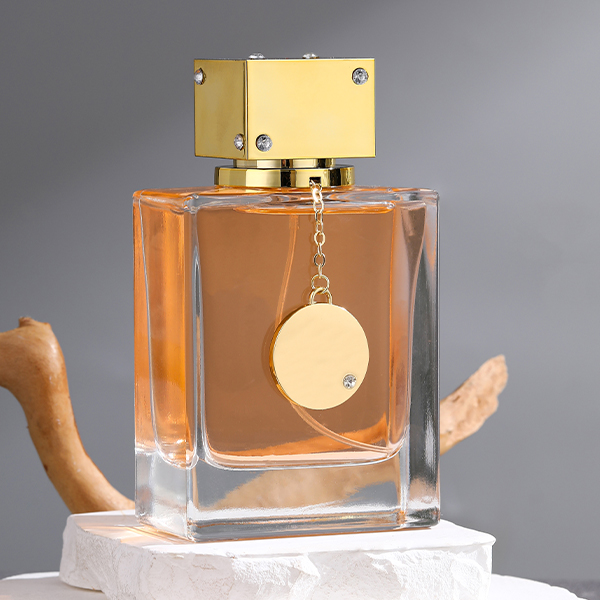
3. Competitive Sourcing Is About Value, Not Simply Cheap Ingredients
Today’s fragrance market serves consumers with different budgets and expectations. Some buyers focus on accessible everyday perfumes, while others develop premium-looking private-label collections or gift-oriented fragrance lines.
This creates demand for products that balance scent quality, packaging, target retail price and production cost. However, a competitive perfume is not necessarily the one with the cheapest fragrance compound. The final product also depends on formulation, fragrance concentration, packaging choices, manufacturing controls and the intended positioning.
International fragrance houses such as Givaudan, Symrise and Robertet are recognized industry participants. When evaluating a supplier’s access to fragrance materials or development resources, buyers should ask which materials and services are available for the specific project, rather than assume that every product uses ingredients from a particular supplier.
A well-managed OEM/ODM project can help buyers make informed trade-offs. For example, a distinctive bottle and refined carton may be more important for a gift collection, while a simple, durable package may better suit a high-volume everyday fragrance.
Shandong Aili is based in Linyi, Shandong, and operates in the Linyi Comprehensive Bonded Zone. This location is relevant to our wider sourcing and logistics context, but any specific customs, tax or cost benefit depends on the transaction structure, applicable policies and actual shipping arrangements. Buyers should evaluate the complete landed cost rather than rely on a general claim of lower factory pricing.
4. One-Stop OEM/ODM Service Simplifies Product Development
Developing a perfume product can involve multiple decisions: fragrance direction, bottle selection, spray pump compatibility, label design, outer packaging, production specifications and export documentation. Coordinating each supplier separately can increase the workload for a brand owner.
An integrated perfume OEM/ODM manufacturer can help coordinate these decisions within a more structured development process.
Depending on the project scope, customization may include:
Fragrance selection and development: Identifying suitable scent profiles for a target audience, market and price position.
Bottle and packaging customization: Selecting glass bottles, caps, spray pumps, labels and gift boxes that fit the product concept.
Private-label production: Applying the buyer’s brand identity to agreed product specifications.
Product-range planning: Developing complementary fragrances or gift sets for a more consistent collection.
Production coordination: Aligning approved samples, packaging components, manufacturing schedules and quality checks.
For emerging fragrance brands, this integrated approach can reduce coordination complexity. For established importers, it may help streamline the development of new collections while maintaining existing product lines.
At Shandong Aili Cosmetics, our fragrance manufacturing experience and broader consumer-care product scope allow us to discuss projects that extend beyond a single perfume SKU. The exact services available should be confirmed for each project, especially when specialized testing, regulatory submissions or third-party services are required.
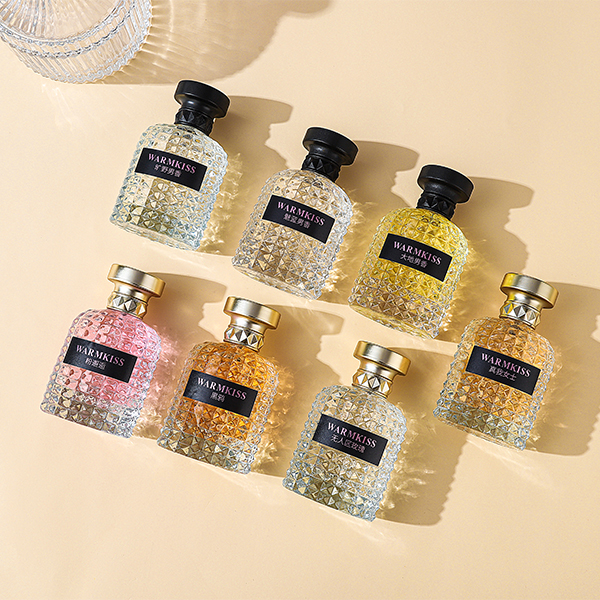
5. Export Compliance and Documentation Are Essential for International Buyers
Perfume export is more complex than shipping an ordinary consumer product. Many alcohol-based perfumes may be classified as dangerous goods for transport, depending on their composition, flash point, packaging and applicable transport rules.
Requirements can differ by transport mode and destination. Depending on the product and shipment, buyers and suppliers may need to review safety data, dangerous-goods classification, packaging and marking requirements, carrier acceptance conditions, customs documents and destination-market regulations.
Not every perfume has the same classification, and not every shipment follows an identical process. Buyers should therefore confirm the actual product classification and the manufacturer’s ability to support the required export arrangements before placing a commercial order.
Regulatory requirements for placing perfume on the market also vary by destination. Documentation, ingredient restrictions, labeling, responsible-person arrangements and notification or registration requirements may apply in different ways.
A reliable supplier should communicate clearly about the documents it can provide, the responsibilities handled by the buyer and any work requiring an authorized third party. Transparency at this stage helps prevent expensive misunderstandings after production.
6. Manufacturing Experience Builds Trust in Long-Term Partnerships
The phrase “Made in China” does not, by itself, establish either high or low product quality. Buyers need evidence that a supplier can meet their specifications, communicate accurately and deliver the agreed product.
Samples are a useful starting point, but a good evaluation process should go further. Buyers can assess fragrance character, spray performance, packaging finish and suitability for the intended price point. Where relevant, they should also review product stability, documentation, quality procedures and production samples against agreed criteria.
Fragrance longevity varies with formulation, concentration, application, skin type, environment and testing method. A claim such as “24-hour longevity” should therefore be supported by appropriate evidence for the specific product and use conditions rather than treated as a universal benchmark.
For international customers, long-term trust grows from verifiable information: clear specifications, realistic commitments, responsive communication and consistent follow-through.
At Aili, we encourage buyers to evaluate a potential partnership through product samples, technical discussions and a clear understanding of the production process. Manufacturing experience matters most when it translates into measurable performance and dependable cooperation.
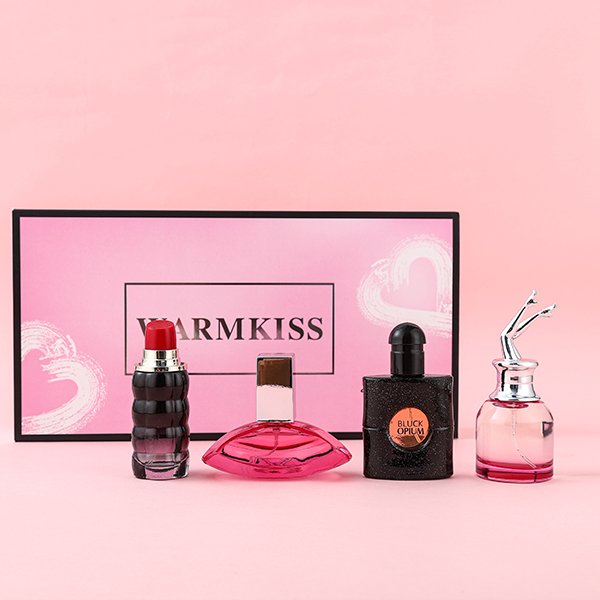
Frequently Asked Questions About Choosing a Perfume OEM/ODM Factory
1. Why choose an established perfume manufacturer instead of a small supplier?
An established manufacturer may offer broader production capacity, more structured quality management and stronger coordination across product development and packaging. However, buyers should verify these capabilities rather than assume they are guaranteed by company size alone.
2. What should buyers look for in a perfume OEM/ODM supplier?
Key factors include fragrance quality, repeat-batch consistency, packaging customization, production capacity, communication, documentation, target-market compliance and the ability to support future orders.
3. Can a Chinese perfume factory offer competitive quality and pricing?
Yes, a Chinese manufacturer can offer competitive value when its formulation, packaging, production processes and quality controls match the buyer’s requirements. Actual performance should be assessed through samples, specifications and commercial evaluation.
4. Does a larger factory always guarantee better quality?
No. Scale can support capacity and process standardization, but quality also depends on formulation control, materials, trained personnel, inspection procedures and management. Buyers should evaluate evidence rather than factory size alone.
5. Can perfume manufacturers customize bottles, packaging and fragrance?
Many OEM/ODM manufacturers offer some combination of fragrance selection, private-label packaging and product customization. Available options, development fees, minimum order quantities and lead times vary by supplier and project.
6. Is perfume considered dangerous goods for export?
Many alcohol-based perfumes may be regulated as dangerous goods during transport, but classification depends on the product and applicable rules. Buyers should confirm the actual classification and shipping requirements with the manufacturer and qualified logistics provider.
7. How can buyers evaluate a perfume factory before placing a large order?
Start with samples and written specifications. Review relevant quality documents, packaging compatibility, production arrangements, regulatory support and commercial terms. Where appropriate, buyers can also arrange an audit or independent inspection.
8. Does Shandong Aili Cosmetics provide perfume OEM/ODM services?
Shandong Aili Cosmetics provides fragrance manufacturing and OEM/ODM services. Buyers can discuss target markets, fragrance preferences, packaging concepts, order volumes and product requirements with the company to determine a suitable project plan.
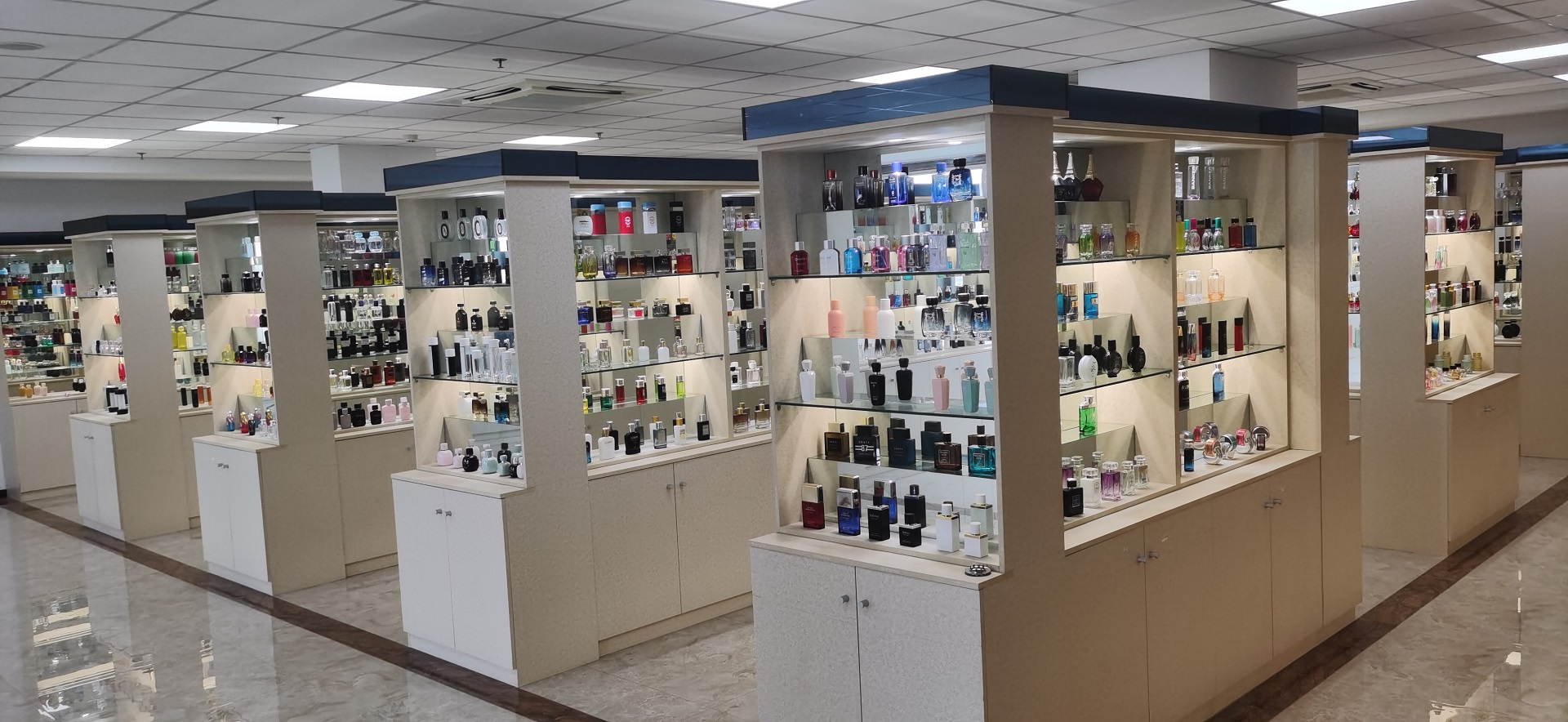
Conclusion: Buyers Are Investing in Supply-Chain Confidence
Global buyers increasingly evaluate perfume factories through a broader commercial lens. Competitive pricing remains important, but it must be balanced with consistent quality, reliable supply, suitable customization, export readiness and transparent communication.
For perfume brands, wholesalers and importers, a capable manufacturing partner can help reduce sourcing complexity and build a stronger foundation for repeat business.
At Shandong Aili Cosmetics Co., Ltd., we believe the value of an experienced fragrance manufacturer lies in turning product ideas into clearly specified, commercially practical products—and supporting customers as their fragrance business develops. Ultimately, the right factory is not simply the one that offers the lowest price. It is the one that can consistently deliver the value the buyer has agreed to purchase.