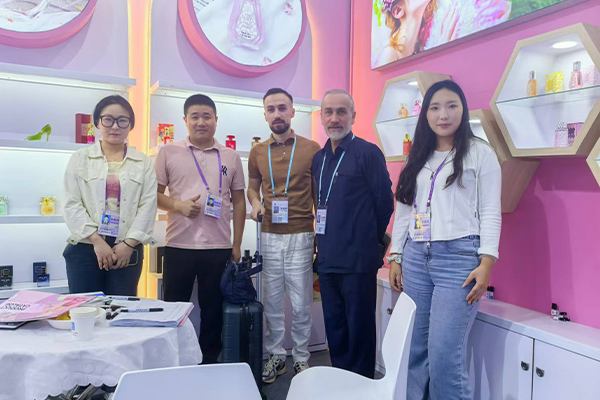
The Future of the Middle East Perfume Market: 6 Key Trends to Watch
Explore six major trends shaping the Middle East perfume market, from modern oud and clean fragrance to niche brands, sustainable packaging, social commerce, and China-based Shandong Aili Perfume Cosmetics OEM/ODM manufacturing.
The Middle East perfume market is entering a new stage of development. Fragrance remains deeply connected with regional culture, while younger consumers, digital commerce, international brands, and emerging local labels are changing how perfumes are created, marketed, and purchased.
For perfume manufacturers and private label brands, the opportunity is no longer simply to offer traditional oud or luxury packaging. The next stage of the Middle East fragrance market will increasingly combine traditional fragrance culture with modern perfumery, flexible product formats, digital marketing, sustainable packaging, and faster supply chains.
From our perspective at Shandong Aili Cosmetics Co., Ltd., six trends deserve particular attention.
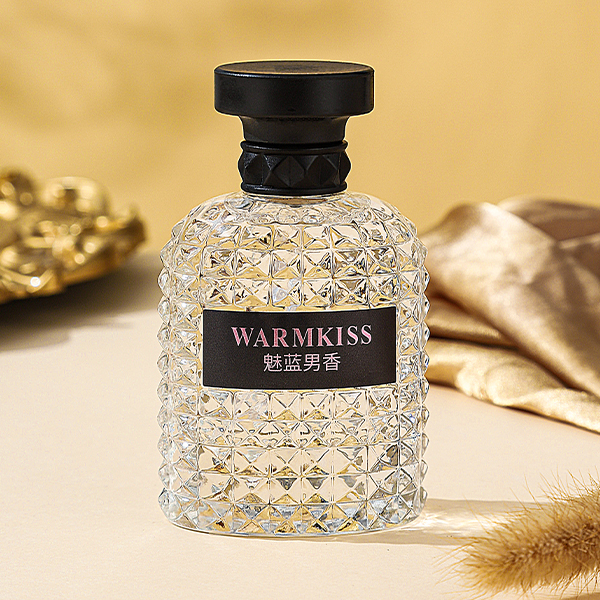
1. East-Meets-West Fragrance Profiles Will Become More Popular
Oud, amber, rose, musk, and saffron remain important elements of Middle Eastern fragrance culture. However, younger consumers are also showing interest in fresher and more contemporary fragrance experiences.
This is creating demand for East-meets-West perfumes that combine traditional Middle Eastern depth with modern Western fragrance styles.
For example, oud can be combined with citrus, pink pepper, vanilla, marine notes, or fruity accords to create a fragrance that feels sophisticated without being excessively heavy.
This trend gives private label perfume brands more room to develop differentiated products. Instead of choosing between traditional oud and modern Western perfume, brands can create hybrid fragrance collections that appeal to both regional consumers and international audiences.
2. Clean Beauty, Alcohol-Free and Perfume Oil Formats Will Expand
The demand for clean beauty is becoming increasingly relevant to fragrance development.
In the Middle East, religious and cultural considerations can also influence interest in halal-friendly fragrance products, alcohol-free perfumes, and perfume oils. At the same time, younger consumers are paying greater attention to ingredients, formulation transparency, and product experience.
This creates opportunities for:
- Alcohol-free perfume
- Water-based fragrance
- Perfume oil and attar
- Roll-on perfume
- Vegan fragrance products
- Clean-label fragrance concepts
For manufacturers, however, these products require appropriate formulation and stability testing rather than simply replacing alcohol with water or oil.
At Aili, we see product-format diversification as an important part of future fragrance development, particularly when brands want to offer different products under one fragrance identity.
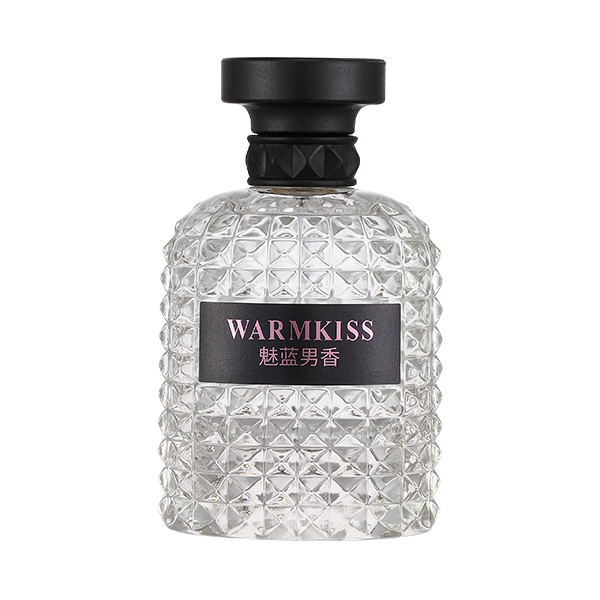
3. Niche Perfume and Independent Brands Will Continue to Grow
The Middle Eastern consumer is no longer limited to traditional luxury brands or major international names.
Younger consumers increasingly use fragrance to express personality and individuality. This supports the growth of niche perfume brands, indie fragrance brands, and direct-to-consumer (DTC) businesses.
Social media has accelerated this development. Attractive packaging, distinctive scent stories, layering concepts, and influencer marketing can allow a relatively young perfume brand to build awareness quickly.
For a perfume manufacturer, this means flexibility is becoming increasingly important. Emerging brands may require smaller initial quantities, faster sampling, customized fragrance development, and multiple product variations before committing to large-scale production.
4. Perfume Packaging Will Move Toward Modern Luxury and Sustainability
Traditional Middle Eastern perfume packaging is often associated with heavy glass, gold decoration, elaborate patterns, and strong visual luxury.
That style will not disappear, but it is evolving.
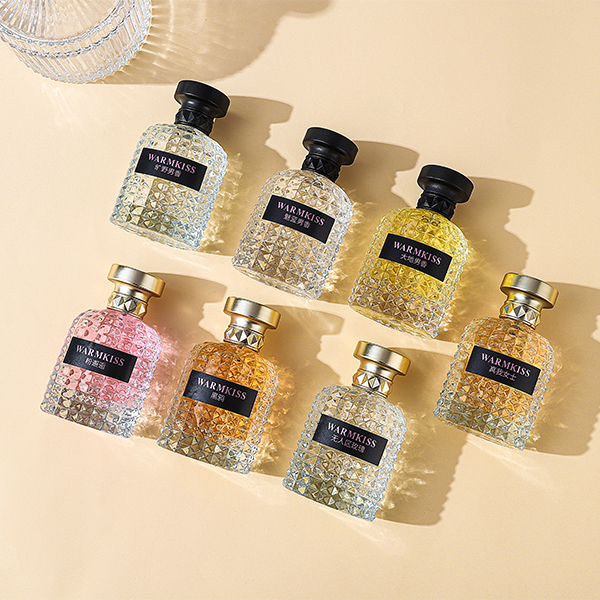
Younger consumers are increasingly interested in packaging that combines modern minimalism with Middle Eastern identity. Heavy-base glass bottles, magnetic caps, matte finishes, sophisticated decoration, and artistic bottle shapes can create premium value without relying entirely on traditional ornamentation.
Sustainability is another emerging consideration.
Refillable perfume bottles, refill packs, reduced-plastic packaging, and recyclable materials can become increasingly relevant in the premium fragrance segment.
For OEM/ODM manufacturers, packaging development therefore needs to balance four factors:
| Packaging Requirement | Market Consideration |
| Visual appeal | Brand identity and shelf impact |
| Premium feel | Perceived fragrance value |
| Sustainability | Consumer and brand expectations |
| Cost efficiency | Target retail price and channel |
At Aili, packaging coordination is an important part of our OEM/ODM service, allowing fragrance brands to develop bottles, caps, boxes, and finishing details alongside the fragrance itself.
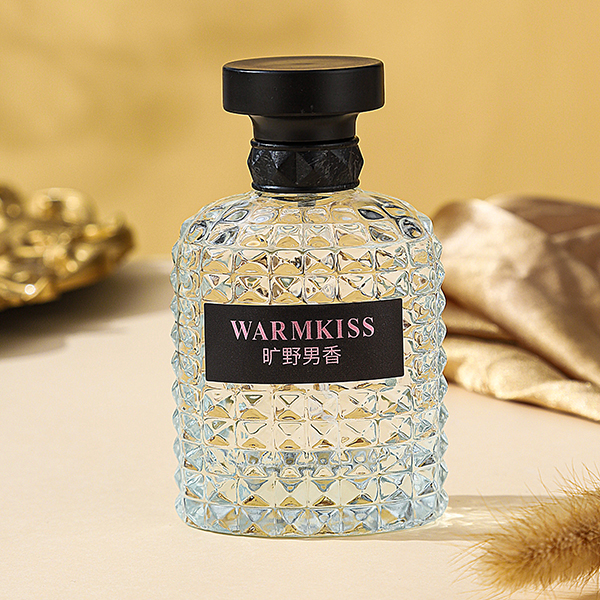
5. Social Commerce Will Reshape How Consumers Discover Perfume
The growth of TikTok, Instagram, Snapchat, influencers, and other social platforms is changing the traditional perfume buying journey.
A consumer may discover a fragrance through a short video, influencer recommendation, fragrance review, or layering tutorial before ever visiting a physical perfume store.
This supports the growth of social commerce and online perfume sales in markets such as Saudi Arabia and the UAE.
It also creates new opportunities for fragrance formats that are easier to introduce online, including:
- Discovery sets
- Sample collections
- Travel-size perfumes
- Roll-on fragrances
- Layering collections
- Gift sets
For brands, a fragrance now needs to perform not only on skin but also on a smartphone screen. Bottle design, product naming, packaging, storytelling, and social-media presentation can all influence online attention.
6. China-Based OEM/ODM Will Play a Larger Supply-Chain Role
One of the most significant opportunities for the future may be closer cooperation between Middle Eastern fragrance brands and Chinese perfume manufacturers.
As brands seek shorter development cycles, flexible MOQs, competitive costs, and integrated packaging supply chains, Chinese perfume OEM/ODM manufacturers can provide an alternative to relying exclusively on traditional European production sources.
China’s strength is particularly relevant to projects requiring multiple components, including fragrance formulation, glass bottles, spray pumps, caps, boxes, decoration, and mass production.
For Middle Eastern brands, the value is not simply lower manufacturing cost. A capable source factory can also provide:
Fragrance Development → Sampling → Packaging Development → Testing → Mass Production → Export Support
This integrated model can be particularly useful for independent brands and rapidly expanding fragrance businesses that need to test new products and respond quickly to market trends.
How Aili Cosmetics Is Preparing for the Next Middle East Fragrance Market
At Shandong Aili Cosmetics Co., Ltd., we view the future of Middle Eastern fragrance as a combination of regional fragrance culture and modern product development.
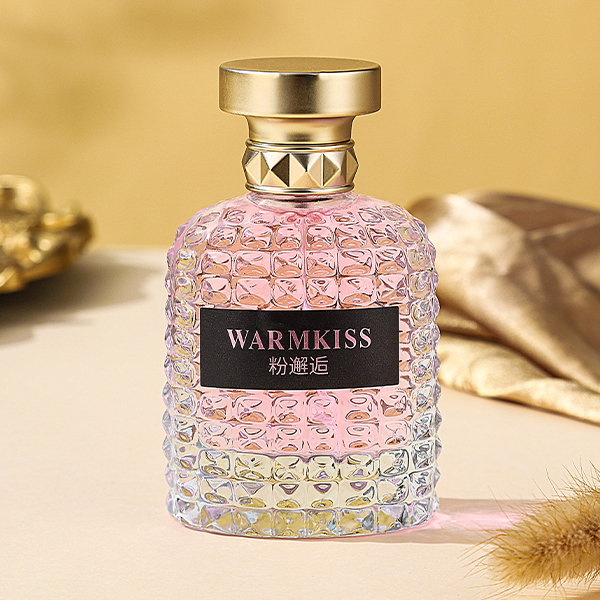
Founded in 1993, Aili has more than 30 years of cosmetics manufacturing experience. Our current perfume production system includes 48 production lines with capacity of around 300,000 bottles per day, supported by R&D, quality-control, packaging, and export capabilities.
Our fragrance-material sourcing includes major international fragrance houses such as Givaudan, Robertet, and Symrise, depending on project requirements.
For Middle Eastern customers, our OEM/ODM capabilities can support traditional oud-inspired products as well as modern floral, fruity, woody, amber, gourmand, perfume oil, body mist, and other fragrance formats.
More importantly, we can help customers develop the complete product—from fragrance concept and bottle selection to packaging, production, and export.
FAQ About the Future of the Middle East Perfume Market
What is the biggest future trend in the Middle East perfume market?
A major direction is the combination of traditional Middle Eastern fragrance elements with modern international perfumery, creating lighter, more contemporary and differentiated fragrance profiles.
Will oud perfume remain popular?
Oud is expected to remain an important part of Middle Eastern fragrance culture. However, its use is increasingly being combined with floral, citrus, fruity, vanilla, and other modern accords.
Are alcohol-free perfumes becoming more important?
Alcohol-free perfumes and perfume oils are gaining attention among consumers looking for alternative fragrance formats, including products aligned with specific cultural or formulation preferences.
Will niche perfume brands grow in the Middle East?
Independent and niche perfume brands have opportunities to grow as consumers increasingly seek distinctive scents, personalized fragrance experiences, and strong brand stories.
What packaging trends are emerging in Middle Eastern perfumes?
Modern luxury, artistic bottle design, premium materials, refillable formats, and more sustainable packaging are emerging alongside traditional decorative styles.
How is social media affecting perfume sales?
Social platforms increasingly influence fragrance discovery through influencers, reviews, short videos, layering content, and viral products, making social commerce an important part of the perfume purchasing journey.
Why are Middle Eastern brands working with Chinese perfume manufacturers?
Chinese OEM/ODM manufacturers can combine fragrance development, packaging sourcing, flexible production, competitive costs, and export services, helping brands shorten development cycles and manage multiple product components through one supplier.
Conclusion
The future of the Middle East perfume market will not be defined by one fragrance style or one type of consumer. Instead, it will develop through the combination of traditional oud culture, modern fragrance innovation, clean beauty, niche brands, premium packaging, social commerce, and increasingly integrated global supply chains.
For perfume brands, the key is to understand what should remain traditional and where consumers are ready for something new.
For manufacturers like Aili Cosmetics, this creates an opportunity to connect Middle Eastern fragrance preferences with modern Chinese OEM/ODM manufacturing capabilities, helping brands turn new fragrance concepts into scalable commercial products.