Understanding the Middle East Strong Demand for Fragrance Products
Discover why perfume is deeply rooted in Middle Eastern culture, from oud and rose to layering, climate and social traditions, and how Aili Perfume Cosmetics develops perfumes for Middle Eastern markets.
The Middle East is one of the world’s most fragrance-oriented markets. In countries such as Saudi Arabia, the UAE, Qatar and Kuwait, perfume is not simply a beauty product. Fragrance is closely connected with personal grooming, hospitality, social occasions, cultural traditions and everyday lifestyle.
For a perfume manufacturer such as Shandong Aili Cosmetics Co., Ltd., understanding these factors is essential when developing Middle East perfume products, Arabic perfumes, oud fragrances and private label perfume for regional customers.
Fragrance Is Deeply Rooted in Middle Eastern Culture
The strong demand for perfume in the Middle East has a long historical background. The region was an important center of ancient spice and fragrance trading, with materials such as frankincense, myrrh, rose and oud becoming deeply associated with local culture.
Oud, in particular, remains one of the most recognizable fragrance ingredients in the region. Its rich woody character can be found in traditional fragrances as well as modern Arabian perfume and niche perfume products.
Fragrance can also communicate personal taste, hospitality and lifestyle. As a result, consumers may evaluate a perfume not only by its scent but also by its intensity, longevity, bottle design and overall presentation.
Religious and Social Traditions Increase Fragrance Consumption
Fragrance also has an important place in many Muslim communities. Personal cleanliness and pleasant fragrance are traditionally valued, and perfume is commonly associated with religious occasions, family gatherings and celebrations.
Hospitality is another important factor. In traditional Arab gatherings, guests may be offered perfume or exposed to oud and bakhoor. Fragrance therefore becomes part of the experience of welcoming visitors.
This helps explain why perfume in the Middle East can have a much stronger everyday role than in markets where fragrance is primarily regarded as an occasional fashion accessory.
Hot Climate Creates Strong Demand for Long-Lasting Perfume
Climate is another practical reason behind the region’s high fragrance consumption.
Many Middle Eastern countries experience very hot weather for much of the year. High temperatures and perspiration increase consumers’ demand for products that provide a noticeable and lasting scent.
This is one reason long-lasting perfume, high-concentration perfume, and fragrances with strong projection are particularly relevant to the market.
Compared with lighter fragrance styles, Middle Eastern consumers often show stronger interest in perfume profiles built around:
| Popular Middle Eastern Fragrance Direction | Typical Characteristics |
| Oud | Deep, woody, rich and distinctive |
| Amber | Warm, sweet and long-lasting |
| Rose | Floral, luxurious and expressive |
| Saffron | Spicy, warm and sophisticated |
| Musk | Soft, sensual and persistent |
| Woody Oriental | Rich, deep and suitable for layering |
For an OEM/ODM perfume manufacturer, this means that a formula developed specifically for the Middle East may require a very different fragrance structure from one designed for East Asian markets.
Layering Makes Perfume a High-Frequency Product
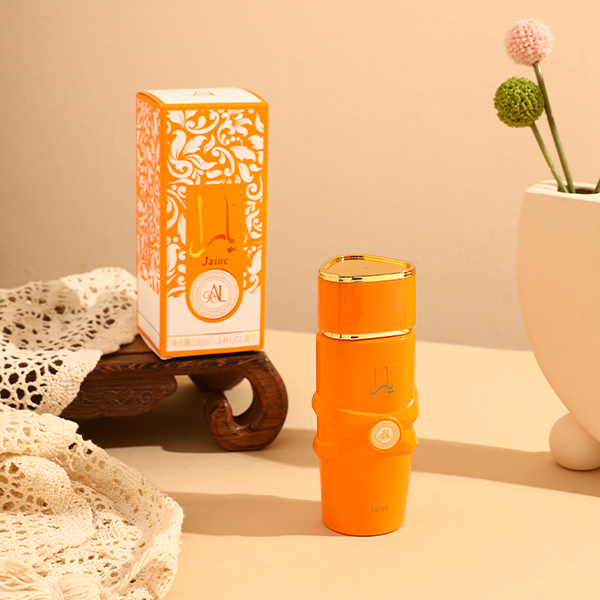
One of the most interesting characteristics of Middle Eastern fragrance culture is layering.
Consumers may combine several fragrance products rather than relying on a single perfume. A fragrance routine can include scented shower products, body lotion, perfume oil, bakhoor and spray perfume.
This creates opportunities beyond traditional EDP and Parfum products. A perfume brand targeting the Middle East can potentially develop a coordinated fragrance collection including:
- Eau de Parfum and Extrait de Parfum
- Perfume Oil and Attar
- Body Mist
- Scented body care
- Bakhoor and home fragrance
- Reed diffuser and other ambient fragrance products
For a Chinese fragrance factory, this also makes private label perfume and fragrance OEM/ODM particularly suitable for Middle Eastern brands looking to build a complete product family around one signature scent.
Perfume Has Strong Social and Personal Expression Value
Traditional clothing in the region also contributes to the importance of fragrance as a form of personal expression.
Perfume can provide something that clothing alone cannot: an individual olfactory identity. A distinctive scent can communicate elegance, confidence, personality and lifestyle before a person even begins a conversation.
For this reason, fragrance projection matters. A perfume with strong but well-balanced diffusion can be important for social occasions, celebrations and evening events.
This is also why Middle Eastern perfume buyers often pay close attention to fragrance concentration, longevity, sillage, bottle design and packaging quality.
Premium Packaging Matters in the Middle Eastern Perfume Market
For Aili, fragrance development does not stop at the perfume formula.
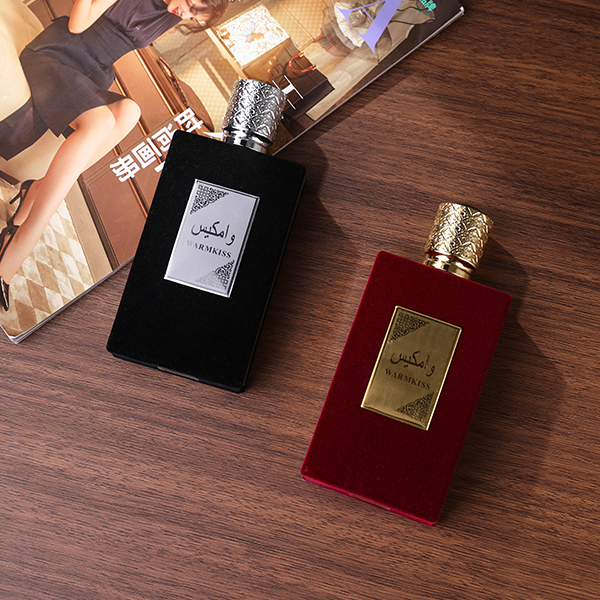
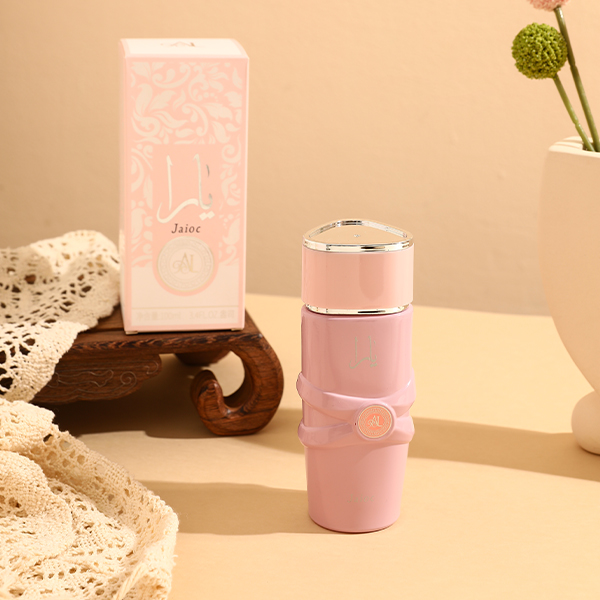
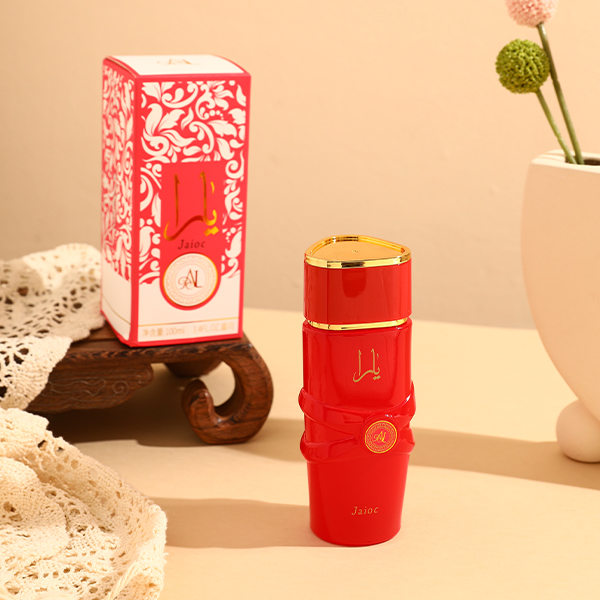
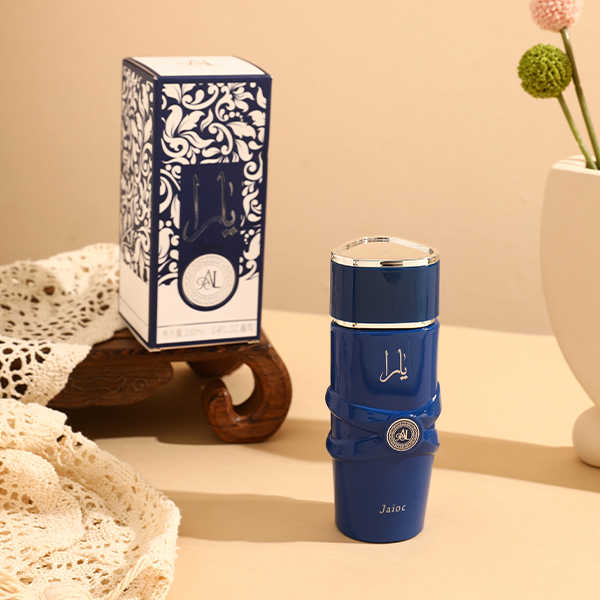
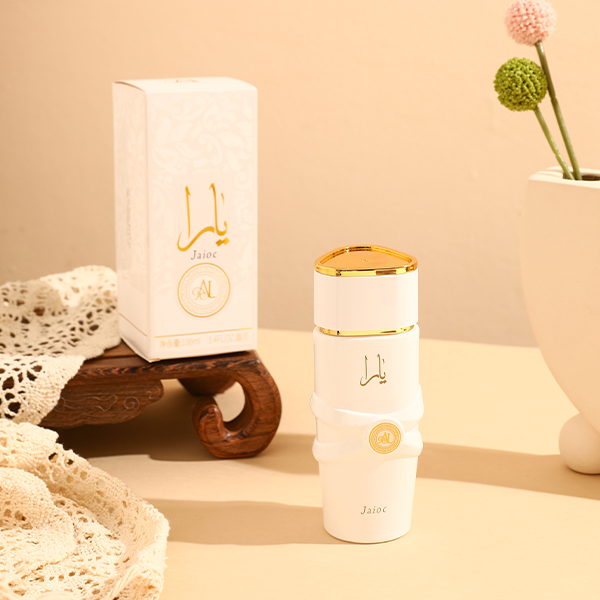
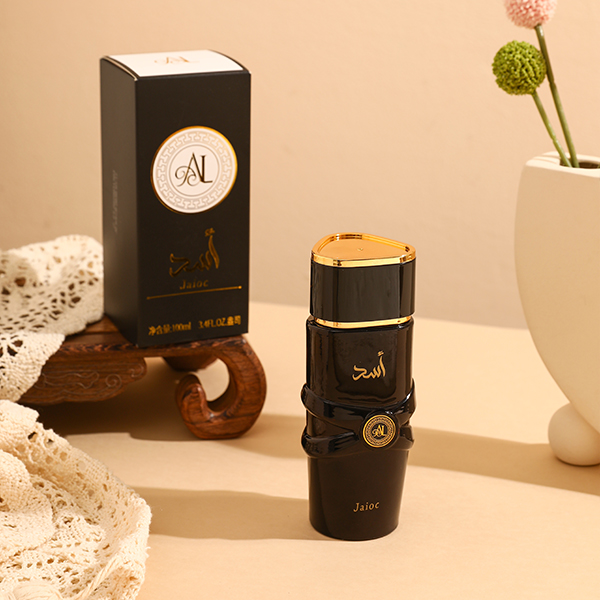
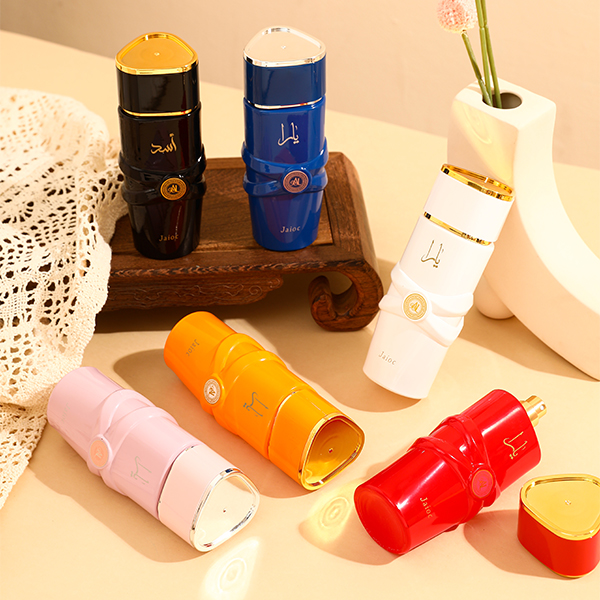
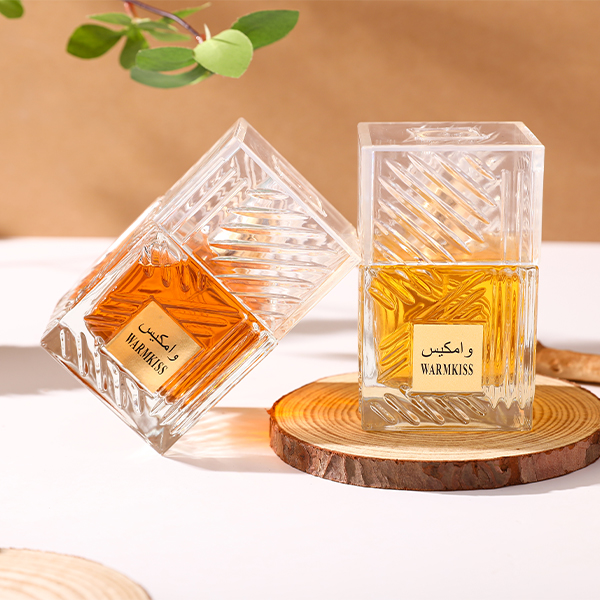
Middle Eastern customers often place considerable importance on visual presentation. Heavy glass bottles, metallic finishes, sophisticated caps, embossing, gold decoration and premium gift boxes can all contribute to the positioning of a perfume product.
A successful private label perfume manufacturer therefore needs to coordinate fragrance development with bottle selection, pump quality, cap design, decoration and secondary packaging.
At Aili, packaging development can be integrated into the OEM/ODM process, allowing customers to develop the fragrance and visual identity together rather than treating packaging as an afterthought.
Why Middle Eastern Brands Work With Chinese Perfume Manufacturers
The Middle Eastern market is not simply looking for inexpensive perfume. Buyers increasingly need suppliers capable of combining fragrance development, packaging customization, quality control and export support.
Shandong Aili Cosmetics has more than 30 years of manufacturing experience, with its factory established in 1993. Its current production system includes 48 perfume production lines and capacity of around 300,000 bottles per day, supporting both standard products and customized OEM/ODM orders.
Aili also sources fragrance materials from major international fragrance suppliers, including Givaudan and Robertet, giving customers access to a broad range of fragrance directions.
For Middle Eastern customers, the practical advantage is the ability to discuss the target market first and then develop the fragrance concentration, scent profile, bottle, packaging and production specification around that market.
What Types of Perfume Can Aili Develop for Middle Eastern Customers?
Aili can develop different fragrance formats according to a customer’s market positioning and sales channel, including:
| Product Type | Potential Middle Eastern Application |
| EDP | Everyday premium perfume |
| Extrait / Parfum | High-concentration luxury fragrance |
| Oud Perfume | Traditional and modern Arabian fragrance |
| Rose & Amber Perfume | Feminine, luxurious and oriental positioning |
| Perfume Oil | Layering and concentrated fragrance |
| Body Mist | Younger and lighter fragrance lines |
| Reed Diffuser | Home and hospitality fragrance |
| Private Label Perfume | Customized brand collections |
The exact formula, concentration and packaging should still be determined according to the customer’s target market, regulatory requirements and positioning rather than assuming that every Middle Eastern consumer wants the same fragrance.
FAQ About the Middle Eastern Perfume Market
Why is perfume so popular in the Middle East?
Perfume is connected with cultural traditions, personal grooming, hospitality, religious occasions, social activities and personal expression. The hot climate also increases the practical demand for noticeable and long-lasting fragrance.
What perfume scents are popular in the Middle East?
Oud, rose, amber, musk, saffron and rich woody or oriental accords are important fragrance directions. Modern consumers also increasingly explore combinations of traditional Middle Eastern ingredients with contemporary Western perfumery.
Do Middle Eastern consumers prefer strong perfume?
Many consumers show strong interest in high-concentration fragrances with noticeable projection and long-lasting performance. However, preferences vary by country, age group, brand positioning and individual taste.
Is oud perfume still popular in the Middle East?
Yes. Oud remains an important fragrance material in the region and is widely used in both traditional and contemporary perfume compositions.
Can Chinese perfume factories develop products specifically for Middle Eastern customers?
Yes. An experienced OEM/ODM manufacturer can adjust fragrance profiles, concentration, packaging and product formats according to the customer’s target market and brand positioning.
What packaging is suitable for Middle Eastern perfume?
Premium glass bottles, distinctive caps, metallic decoration, embossing, gold finishes and high-quality gift boxes are commonly considered for luxury-oriented products. The final design should reflect the brand rather than simply copying traditional Arabian packaging.
Conclusion: Middle Eastern Perfume Demand Is Driven by More Than Fragrance
The strong demand for perfume in the Middle East comes from several factors working together: deep-rooted fragrance culture, religious and social traditions, hot climate, layering habits, personal expression and strong interest in premium fragrance products.
For Shandong Aili Cosmetics, the opportunity is not simply to manufacture another bottle of perfume. The more important task is to understand what the customer is trying to achieve in the Middle Eastern market and translate that requirement into an appropriate fragrance formula, concentration, packaging, product format and OEM/ODM solution.
This market-specific approach allows a Chinese fragrance manufacturer to move beyond standard contract manufacturing and provide a more complete fragrance development service for Middle Eastern perfume brands.