
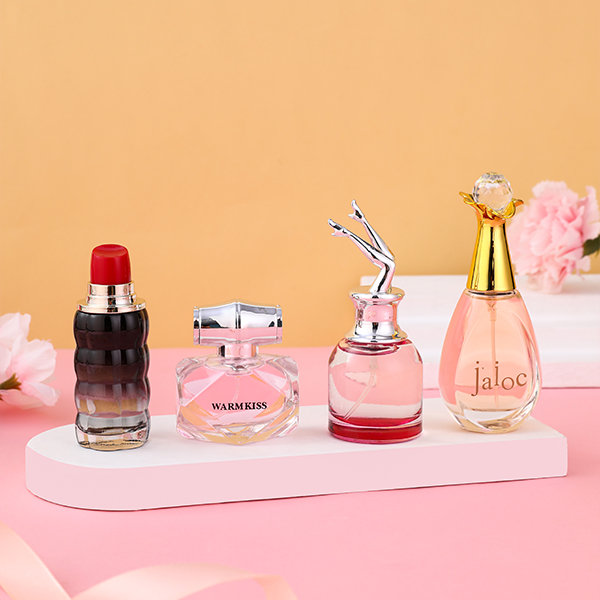
Two Emerging Markets with Different Consumption Patterns
Comparar del sudeste asiático y South American perfume fragrance markets by consumer preferences, fragrance formats, packaging, distribution channels and regulations. Explore perfume fragrance OEM/ODM manufacturing opportunities con Shandong Aili Cosmetics.
Sudeste Asiático y South America are important growth markets for the global fragrance industry, but their commercial structures are quite different. Southeast Asia, including Indonesia, Thailand, Vietnam and Malaysia, is strongly influenced by young consumers, social commerce and demand for convenient fragrance products. South America, led by Brazil and supported by markets such as Colombia, Chile, Argentina and Peru, has a well-established culture of frequent fragrance use, with strong demand for everyday colognes and body sprays.
Para Chinese perfume fragrance manufacturers and importers, these differences affect more than fragrance selection. They influence bottle capacity, packaging materials, product positioning, distribution and regulatory preparation. At Shandong Aili Cosmetics S.L., we believe that successful market development begins with matching the product to local purchasing and usage habits rather than offering the same collection to every region.
1. Consumer Culture and Fragrance Preferences
Southeast Asia: Personal Expression and Convenient Daily Fragrance
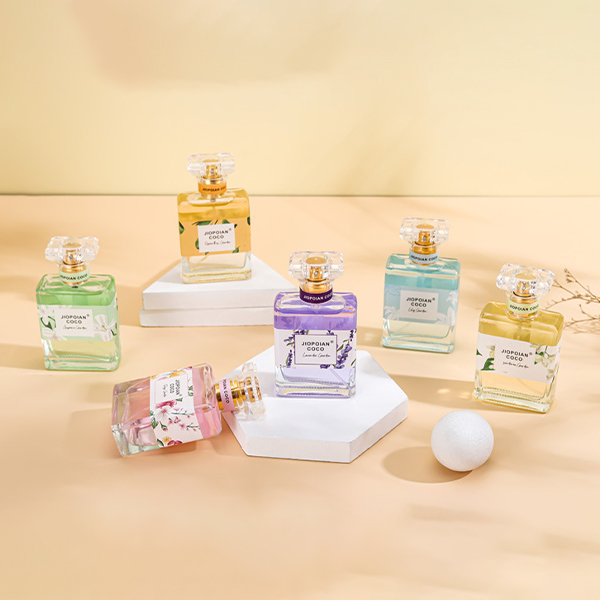
In Southeast Asia, perfume is increasingly associated with personal style, grooming and lifestyle expression. Younger consumers discover new products through TikTok, Instagram, beauty creators and online marketplaces. Local brands also draw inspiration from regional ingredients and familiar scent experiences, including tropical fruits, tea, white flowers and local beverages.
Fresh citrus, fruity, floral, aquatic and soft musk profiles are useful starting points for product development. However, preferences vary by country and customer segment. Sweet gourmand, woody and stronger oriental-inspired fragrances also have their audiences.
The hot and humid climate makes wearability important. Consumers may prefer fragrances that feel comfortable during commuting, studying and daily activities. Compact 10ml sprays, 30ml perfume bottles, roll-ons and body mists can serve travel, handbag and trial-purchase scenarios.
South America: Frequent Use and Everyday Fragrance Consumption
South America has a particularly developed everyday fragrance culture. Brazil is the region’s most influential market, where Deo Colônia and body splash products occupy important positions alongside traditional eau de parfum.
Consumers may apply fragrance after bathing, before work or when going out. This creates demand for products intended for regular and relatively generous use. Fresh citrus, tropical fruits, floral notes and sweet compositions are common development directions, while stronger woody, amber and oriental-inspired fragrances have also gained visibility in some online channels.
It is important not to treat the region as one uniform market. Brazil’s fragrance habits and local industry differ from those of Argentina, Chile, Colombia and Peru. Importers should validate preferences and price positioning country by country.
2. Product Formats, Bottle Sizes and Packaging
One of the clearest differences between the two regions is the role of product capacity and application format.
| Product consideration | Sudeste Asiático | South America |
| Common development formats | EDT, EDP, body mist, roll-on | Deo Colônia, body splash, EDP |
| Useful capacity options | 10ml, 30ml, 50ml and 100ml | 100ml, 150ml, 200ml and 250ml |
| Main usage scenarios | Daily wear, commuting, travel and fragrance discovery | After bathing, daily grooming and social occasions |
| Packaging priorities | Compact size, visual appeal and portability | Practical dispensing, cost control and larger capacity |
These are product-development options, not fixed market-wide standards. Actual demand depends on brand positioning, retail channel and target customer.
For Southeast Asian perfume OEM projects, a 30ml glass bottle with a fine-mist spray pump can provide a practical balance between portability and presentation. A 10ml travel spray or roll-on can complement the main product. Transparent or lightly tinted glass, compact caps and clearly printed labels are useful packaging directions.
For South America, larger formats deserve particular attention. A 200ml body splash bottle may use PET or another suitable lightweight packaging material, while a 150ml or 250ml Deo Colônia can be developed with a spray pump designed for repeated daily use. Bottle grip, closure security, label adhesion and carton protection matter during storage and long-distance transportation.
The product formula must also match the dispensing system. A fragrance intended for a fine-mist pump may require different viscosity and compatibility checks from a body splash in a larger spray package.
3. Distribution Channels and Brand Competition
Southeast Asia: Social Commerce and Beauty Retail
Shopee, Lazada and TikTok Shop are important discovery and sales channels in many Southeast Asian markets. Short videos, livestream demonstrations, influencer recommendations and customer reviews can quickly introduce new fragrance products.
Offline distribution remains relevant. Watsons, Guardian and local beauty retailers provide opportunities for consumers to test products before purchasing. For emerging brands, coordinated online and offline positioning can help build recognition.
This environment encourages flexible product development, but rapid online exposure does not guarantee long-term sales. Consistent formula quality, packaging reliability and repeat-purchase value remain essential.
South America: Established Local Brands and Multiple Sales Channels
South America’s fragrance distribution landscape is strongly shaped by established local companies. Brazil’s Natura and O Boticário illustrate the importance of local brand recognition, retail networks and direct-selling relationships.
At the same time, Mercado Libre, Shopee and other online channels give independent brands and importers additional routes to consumers. Compared with a purely online launch, entering established retail or direct-selling networks may require more attention to local partners, product registration, pricing and after-sales support.
For overseas suppliers, identifying an importer with relevant market experience is often more important than simply finding a distributor with a large product catalogue.
4. Regulatory Requirements and Import Considerations
Southeast Asia does not operate under one single cosmetic registration system. Indonesia, Malaysia and Thailand have their own regulatory authorities and notification procedures. ASEAN harmonization provides a common framework, but it does not eliminate country-level notification, local responsible-person requirements or labeling obligations.
Indonesia also requires particular attention to Halal compliance. Under the regulatory adjustment announced in 2026, the phased deadline for mandatory Halal certification of cosmetics has been extended to October 17, 2028. Exporters should still assess ingredient origin, production controls, documentation and the requirements applicable to their importer and product category before shipment.
South America also requires country-specific planning. Brazil’s ANVISA framework under RDC 907/2024 governs the classification, labeling and regularization of cosmetics, personal-care products and perfumes. Ordinary perfumes are generally exempt from pre-market registration and follow a notification procedure; it would therefore be inaccurate to assume that every perfume requires formal product registration. The Brazilian responsible company must handle the applicable local procedures and labeling obligations.
Other South American markets have their own requirements. Colombia, Peru, Chile and Argentina should not be treated as interchangeable regulatory destinations. Importers should confirm local sanitary notification, documentation, language and customs requirements before production.
Import duties, freight costs, exchange rates and local taxes also influence the final landed cost. Although local filling or semi-finished fragrance supply may be considered by larger buyers, it is not automatically more economical. The decision depends on tariff classification, local manufacturing capability, regulatory responsibilities and total logistics costs.
5. How Perfume Manufacturers Should Adapt Their OEM/ODM Strategy
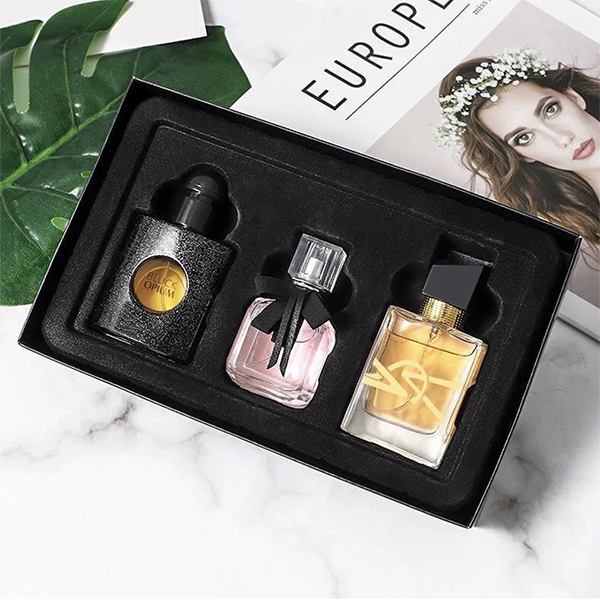
For Southeast Asia, manufacturers should prepare a flexible collection of compact EDP and EDT bottles, travel sprays, roll-ons and body mists. Fresh, fruity, floral and tea-inspired fragrance directions can provide a useful starting range, while country-specific testing helps refine the final assortment. Packaging should be visually distinctive without making the product unnecessarily heavy or expensive.
For South America, manufacturers should pay closer attention to larger-volume Deo Colônia and body splash products, alongside 100ml EDP options. Lightweight bottles, dependable spray pumps, secure caps and transport-ready cartons can help control packaging and logistics costs.
At Shandong Aili Cosmetics, we provide fragrance product development and OEM/ODM manufacturing for different market requirements. Our product scope includes perfume, body mist and related fragrance products, supported by bottle, pump, cap, label and outer-carton options. With more than 30 years of manufacturing experience, 48 perfume production lines and daily perfume production capacity exceeding 300,000 bottles, we can discuss product specifications and packaging combinations with brand owners, importers and distributors.
Our approach is not to assume that one formula or bottle design will suit every country. We work with buyers to evaluate fragrance direction, concentration, capacity, packaging structure and target retail positioning before confirming a production plan.
Preguntas frecuentes
- What is the main difference between Southeast Asian and South American perfume markets?
Southeast Asia has strong demand for convenient, lifestyle-oriented fragrance products and digitally promoted brands. South America, particularly Brazil, has a well-established everyday fragrance culture and significant demand for Deo Colônia and body splash.
- Which perfume sizes are suitable for Southeast Asia?
Useful development options include 10ml travel sprays, 30ml and 50ml perfume bottles, and 100ml products. The right size depends on the target customer and sales channel.
- Why are large-capacity fragrance products important in Brazil?
Deo Colônia and body splash are commonly used for regular personal fragrance application. Larger bottles, such as 150ml, 200ml and 250ml, can therefore be relevant to everyday-use product lines.
- Are Deo Colônia and eau de parfum the same product?
No. They are different fragrance product formats and market descriptions. Buyers should confirm the intended formula, fragrance concentration, labeling and local classification rather than relying on the product name alone.
- Does Indonesia require Halal certification for cosmetics?
Indonesia has a mandatory Halal certification framework for cosmetics, with the applicable transition deadline extended to October 17, 2028. Exporters should confirm current requirements and documentation with their Indonesian importer and certification partners.
- Do all perfumes imported into Brazil require ANVISA registration?
No. Under the current framework, ordinary perfumes are generally exempt from pre-market registration and follow a notification procedure. The Brazilian responsible company must confirm and complete the applicable regularization process.
- Can one perfume collection serve both Southeast Asia and South America?
Some fragrance concepts can be adapted for both regions, but capacity, packaging, product format and marketing position may need adjustment. A compact EDP range and a larger body-splash range, for example, serve different usage scenarios.
- What should buyers provide when requesting a perfume OEM quotation?
Buyers should specify the target country, product type, fragrance direction, concentration, bottle capacity, packaging materials, expected order quantity and any local compliance requirements. These details help manufacturers prepare a more accurate proposal.
Conclusión
Sudeste Asiático y South America both offer opportunities for fragrance brands and OEM/ODM suppliers, but they reward different product strategies. Southeast Asia places considerable value on convenient formats, visual presentation and digital brand discovery. South America, especially Brazil, offers a substantial market for everyday fragrance products, including larger-capacity Deo Colônia and body splash.
For manufacturers, the practical priority is to develop products around local usage habits, packaging requirements and regulatory conditions. At Shandong Aili Cosmetics, we see market-specific product planning—not simply exporting the same perfume collection everywhere—as an important foundation for sustainable cooperation with international buyers.