
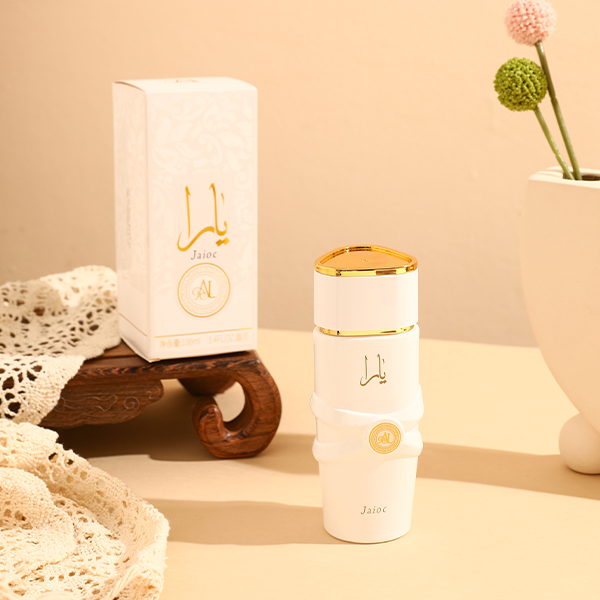
Global Fragrance Market 2026
Explore the 2026 global fragrance market by Shandong Aili Perfume Cosmetics, China perfume exports, affordable fragrance trends, regional demand and opportunities for Chinese perfume OEM/ODM manufacturers.
The global fragrance industry is entering 2026 with a rather unusual combination of pressure and opportunity. Inflation, geopolitical tensions, slower economic growth and changing consumer confidence continue to affect discretionary spending. Yet fragrance remains one of the more resilient categories in beauty and personal care.
For Shandong Aili Cosmetics Co., Ltd., a Chinese fragrance manufacturer with more than 30 years of manufacturing experience, the more important question is not simply whether people are still buying perfume. They clearly are. The real question is what they are buying, where they are buying it, and what type of supplier they expect to work with.
Current market evidence points to continued global fragrance growth, but the growth is becoming increasingly polarized between premium products, affordable fragrances, discovery formats, body sprays, private-label products and highly differentiated niche concepts.
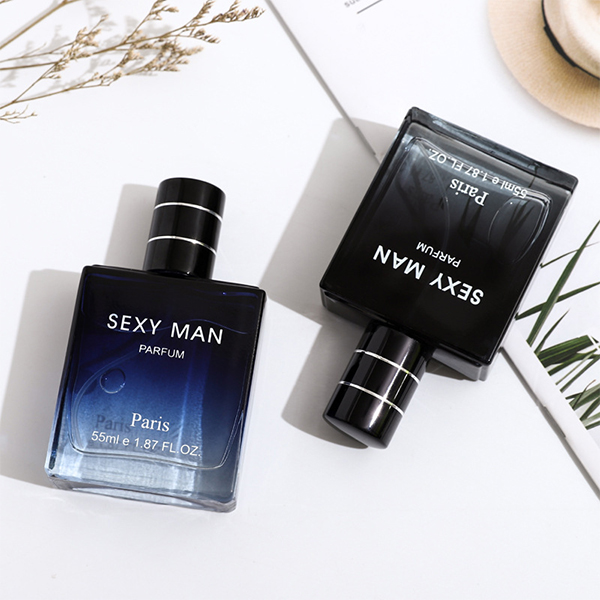
The Global Fragrance Market Is Still Growing in 2026
Current market estimates indicate that the worldwide fragrances market is worth approximately US$56.65 billion in 2026, with projected annual growth of about 4.28% through 2031. Non-luxury fragrances are expected to account for approximately 61% of global fragrance sales in 2026.
This is important because it challenges the assumption that economic pressure automatically means consumers stop buying fragrance.
Instead, consumers are becoming more selective.
Fragrance increasingly works as an affordable form of self-expression, personal enjoyment and emotional consumption. Younger consumers in particular are treating perfume as part of their daily identity rather than an occasional luxury purchase. In the United States, Gen Z fragrance usage has risen significantly, while recent industry research shows that fragrance remains one of the fastest-growing beauty categories.
For fragrance manufacturers, this creates a larger potential customer base—but also a more fragmented one.
The Biggest Change Is Not Demand, but Consumer Polarization
The fragrance market is increasingly divided into two apparently opposite directions.
At one end are premium eau de parfum, parfum, niche fragrance and luxury products. At the other are affordable perfumes, body sprays, miniatures, discovery sets and fragrance alternatives.
Both can grow simultaneously.
In the U.S. during the first half of 2025, prestige fragrance sales increased 6% to US$3.9 billion, while fragrance in the mass market grew 17%, making it the fastest-growing mass beauty category. Mini and travel-size fragrance units also increased 15%.
This is a crucial signal for Chinese perfume OEM manufacturers.
The opportunity is not necessarily concentrated in producing cheaper versions of luxury perfumes. It is increasingly about creating products that deliver strong perceived value at an accessible price.
| Consumer Trend | Product Opportunity for Manufacturers |
| Value-conscious purchasing | Affordable EDP and everyday perfume |
| Fragrance discovery | Mini perfume and discovery sets |
| Social-media trends | Fast product development and flexible OEM |
| Premiumization | Higher-concentration EDP and parfum |
| Convenience | Body mist and portable fragrance |
| Personalization | Private label and custom fragrance |
| Gender-fluid consumption | Unisex and gender-neutral fragrances |
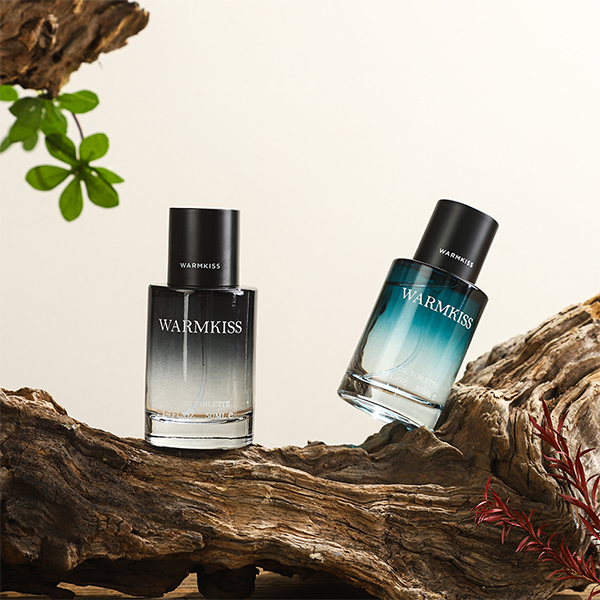
“Dupe Culture” Is Becoming a Major Commercial Force
One of the clearest changes in the fragrance business is the normalization of affordable alternatives.
This does not mean that consumers have abandoned luxury fragrance. Rather, many consumers now want to own several fragrances without paying luxury prices for every bottle.
Circana reported that mass-market fragrance sales in the U.S. grew 17% in the first half of 2025, with affordable alternatives and “dupe culture” helping drive demand.
More recent 2026 research shows that 51% of beauty buyers surveyed had purchased a beauty dupe, while fragrance represented 15% of beauty-dupe purchases.
For Chinese suppliers, this trend creates opportunities in private label perfume manufacturing, affordable fragrance OEM, body mist production and fast-turnaround fragrance development.
However, professional manufacturers should focus on creating original fragrance concepts and legally compliant products rather than simply copying protected brands, packaging or trademarks.
China’s Perfume Exports Are Growing, but the Export Structure Is Changing
China’s export data provides another useful perspective.
Under HS 330300, covering perfumes and toilet waters, China exported approximately US$509.6 million worth of products in 2024, with an export quantity of about 74.79 million kg. In 2023, the corresponding value was approximately US$367.4 million and volume about 53.07 million kg.
That represents substantial year-on-year expansion in reported export value and volume.
The United States remained an important destination, accounting for approximately US$91.6 million of China’s 2024 exports under this HS code. Hong Kong, the Netherlands, the United Kingdom and the United Arab Emirates were also major destinations.
However, these figures should not be interpreted as meaning that every segment of China’s perfume industry is booming equally.
China’s export opportunity is increasingly divided between:
- Traditional OEM/ODM manufacturing
- Affordable mass-market fragrance
- Private-label perfume
- Body mist and fragrance-related products
- Cross-border e-commerce supply chains
- Fast product development for emerging brands
This is where China’s manufacturing advantage becomes particularly important.
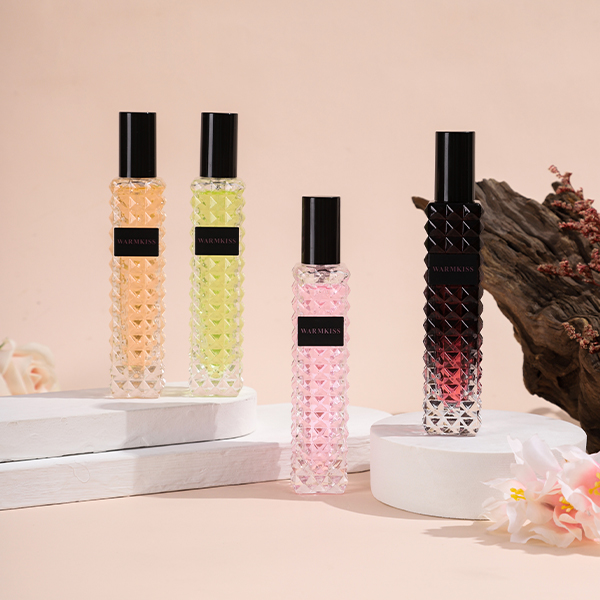
Why Chinese Perfume Manufacturers Remain Competitive
The competitive advantage of a Chinese fragrance manufacturer is no longer simply low labor cost.
The stronger advantage is the integration of the entire supply chain.
A perfume project can involve fragrance development, bottles, pumps, caps, labels, cartons, filling, assembly, quality control and logistics. A mature Chinese factory can coordinate these components within one manufacturing ecosystem.
For international brands, this reduces development time and supplier-management costs.
At Aili Cosmetics, our experience in perfume manufacturing has shown that overseas buyers increasingly want more than a simple product supplier. They want a partner capable of supporting OEM perfume development, private-label fragrance, packaging customization, product selection and scalable production.
Which Markets Offer the Best Opportunities?
The global opportunity is becoming more regionalized.
| Region | Current Opportunity | Suitable China-Sourced Products |
| North America | Value fragrance, body mist, minis, niche brands | Private label, EDP, body mist |
| Europe | Premium, niche, compliance-driven products | OEM/ODM and differentiated fragrance |
| Middle East | Strong fragrance culture and premium scents | EDP, parfum, oud-inspired and custom fragrance |
| Latin America | Affordable fragrance and growing beauty consumption | Mass perfume and private label |
| Southeast Asia | Young consumers and e-commerce | Affordable perfume, body mist, OEM |
| Africa | Price-sensitive but expanding fragrance demand | Mass-market and flexible private label |
The Middle East remains strategically important for fragrance because scent is deeply embedded in local culture and daily life. At the same time, Southeast Asia and Latin America offer attractive opportunities for manufacturers capable of combining competitive pricing with attractive packaging and flexible MOQs.

What Does This Mean for A Chinese Perfume Factory in 2026?
From Aili Cosmetics’ perspective, the key lesson is straightforward:
The global perfume market does not need fewer suppliers. It needs more capable and more specialized suppliers.
The traditional model—waiting for large buyers at trade fairs and relying on a few annual orders—is becoming less reliable.
The new model is based on continuous product development, digital customer acquisition, flexible production and market-specific solutions.
For a private label perfume manufacturer in China, this means investing in:
- Custom fragrance development
- Flexible OEM/ODM services
- Competitive but sustainable pricing
- Attractive packaging development
- Faster sampling and product iteration
- Strong quality-control systems
- SEO and digital B2B marketing
- Direct communication with overseas brands and distributors、
Frequently Asked Questions
Is the global perfume market growing in 2026?
Yes. Current market estimates indicate continued global growth, although the pace varies by market and product segment. The strongest opportunities are increasingly concentrated in affordable fragrance, premium concentration formats, discovery products and differentiated niche concepts.
Are consumers reducing perfume purchases because of inflation?
Not necessarily. Consumers are becoming more value-conscious rather than abandoning fragrance. U.S. data shows strong growth in both prestige and mass fragrance, indicating that consumers are reallocating spending across price tiers.
Is China increasing its perfume exports?
China’s reported HS 330300 exports increased substantially between 2023 and 2024, reaching approximately US$509.6 million and 74.79 million kg in 2024.
What Chinese perfume products have the strongest export potential?
Affordable EDP, private-label perfume, body mist, mini fragrances, discovery sets and customized fragrance products are particularly relevant to current market trends. However, demand differs significantly by region.
Why is private-label perfume becoming attractive?
Private-label fragrance allows overseas brands, retailers and distributors to develop differentiated products without building their own perfume manufacturing infrastructure. It is particularly suitable for emerging brands that need flexible product development and scalable production.
Is China a good sourcing location for perfume OEM/ODM?
China remains highly competitive because of its integrated packaging, manufacturing and supply-chain capabilities. Buyers should nevertheless evaluate fragrance development, quality control, compliance, MOQ, production capacity and export experience rather than choosing suppliers based only on price.
Conclusion: Global Fragrance Demand Is Changing, Not Disappearing
The global fragrance market in 2026 should not be described simply as a booming market or a declining market.
It is a structurally divided market.
Premium fragrance continues to attract consumers willing to pay for concentration, craftsmanship and brand value, while affordable fragrance, body sprays, mini sizes and dupe-inspired purchasing are expanding the consumer base. Digital platforms are accelerating discovery, and younger consumers are treating fragrance as a form of personal identity and emotional expression.
For China’s fragrance industry, this creates a significant opportunity.
The winners will not necessarily be the factories producing the cheapest perfume. They will be manufacturers capable of combining fragrance development, OEM/ODM expertise, packaging capability, quality control, flexible production and international market understanding.
As a Chinese perfume manufacturer with more than three decades of experience, Shandong Aili Cosmetics Co., Ltd. sees the future of fragrance manufacturing not as a race toward lower prices, but as a transition toward better products, faster development, stronger customization and closer cooperation with global fragrance brands.