
2026 Middle East Fragrance Market
The Middle East has always been different from most global fragrance markets. Explore how the 2026 Middle East conflict is reshaping fragrance demand, product preferences, sourcing and supply chains, with insights from Shandong Aili Cosmetics.
In Europe and North America, perfume can be positioned primarily as beauty, fashion or personal luxury. In the Middle East, fragrance is much more deeply connected with personal grooming, hospitality, cultural traditions and social identity. Oud, musk, amber, rose, incense and concentrated perfume oils have long been part of everyday life.
That makes the region unusually resilient.
In 2026, however, the Middle East fragrance industry is operating under extraordinary conditions. Conflict around the region, disruptions affecting the Strait of Hormuz and Red Sea shipping routes, higher freight and insurance costs, and greater supply-chain uncertainty are changing how importers purchase and how consumers choose products. The International Maritime Organization reported that hundreds of vessels and thousands of seafarers had been affected by the prolonged Hormuz crisis.
From the perspective of Shandong Aili Cosmetics Co., Ltd., a Chinese perfume manufacturer with more than 30 years of manufacturing experience, the key question is therefore not whether Middle Eastern consumers still want fragrance.
The more important question is where the demand is moving and what kind of fragrance supplier can serve it reliably.
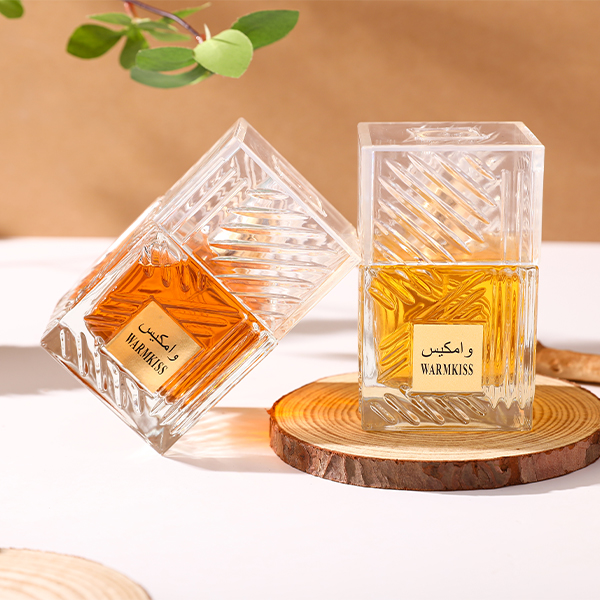
The GCC Remains the Core of Middle East Fragrance Demand
The first major change is geographic concentration.
While conflict and economic pressure are affecting different Middle Eastern markets to very different degrees, the GCC—particularly Saudi Arabia, the UAE, Qatar and Kuwait—remains the most commercially attractive part of the regional fragrance market.
Market estimates vary according to methodology and product coverage, but Mordor Intelligence estimates the GCC fragrances and perfumes market at approximately US$4.38 billion in 2026, up from US$4.22 billion in 2025, with a projected 3.9% CAGR through 2031. Saudi Arabia represents the largest national market within the GCC.
The UAE provides another useful example. Euromonitor reports that UAE fragrance retail sales reached approximately AED 3.78 billion in 2025, representing 11% growth year on year.
This suggests that regional instability has not simply eliminated fragrance demand. Instead, purchasing power and commercial activity are becoming more concentrated in markets with stronger infrastructure, higher disposable incomes and better access to international logistics.
| Market | 2026 Commercial Outlook | Key Opportunity |
| Saudi Arabia | Very strong | EDP, oud, premium and private label |
| UAE | Very strong | Premium, niche, e-commerce and re-export |
| Qatar | Attractive | Premium and concentrated fragrances |
| Kuwait | Attractive | Oud, oriental and premium perfume |
| Oman | Selective | Traditional fragrance and mass market |
| Conflict-affected markets | Higher risk | Affordable products and localized distribution |
For Chinese perfume OEM manufacturers, this means that a general “Middle East market” strategy is becoming less effective. Saudi Arabia and the UAE should be treated as distinct strategic markets rather than simply two countries within a broad regional category.
Conflict Is Creating a “Just-in-Case” Purchasing Model
One of the biggest changes is taking place on the B2B side.
Before the current crisis, many importers could operate with relatively predictable shipping schedules and relatively lean inventories. In an unstable logistics environment, that assumption becomes dangerous.
The result is a shift from just-in-time purchasing toward just-in-case inventory planning.
Recent reporting shows that shipping through the Strait of Hormuz has faced severe disruption, while freight, insurance and routing costs have increased substantially.
For fragrance importers, this creates several practical consequences:
- Greater preference for suppliers with stable production capacity
- Higher interest in ready-to-ship inventory
- Earlier purchasing and replenishment decisions
- Greater attention to shipping documentation
- Increased interest in regional warehouses
- Less tolerance for unpredictable lead times
For a private label perfume manufacturer in China, reliability may therefore become almost as important as price.
A factory offering competitive pricing but unpredictable delivery can lose to a slightly more expensive supplier capable of maintaining stable production and logistics.
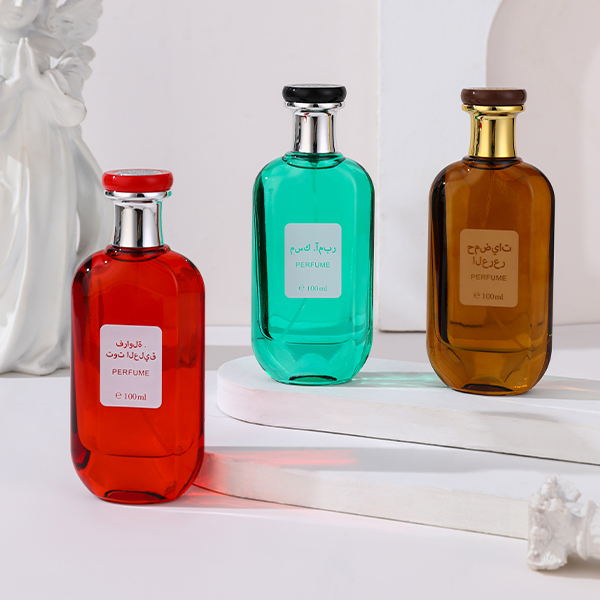
Product Demand Is Moving Toward Concentration and Value
The second major change concerns product format.
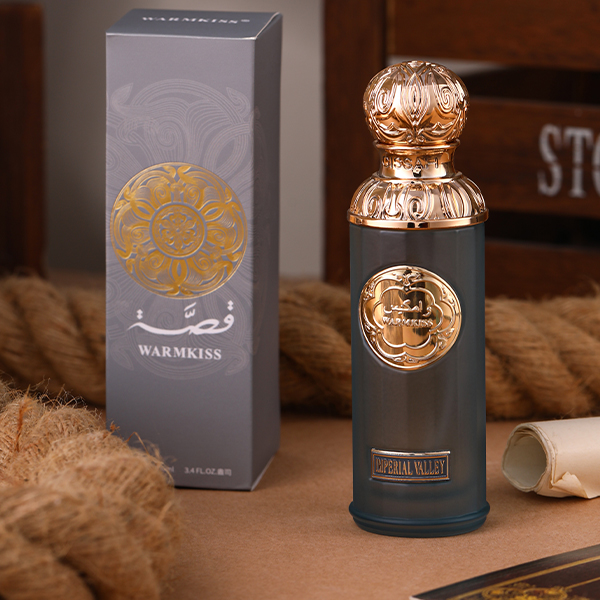
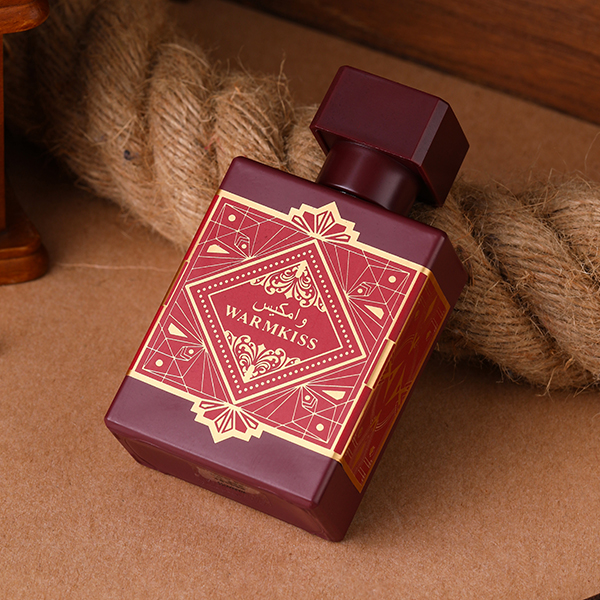
Middle Eastern consumers have traditionally shown strong preferences for long-lasting and highly concentrated fragrances. Oud-based perfume, attar, musk, amber and concentrated oriental fragrances remain culturally important.
However, the current economic environment is also encouraging a stronger value orientation among mass-market consumers.
This creates a two-level opportunity:
Premium consumers: concentrated perfume, niche fragrances, oud-based products and sophisticated packaging.
Mass-market consumers: affordable EDP, perfume oils, body sprays, smaller formats and private-label alternatives.
The market is therefore not simply moving toward “cheaper perfume.” It is becoming more polarized.
| Consumer Segment | Preferred Direction | Suitable Product |
| High-income consumers | Concentration + exclusivity | Extrait, premium EDP, niche fragrance |
| Middle-income consumers | Value + performance | Long-lasting EDP |
| Younger consumers | Trend + affordability | Unisex perfume, body mist, discovery sets |
| Traditional fragrance users | Cultural familiarity | Oud, amber, musk, attar-inspired fragrance |
| Emerging brands | Customization | Private-label perfume and OEM fragrance |
Oud Is Evolving Rather Than Disappearing
One particularly interesting opportunity for Chinese fragrance manufacturers is the evolution of oud.
Traditional heavy oud remains important, particularly among consumers seeking a strong cultural identity and long-lasting scent.
But younger consumers are increasingly comfortable with modern interpretations.
Instead of an extremely dense oud composition, brands can combine oud with citrus, vanilla, white musk, saffron, rose, tea or fresh woody notes.
This creates what can broadly be described as modern oriental fragrance.
For an OEM/ODM factory, this is commercially attractive because it allows the same cultural fragrance direction to be adapted to different price points and target demographics.
A Middle Eastern buyer may therefore request not simply “an oud perfume,” but a complete fragrance concept: modern bottle, distinctive packaging, strong longevity, competitive cost and a scent profile suitable for younger consumers.
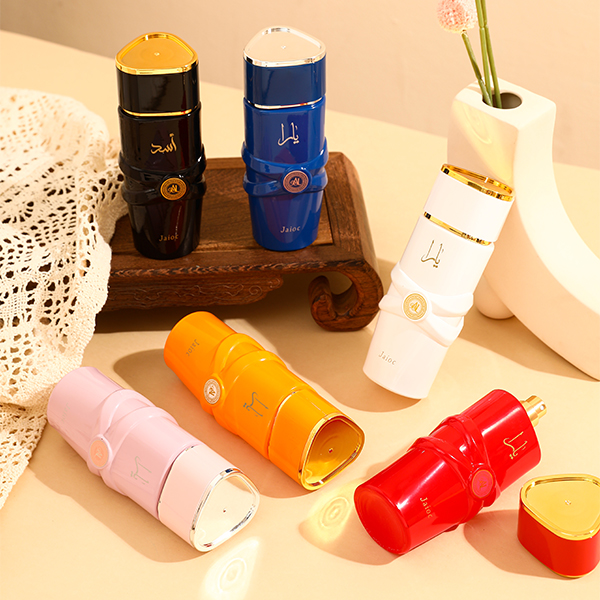
The Growth of Arabian Fragrance Is No Longer Limited to Arabia
Another important development is that Middle Eastern fragrance preferences are increasingly influencing international markets.
Euromonitor estimates that Arabian fragrances—characterized by high concentrations and profiles featuring oud, musk and amber—reached approximately US$4.9 billion globally in 2025. Its research also highlights the rapid expansion of e-commerce for Arabian-origin fragrance brands.
This changes the opportunity for Chinese manufacturers.
The addressable market is no longer simply:
China → Saudi Arabia/UAE → local consumers
It can increasingly become:
China → Middle Eastern fragrance brands → GCC + Europe + North America + Latin America + Southeast Asia
That gives experienced fragrance OEM and ODM manufacturers an opportunity to support Middle Eastern brands that are themselves expanding internationally.
Logistics Are Becoming a Product-Sourcing Consideration
One point that deserves particular attention is alcohol-based perfume logistics.
Many conventional perfumes contain significant amounts of ethanol and can fall under dangerous-goods transportation requirements depending on formulation and transport mode. For example, alcohol-based perfume is commonly classified under UN 1266/Class 3 for transportation purposes, subject to the actual formulation and applicable regulations.
This does not mean that perfume oils are automatically “non-dangerous goods.” Classification depends on the actual formulation and shipping regulations.
For buyers, the practical lesson is more important than the classification itself:
Product formulation and logistics should be considered together from the beginning of product development.
This is why perfume oils, alcohol-free fragrance formats, smaller pack sizes and locally stocked products may become increasingly attractive in certain Middle Eastern supply chains.
The UAE and Saudi Arabia Are Becoming More Important for China Suppliers
For Chinese perfume manufacturers, the UAE and Saudi Arabia deserve particular attention.
The UAE combines strong domestic consumption with its role as a regional trading and re-export hub. Dubai is particularly important for international distributors serving the wider Middle East and Africa.
Saudi Arabia, meanwhile, offers a very large domestic consumer market and strong cultural demand for fragrance.
This makes the two countries complementary rather than interchangeable.
| Country | Strategic Role for Chinese Suppliers |
| UAE | Regional distribution, re-export, premium fragrance and e-commerce |
| Saudi Arabia | Large domestic market and strong fragrance consumption |
| Qatar | Premium and high-income consumer segment |
| Kuwait | Traditional fragrance + premium market |
| Oman | Traditional fragrance + selective mass market |
For Aili Cosmetics, this suggests that a Middle East strategy should focus on country-specific product development and distribution partnerships, rather than treating the entire region as a single market.
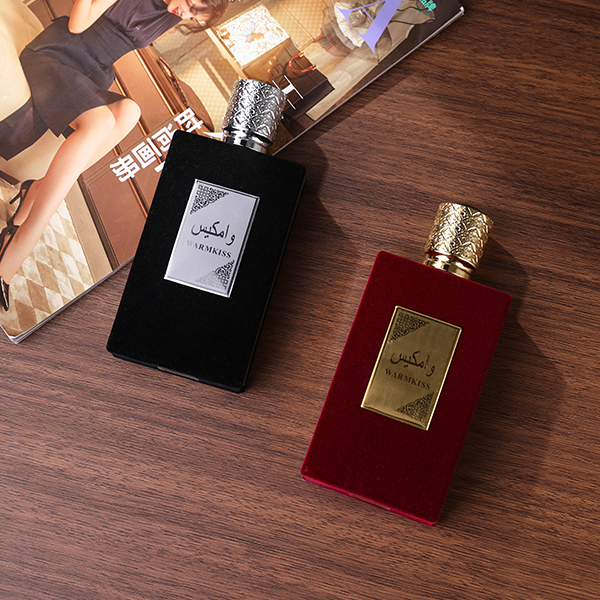
What Should Chinese Perfume Manufacturers Do in 2026?
From our perspective at Shandong Aili Cosmetics, the Middle East remains an important fragrance market—but the old approach needs to change.
A Chinese perfume factory should focus on five areas.
1. Develop More Flexible Product Portfolios
Instead of offering only conventional perfume bottles, manufacturers should consider EDP, concentrated fragrance, perfume oils, body mist, gift sets, miniatures and home fragrance where appropriate.
2. Build Middle East-Specific Fragrance Development
Oud, amber, musk, rose, saffron and woody profiles should be developed with modern variations rather than simply reproducing traditional formulas.
3. Improve Supply-Chain Reliability
Buyers increasingly need predictable production schedules, professional documentation, compliant packaging and flexible logistics options.
4. Support Private-Label Brands
The growth of regional fragrance brands creates demand for private label perfume manufacturing, including scent development, bottle selection, packaging design and scalable production.
5. Combine Factory Manufacturing With Digital Customer Acquisition
Middle Eastern buyers no longer need to wait for a trade fair to find a Chinese supplier. A professional website, SEO, product videos, online factory tours and direct communication can shorten the sourcing cycle considerably.
Frequently Asked Questions
Is Middle East perfume demand declining because of the 2026 conflict?
There is no strong evidence that Middle Eastern fragrance demand has collapsed overall. GCC market estimates continue to show growth, although individual countries and consumer segments are experiencing different levels of pressure.
Which Middle Eastern countries are most attractive for perfume exporters?
Saudi Arabia and the UAE are particularly important. Saudi Arabia offers a large domestic fragrance market, while the UAE combines strong consumption with regional distribution and re-export capabilities.
Is oud perfume still popular in the Middle East?
Yes. Oud remains deeply embedded in Middle Eastern fragrance culture. However, modern interpretations combining oud with citrus, musk, vanilla, rose, saffron or fresh woods can broaden its appeal to younger consumers.
Are perfume oils becoming more attractive in the Middle East?
They can be, particularly where buyers value concentration, portability and alternative logistics. However, transport classification depends on the actual formulation, so perfume oil should not automatically be assumed to be exempt from dangerous-goods requirements.
Should Chinese factories establish warehouses in Dubai or Saudi Arabia?
A regional warehouse can provide faster delivery and reduce exposure to international shipping delays, but it requires sufficient local demand to justify inventory, warehousing and compliance costs. It is more appropriate for established product lines with predictable sales than for every new perfume project.
What perfume products should Chinese manufacturers develop for Middle Eastern buyers?
A balanced portfolio can include long-lasting EDP, concentrated fragrances, oud-based perfumes, modern oriental fragrances, perfume oils, body mists and private-label perfume collections. The right mix should depend on the target country and customer segment.
Is private-label perfume a good opportunity in the Middle East?
Yes. The combination of strong fragrance culture, growing local brands and expanding e-commerce creates opportunities for private-label perfume and OEM/ODM manufacturing. Suppliers that can provide fragrance development, packaging customization and stable production have a stronger competitive position.
Conclusion: Middle East Fragrance Demand Is Being Redistributed, Not Destroyed
The most important conclusion for Chinese perfume exporters is that the 2026 Middle East fragrance market is not simply shrinking because of conflict. It is being redistributed.
Demand is concentrating geographically around stronger GCC markets. Purchasing is becoming more defensive. Importers are paying greater attention to inventory and delivery reliability. Consumers are increasingly divided between premium concentrated fragrances and affordable, high-value products.
At the same time, Arabian fragrance itself is expanding beyond the region, creating new opportunities for manufacturers capable of supporting Middle Eastern brands in international markets.
For Shandong Aili Cosmetics Co., Ltd., this environment reinforces a simple principle: Chinese fragrance manufacturers should not compete only on price or wait for buyers at exhibitions.
The stronger strategy is to combine fragrance development, OEM/ODM manufacturing, private-label services, flexible product formats, reliable supply chains and direct digital communication with overseas buyers.
The Middle East fragrance market is changing rapidly in 2026.
For manufacturers that understand where demand is moving, that change may represent not a crisis—but a new sourcing opportunity.