
Choose Right Home Fragrance Product
Learn how to choose the right home fragrance product by Aili Perfume Fragrance Cosmetics, based on space, fragrance type, diffusion method, usage habits, safety and product quality, from reed diffusers to scented candles and aroma diffusers.
Choosing the right home fragrance product is not simply a matter of picking a scent you like. The best choice depends on where the product will be used, how fragrance should be released, how long it needs to last, and what kind of user experience is expected.
For consumers, this means choosing the right fragrance format for a bedroom, living room, office or car. For brands and retailers, it also means understanding the differences between reed diffusers, scented candles, aroma diffusers, nebulizers and fragrance sprays before developing a product line.
As a fragrance and cosmetics manufacturer, Shandong Aili Cosmetics Co., Ltd. looks at home fragrance from both the consumer and product-development perspective.
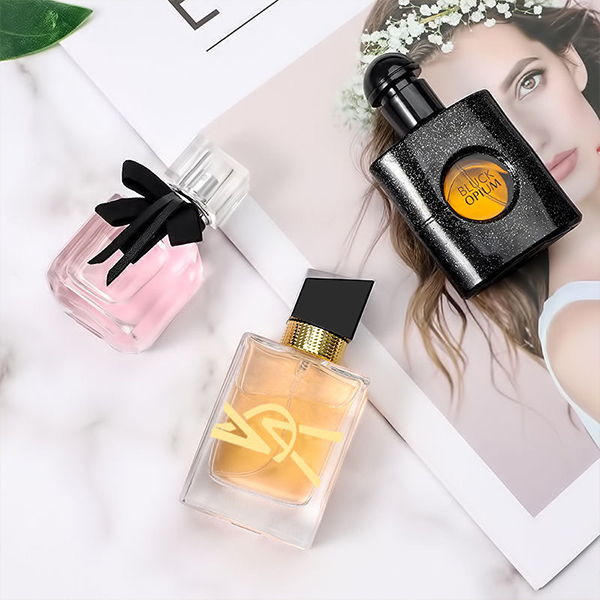
What Are the Main Types of Home Fragrance Products?
Different fragrance products use different diffusion mechanisms. This directly affects fragrance intensity, coverage, operating time and safety.
| Product Type | How It Works | Main Advantages | Suitable Applications |
| Reed Diffuser | Fragrance liquid travels through reeds by capillary action | No flame, continuous diffusion, easy to use | Bedroom, bathroom, entrance, office |
| Scented Candle | Heat melts wax and releases fragrance | Strong ambience and relatively fast scent release | Living room, dining room, relaxation |
| Ultrasonic Diffuser | Water and essential oils are atomized into mist | Fast diffusion, fragrance switching, humidification | Dry indoor environments, desks, living rooms |
| Nebulizer | Air pressure atomizes fragrance oil | Strong diffusion without water or heat | Large rooms, spas, commercial spaces |
| Spray / Sachet | Manual spraying or passive evaporation | Portable and convenient | Wardrobes, drawers, cars, small spaces |
There is no single “best home fragrance product.” Each format solves a different problem.

How Should You Choose a Home Fragrance Product for Different Spaces?
The first question should be where will the fragrance be used?
Bedroom: Focus on Comfort and Low-Intensity Fragrance
A bedroom generally benefits from a gentle and stable fragrance rather than an aggressive scent.
Lavender, chamomile, sandalwood, cedarwood and neroli-type profiles can be considered when the objective is relaxation. A reed diffuser for the bedroom is particularly convenient because it does not require a flame or continuous operation.
However, fragrance preferences vary between individuals. A strong fragrance should not be assumed to improve sleep, and users who are sensitive to fragrance should choose lower-intensity products.
Living Room and Entrance: Choose Versatile Fragrance Profiles
Living rooms and entrances are shared spaces, so fragrance should have broad appeal.
Bergamot, fig, tea, clean musk, white floral and woody fragrances are common directions for a comfortable home atmosphere. A reed diffuser or scented candle can work well depending on whether continuous diffusion or a more immediate ambience is required.
Bathroom: Prioritize Freshness
For bathrooms, fresh and clean fragrance profiles are often more practical. Lemon, lemongrass, grapefruit, verbena and eucalyptus-inspired accords can create a fresher sensory environment.
A room spray or small reed diffuser can be useful when the space is compact and fragrance does not need to travel far.
Office and Work Areas: Keep the Fragrance Controlled
In offices, reception areas and study rooms, overly strong fragrance may disturb other people.
Fresh citrus, herbal, tea and green profiles are often suitable directions. Product format is also important. A small reed diffuser or controlled aroma diffuser can provide fragrance without creating an excessively strong scent cloud.
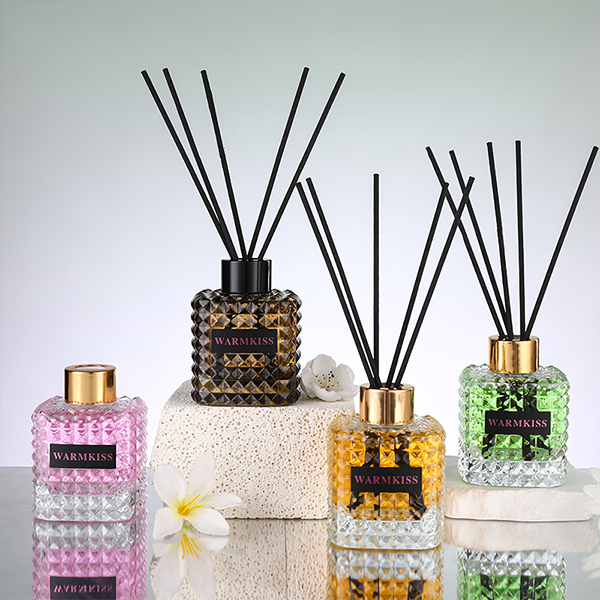
How Does Season Affect Fragrance Selection?
Seasonality can also influence fragrance preferences.
Spring and summer generally favor citrus, green, aquatic and light floral profiles. These fragrances can create a fresher and more transparent impression.
Autumn and winter often suit woody, amber, leather and gourmand directions such as vanilla or cinnamon. These warmer fragrance families can create a more enveloping atmosphere.
For brands, seasonal fragrance collections can also help expand a home fragrance portfolio without requiring an entirely new product concept.
How Do You Choose Between a Reed Diffuser and a Scented Candle?
This is one of the most practical decisions when buying home fragrance.
A reed diffuser is suitable when the user wants continuous fragrance without lighting or operating the product every day. It can remain in a room and gradually release fragrance through reeds.
A scented candle is more suitable when the experience itself matters. The flame, warm wax pool and faster fragrance release create a stronger sense of atmosphere, making candles popular for dining, relaxation and special occasions.
The trade-off is safety. A burning candle requires appropriate supervision and should not be treated like a maintenance-free fragrance product.
For brands, these two formats can complement each other: the reed diffuser provides continuous background fragrance, while the candle creates a stronger ritual and sensory experience.
What Should You Check Before Buying a Reed Diffuser?
For a quality reed diffuser, fragrance alone is not enough. The diffuser base, reeds, bottle and formulation all influence performance.
A suitable diffuser base should provide controlled evaporation and allow the liquid to travel smoothly through the reeds. Depending on the formulation, manufacturers may use specialized slow-evaporating bases rather than a high-alcohol perfume system.
If the liquid evaporates too quickly, the product may have a short service life. If the formulation does not work well with the reeds, diffusion can also become inconsistent.
Consumers and buyers should therefore look at:
- Fragrance intensity and stability
- Diffusion duration
- Reed quality and absorption
- Bottle and closure design
- Ingredient and safety documentation
- Suitability for the intended market
For private label brands, these factors should be evaluated during sample testing rather than judged only by the fragrance itself.

What About Safety and Product Quality?
Safety should be considered alongside fragrance performance.
For scented candles, buyers should evaluate the wax system, wick, fragrance compatibility and combustion performance. Plant-based waxes such as soy, coconut or beeswax are commonly used in the market, but the statement that one wax type is automatically “non-toxic” or another is automatically unsafe is too broad. Actual performance depends on the complete formulation and manufacturing process.
For reed diffusers, the fragrance oil and diffuser base should be assessed together. Strong alcohol odor is not necessarily an indicator of better fragrance performance, because a high-alcohol system may evaporate more rapidly than a formulation designed for controlled reed diffusion.
Fragrance ingredients should also be supported by appropriate technical documentation. IFRA standards and SDS documentation can be important references, while exact regulatory requirements depend on the product formulation, claims and destination market.
Families with babies, pregnant users, pets or fragrance-sensitive individuals should pay particular attention to product instructions and ingredient information.
How Can Brands Choose the Right Fragrance Product Format?
For fragrance brands, product selection is also a question of portfolio strategy.
A single fragrance concept can potentially be developed into several formats:
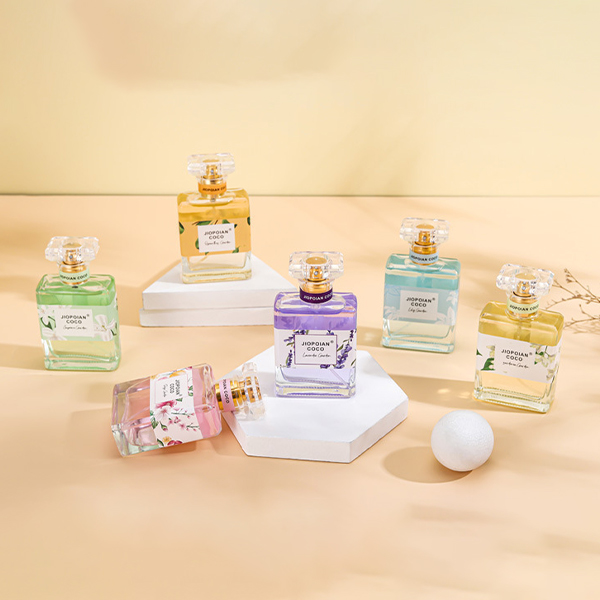
Signature perfume → body mist → reed diffuser → scented candle → room spray → fragranced body care
The fragrance profile may remain recognizable, while the formulation, concentration, packaging and diffusion mechanism are adapted to each application.
This is one reason why working with an experienced fragrance OEM/ODM manufacturer can be valuable. A manufacturer that understands both personal fragrance and home fragrance can help brands develop a more coherent product family.
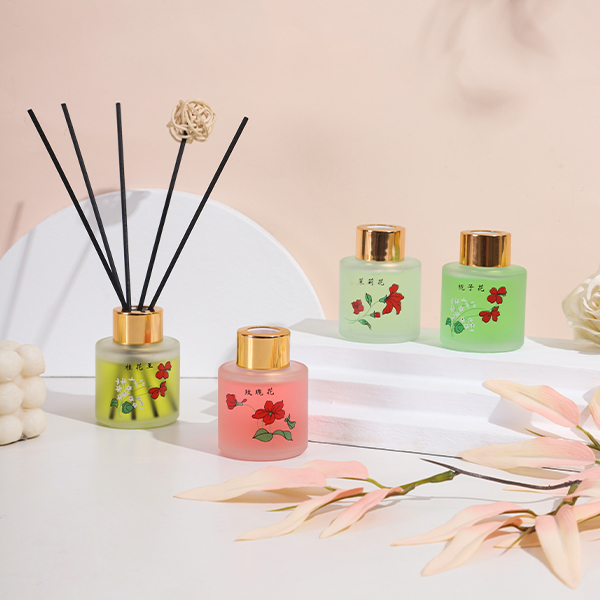
How Aili Cosmetics Helps Develop Home Fragrance Products
Shandong Aili Cosmetics has developed manufacturing capabilities across perfume, personal fragrance and home fragrance products, including reed diffuser products.
From fragrance selection and formulation development to bottle selection, reeds, packaging, filling and finished-product production, Aili can support brands that want to develop private label fragrance products.
The key is not simply producing a fragrance liquid. Different products require different formulation systems, diffusion mechanisms, packaging structures and quality-control considerations.
For an international brand, this integrated approach can make it easier to develop a fragrance concept into multiple products while keeping the overall scent identity consistent.
Quick Guide: Which Home Fragrance Product Should You Choose?
| Your Main Need | Recommended Format | Why |
| Continuous, low-maintenance fragrance | Reed Diffuser | No flame and continuous passive diffusion |
| Strong ambience and ritual | Scented Candle | Heat and flame create a distinctive experience |
| Fast fragrance release | Ultrasonic Diffuser | Rapid diffusion through mist |
| Large-space fragrance | Nebulizer | Strong oil-based diffusion |
| Small space or temporary freshness | Spray / Sachet | Portable and easy to use |
| Car fragrance | Sachet / Car Diffuser | Compact and designed for vehicle interiors |
Frequently Asked Questions About Choosing Home Fragrance Products
Is a reed diffuser better than a scented candle?
Neither is universally better. Reed diffusers are more suitable for continuous, low-maintenance fragrance, while scented candles are better suited to ambience and occasions where users want a stronger sensory experience.
How do I choose the right home fragrance for a bedroom?
Choose a fragrance intensity that is comfortable for the user and consider gentle profiles such as lavender, woody or soft floral directions. A reed diffuser can provide continuous fragrance without a flame.
How long does a reed diffuser usually last?
Service life depends on fragrance concentration, diffuser base, bottle opening, reed material, room temperature and airflow. Therefore, manufacturers should provide performance data based on the actual product rather than a universal duration.
Are scented candles safe to use indoors?
They can be used indoors when properly formulated and handled, but burning candles require supervision. The wick, wax, fragrance formulation and combustion performance all affect the final product experience.
What is the difference between a reed diffuser and an aroma diffuser?
A reed diffuser normally releases fragrance passively through reeds, while an aroma diffuser may use water, ultrasonic mist or another active diffusion mechanism. They therefore have different formulation and maintenance requirements.
Can one fragrance be used for both perfume and home fragrance?
The same fragrance concept can inspire both products, but the finished formulations should not simply be transferred from one product to another. Skin-use products and home fragrance products have different formulation, safety and performance requirements.
What should a private label buyer check before ordering home fragrance?
Buyers should evaluate fragrance performance, formulation stability, diffusion duration, packaging compatibility, safety documentation, MOQ, quality control and destination-market requirements.
Can a perfume manufacturer also produce reed diffusers?
Yes. A fragrance manufacturer with suitable formulation, filling and packaging capabilities can extend from perfume OEM/ODM into reed diffusers, scented candles, room sprays and other home fragrance products.
Conclusion
Choosing the right home fragrance product starts with the space, the desired fragrance experience and the way the product will be used.
Reed diffusers are convenient for continuous fragrance, scented candles emphasize atmosphere and ritual, aroma diffusers provide active diffusion, nebulizers suit larger spaces, while sprays and sachets offer portability.
For consumers, understanding these differences makes purchasing easier. For fragrance brands, understanding them creates opportunities to build a broader product portfolio.
At Shandong Aili Cosmetics, we see fragrance development not as a single product category, but as a system that can extend from personal fragrance to home fragrance and fragranced lifestyle products. The right product begins with the right application, formulation and user experience.