
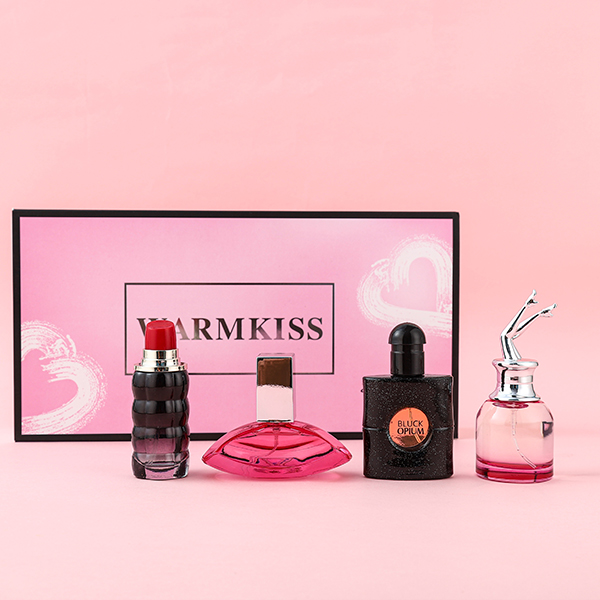
Perfume vs Home Fragrance: Key Similarities & Differences
Learn the key similarities and differences between perfume and home fragrance, including formulation by China Aili Cosmetics, fragrance concentration, diffusion, safety, compliance and OEM/ODM manufacturing.
Perfume and home fragrance products share the same fundamental purpose: creating a distinctive and pleasant scent experience. However, Personal Fragrance and Home Fragrance are designed for very different applications.
Perfume is created for the human body, clothing and personal expression. Home fragrance—including reed diffusers, scented candles and room sprays—is designed to scent an indoor environment. As a result, their formulation systems, fragrance concentration, diffusion mechanisms, packaging and safety requirements can be significantly different.
At Shandong Aili Cosmetics Co., Ltd., we manufacture fragrance products across both categories. Understanding these differences is essential when developing a perfume, reed diffuser or broader private-label fragrance collection.
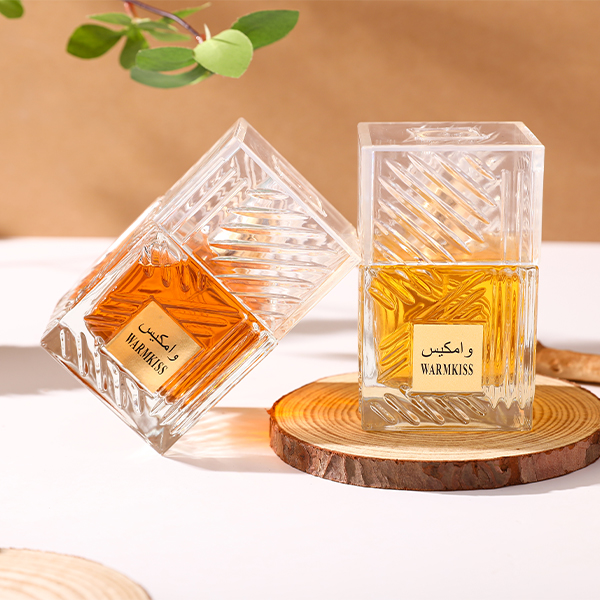
Perfume and Home Fragrance: The Basic Difference
The simplest way to understand the difference is to look at where the fragrance is intended to work.
| Dimension | Perfume / Personal Fragrance | Home / Space Fragrance |
| Main purpose | Personal image, expression and fragrance experience | Room ambience and environmental scent |
| Application | Skin, hair or clothing, depending on product | Air, reeds, wax, fabrics or other media |
| Common products | EDP, EDT, body mist, perfume oil | Reed diffuser, candle, room spray |
| Carrier system | Often cosmetic-grade alcohol/water-based systems or oils | Diffuser bases, wax, oils or other suitable carriers |
| Fragrance level | Commonly higher in perfume formats | Varies by product and formulation |
| Release mechanism | Evaporation from skin/clothing | Passive diffusion, airflow or heat |
| Main performance focus | Sillage, scent development and longevity | Scent throw, stability and diffusion duration |
| Regulatory focus | Cosmetic and skin-safety requirements | Product-specific chemical, household and safety requirements |
The exact formulation and regulatory requirements depend on the product, ingredients, claims and destination market.
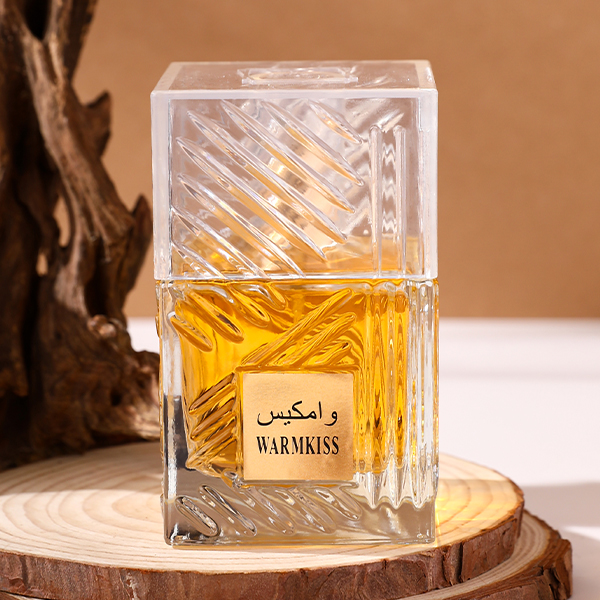
What Do Perfume and Home Fragrance Have in Common?
Although their applications are different, perfume and home fragrance are fundamentally connected through the fragrance industry.
They Share Many Fragrance Ingredients
Both categories may use natural essential oils, natural extracts and synthetic aroma chemicals to create their scent profiles. Materials used by perfumers can therefore appear in both personal and environmental fragrance applications, although their suitability and permitted use depend on the finished product category.
Vanillin, sandalwood-related materials, floral ingredients, musks and woody materials are examples of fragrance building blocks that can contribute to different fragrance concepts.
The difference is not necessarily the fragrance ingredient itself, but how that ingredient is formulated and where the finished product will be used.
Both Can Use Traditional Fragrance Structures
High-quality home fragrance products can also be developed with a recognizable fragrance progression.
A diffuser may open with fresh citrus or fruity notes, develop into floral or aromatic heart notes and finish with woods, amber or musk. A perfume follows a similar conceptual structure.
However, the way consumers perceive the fragrance can be very different because perfume interacts with skin, while a home fragrance product scents an environment.
One Signature Scent Can Become Multiple Products
Modern fragrance brands increasingly develop a recognizable scent identity across several products.
A signature fragrance might become:
Perfume → Body Mist → Body Lotion → Reed Diffuser → Scented Candle → Room Spray
This strategy allows a brand to create a consistent olfactory identity across personal and home environments.
For an OEM/ODM fragrance manufacturer, this also creates opportunities to develop a complete fragrance collection rather than a single SKU.
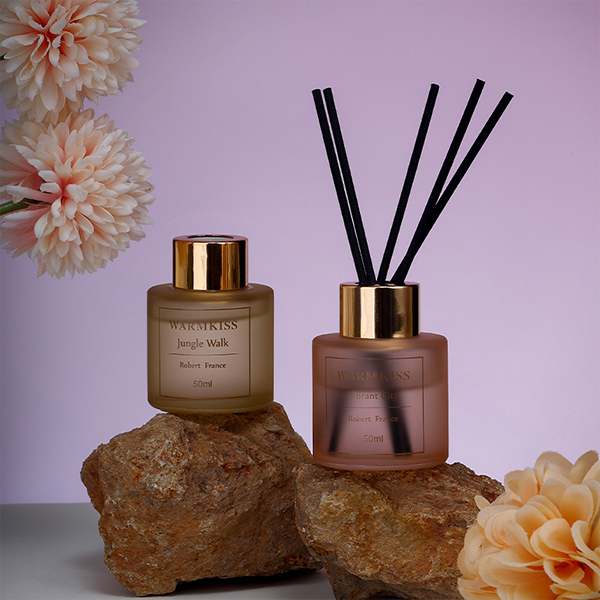
Formulation Systems Are Different
The most important technical difference between perfume and home fragrance is often the carrier system.
Perfume Formulation
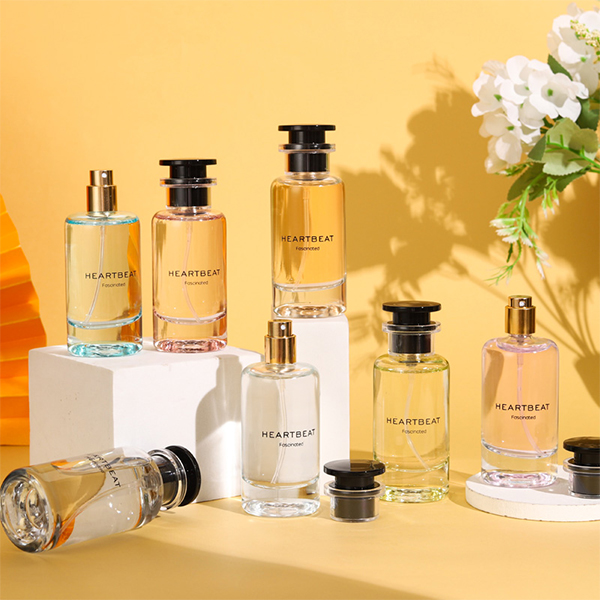
Traditional spray perfumes commonly use high-purity cosmetic-grade ethanol as a major carrier. Alcohol evaporates relatively quickly and helps deliver the fragrance composition efficiently from the skin.
Depending on the product, perfume may also use water-based systems, oils or other specialized formulations.
EDT and EDP commonly fall into different fragrance-concentration ranges. As a general reference, EDT may contain approximately 8–15% fragrance, while EDP is often around 15–20%, although actual formulations vary considerably between products.
Reed Diffuser Formulation
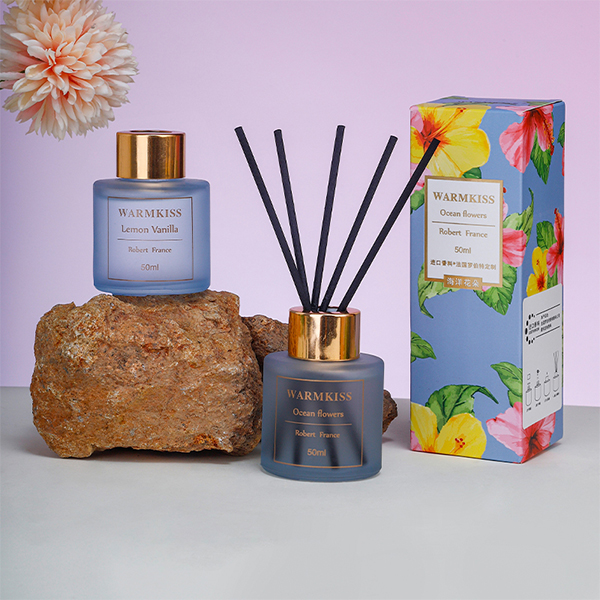
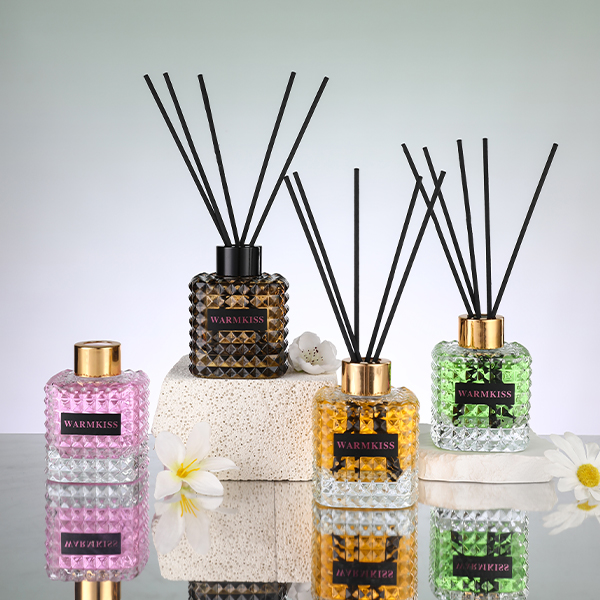
A reed diffuser requires a different physical system. The liquid needs to travel through reeds or fiber sticks and release fragrance gradually into the surrounding air.
A high-alcohol perfume system is generally unsuitable when long-lasting passive diffusion is the goal because rapid evaporation can shorten product life.
Reed diffuser formulations may therefore use suitable slower-evaporating and fragrance-compatible diffuser bases. Depending on the formulation, materials such as MMB or other specialized diffuser solvents may be considered.
The objective is to achieve a practical balance between fragrance solubility, reed absorption, evaporation rate, scent throw and product longevity.
Scented Candle Formulation
Scented candles introduce another technical challenge. Fragrance must be compatible with the selected wax system, whether soy wax, paraffin, beeswax or another wax blend.
The finished candle must also perform properly during burning, including fragrance release, wax-pool formation, wick performance and smoke control.
This demonstrates why fragrance manufacturing is not simply a matter of adding the same fragrance oil to every product.
Perfume Has Sillage; Home Fragrance Has Scent Throw
Another important difference is the way fragrance moves through the environment.
Perfume creates a personal sillage, meaning the scent trail perceived around the wearer. Its character can change over time as different fragrance materials evaporate.
Home fragrance focuses more on scent throw—how effectively fragrance spreads through a room.
A reed diffuser is designed for relatively continuous passive diffusion. A scented candle uses heat to accelerate fragrance release. A room spray delivers fragrance much more rapidly.
Therefore, a successful home fragrance formula needs to be evaluated for room size, airflow, evaporation behavior and expected product life rather than skin performance alone.
Safety and Compliance Are Also Different
Perfume is normally associated with cosmetic or personal-care regulation because it is intended for application to the human body. Skin safety, fragrance allergens, ingredient restrictions, microbiological quality and product documentation can therefore be important considerations.
Home fragrance products are generally treated differently because they are intended for environmental use. Depending on the product and market, considerations may include chemical classification and labeling, SDS documentation, flammability, packaging safety and inhalation exposure.
For scented candles, combustion-related performance and safety become additional considerations.
At Aili Cosmetics, we therefore treat personal fragrance and home fragrance as different product-development projects even when they use a similar fragrance concept.
Can You Use Perfume as Reed Diffuser Liquid?
Generally, this is not recommended.
Perfume is formulated for personal application and typically relies on a relatively fast-evaporating carrier. A reed diffuser requires a liquid system designed for controlled absorption through reeds and gradual environmental diffusion.
Putting perfume into a diffuser bottle may result in rapid evaporation, poor diffusion performance or an unexpectedly short product life. The perfume formulation has also not necessarily been tested for compatibility with the selected reeds and diffuser container.
The same principle applies in reverse: a home fragrance liquid should not automatically be applied to skin simply because it smells pleasant.
Can Essential Oil or Home Fragrance Be Applied Directly to Skin?
No—not unless the specific product has been formulated and assessed for skin application.
A concentrated fragrance oil, essential-oil blend or reed diffuser liquid is not automatically a cosmetic-grade perfume. Direct application can create an unnecessary risk of skin irritation or sensitization, depending on the ingredients and concentration.
For private label perfume manufacturers, the product category and intended application should therefore be established before formulation begins.
Why the Difference Matters for Fragrance OEM/ODM Development
For a brand developing both perfume and home fragrance, the key is not to duplicate one formula across several products.
Instead, the manufacturer should maintain the same fragrance identity while adapting the technical formula to each application.
For example:
| Brand Concept | Suitable Product Development |
| Signature floral fragrance | EDP + body mist |
| Woody amber fragrance | Perfume + reed diffuser |
| Fresh citrus fragrance | Body mist + room spray |
| Oriental/oud fragrance | Perfume oil + reed diffuser |
| Clean musk fragrance | Perfume + candle + home spray |
This approach allows brands to maintain recognizable scent DNA while achieving appropriate performance in each product.
How Aili Cosmetics Develops Personal and Home Fragrance
Shandong Aili Cosmetics approaches fragrance from both the personal fragrance and home fragrance perspectives.
Our product capabilities include perfume, EDP/EDT, body mist, perfume oil, roll-on fragrance, reed diffuser and other fragranced personal and home-care products. This enables customers to extend one fragrance concept across multiple product formats.
Aili’s broader manufacturing system integrates fragrance development, production, packaging coordination, quality management and OEM/ODM services. For international brands, this creates a practical route from one fragrance concept to a complete personal and home fragrance collection.
Frequently Asked Questions
Are perfume and home fragrance the same thing?
No. Both belong to the broader fragrance industry, but perfume is primarily a personal fragrance product while home fragrance is designed to scent an environment.
What is the main difference between perfume and reed diffuser?
Perfume is formulated for personal application, while reed diffuser liquid is designed to travel through reeds and gradually release fragrance into the surrounding air.
Can the same fragrance be used in perfume and reed diffuser?
A fragrance concept can often be adapted to both products, but the finished formulas should be separately developed and tested for their intended applications.
Why is alcohol commonly used in perfume?
Alcohol is an effective carrier for many spray perfumes because it dissolves fragrance materials and evaporates efficiently, helping release the fragrance from the skin.
Why does a reed diffuser need a different base?
A reed diffuser needs controlled evaporation and capillary movement through reeds. A suitable diffuser base helps balance absorption, diffusion rate and product longevity.
Is reed diffuser liquid safe to apply to skin?
It should not be assumed to be safe for skin. Reed diffuser products are formulated for environmental fragrance rather than direct cosmetic application.
Can perfume be poured into a reed diffuser?
It is generally not recommended because perfume and reed diffuser liquids are designed for different evaporation and diffusion systems.
Can one fragrance brand sell both perfume and home fragrance?
Yes. A signature scent can be adapted into perfume, body mist, reed diffuser, scented candle and room spray, provided each product is separately formulated and tested.
Conclusion: One Fragrance Concept, Different Product Technologies
Perfume and home fragrance are closely related but technically different. They share fragrance materials, perfumery principles and scent concepts, but differ in their carriers, application environments, release mechanisms, performance requirements and regulatory considerations.
For brands, this distinction is important. A successful fragrance concept should not simply be copied from perfume into a reed diffuser or candle. It should be reformulated for the intended application while preserving the brand’s signature scent identity.
For manufacturers, this requires knowledge across both personal and environmental fragrance. With capabilities covering perfume, reed diffuser and related fragrance products, Shandong Aili Cosmetics Co., Ltd. supports brands in developing fragrance collections that move naturally from the individual to the home.