

Market Overview: Emerging Growth vs. Mature Consumer Markets
Comparar do Sudeste Asiático e Mercados de perfumes da Austrália e da Nova Zelândia across fragrance preferences, product formats, packaging, distribution and regulations. Discover practical perfume fragrance OEM/ODM opportunities com Shandong Aili Cosméticos.
Sudeste Asiático e Oceânia are important markets for the international fragrance industry, but their commercial characteristics are quite different. Southeast Asia, including Indonesia, Thailand, Vietnam, Malaysia and the Philippines, benefits from a large young population, expanding middle-income groups and rapidly developing social commerce. Australia and New Zealand, the two principal markets in Oceania, have smaller populations but relatively mature beauty retail systems and established consumer expectations.
Para Chinese perfume fragrance manufacturers and importers, the difference affects product positioning, fragrance selection, packaging, order planning and regulatory preparation.
Em Shandong Aili Cosmetics Co., Ltd., we view Southeast Asia as a diverse market with opportunities across different price levels and product formats. Australia and New Zealand require a more market-specific approach, particularly when developing products for established retailers, independent fragrance brands and personal-care businesses.
Consumer Preferences and Fragrance Trends
Southeast Asia: Variety, Local Identity and Social Commerce
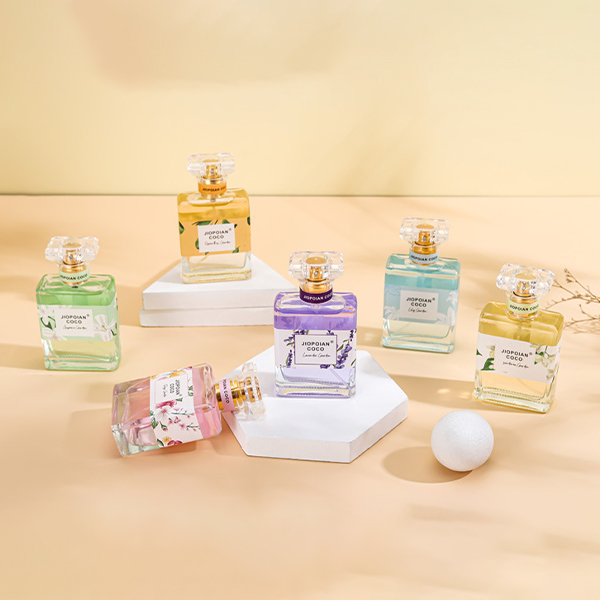
Consumers in Southeast Asia encounter fragrance through beauty retailers, local brands, online marketplaces and social media. TikTok Shop, Shopee and Lazada have made product discovery more accessible, particularly for younger consumers.
Fresh citrus, fruity, floral, aquatic, tea-inspired and soft musk fragrances are relevant to everyday use in warm and humid conditions. Local cultural references are also influencing product development. Ingredients and scent concepts associated with pandan, tropical fruits, herbs and familiar desserts can provide distinctive ideas for local fragrance collections.
However, the market is not limited to light fragrances. Sweet gourmand, woody, amber and oriental-inspired compositions also attract consumers. Brands often benefit from offering several fragrance directions rather than relying on a single regional preference.
Oceania: Lifestyle, Personal Expression and Product Quality
Australian and New Zealand consumers have access to international designer fragrances, mass-market products and independent niche brands. Citrus, aquatic, aromatic, woody, floral and musk-based compositions all have established audiences.
Coastal lifestyles, outdoor activities and warm-weather use can create opportunities for fresh, comfortable fragrance profiles. Australian botanical ingredients and natural-inspired concepts, including eucalyptus, lemon myrtle and sandalwood, can also influence product storytelling.
Nevertheless, it would be inaccurate to assume that all Oceania consumers prefer natural ingredients, unisex fragrances or minimalist products. Stronger perfumes, sweet compositions and conventional gender-positioned fragrances remain commercially relevant.
For manufacturers, consistency, formula performance, packaging quality and credible product information are more reliable development priorities than following a simplified regional aesthetic.
Product Formats, Concentration and Packaging
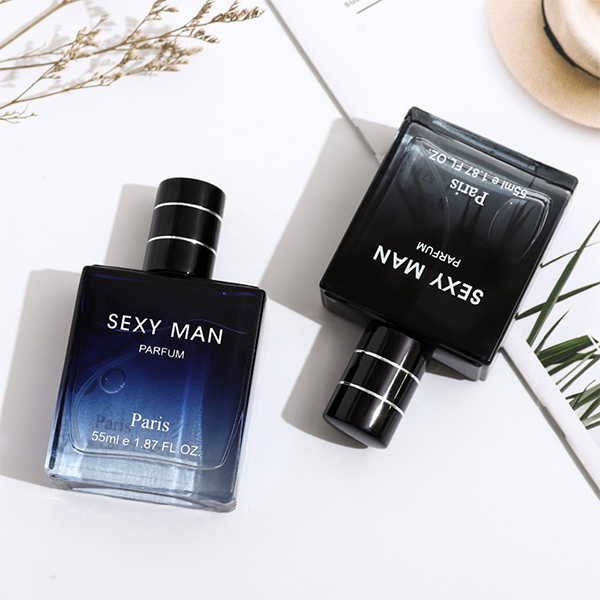
Both markets use Eau de Toilette (EDT), Eau de Parfum (EDP), body mist and other fragrance formats. Concentration ranges vary between brands and formulas, so buyers should specify the actual fragrance concentration rather than rely solely on product labels.
| Product consideration | Sudeste Asiático | Australia and New Zealand |
| Formatos comuns | EDT, EDP, body mist, travel spray and roll-on | EDT, EDP, body mist, roll-on and niche perfume |
| Useful bottle sizes | 10ml, 30ml, 50ml and 100ml | 30ml, 50ml and 100ml |
| Direção de fragrâncias | Fresh, fruity, floral, tea, musk and sweet profiles | Citrus, aquatic, woody, aromatic, floral and botanical-inspired profiles |
| Packaging priorities | Visual appeal, portability and competitive cost | Component quality, material selection and consistent finishing |
| Related product categories | Body mist and personal fragrance | Home fragrance, reed diffusers and scented candles |
A 10ml spray bottle is convenient for travel and sampling, while 30ml and 50ml glass bottles allow brands to offer different retail price points. Body mist is another accessible format for consumers who prefer lighter fragrance application.
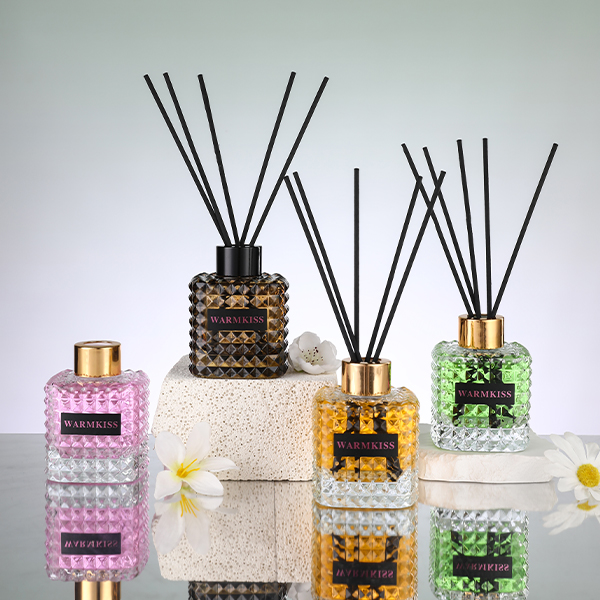
In Australia and New Zealand, perfume can also be developed as part of a broader lifestyle product range. Reed diffusers, scented candles and room fragrance products may complement personal fragrance collections.
Packaging should be assessed through its physical performance. Important details include glass clarity, bottle weight, cap retention, pump atomization, leakage, label adhesion and outer-carton strength. Amber glass, clear glass, matte labels, wooden-style caps and paperboard cartons are possible design choices, but none is automatically suitable for every brand.
For buyers targeting sustainability-conscious consumers, recyclable components, reduced packaging weight and refillable designs can be considered. Material claims should be supported by the actual composition and recyclability of the packaging.
Distribution Channels and Brand Development
Southeast Asia: Online Growth and Fast Product Testing
Social commerce and online marketplaces are important channels for fragrance discovery and sales. Guardian, Watsons and Sociolla also illustrate the role of physical beauty retail in selected Southeast Asian markets.
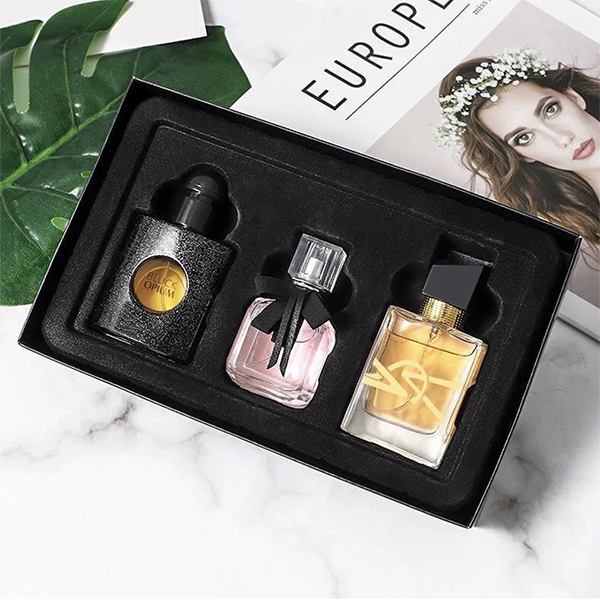
Brands may introduce several scents in small collections, use travel-size products for trial purchases and adjust their product range according to customer feedback. For OEM/ODM manufacturers, this creates demand for flexible packaging combinations and coordinated fragrance collections.
Oceania: Established Retail and Independent Brands
Australia and New Zealand have established beauty retailers and specialist fragrance channels. Chemist Warehouse, Mecca and Sephora Australia and New Zealand serve different customer segments, while independent perfume brands and direct-to-consumer businesses provide additional market opportunities.
Buyers may place particular emphasis on supplier communication, product specifications, documentation and consistency between approved samples and bulk production.
Smaller brands may prefer limited initial collections, but minimum order quantities and purchasing terms depend on the manufacturer, packaging components and project specifications. A small brand does not automatically mean a small production order.
Regulatory Requirements: Southeast Asia vs. Oceania
Southeast Asian countries operate national cosmetic notification and compliance systems under the broader ASEAN Cosmetic Directive framework. Indonesia uses BPOM, Malaysia uses NPRA and Thailand has its own FDA requirements. Indonesia also has a separate halal certification framework. Under the 2026 regulatory adjustment, the transition period for mandatory halal certification of cosmetics has been extended to October 17, 2028.
Australia regulates many cosmetic ingredients as industrial chemicals through the Australian Industrial Chemicals Introduction Scheme (AICIS). Importers or manufacturers introducing relevant industrial chemicals must register their business and determine the appropriate introduction category for each chemical. This does not mean every finished perfume requires a separate AICIS product registration.
Australia also has mandatory cosmetic ingredient labeling requirements. New Zealand operates the Cosmetic Products Group Standard under the Environmental Protection Authority (EPA). Updated requirements took effect on January 1, 2026, covering ingredient restrictions, labeling and other product obligations, with some changes being phased in through April 2029.
Both markets require careful attention to product safety and accurate claims. Australia has restrictions on animal testing for cosmetics and the use of new animal-test data in relevant chemical assessments, but these rules should not be simplified into a blanket requirement that every imported ingredient must carry a universal cruelty-free certificate.
For alcohol-based perfume, buyers should also confirm the applicable dangerous-goods classification, flash point, packaging and transport documentation with their logistics provider.
What These Differences Mean for Perfume OEM/ODM Buyers
At Shandong Aili Cosmetics, we believe that successful product development begins with the intended consumer and distribution channel.
For Southeast Asian projects, we can discuss compact perfume bottles, body mists, roll-ons and collections featuring different fragrance directions. Visual presentation, retail price and product variety may be important considerations.
For Australian and New Zealand projects, buyers may need more detailed ingredient information, packaging specifications, product documentation and coordination with local importers. Personal fragrance can also be developed alongside reed diffusers and other home-fragrance products.
Our business covers perfume and related consumer-care products, supported by OEM/ODM services for fragrance selection, bottle coordination, packaging and private-label development. With more than 30 years of manufacturing experience, 48 perfume production lines and daily perfume output exceeding 300,000 bottles, we can discuss different project requirements with overseas brands, distributors and importers.
A clear product brief should identify the destination country, product type, fragrance direction, bottle capacity, packaging materials, expected order quantity and compliance responsibilities. This provides a practical basis for sampling, quotation and production planning.
Perguntas Frequentes
- Is Southeast Asia or Oceania a larger perfume opportunity?
Southeast Asia has a much larger population and a broader range of developing consumer markets. Australia and New Zealand have smaller populations but established beauty retail systems and different opportunities for premium and independent brands.
- Which fragrance profiles are suitable for Southeast Asia?
Fresh citrus, fruity, floral, tea and musk profiles are relevant to many consumers. Sweet, woody and oriental fragrances also have demand, so country-specific testing is recommended.
- What perfume formats are suitable for Australia and New Zealand?
EDT, EDP, body mist, roll-on fragrance and niche perfume are all possible product categories. Reed diffusers and scented candles can also complement personal fragrance collections.
- Does Australia require every perfume to be registered with AICIS?
No. AICIS regulates the introduction of relevant industrial chemicals. Businesses introducing these chemicals must register and meet the applicable requirements. It is not a separate product registration system for every finished perfume.
- Are natural ingredients mandatory for Australian perfume brands?
No. Natural ingredients can support particular brand positions, but they are not a universal legal requirement. Synthetic aroma materials can also be used in compliant fragrance formulas.
- What should buyers consider when developing sustainable perfume packaging?
Important factors include glass weight, material compatibility, recyclability, refill options, cap materials, carton structure and transport protection. Sustainability claims should reflect the actual packaging design.
- What is the main regulatory difference between Australia and New Zealand?
Australia uses AICIS to regulate the introduction of relevant industrial chemicals, while New Zealand applies its Cosmetic Products Group Standard through the EPA. Importers need to assess the requirements of each destination separately.
- Can Shandong Aili Cosmetics supply perfume and home fragrance products?
Yes. Aili’s product and manufacturing scope includes perfume, reed diffusers and related fragrance products. OEM/ODM projects can be discussed according to the buyer’s product specifications, packaging requirements and target market.

Conclusão
Sudeste Asiático e Oceânia offer different opportunities for fragrance manufacturers. Southeast Asia is characterized by diverse consumer groups, growing digital retail and demand across multiple product formats. Australia and New Zealand offer established retail channels and opportunities for brands that prioritize product consistency, packaging quality, lifestyle positioning and regulatory preparation.
For overseas buyers, the best approach is to develop products around actual market requirements rather than rely on broad regional assumptions. At Shandong Aili Cosméticos, we focus on practical product specifications, manufacturing consistency and market-oriented OEM/ODM cooperation.